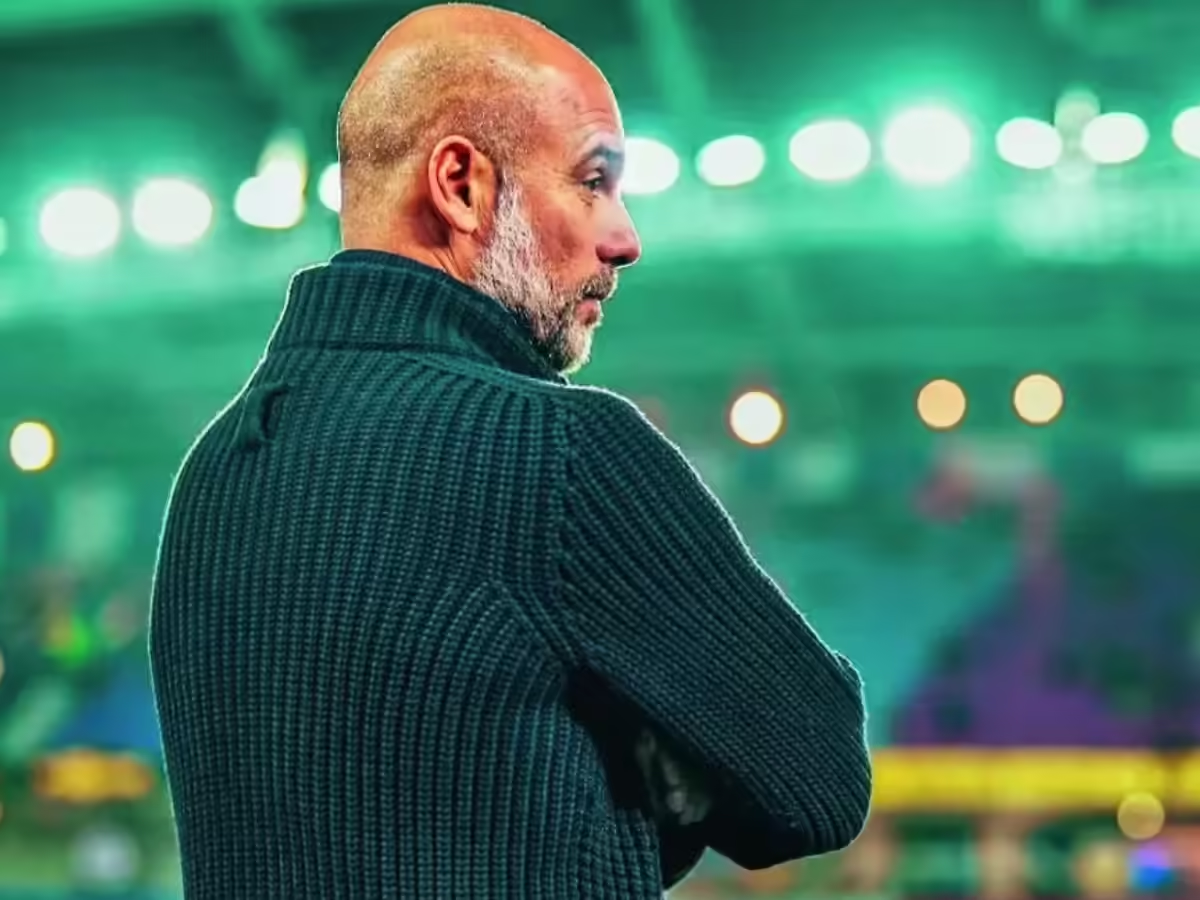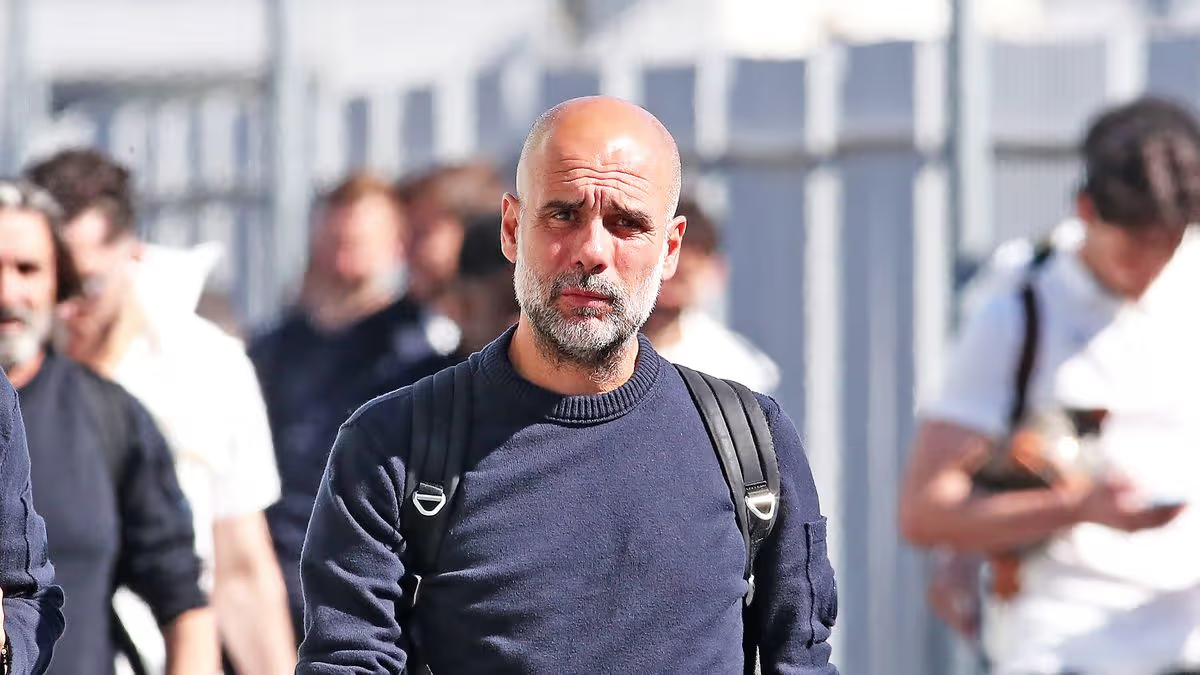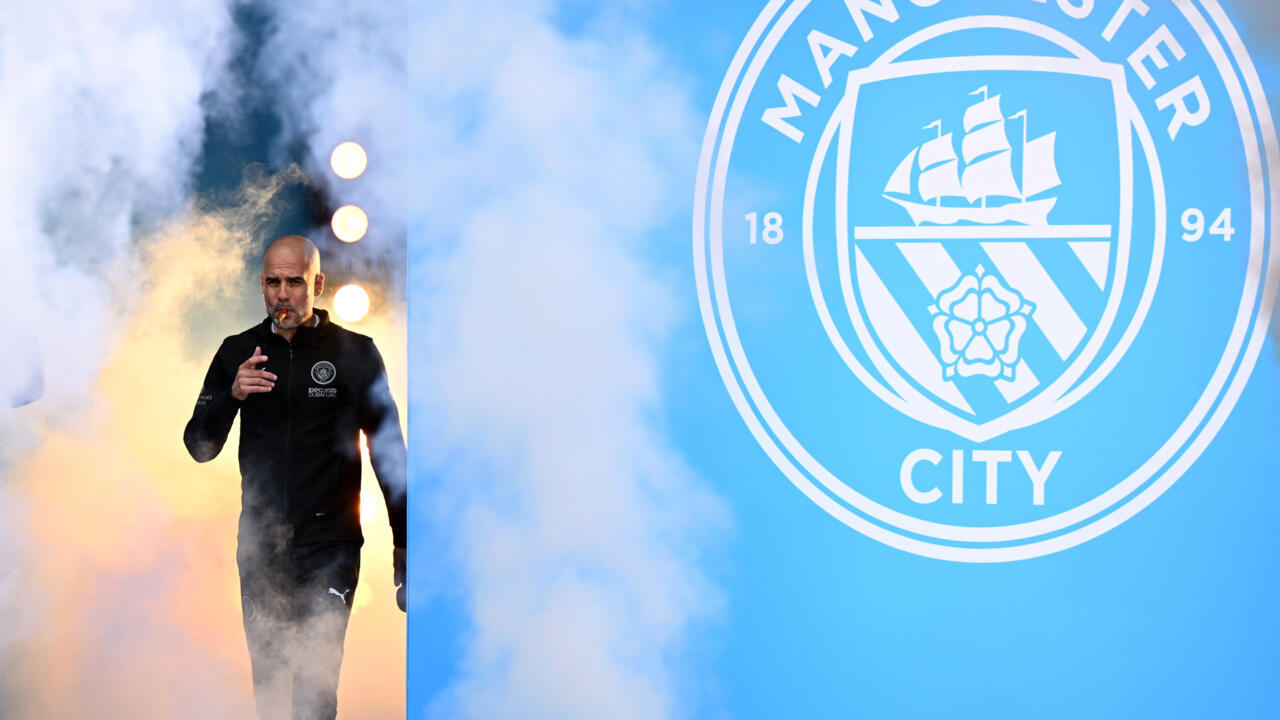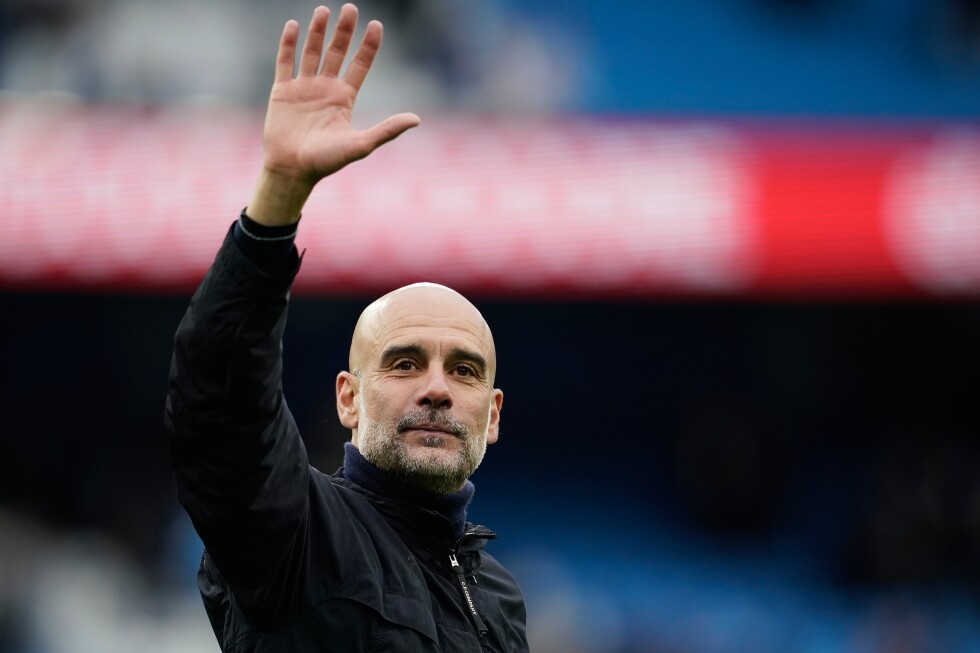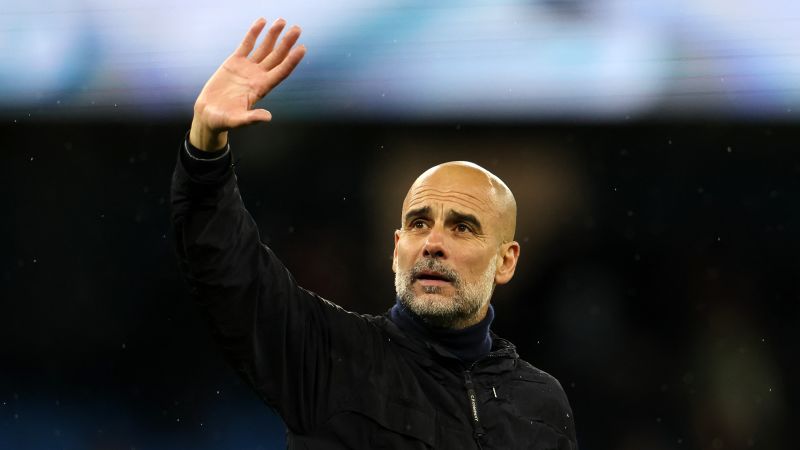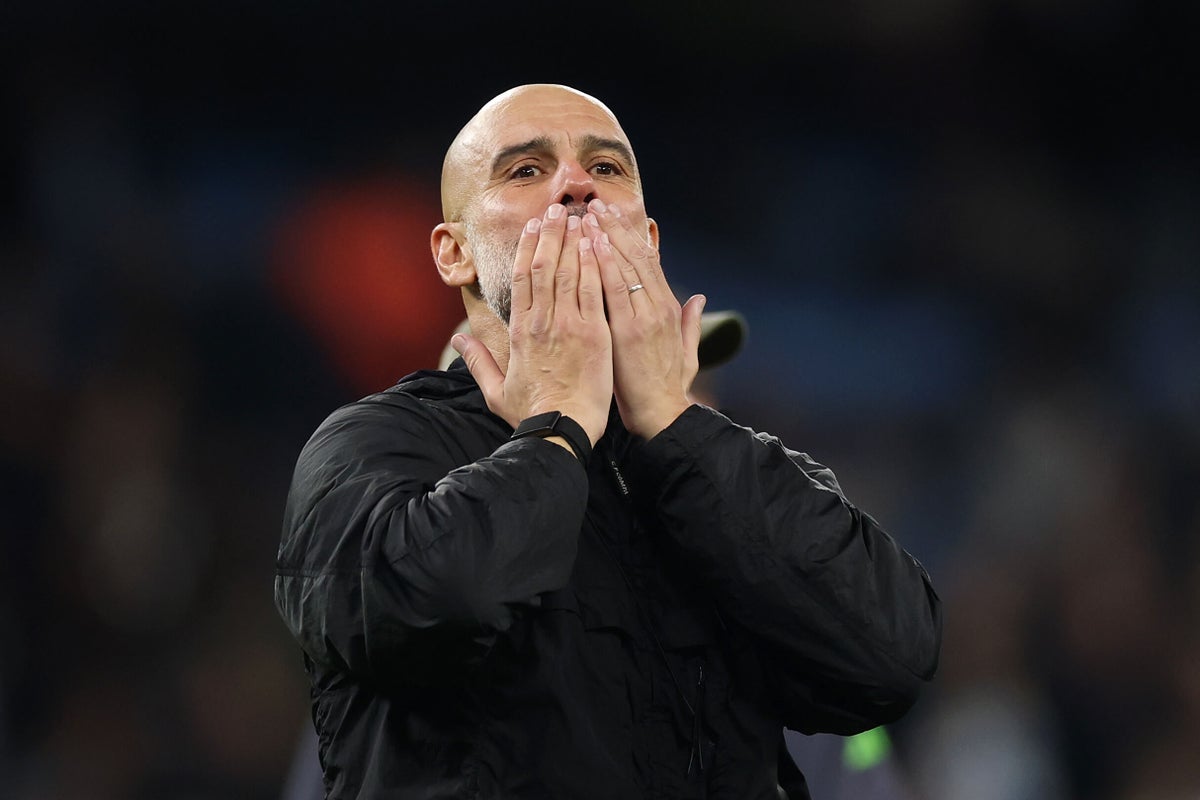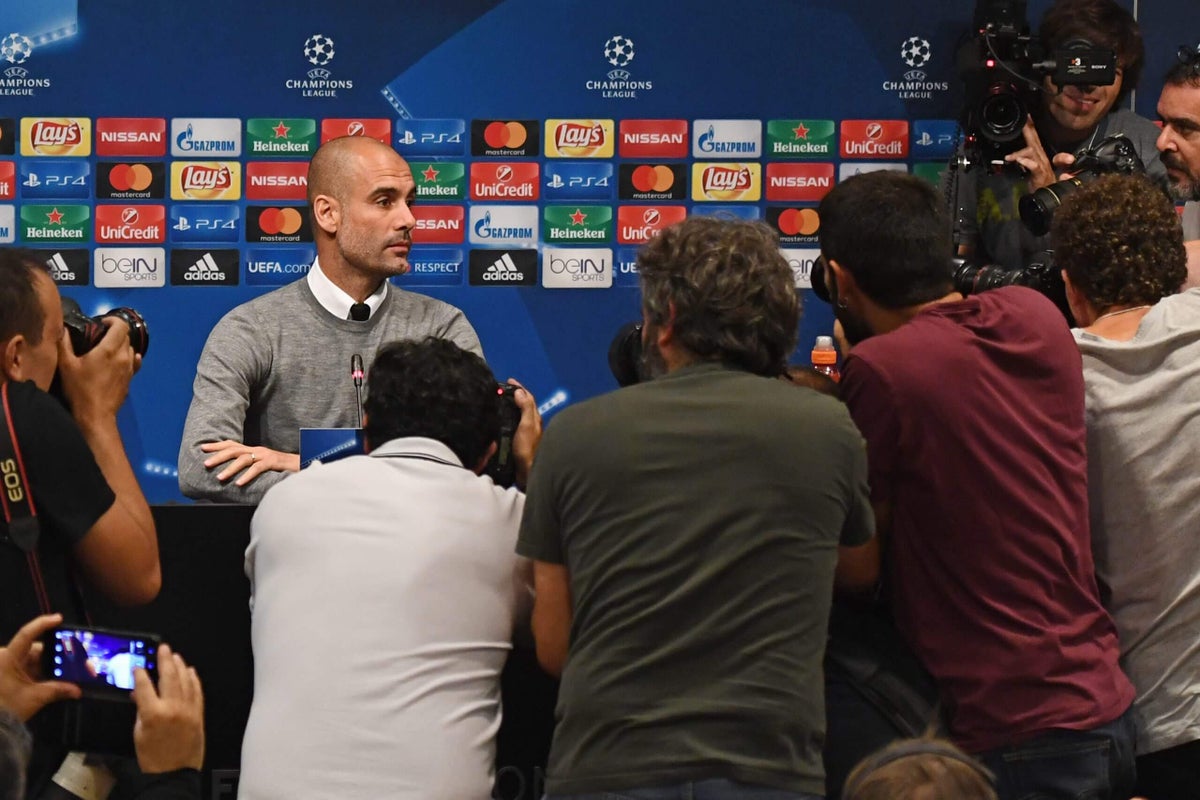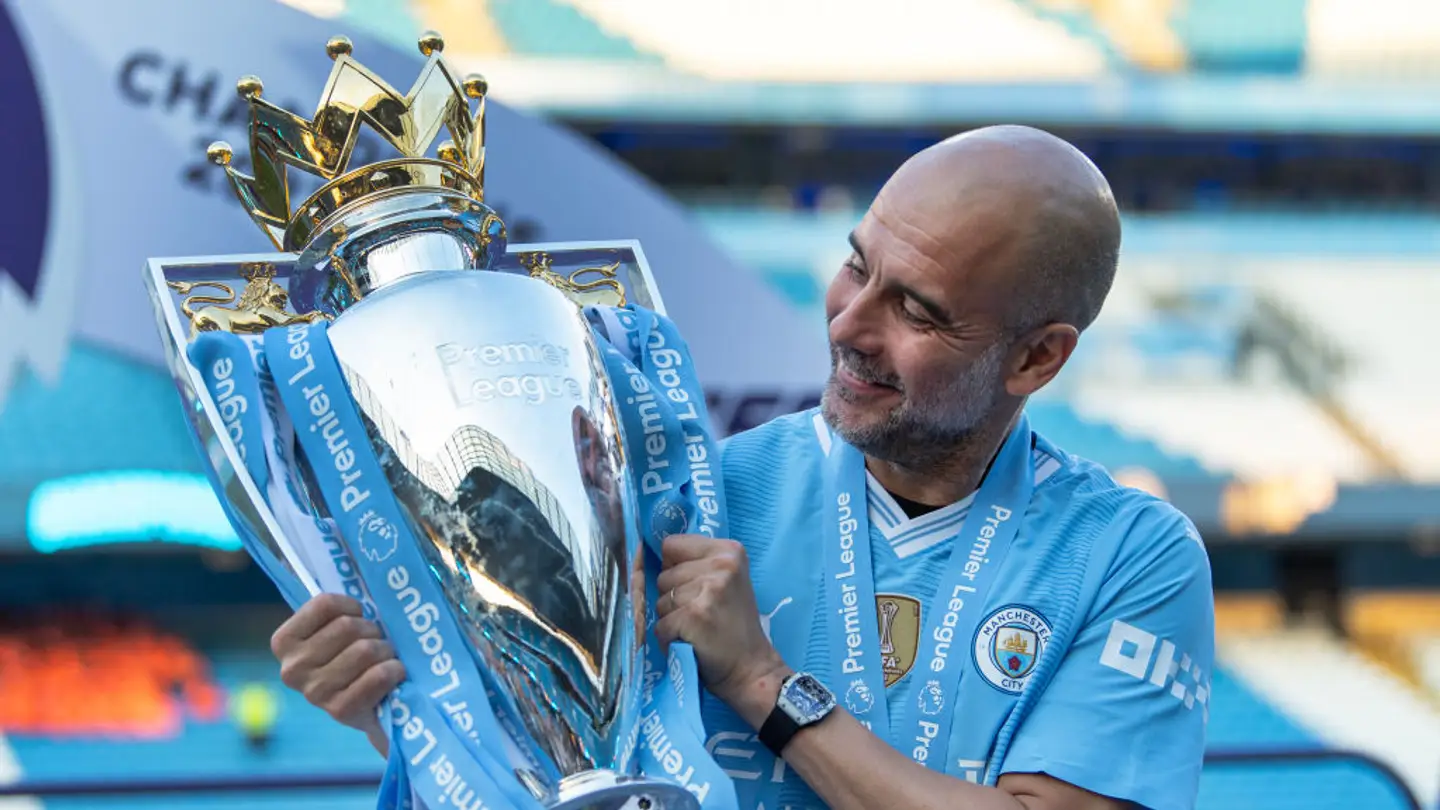
The news that Manchester City fans have dreaded for years is finally a reality. Pep Guardiola is leaving.His decision, whilst not a huge surprise after 10 trophy-laden, energy draining seasons at the helm, is still a crushing blow for the Etihad faithful.Few would have dreamed back in 2016 that such glory at home, in Europe and across the globe would lie in wait.Guardiola, with the significant backing of the club's Abu Dhabi owners, reinvented Manchester City, and revolutionised the entire game in England. His 20 trophies are a fitting reward for his dynamism, inventiveness and sometimes sheer bloody-mindedness.Despite missing out on a seventh Premier League crown, Guardiola leaves City a winner, adding this season’s FA Cup and League Cup to an extensive honours list. Manchester City’s scratchy European results over the past two seasons should not diminish the legacy left by the 55-year-old Catalan, who in the past two decades has revolutionised football in three different countries – Spain, Germany and England – spawning myriad impersonators.This is not a time for a maudlin, footballing obituary but rather a celebration of genius.I have worked at and for Manchester City for more than a quarter of a century, first as editor-in-chief and later as a consultant and witnessed Guardiola in his natural habitat – and felt his wrath – first hand.You could write volumes about the trophies lifted by Guardiola’s captains at City, the 1,000-plus matches in charge at the highest level under the most intense pressure and scrutiny and still the surface would only be scratched. Put simply, there will never be another like him.Guardiola's intensity and desire for perfection filtered down to everyone he came into contact with, whether it was players, chefs or content makers. The never-ending quest for beautiful, winning football exhausted him and all those around him.“He demands a lot from the players and is able to make you the best player you can be,” said Ederson, who during his eight years under Guardiola redefined the role of goalkeeper from shot-stopper to a vital cog in the City passing machine. Earning Pep's trust‘The City Decade’ was by far the longest coaching stint of Guardiola's glittering career that started at Barcelona before joining Bayern Munich and then City. The mark he has left on all the staff in Manchester is indelible.A complex character and busy mind, Guardiola was always hungry for perfection but acutely aware at the same time that it doesn’t exist in football or in much else - certainly not human beings.Whatever your role at City, be it a central defender or someone who filmed training sessions, there was one common denominator: you had to earn the Catalan maestro’s trust. Do that and you would be granted the opportunity to flourish in his wider orbit.My first meeting with him in his office at the City Football Academy began with an outstretched hand and the greeting "Hello, I’m Pep" – as if he needed an introduction – and ended with an ear-bashing about allowing too much of his training sessions to be shown on the website and YouTube.Chris Bailey during one of his earliest interviews with Pep Guardiola at Manchester City. Photo: Chris BaileyInfo“City pay me a lot of money for my coaching and you give it away to the world for free. If it happens again you will get no access,” was his parting shot.Fast forward a decade and a whole team of content makers are stationed in the first team inner sanctum and travel everywhere with the manager and players. Trust was earned and rewarded. Although he takes the view that less is more when it comes to interviews and sometimes sees the all-too regular press conferences as an intrusion into his work time, Guardiola is a convivial companion away from the training ground, understanding perfectly the need of his players and staff to unwind, switch off and generally get away from it all. He knew well that the only thing his stars’ wealth couldn’t buy was time and he gave them as many days off as possible to feed their minds and rest their bodies away from the pressure cooker of Premier and Champions League football. On occasions – especially when searching for solutions to a downturn in form – he was not always prone to practising what he preached but his management style was paternal and generous; it was not unusual for him to give away his substantial winning bonus money to dozens of staff members.He always put himself in his squad’s boots. His tactical brilliance seemed to take Premier League onlookers by surprise, but not his players, who relished and admired Guardiola's comprehensive approach to observing them and their opponents. He often talked about being able to "smell" a mood, a point he would emphasise by rubbing his thumbs across his two forefingers.“Guardiola is unique," said Lionel Messi, one of his earliest disciples at Barcelona. "There are extraordinarily good coaches, but he has something different. For me, he's the best of all of them. When it comes to seeing things, preparing for matches, and communicating with the players, he's very complete."InfluenceGuardiola is stubborn. He was never going to adapt his philosophy to the Premier League; instead, he made sure it was the other way around. Throughout his coaching career, Guardiola has been accused of overthinking and over-complicating tactics, but he had an innate ability to create systems in which the players were given the best possible opportunity to succeed. One of those was Ilkay Gundogan, captain of City's treble winners in 2023. “He’s one of the best coaches of all time. It was an achievement for me to play for him, to train under him, being able to learn is amazing.”Riyadh Mahrez, another of that cohort, said: “He’s won a lot of titles ... when you see his teams, you can tell it’s Guardiola. He has an imprint on the team.”Guardiola's style influenced coaches right through the football pyramid in England and his commitment to helping the personal growth of his charges was unquestionable. There are precious few at City who didn’t improve under his leadership. His nurturing of Phil Foden and Nico O’Reilly from the Academy to the international stage has been exemplary.The desire to play out from the back, false nines, inverted full-backs, double pivots led other coaches to flock to City’s training ground to pick his brain and hope the Guardiola genius rubbed off. It certainly did at the City Football Academy, where many of his assistants have gone on to be top-class managers themselves. He opened minds and eyes in equal measure.Chris Bailey, right, with Manchester City chairman Khaldoon Al Mubarak. Photo: Chris BaileyInfoBut you cannot pour the hours and vigour into the job that Guardiola does without consequences. In his case, it would manifest itself as exhaustion.I stood next to him the day after the Champions League final defeat to Chelsea in Porto in May 2021.We chatted about an interview I’d done with chairman Khaldoon Al Mubarak, but his voice was a whisper; he couldn’t wait to forget football and put his feet up for a while. He’d given his absolute all and that’s what he expected of others.He could tire players, too, with the intensity of his teaching and his desire for them to improve. Everything he did, he wanted to do to the best of his ability so others could reach new heights and their full potential. That was evidenced when he took a 12-month break from football after leaving Barcelona. He wanted to be largely anonymous, learn about another culture and hone his language skills, so he billeted himself in New York where he watched basketball and recharged his batteries. The next 12 months could well be spent similarly, close to his family, before the football bug bites again.What next?The farewell will be couched as a retirement, but 12-18 months of quality family time, rest, sunshine, golf and good food are surely likely to have the restorative powers that the Catalan needs to have one final hurrah – most likely as the coach of a national team.He may well be back in time for the 2030 World Cup. Few would bet against him winning it.Guardiola is a man who relishes a challenge; he will seldom be happy climbing the same mountain over and over again and certainly not in the same manner or from the same direction. He is essentially a man of the world. He has strong political beliefs and holds them dear. He loves his roots but also meeting people from different cultures with different perspectives. Pep Guardiola speaks onstage during the Concert-Manifesto x Palestine at Palau Sant Jordi on January 29, 2026, in Barcelona, Spain. Getty ImagesInfoIn Manchester, it was not unusual to bump into him on the street or see him whizzing around on his push bike.He immersed himself into the Manchester scene, explored and experienced ordinary life. Most of his charitable efforts, the consoling of very sick members of staff in hospital, the welcoming of visitors to the training ground, went unreported because that’s how he wanted it. Guardiola won’t countenance a statue as City have afforded other club legends, because it goes against his character, but what he has is more precious, a place deep in the hearts of all City fans and the vast majority of staff who came into contact with him. Legend and greatness are terms bandied around too easily and without sufficient analysis or proof, but in Guardiola’s case, both apply.
Demanding, draining, genius: my 10 years working with Pep Guardiola at Manchester City | The National
Chris Bailey was the long-time editor-in-chief at Manchester City. He offers his unique perspective on working alongside the most successful manager in the club's history
1,577 words~7 min read