Supported by
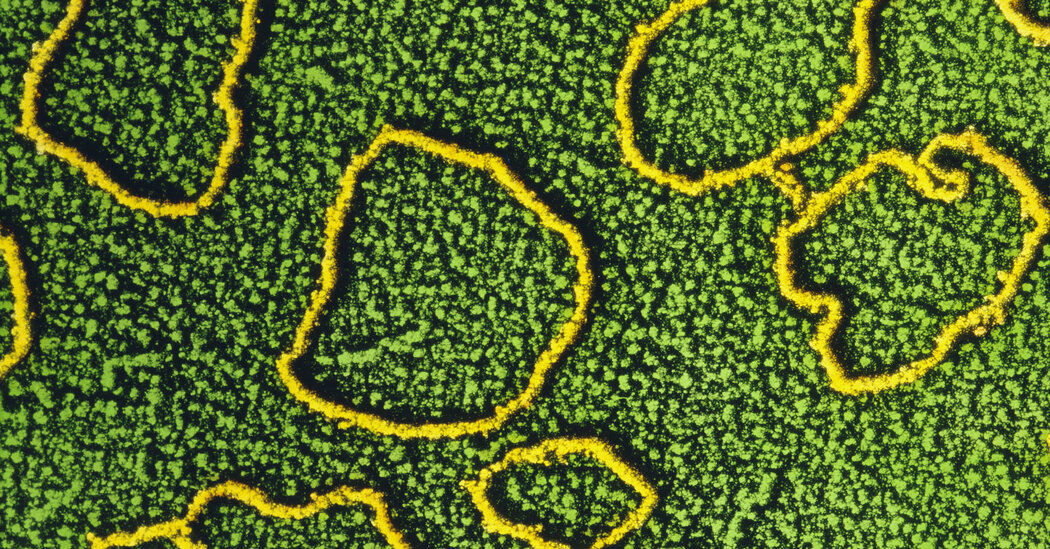
In a giant feat of genetic engineering, scientists have created bacteria that make proteins in a radically different way than all natural species do.
By Carl Zimmer
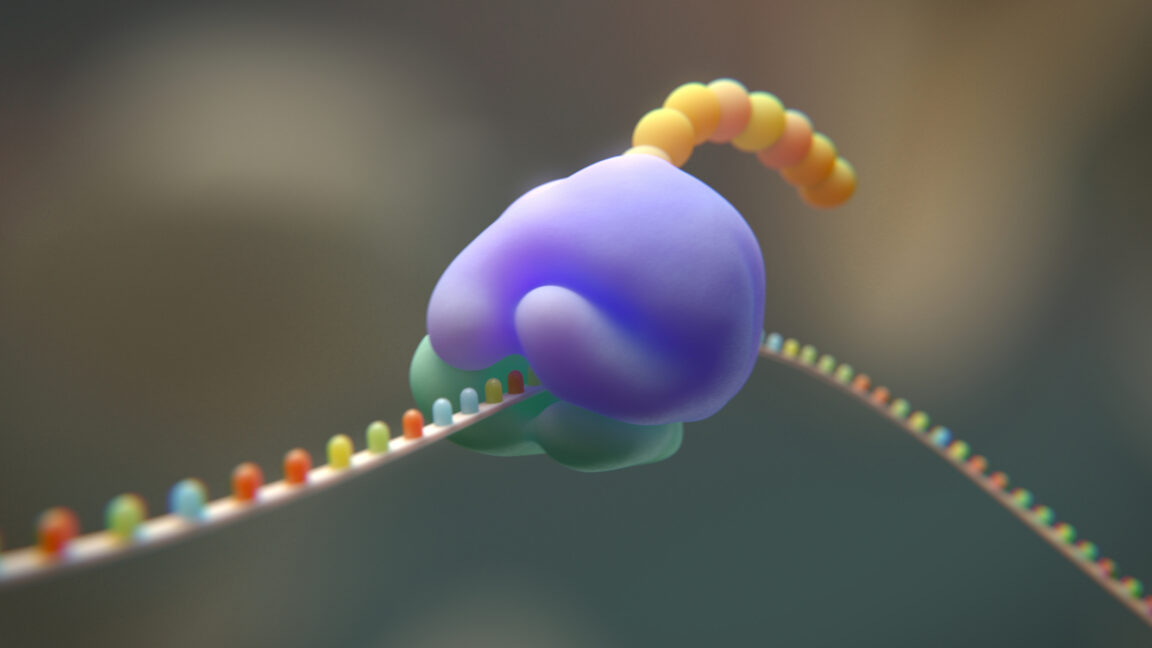
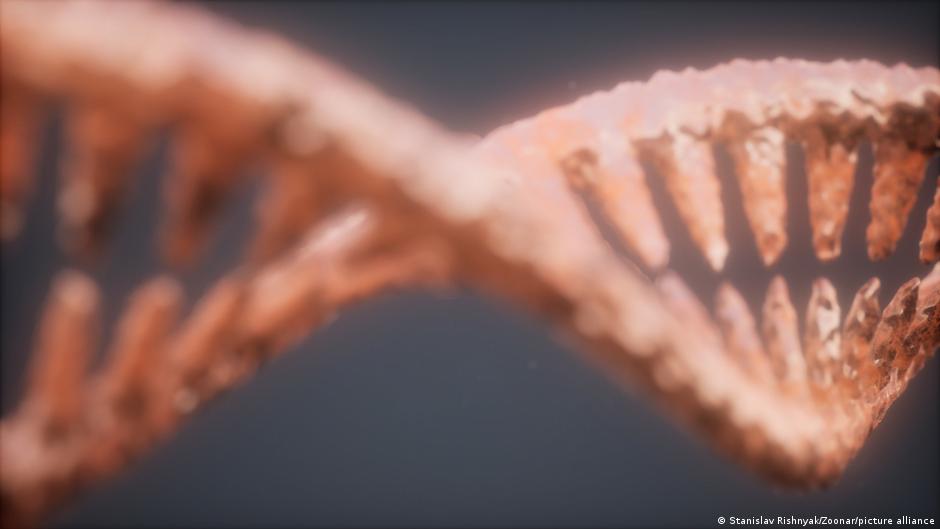
At the heart of all life is a code. Our cells use it to turn the information in our DNA into proteins. So do maple trees. So do hammerhead sharks. So do shiitake mushrooms. Except for some minor variations, the genetic code is universal.
It’s also redundant. DNA can code for the same building block of proteins in more than one way. Researchers have long debated what purpose this redundancy serves — or whether it’s just an accident of history.