T
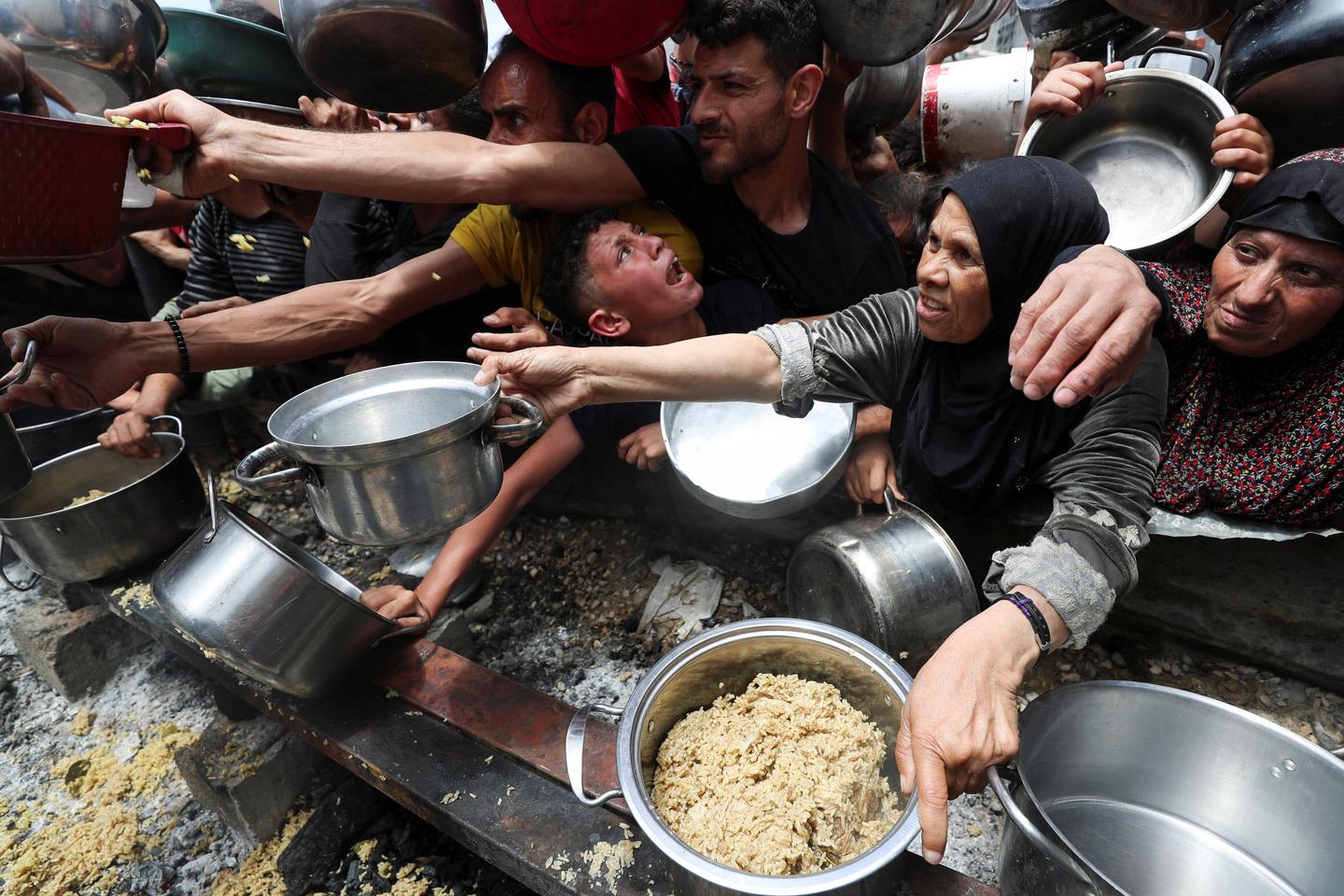
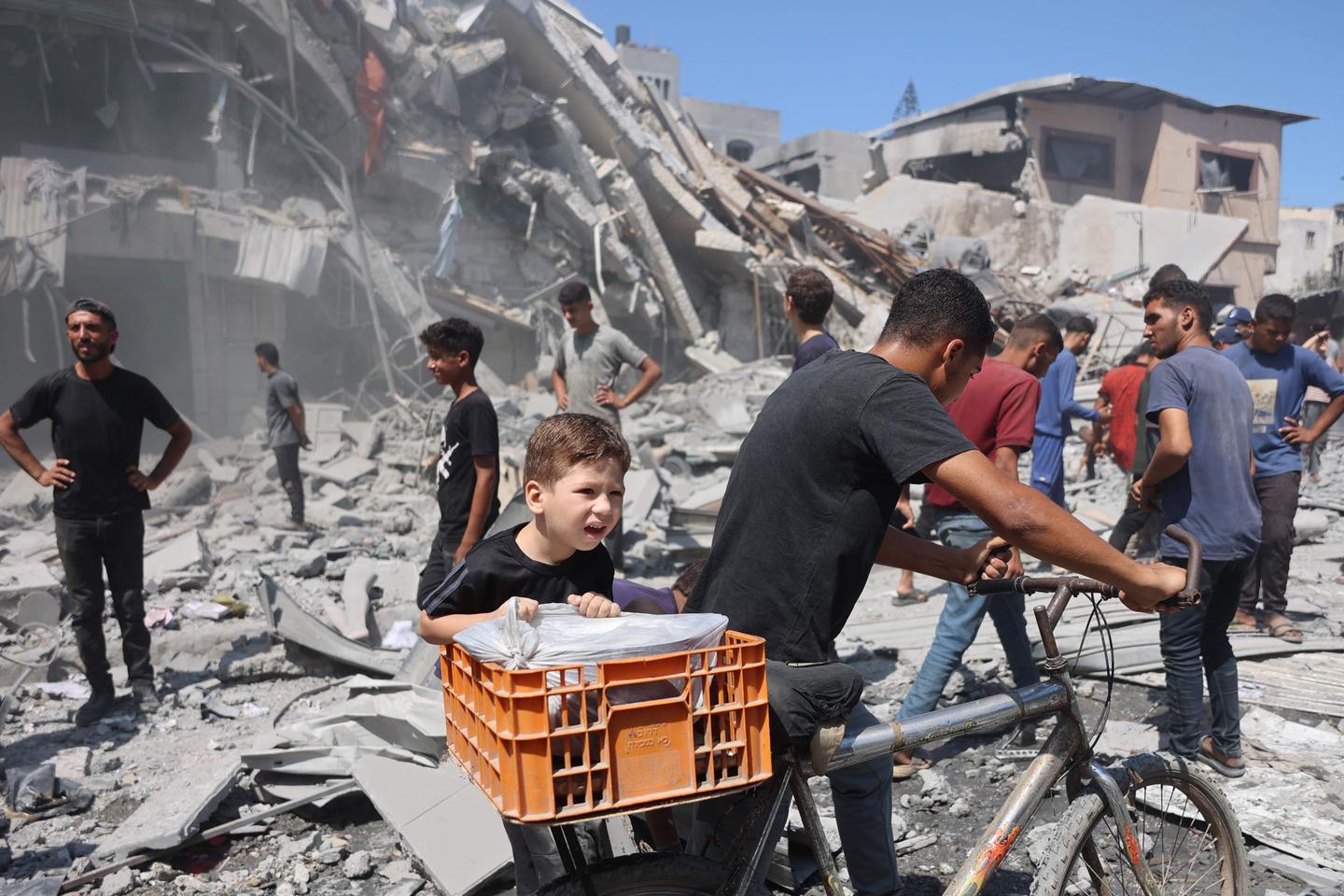
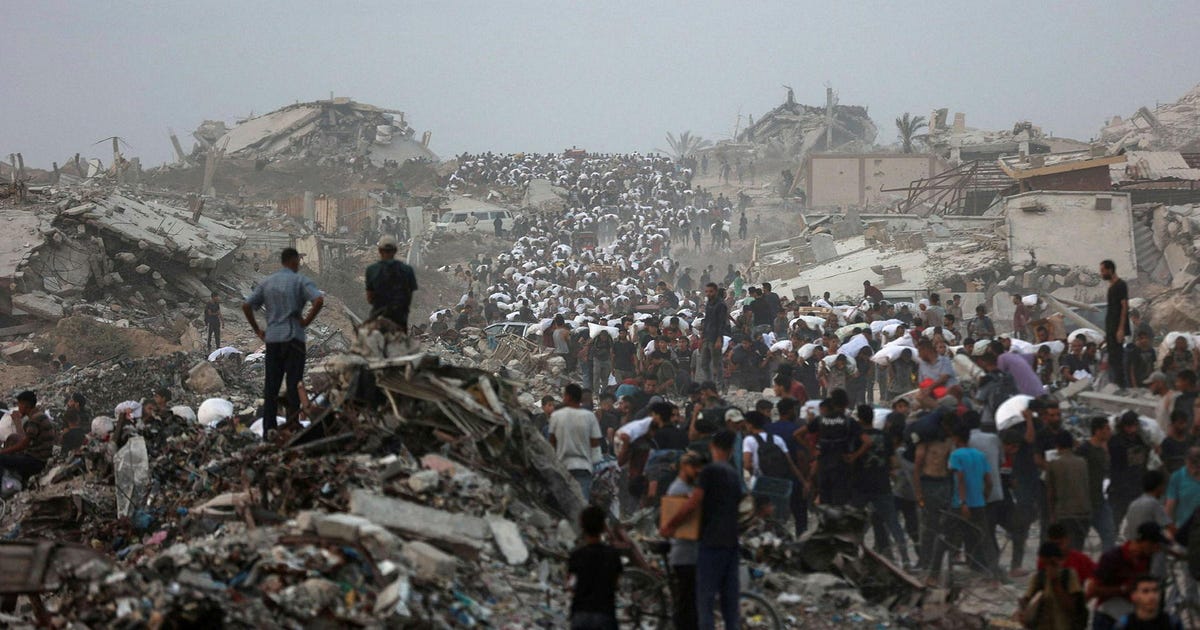
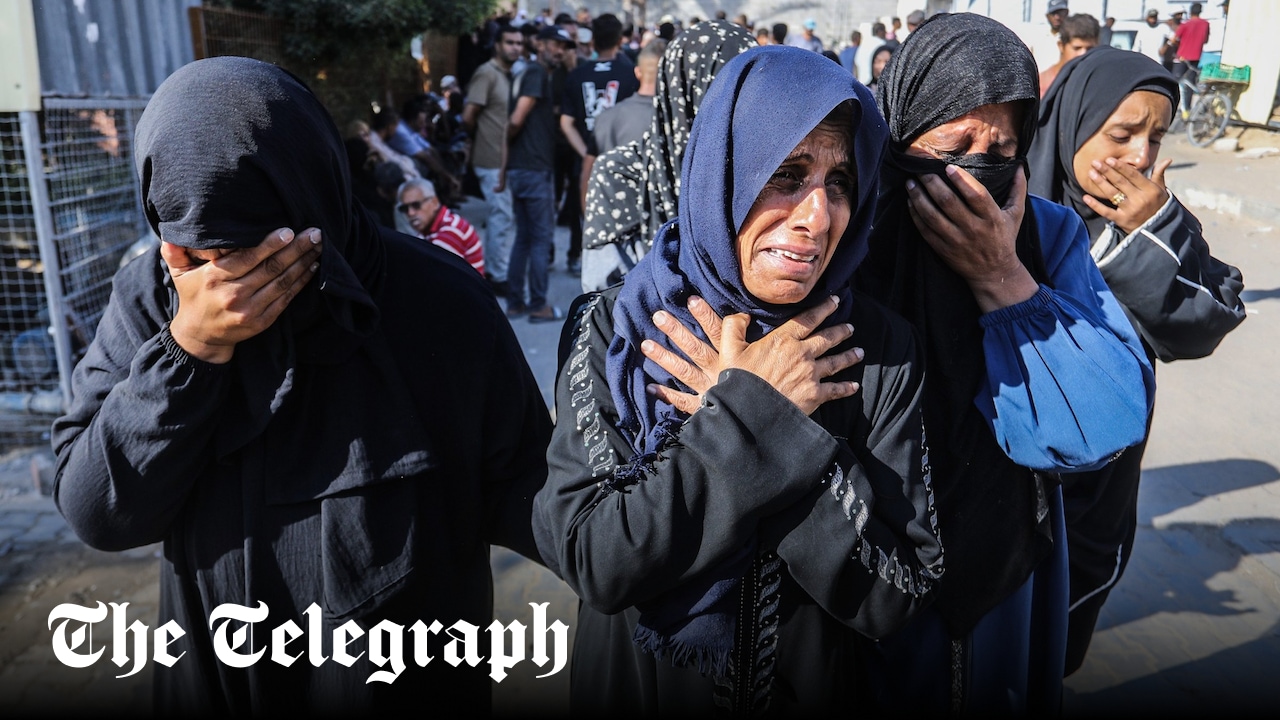
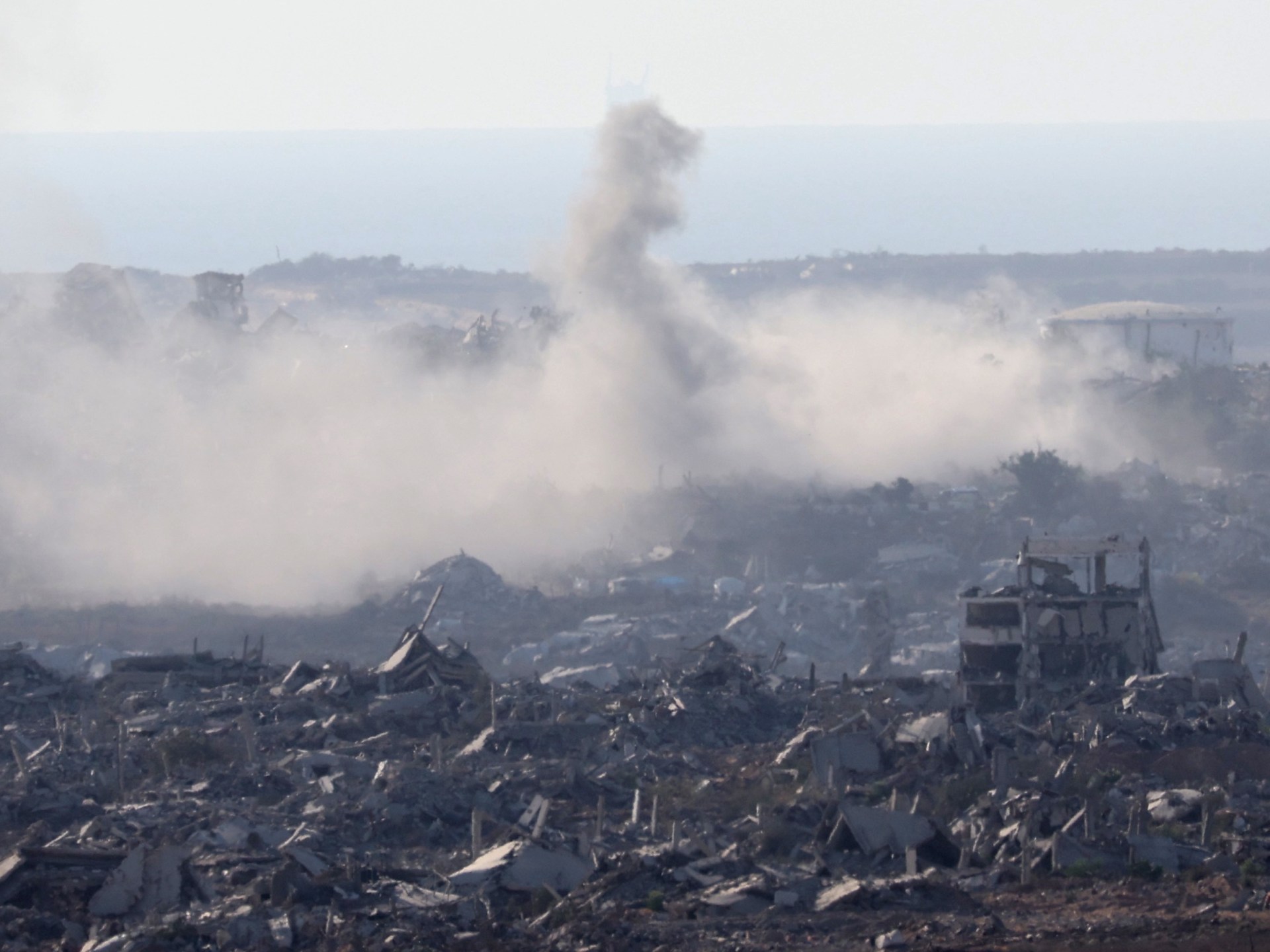
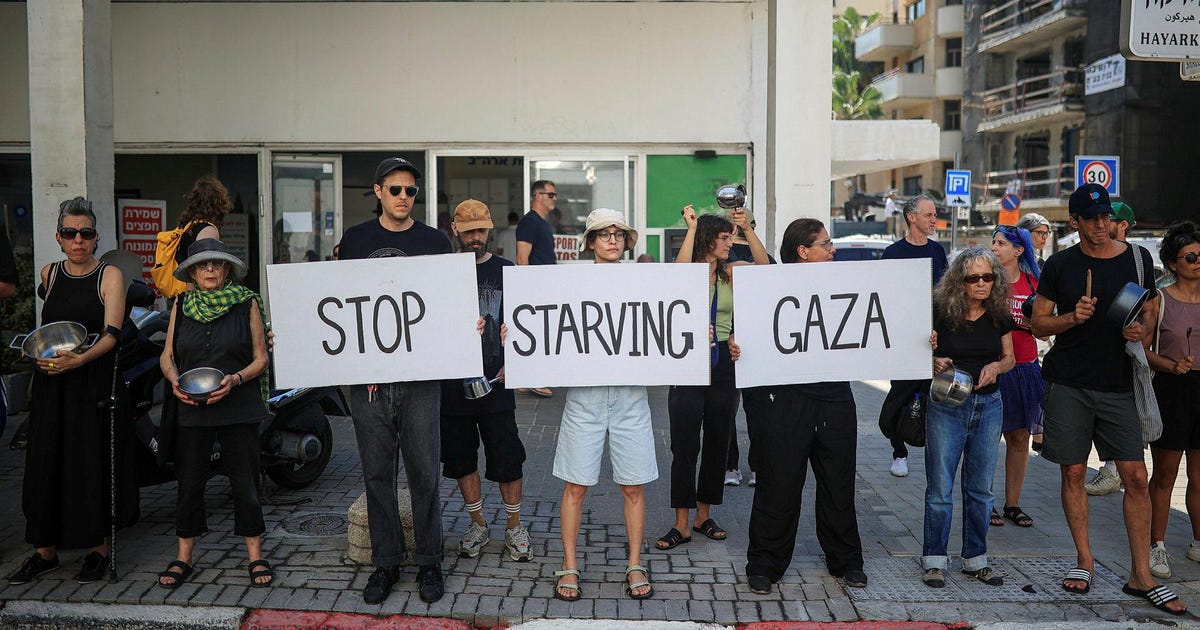
oday, as I look at Gaza and observe, day after day, what is happening there, I am forced to confront a tragic reality: A crime is taking place in Gaza, a crime of genocide. More and more voices, including among historians and Israeli NGOs, have risen to call it such, and I recognize and admire the courage it takes to do so, as seen in the examples of Omer Bartov, Amos Goldberg, B'Tselem and Physicians for Human Rights.
As the world commemorates the Srebrenica genocide of July 1995, which led to the disappearance of 8,000 Bosnian Muslim men and boys and the forced displacement of 30,000 people, I now understand how what once seemed impossible to me yesterday is possible today. I realize that silence, willful blindness and moral paralysis are not merely human weaknesses: They are the very conditions that make genocide possible.
How can we accept to see international organizations sidelined and international law trampled, not to mention the extraordinary pressure brought to bear on international justice? The purpose of all these attacks is to maintain a shroud of silence, because these organizations are specifically mandated to define and name the unnamable.
A clear intention