In this article
Taken from CNBC’s Daily Open, our international markets newsletter — Subscribe today
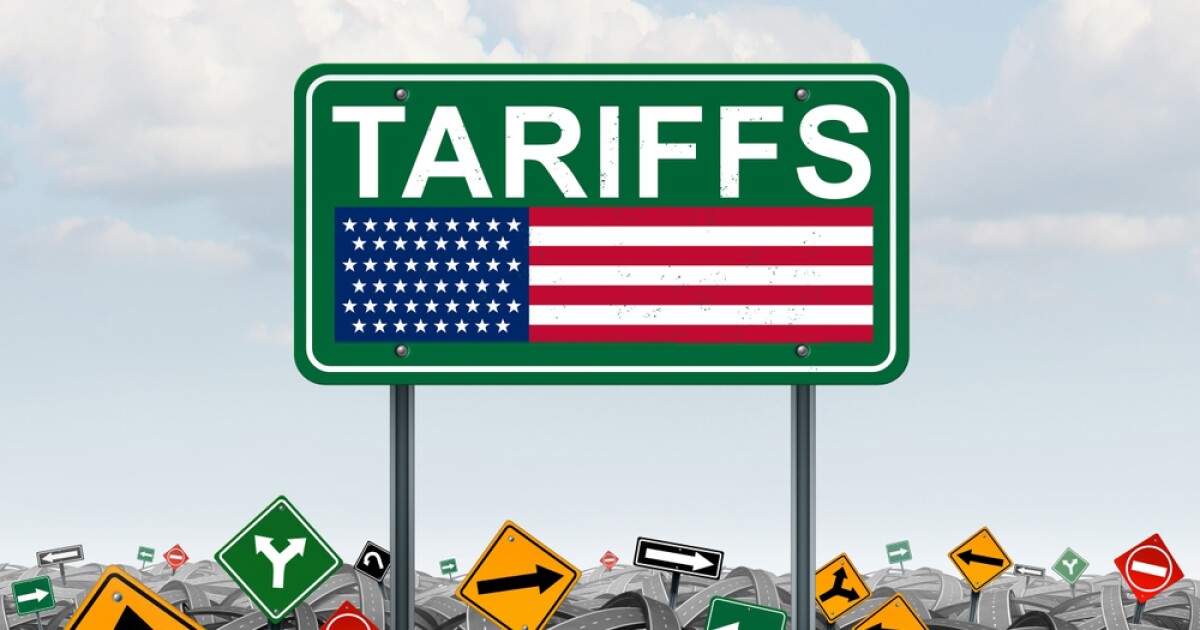
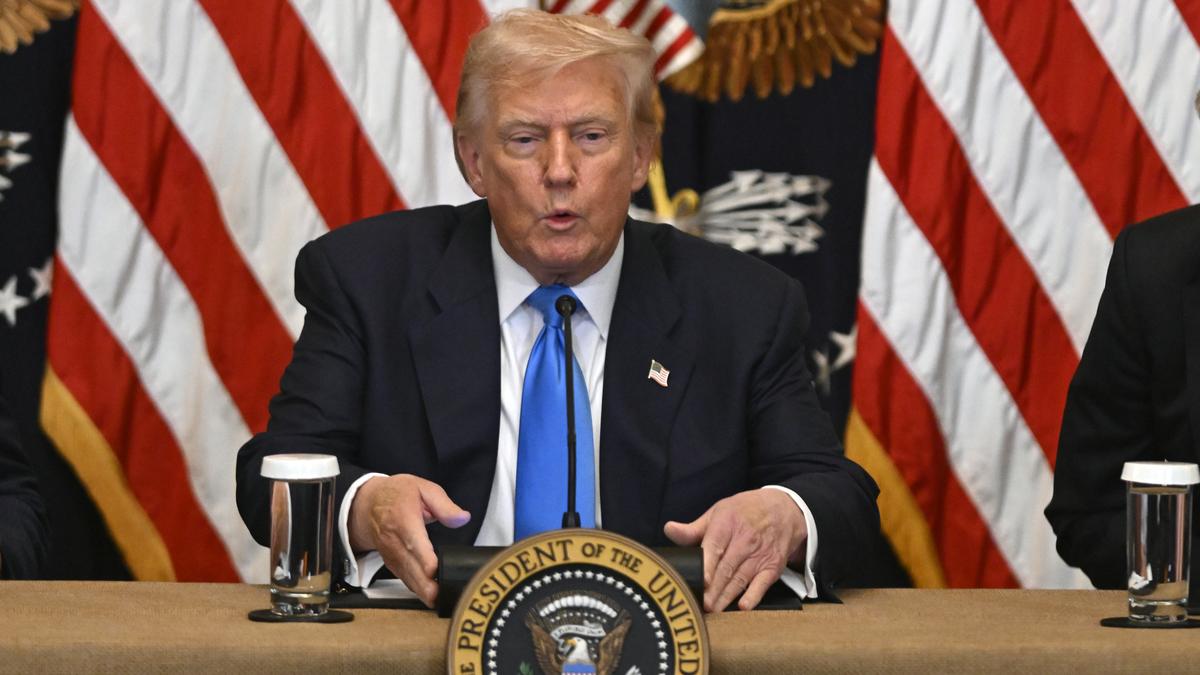
In the frenzied run-up to Friday, Aug. 1 — the day when U.S. President Donald Trump’s new tariffs come into effect (no more delays!) — America’s major trading partners such as Japan, the European Union and now, South Korea, have come to an agreement with the country. All of them will be subject to 15% tariffs on U.S. imports of their goods.
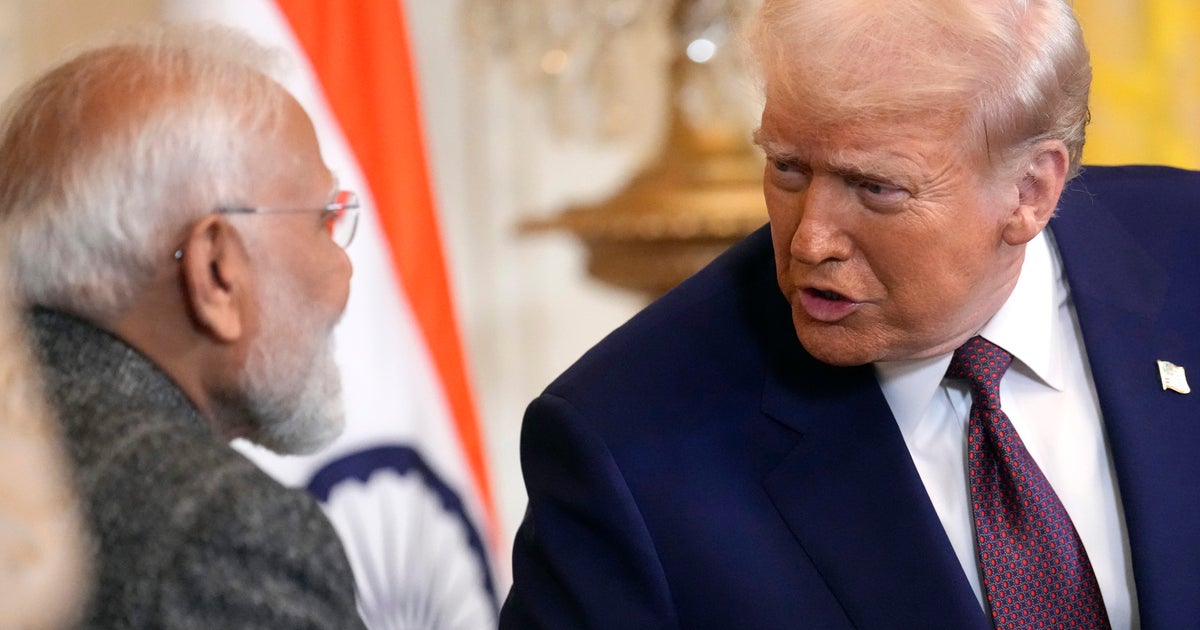
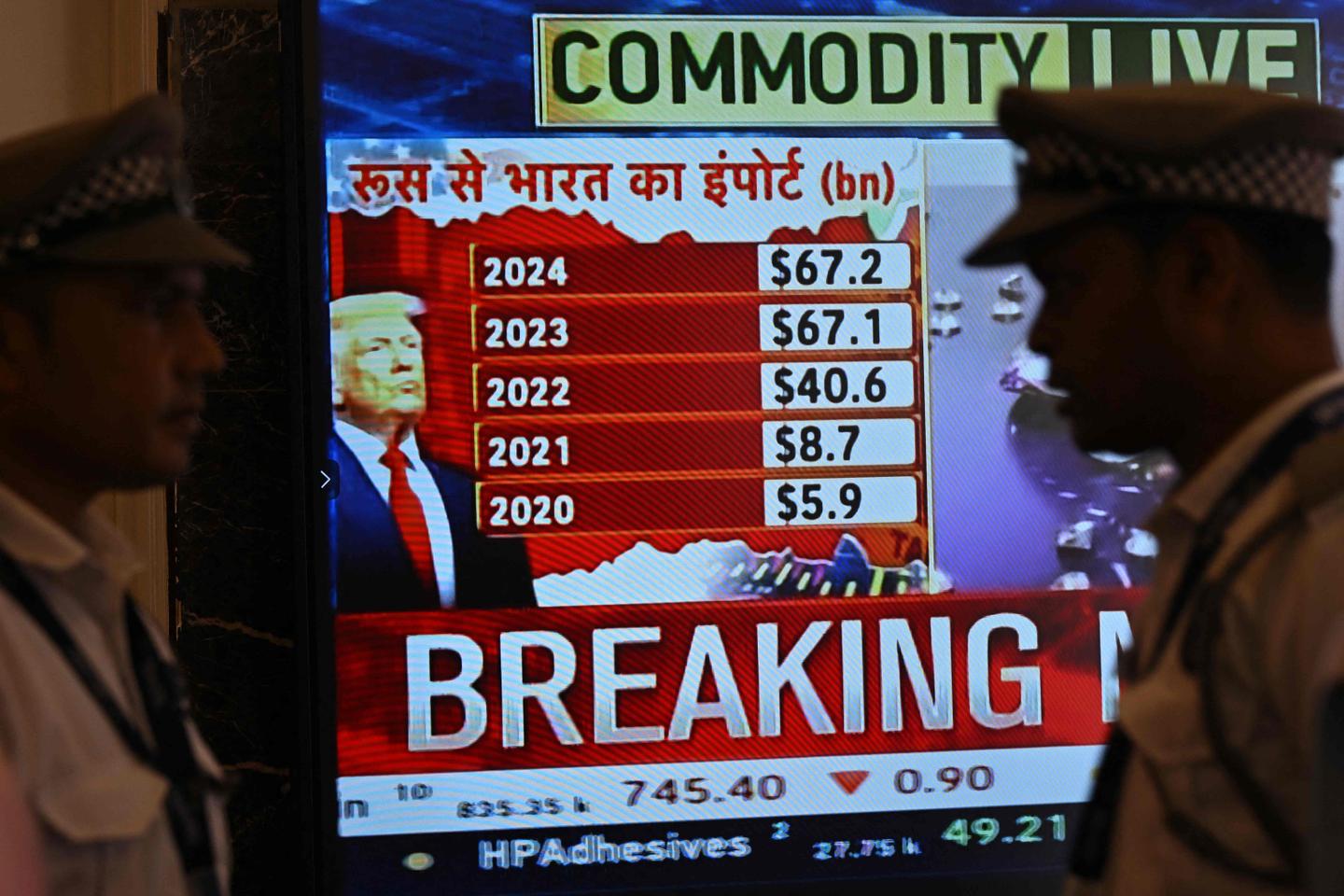
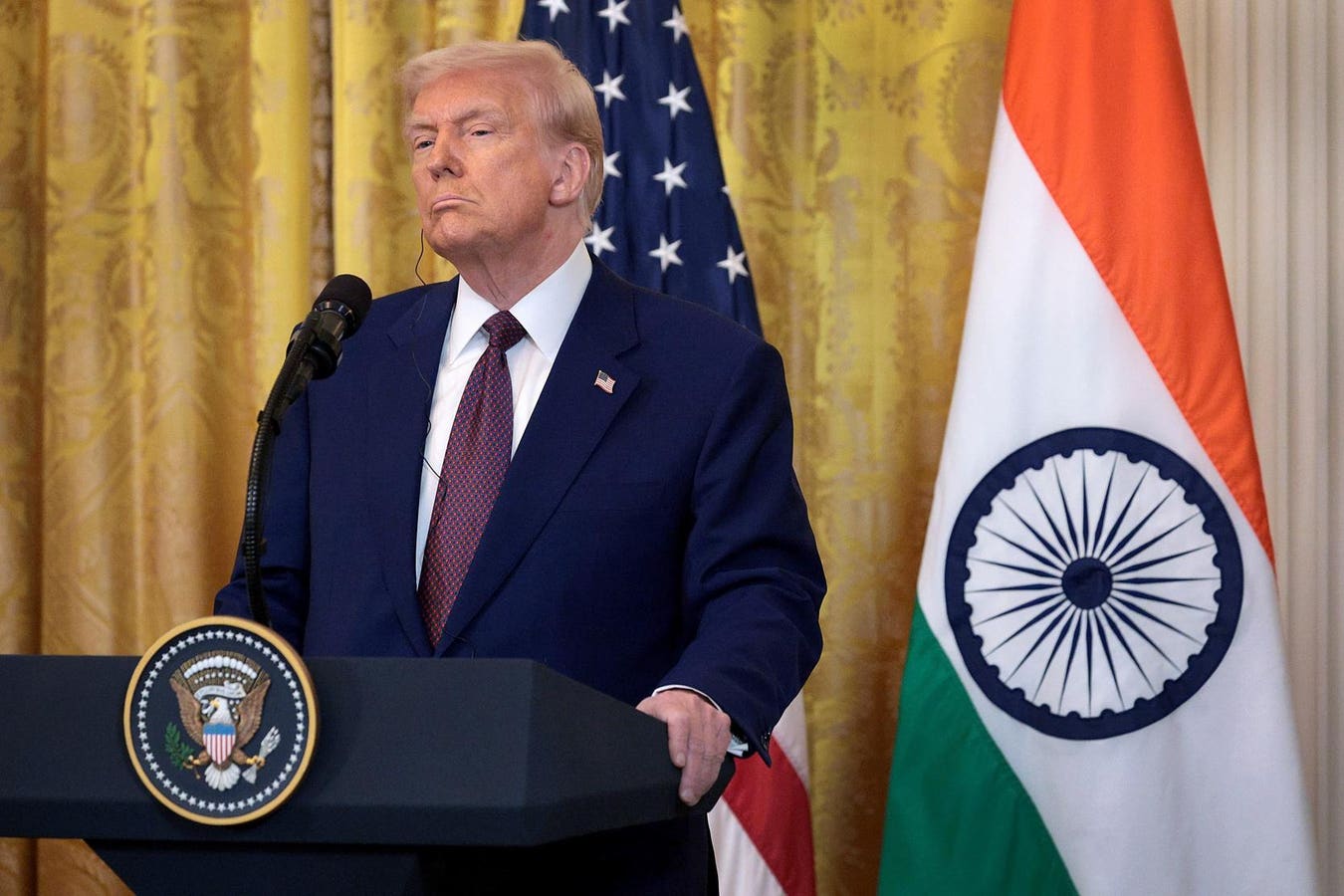
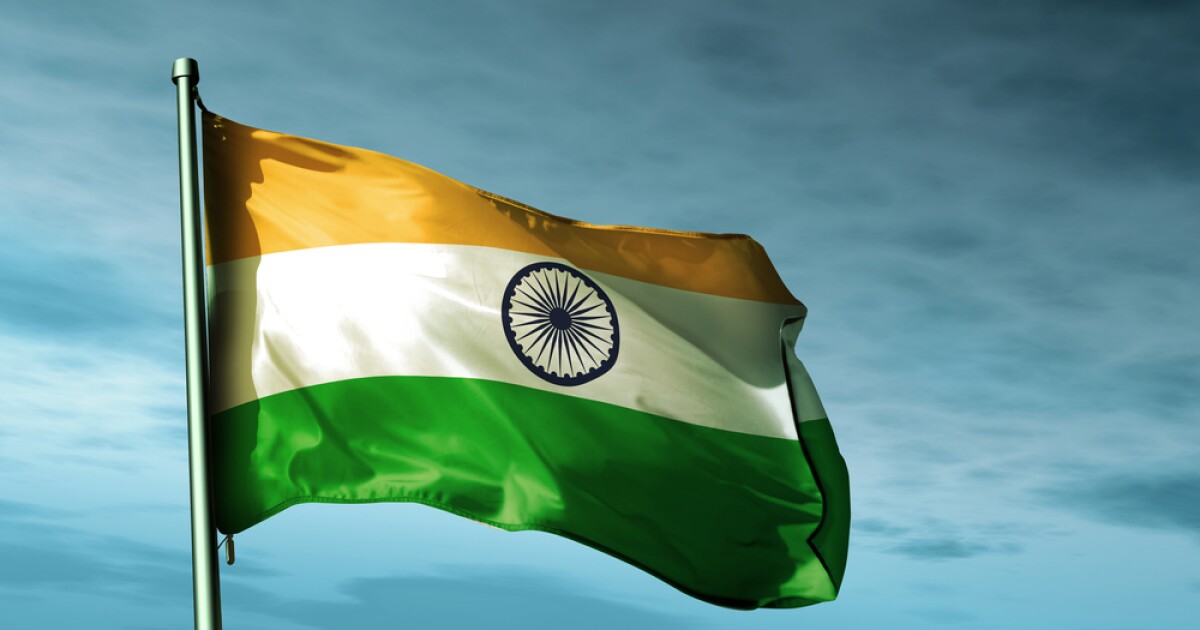
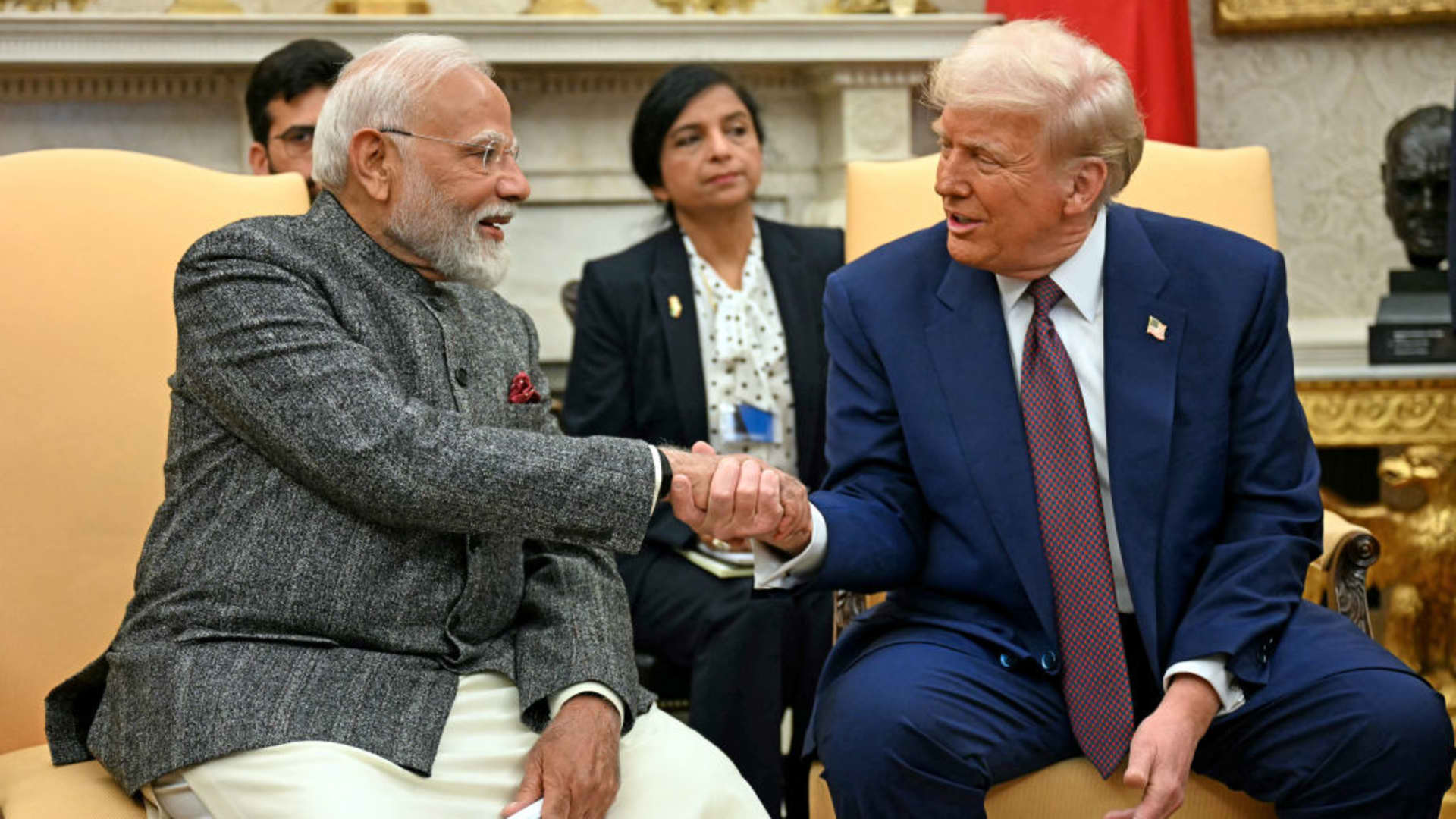
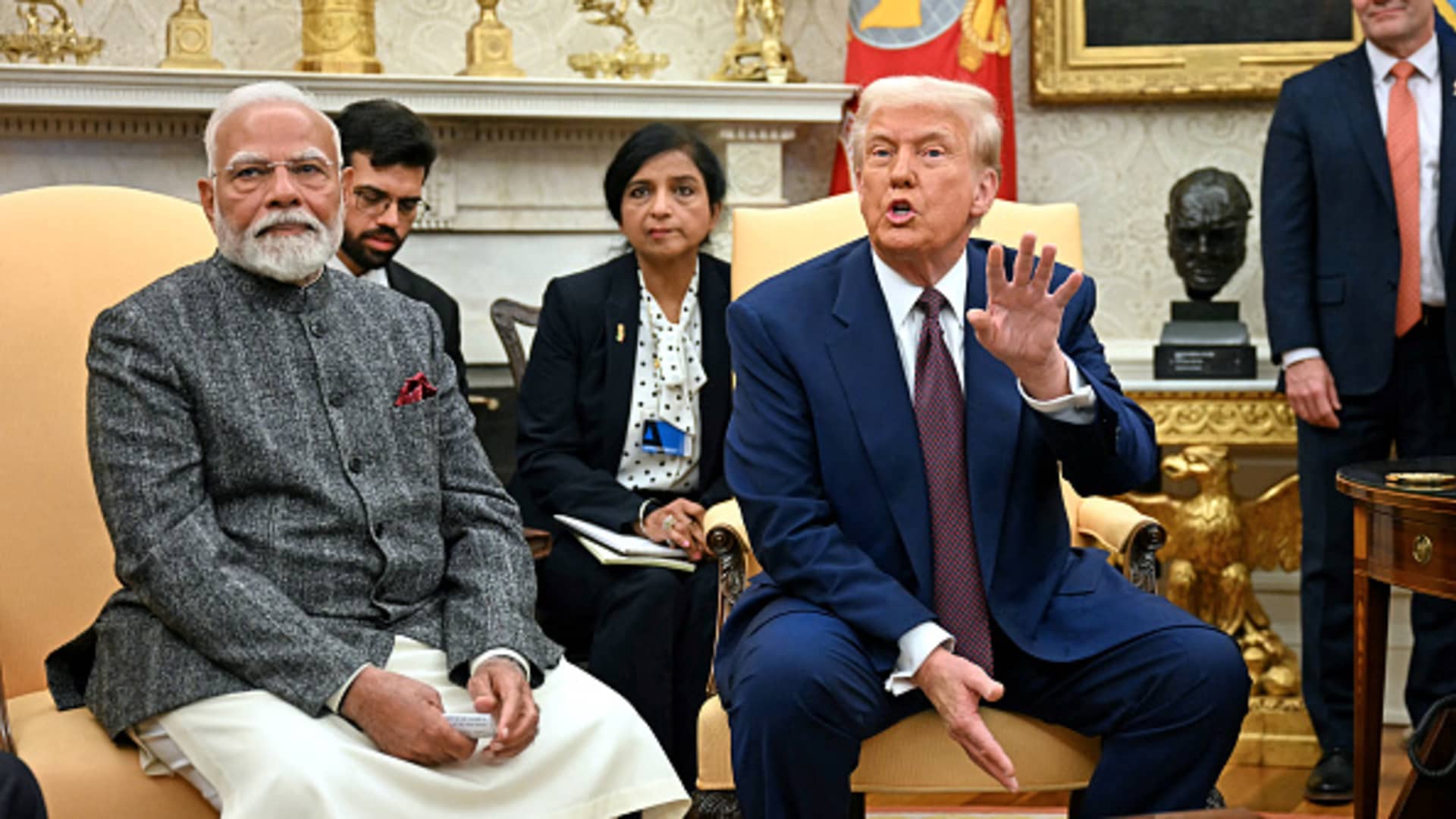
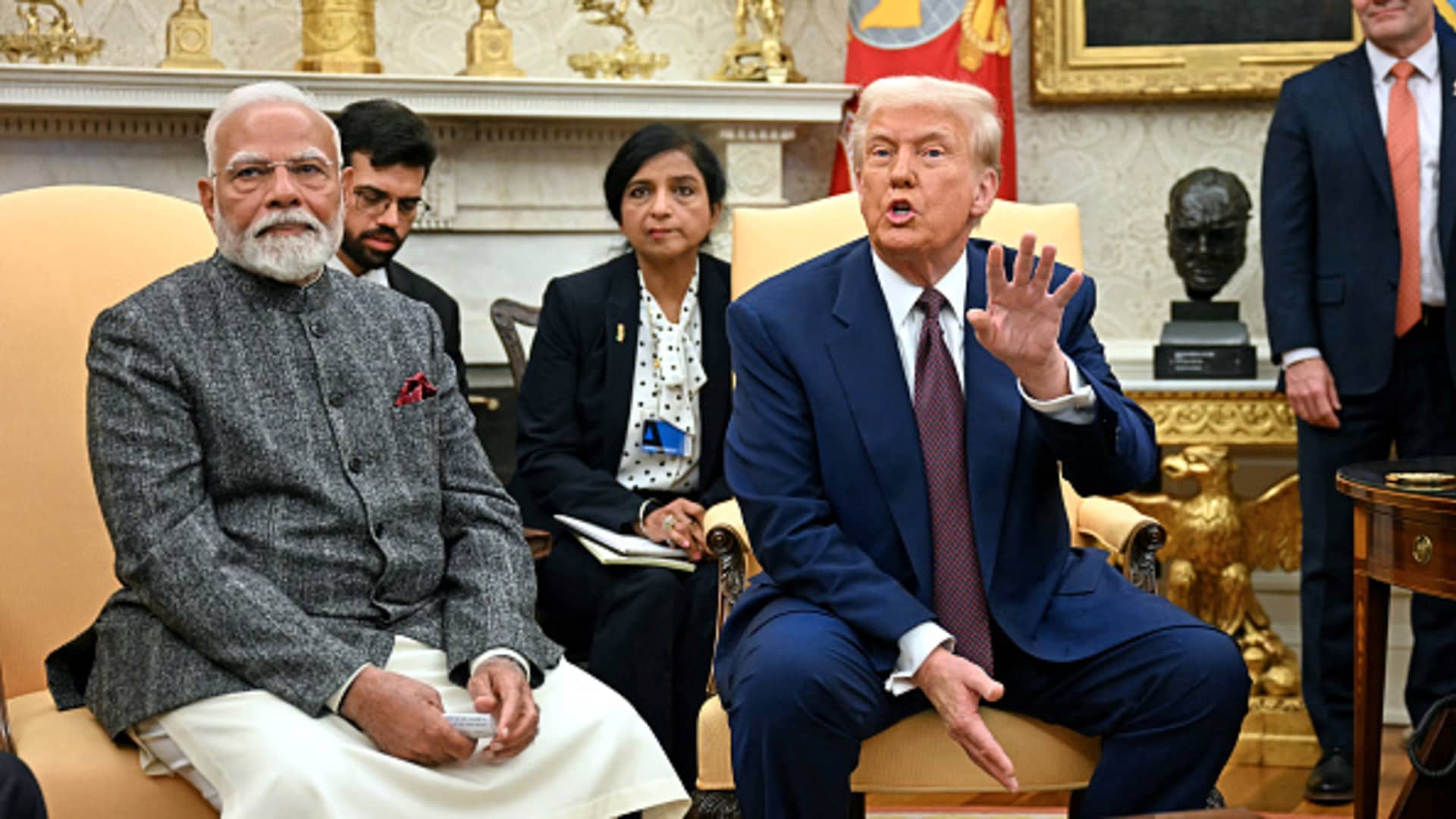
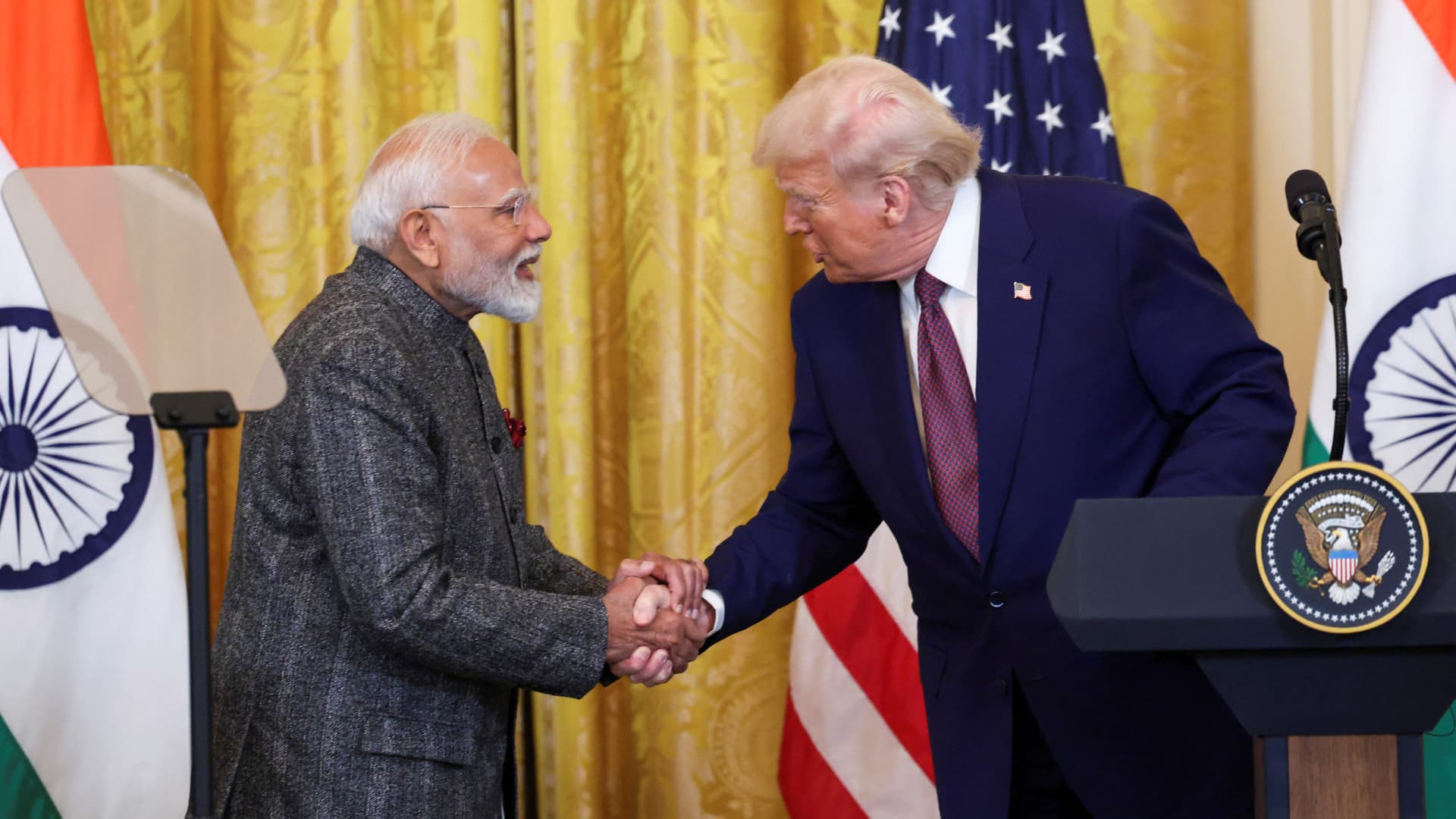
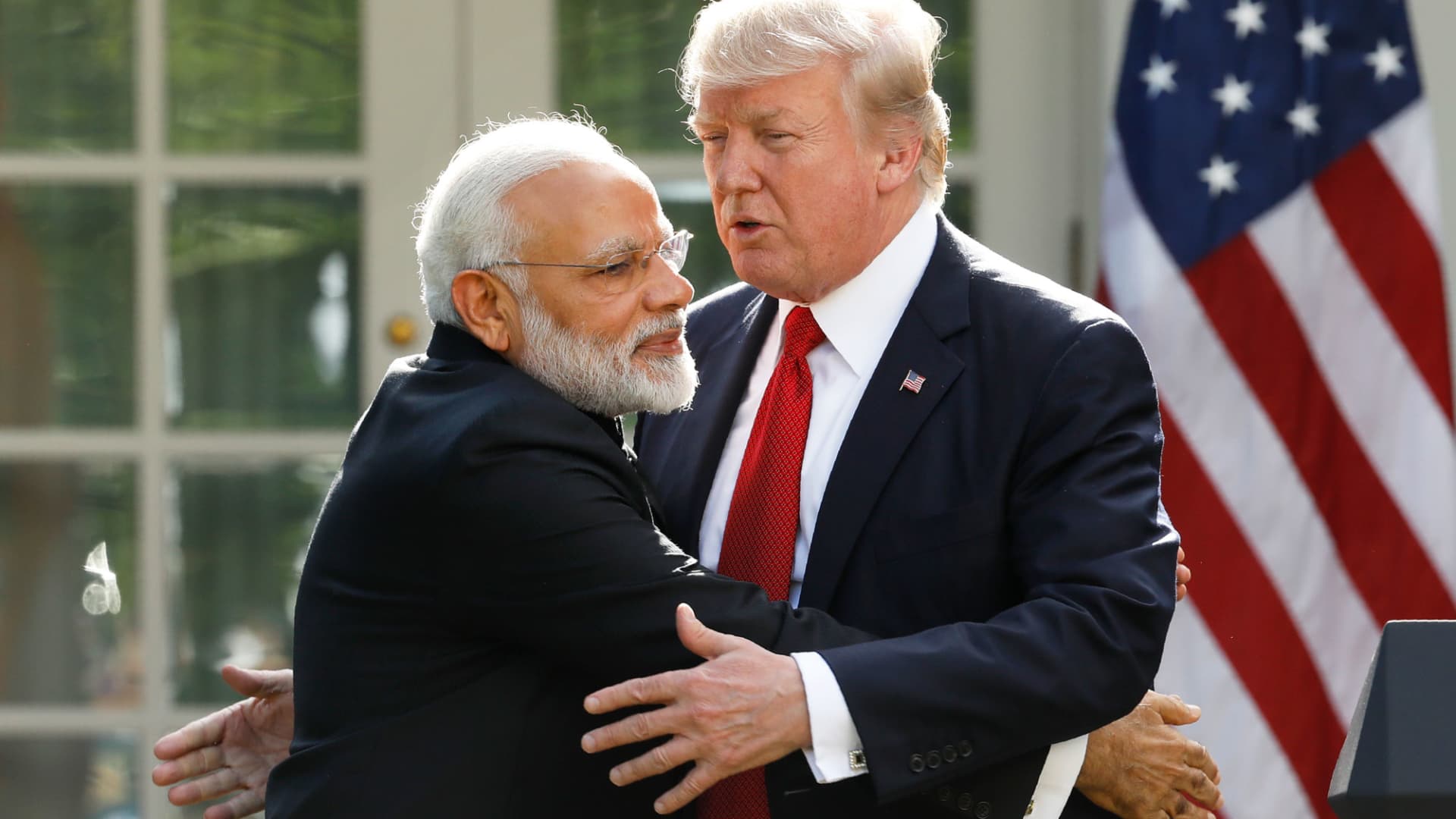
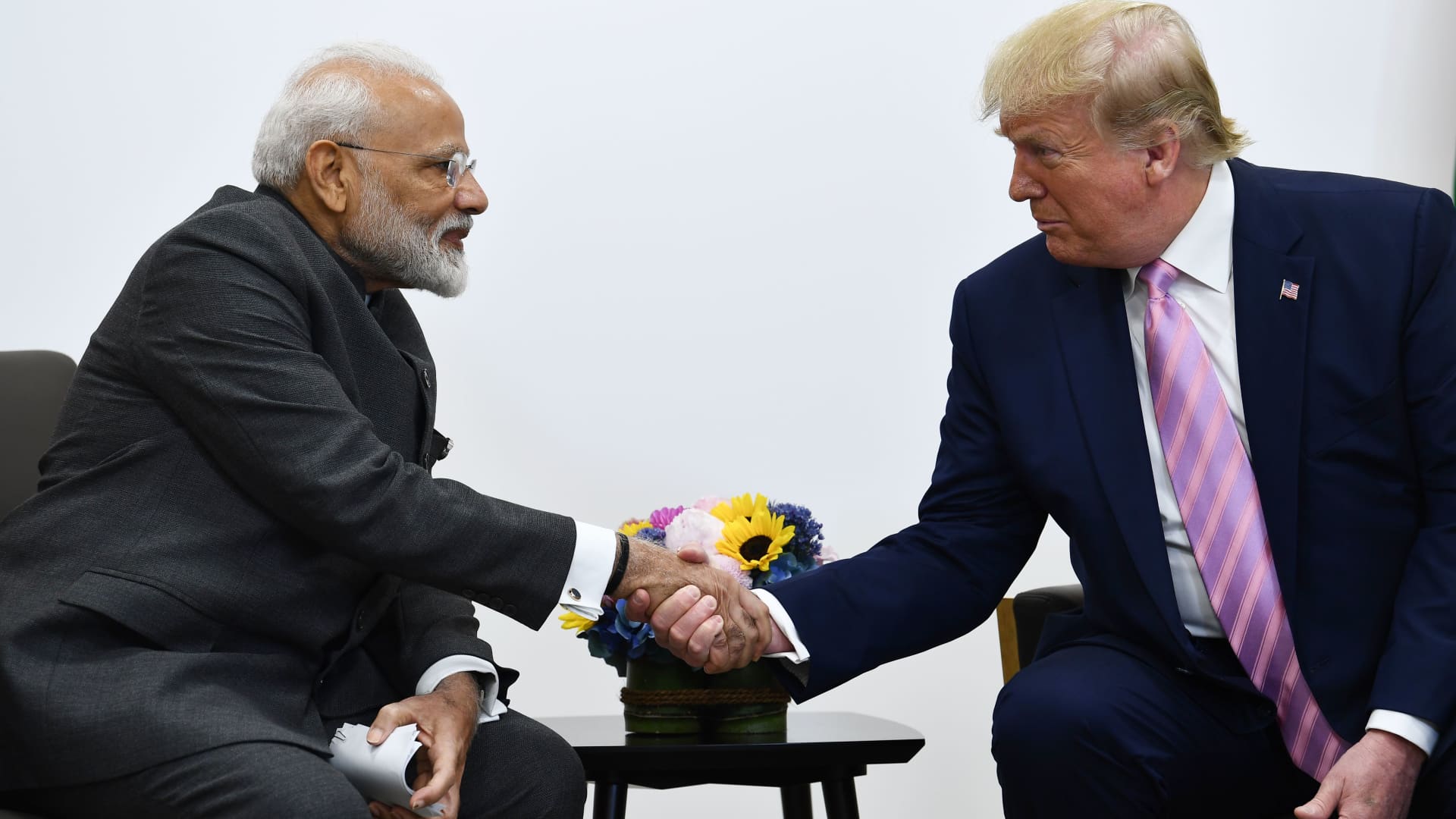
But India? Not only has there not been a deal yet, Trump unilaterally imposed a 25% tariff on the South Asian country — a higher-than-expected number, as analysts had widely expected India to secure a favorable deal with America. Worse, the tariff will exist alongside an additional “penalty,” which Trump said is the price India has to pay for its military and energy transactions with Russia. That essentially sounds like the “secondary tariff” Trump had previously threatened to slap on Moscow.
In doing so, Trump’s actions seem to be suggesting that the White House’s trade policies is not based simply on the balance of trade, as Trump is fond of bringing up, or even how much he likes you — see his admiration of the U.K.’s King Charles and the country’s 10% tariff rate.