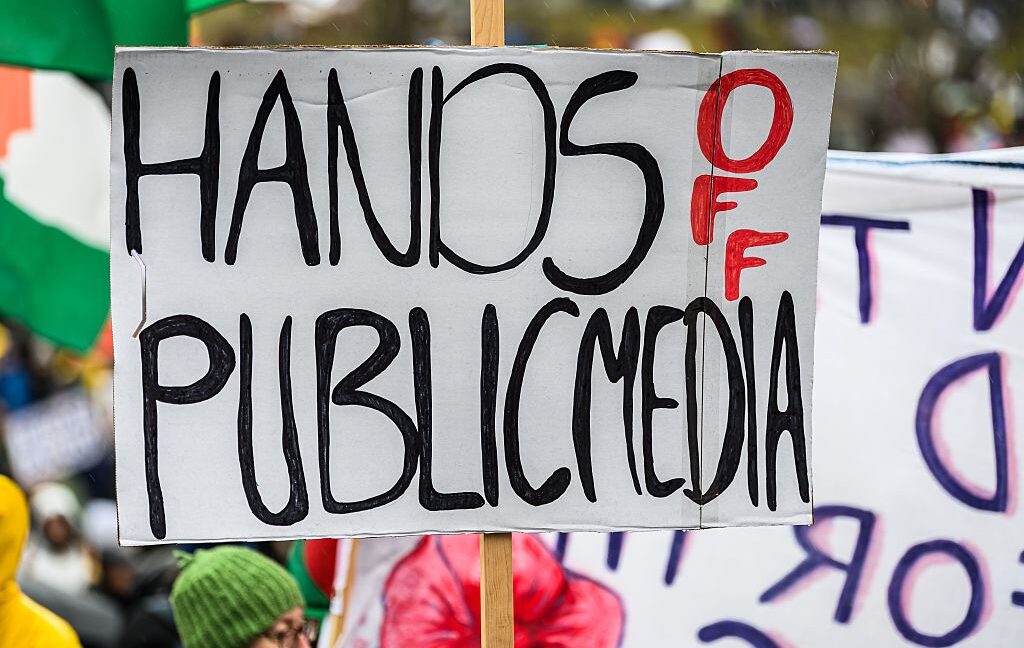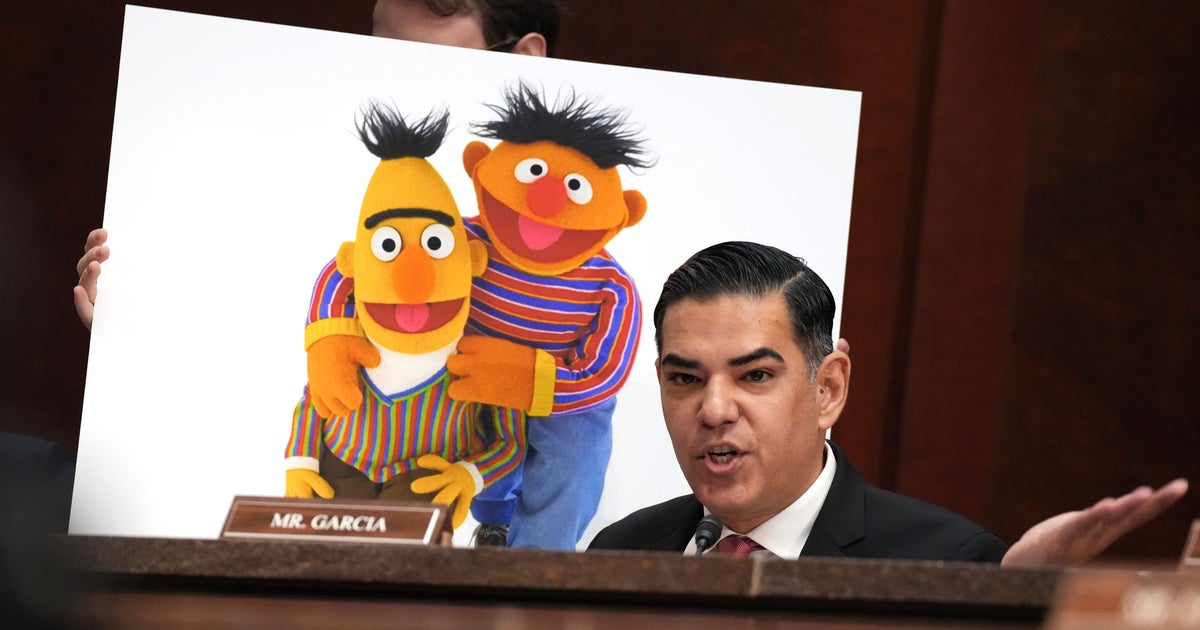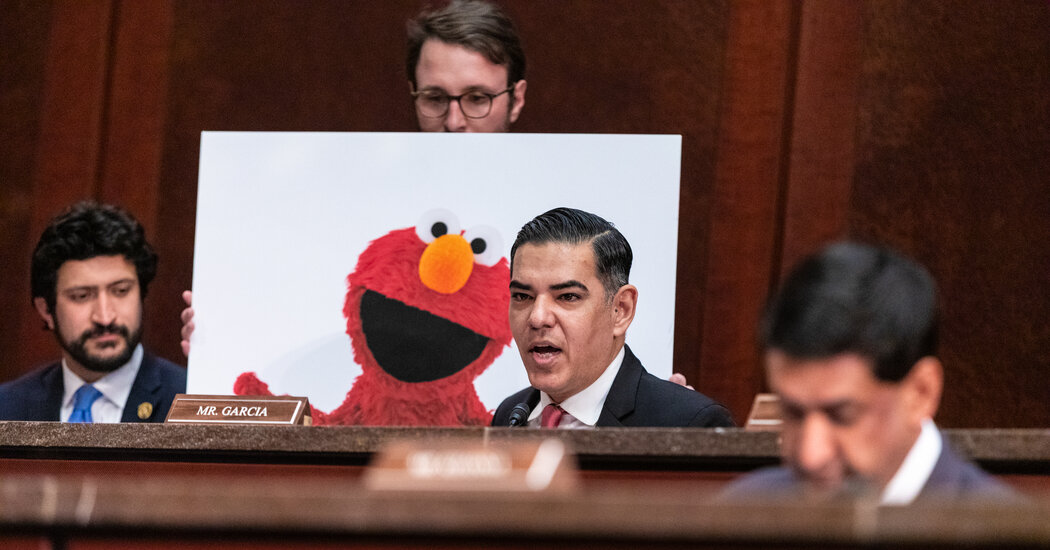
July 30 (UPI) -- Publicly funded radio and television broadcasts bring news and emergency alerts to rural and underserved populations and the congressional rescissions bill will have some at risk of going off air.
The U.S. Senate passed the rescissions bill earlier this month, peeling back about $9 billion in funding for public broadcasting, foreign aid and other services as recommended by the Department of Government Efficiency. The decision could lead to growing news deserts as rural communities lose what is often their main source of local coverage and critical information.
For public broadcasting, the bill cuts the funding allocated for fiscal years 2026 and 2027. For fiscal year 2026, $535 million had been approved in the appropriations bill passed in March 2024. Earlier this year, Congress approved $535 million in funding for fiscal year 2027.
Public broadcast funding is directed by the Corporation for Public Broadcasting. It is a private, nonprofit organization that was authorized by Congress to oversee government public media funds in the Public Broadcasting Act of 1967. Funding is distributed to more than 1,500 public television and radio stations.
"The vote by the U.S. Senate and House to eliminate federal funding for the Corporation for Public Broadcasting will have profound, lasting, negative consequences for every American," Patricia Harrison, CEO of the Corporation for Public Broadcasting, said in a statement. "Without federal funding, many local public radio and television stations will be forced to shut down. Parents will have fewer high quality learning resources available for their children. Millions of Americans will have less trustworthy information about their communities, states, country, and world with which to make decisions about the quality of their lives."