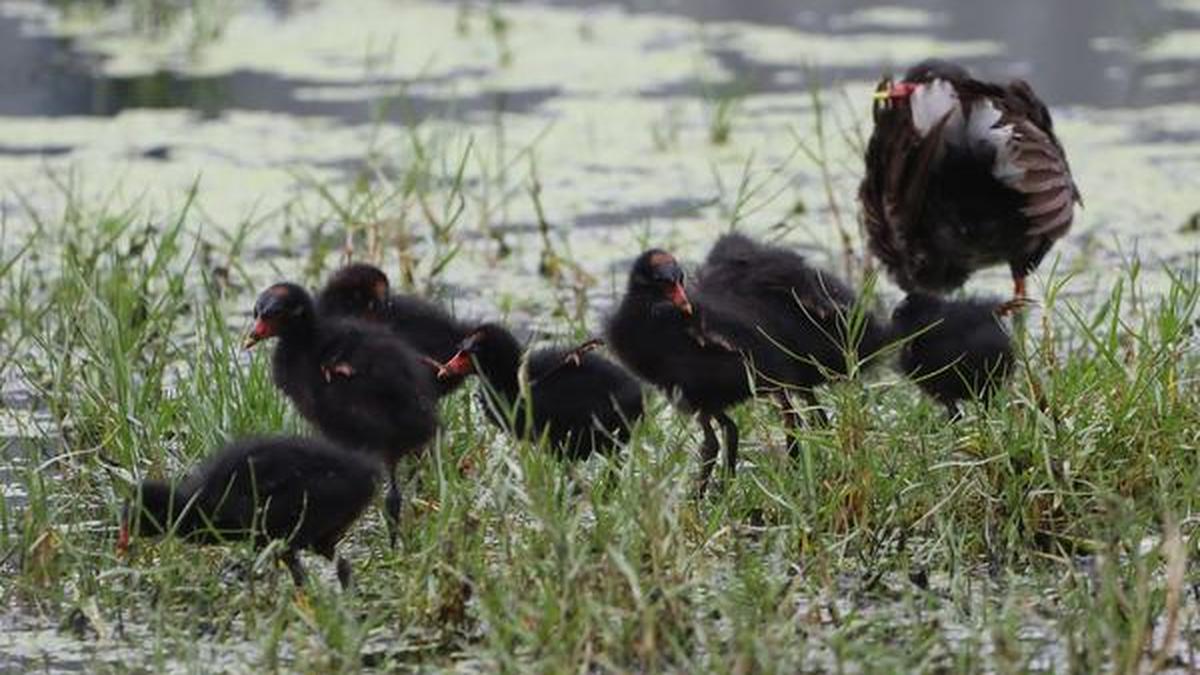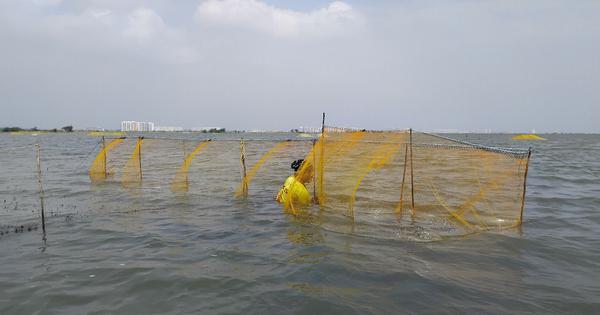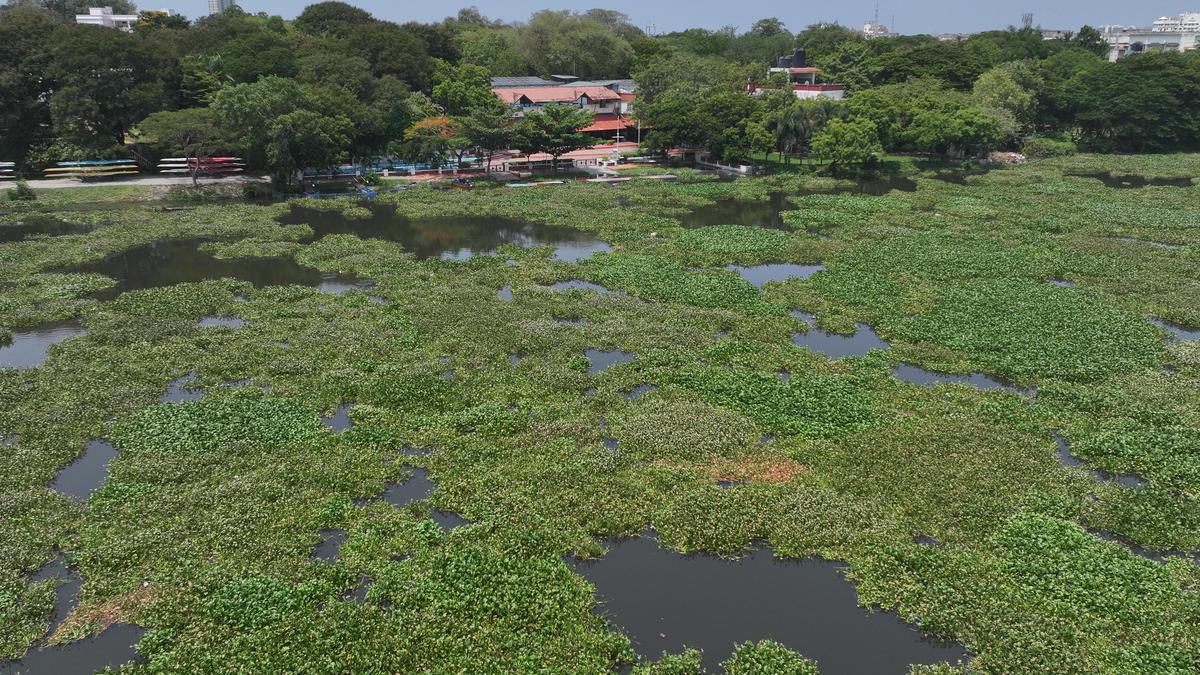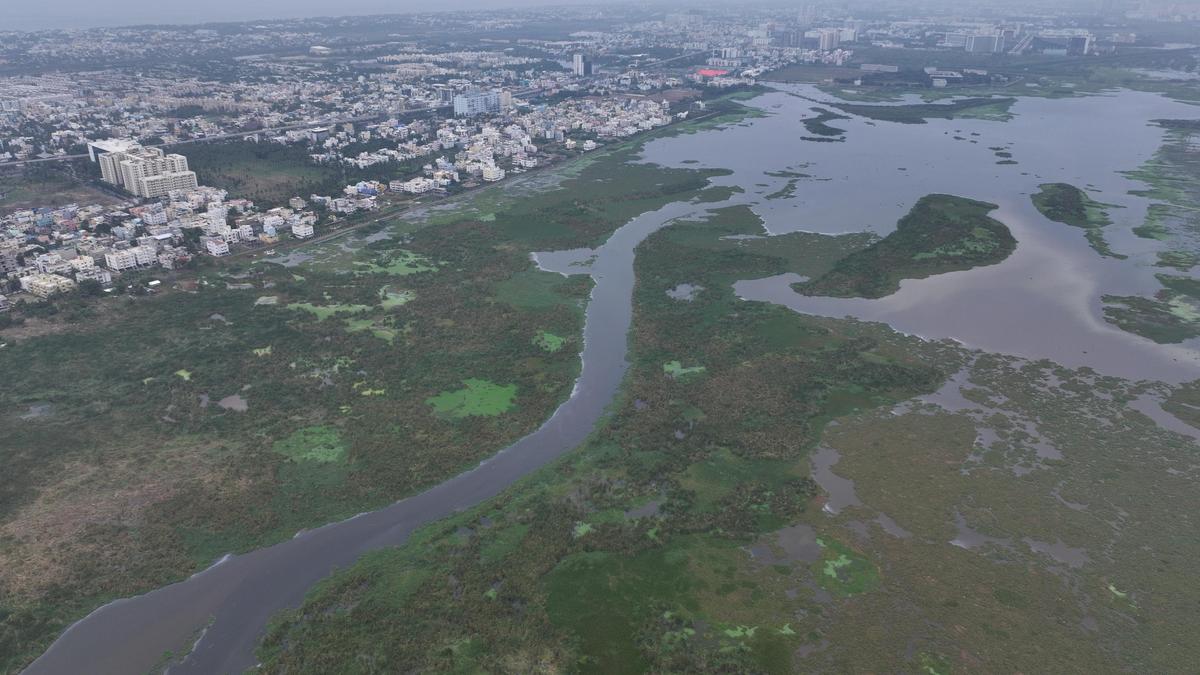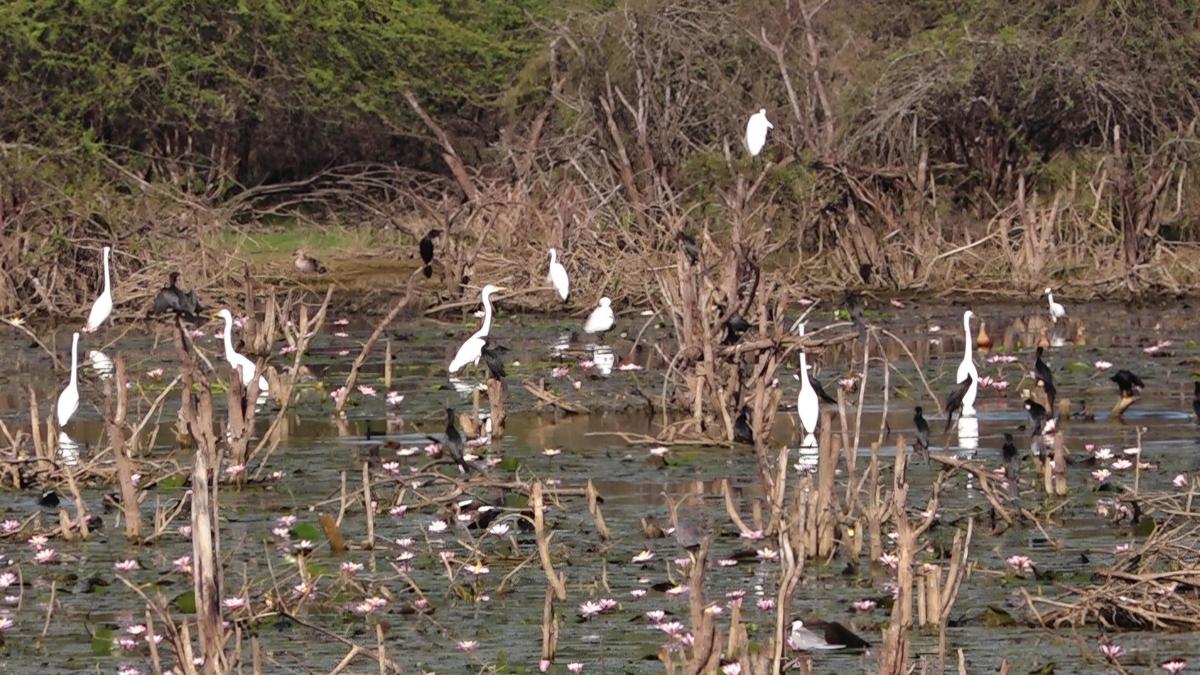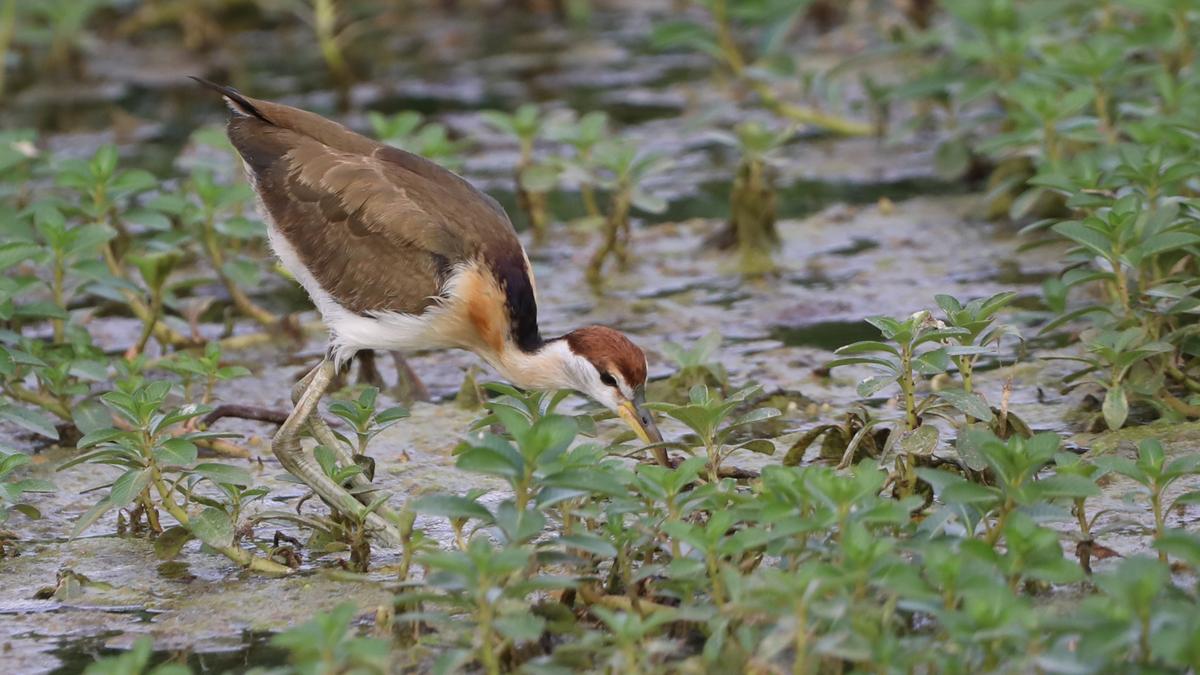
The bronze winged jacana is in attendance where it is expected to be — wetlands removed from human presence. And also in places where you do not expect it to be — spaces that are hugely defined by human presence. That status report follows a study of wetlands as well as densely-populated residential neighbourhoods cheek by jowl with these wetlands in the Chennai Metropolitan Area.
Provide the bronze winged jacana with a space of moderate dimensions that offers the qualities of a wetland including a mat of aquatic vegetation (which specifically is the point of this report), and it would be as much at home as any human homebody would be. This space could even be hemmed in by two compound walls built by human hands, but that is immaterial to the bronze winged jacana. But do not get it wrong — the bronze winged jacana still has the timorousness of the European Dwarf Angora. The bird has not taken leave of its amyglada, the part of the brain that whips up the fear response. When prying eyes are around, it would still duck of sight, disappearing into the vegetation. Whatever we had known about this bird in and around Chennai is not outdated syllabus. But there is a resilience to the bird that seems refreshingly new — or rather, getting newer by the day.