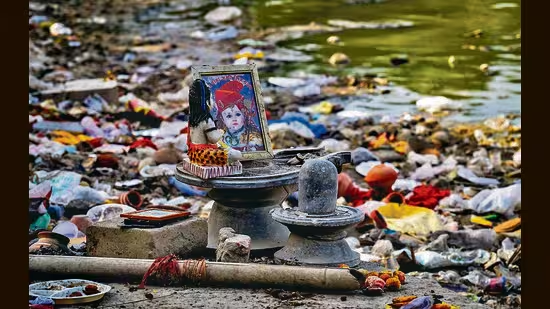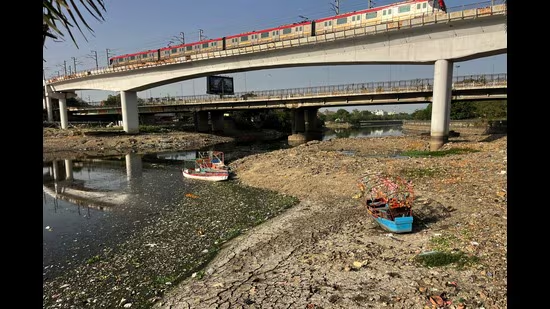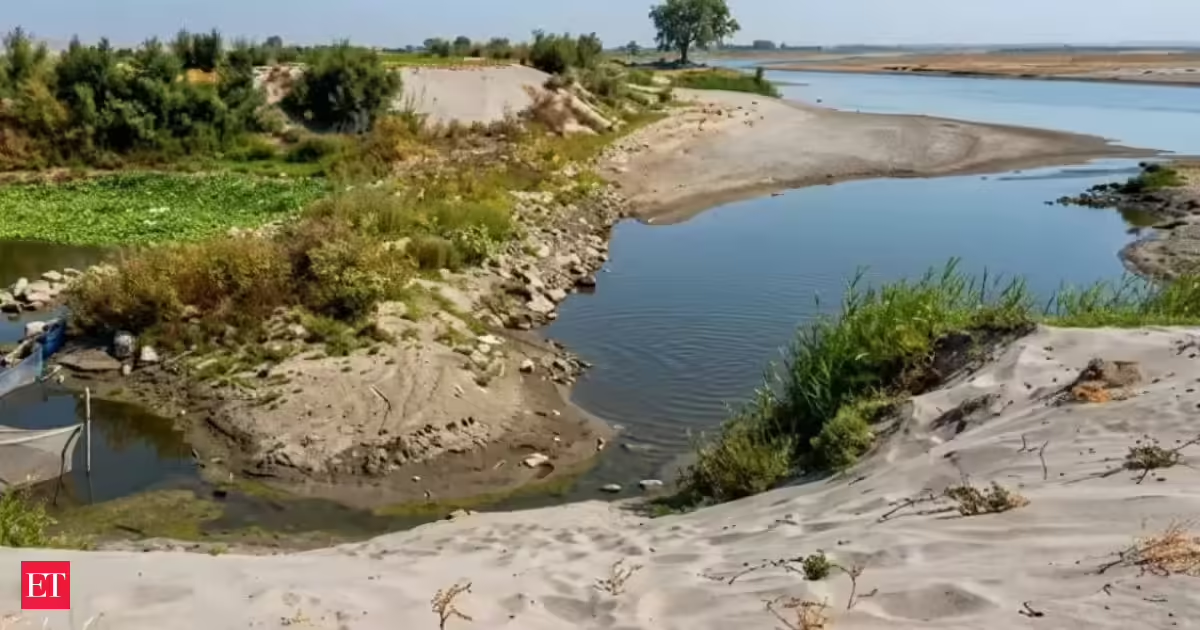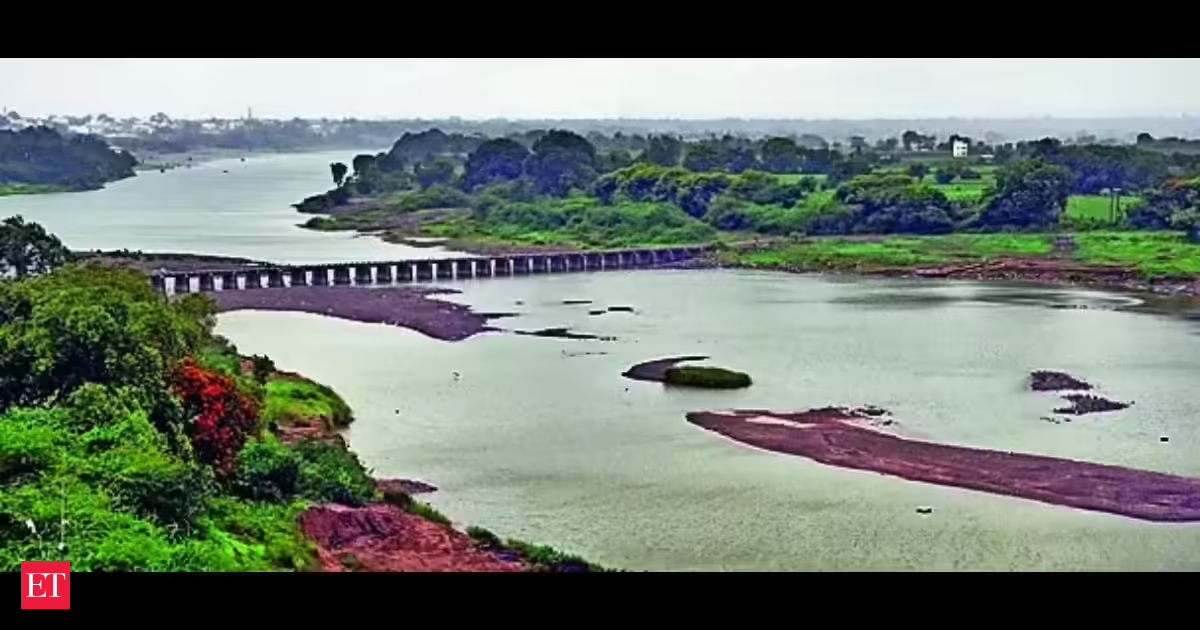
The Yamuna along Panipat’s Khojkipur village is dry, leaving the riverbed exposed. A flock of birds – resident species of cormorants and herons – has gathered around a pool of residual water in the river on a hot June afternoon. There are also some migratory gulls. The birds, in search of food, occasionally break the silence with their croaking and keow calls.
A large herd of cows and buffaloes, almost figurines from a distance, graze on the sparse greenery on the riverbed. Rajbir, a paali (cowherd) in his mid-30s, keeps an eye on the herd from under a tree on the riverbank. Like most people in India’s plains, he waits for the monsoon to set in. For Rajbir though, it is not the heat that’s disturbing. He is worried about his cattle frequently falling sick after they cool off in the pools of leftover Yamuna water.
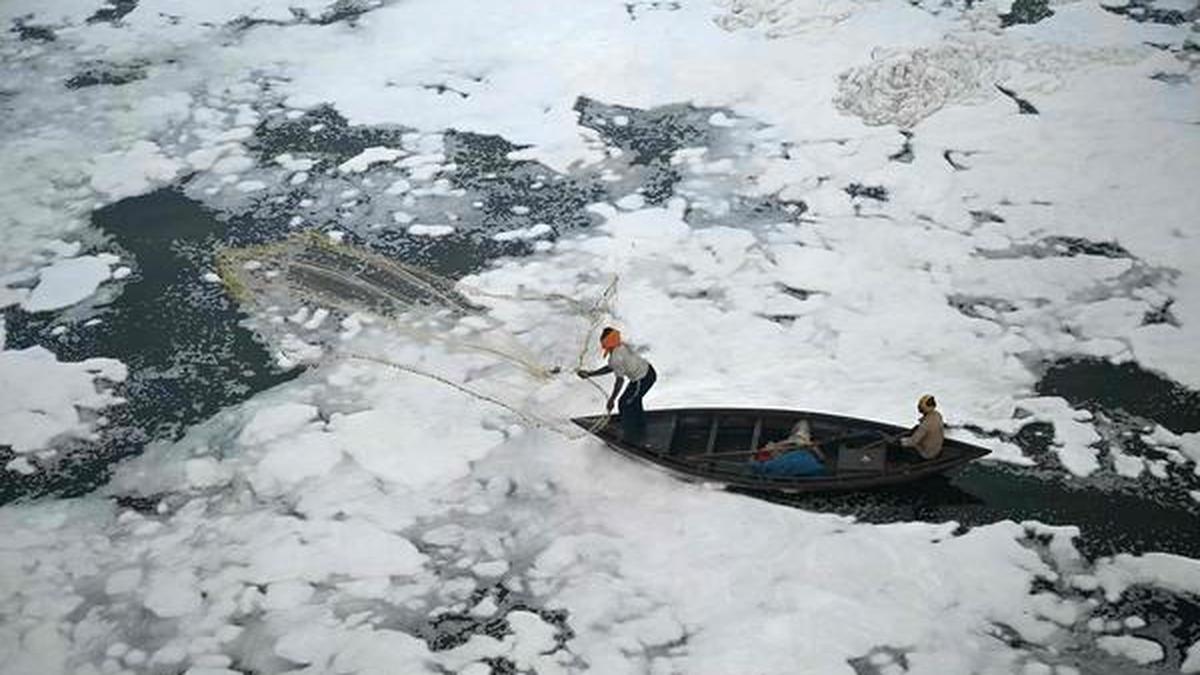
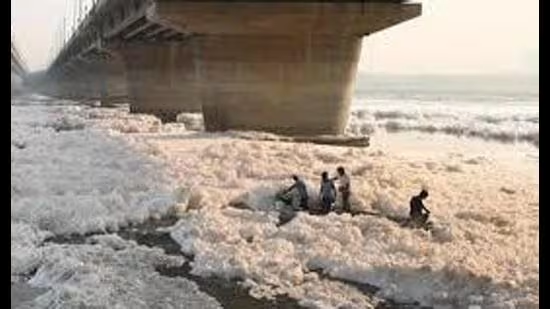
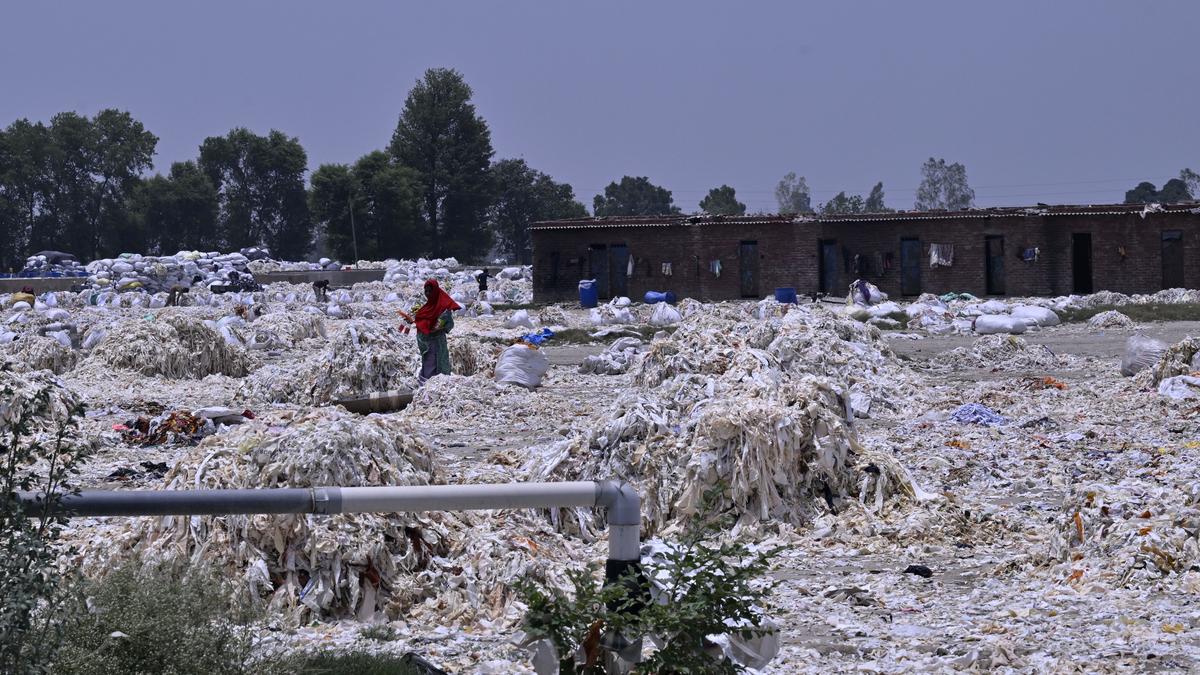
“The nallah (Drain No. 2) carrying effluents from factories in Panipat city falls into the river just ahead of our village, contaminating it with hard chemicals. With the onset of the monsoon, the water flow goes up in the river, diluting these chemicals and mitigating their harmful effects,” explains Rajbir. Cattle cool off in a pond in summer, but there is none in the village, he grumbles. A gamcha is tightly wrapped around his head, one end of it held firmly in his teeth to protect his head and face from the temperature that has crossed 40 degrees Celsius.