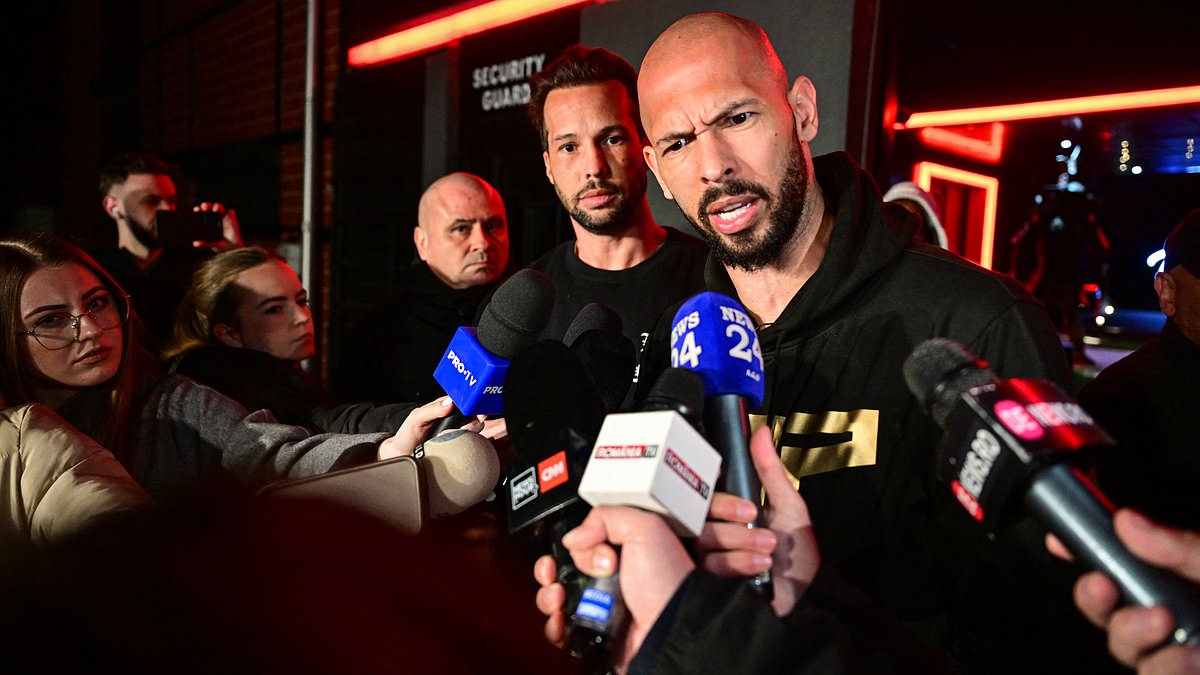
Hong Kong experts discuss the impact of the cyberbullying and misogyny of followers of Andrew Tate, against the wider influences in a society encouraging more nuanced versions of masculinity
Dr Jeffy Ho, lead clinical adviser at Mind Hong Kong, explains that masculinity in Hong Kong is shaped by a mix of traditional Chinese values of filial piety, stoicism and duty, along with Western influences of independence, assertiveness and emotional openness. Dr Ho’s work with Mind Hong Kong includes oversight of the Improving Access to Community Therapies programme*, which offers low-intensity psychological support sessions from trained well-being practitioners, including school-based services made available to students. These programmes are designed, among other things, to “help teens build skills for navigating peer and adult relationships [...] and cope with the social pressures that arise from all situations, which may include gender expectations”.
Ho says there are common narratives around masculinity, including “men as providers and protectors, [and] emotional restraint, toughness and academic or professional success as markers of male worth and leadership, confidence and competitiveness – as well as avoidance of traits considered ‘feminine’”. Adolescent identities form as the result of a complex mix of biopsychosocial changes, he explains. “These intersecting factors [...] make it even more challenging to navigate what it means to be a man,” he adds.