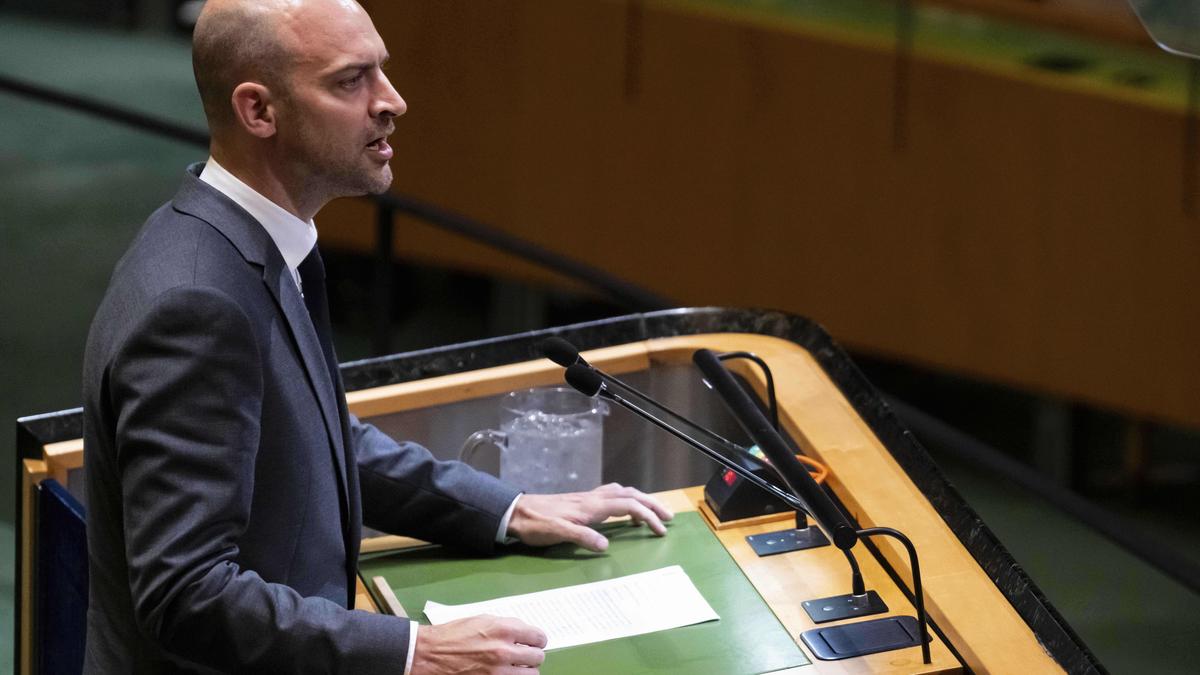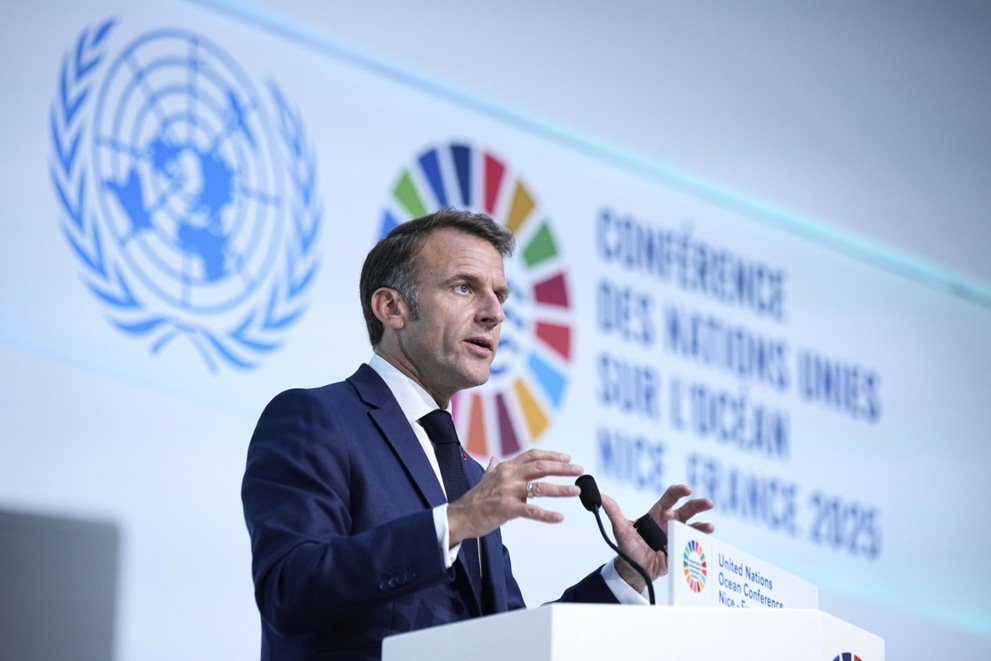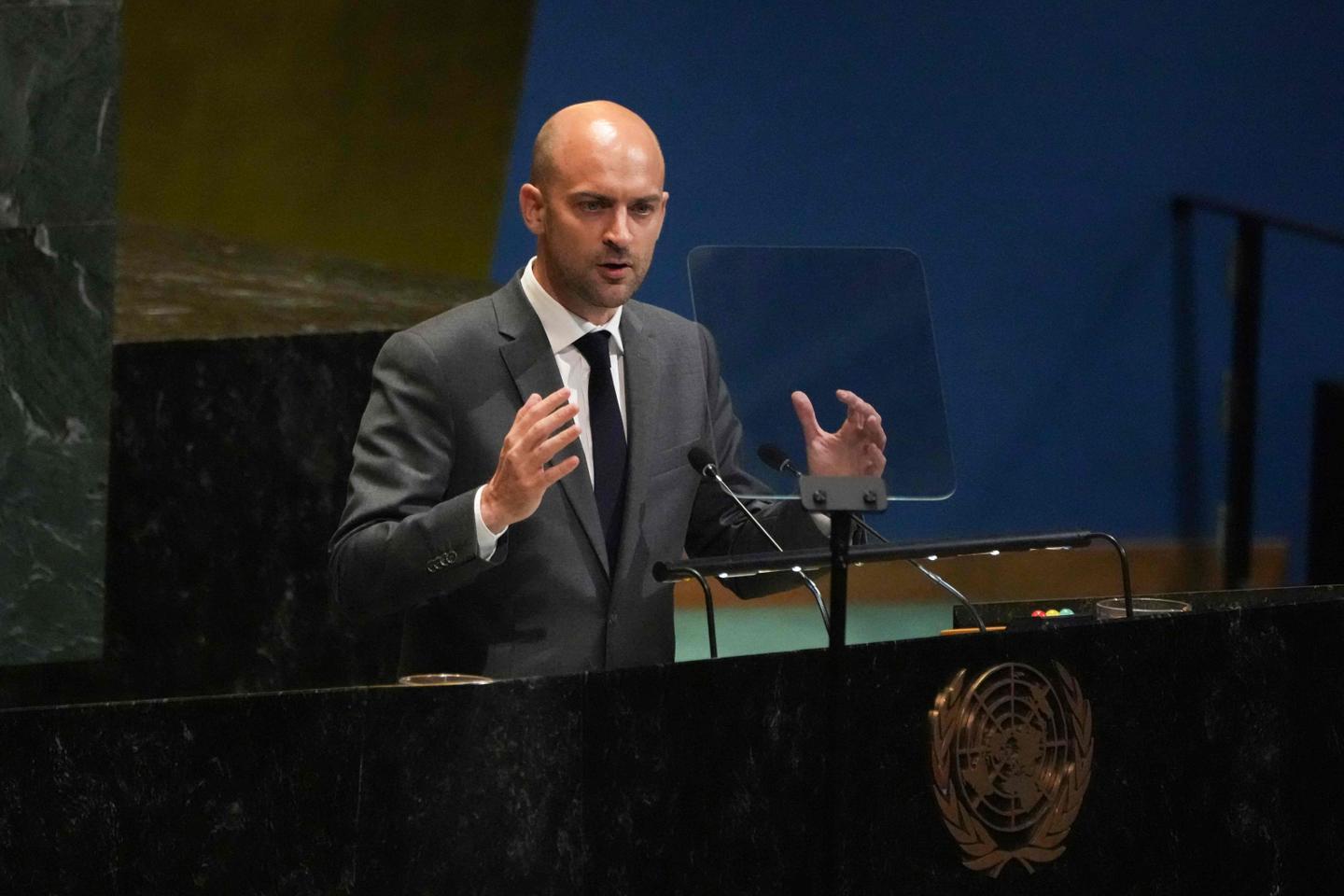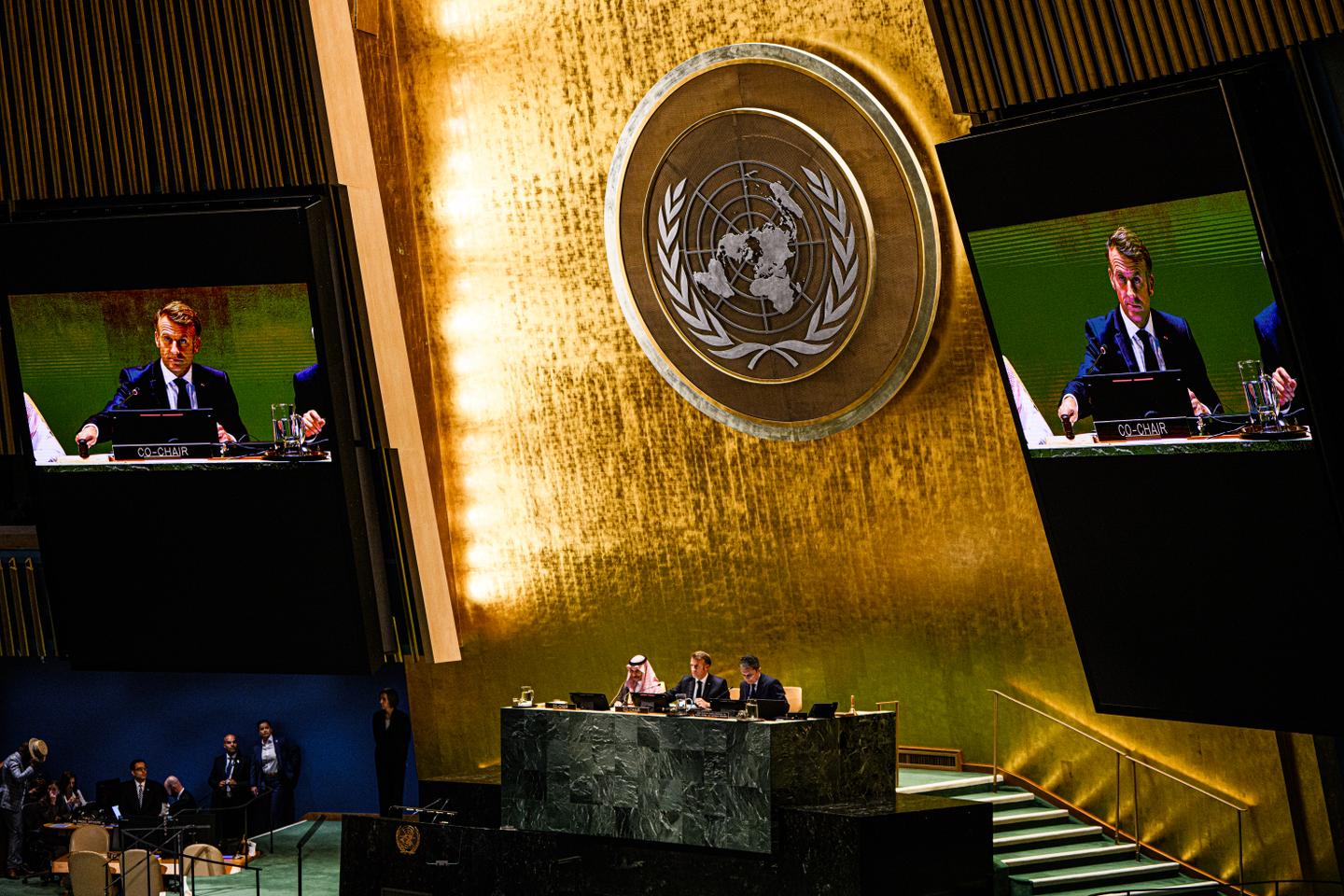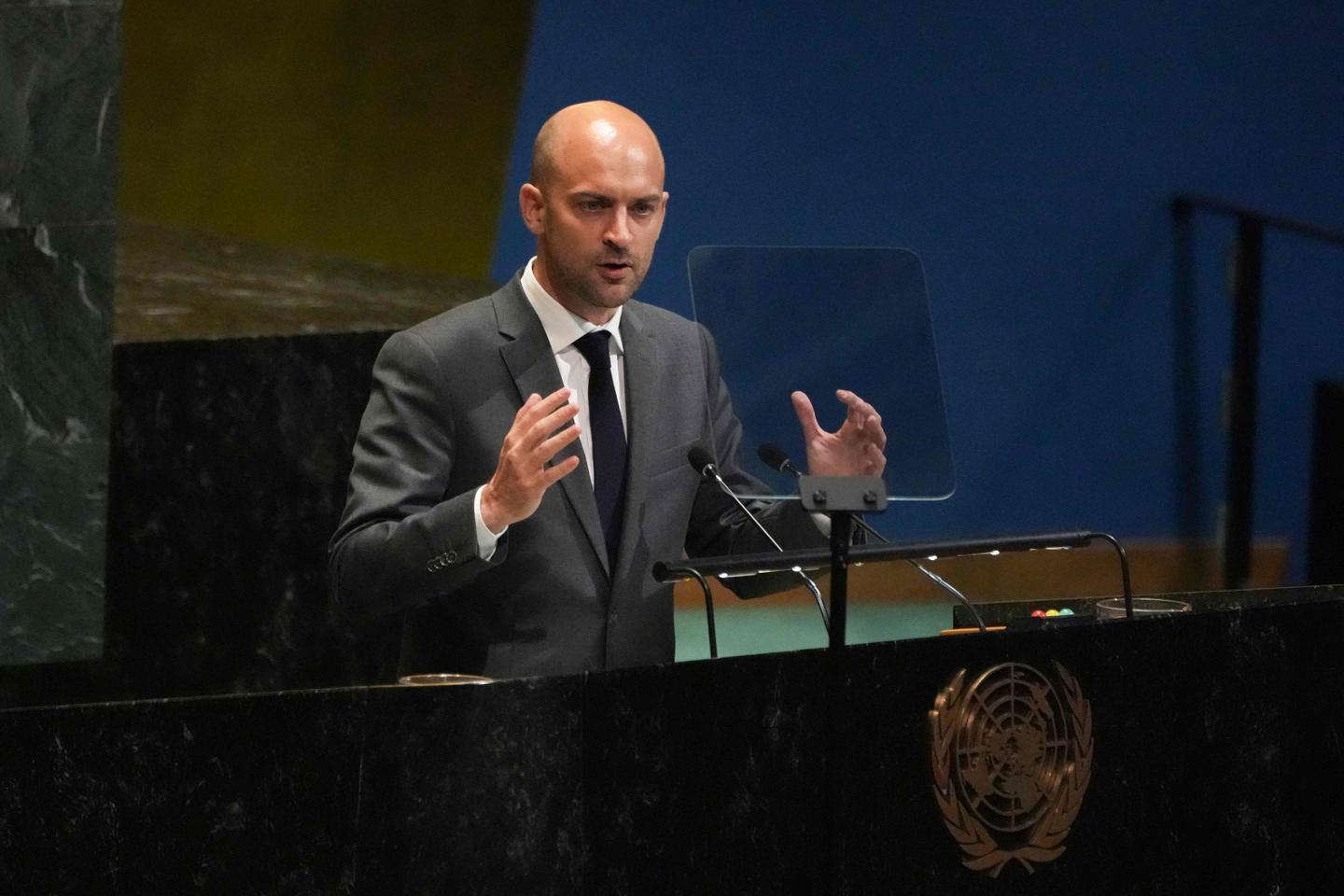
The French foreign minister, Jean-Noël Barrot, speaking at a United Nations conference on a two-state solution for Israel and Palestine, at the United Nations in New York, on July 28, 2025. TIMOTHY A. CLARY / AFP
As Jean-Noël Barrot walked up to the podium at the United Nations headquarters on Monday, July 28, he hoped that his speech would make history, placing France at the forefront of global diplomacy by laying out a path to peace between Israel and Palestine. Yet the foreign minister's words could also just vanish into thin air, fueling well-intentioned – yet ultimately futile – rhetoric that had already been heard at the UN countless times. The French Foreign Affairs Ministry has, therefore, been working to turn his words into action.
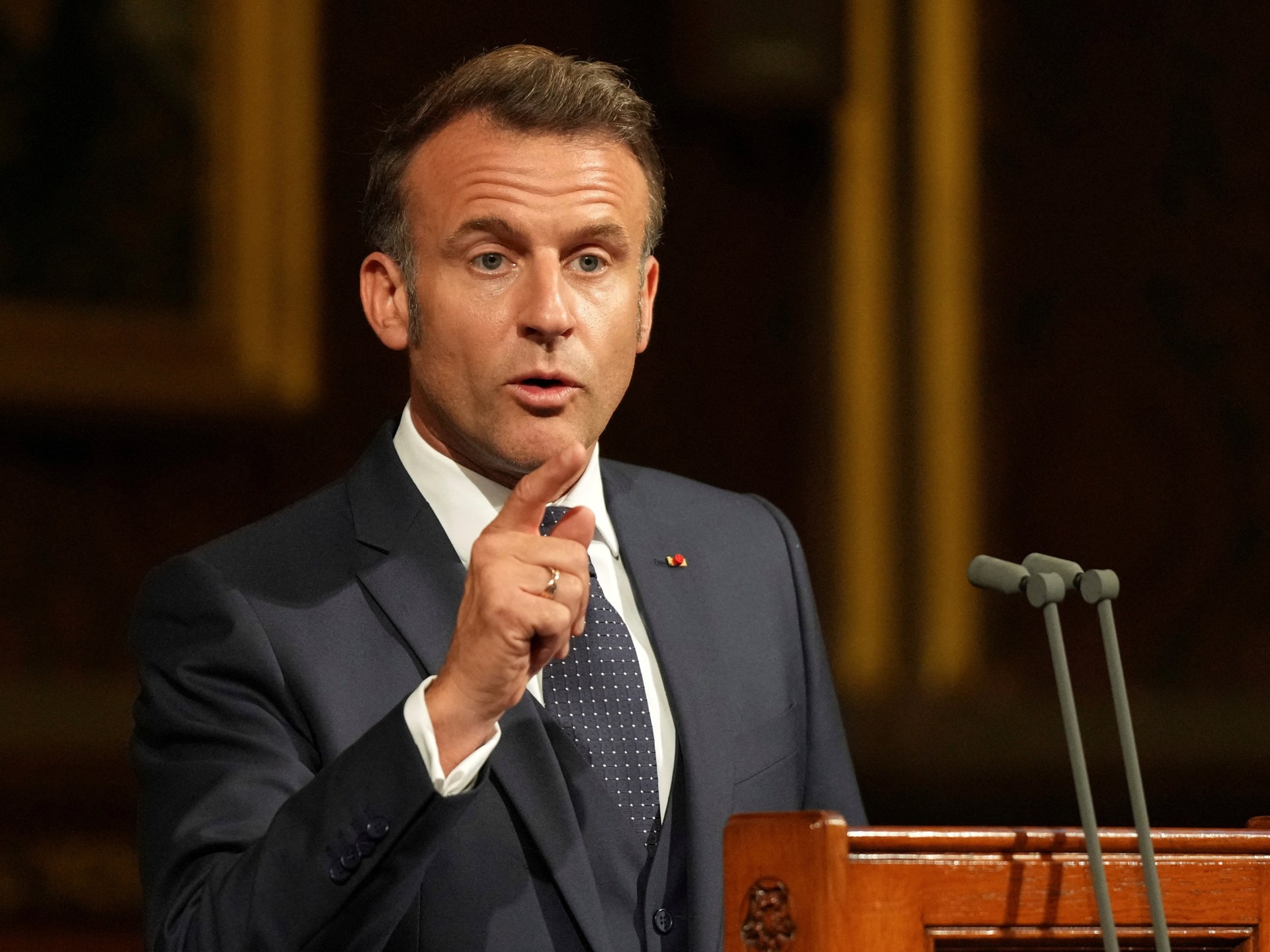
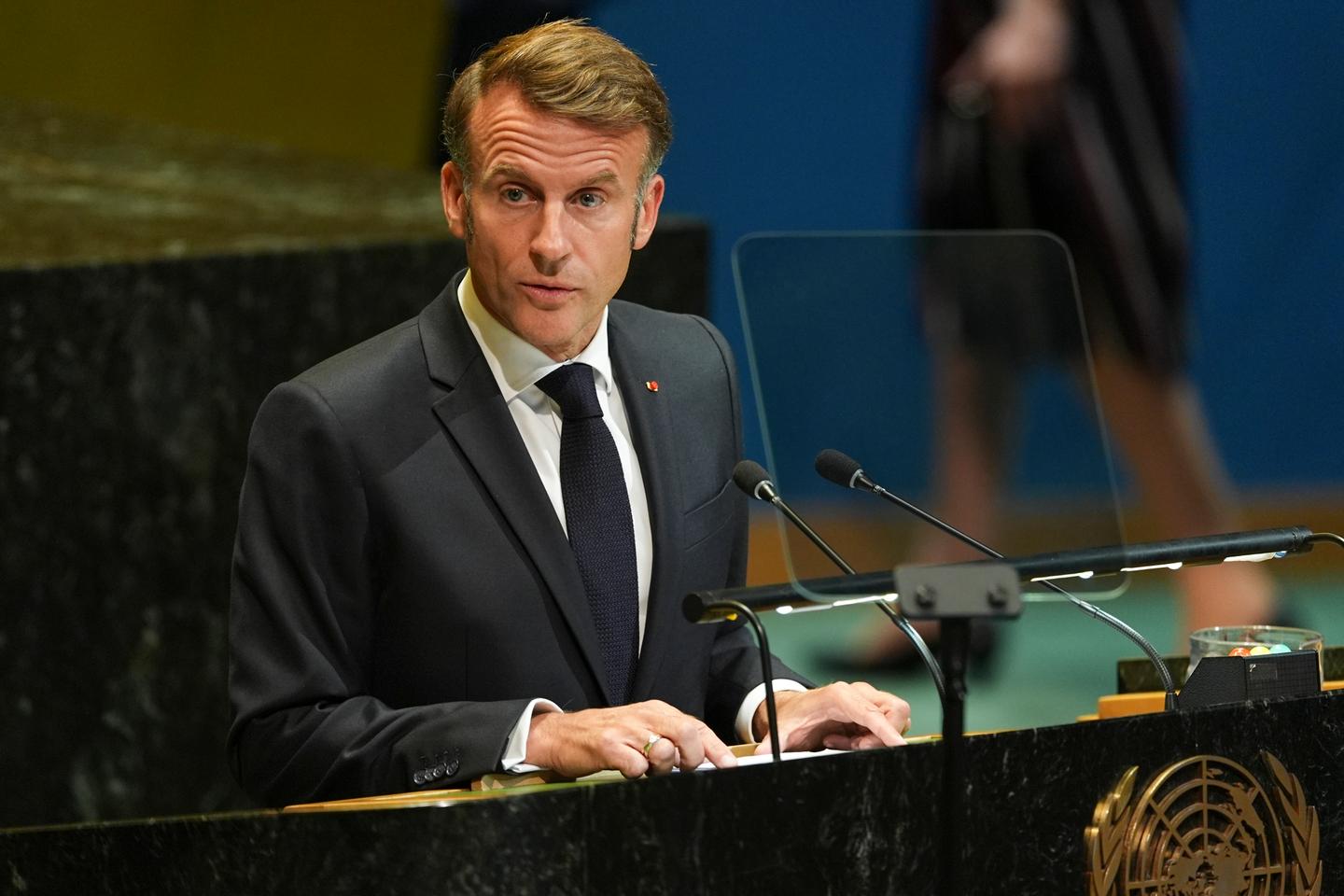
Barrot had been tasked with confirming the promise President Emmanuel Macron had made four days earlier, his pledge to recognize the State of Palestine at the UN General Assembly in September. In his speech, Barrot reiterated how this position, which has been criticized by Israel and its ally, the United States, is clearly in line with France's longstanding political philosophy. From Charles de Gaulle to Jacques Chirac, French presidents have always been mindful of the "right of peoples to self-determination."