Symbolic gestures and empty statements are no longer enough. In Israel’s globalised economy, here’s what will shift public opinion
A
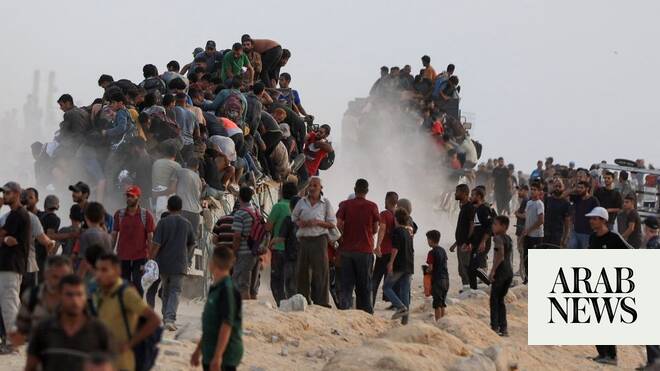
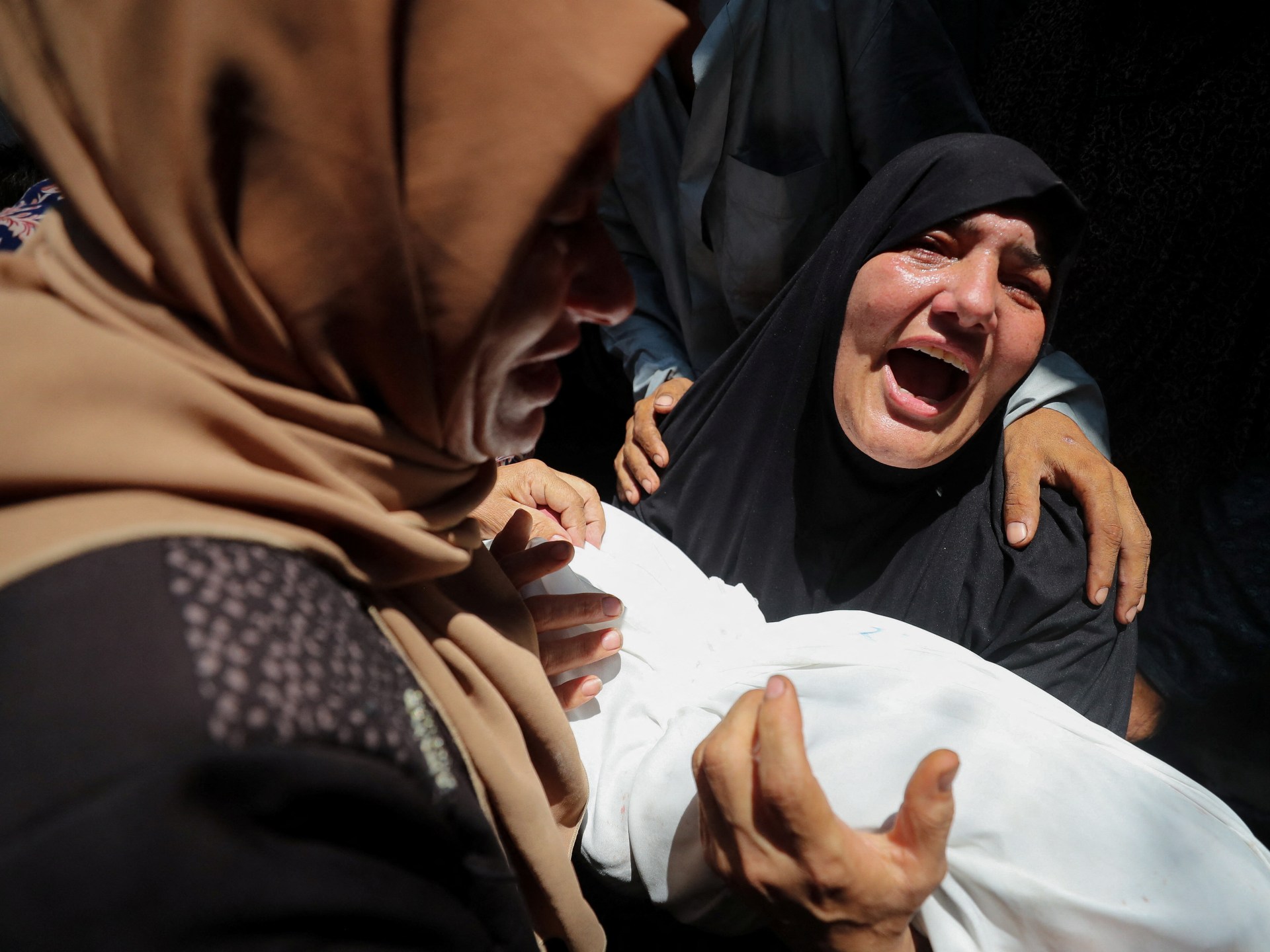
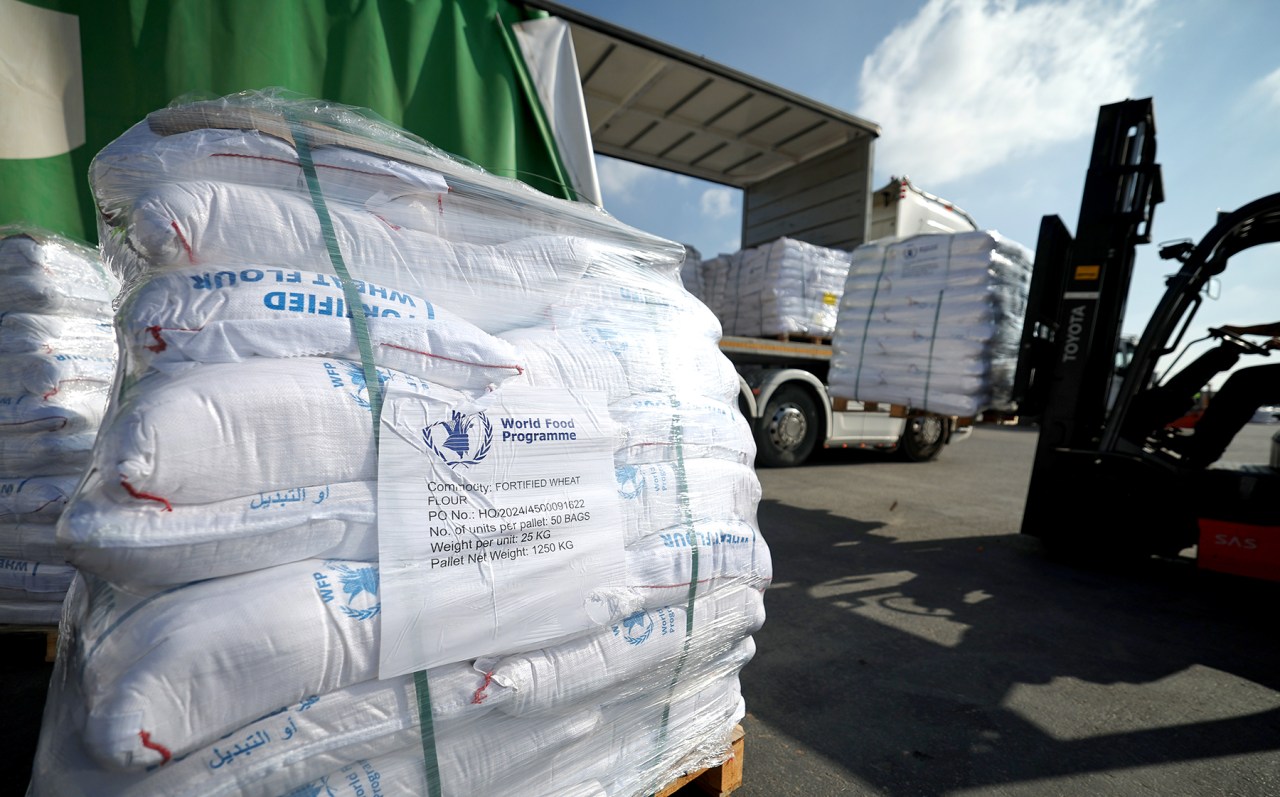
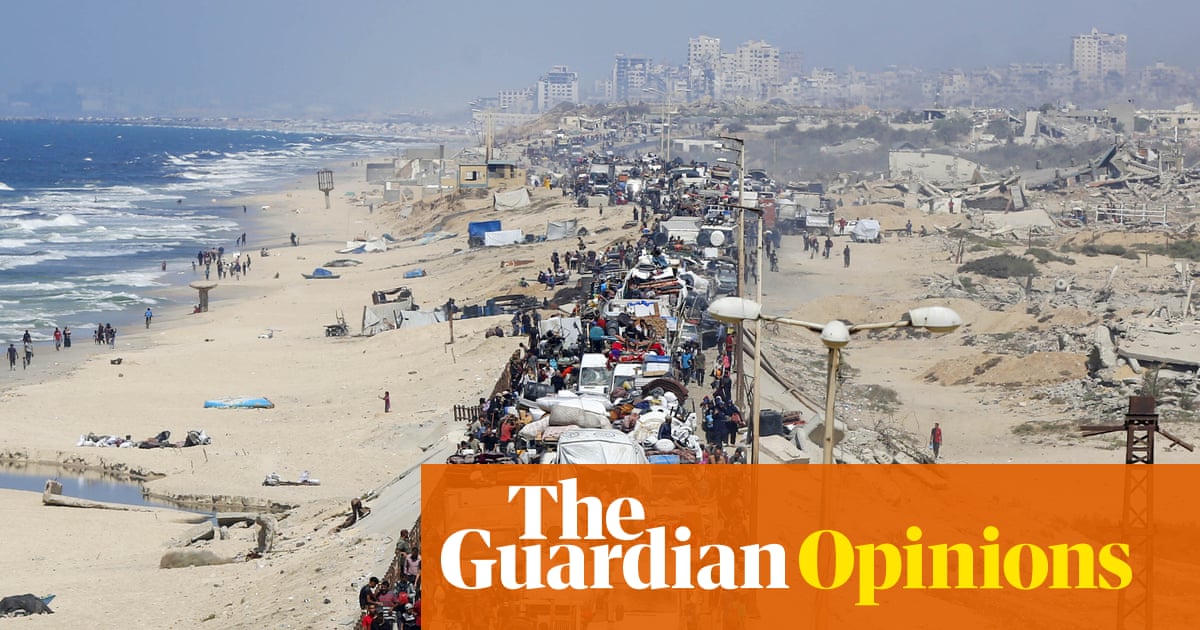
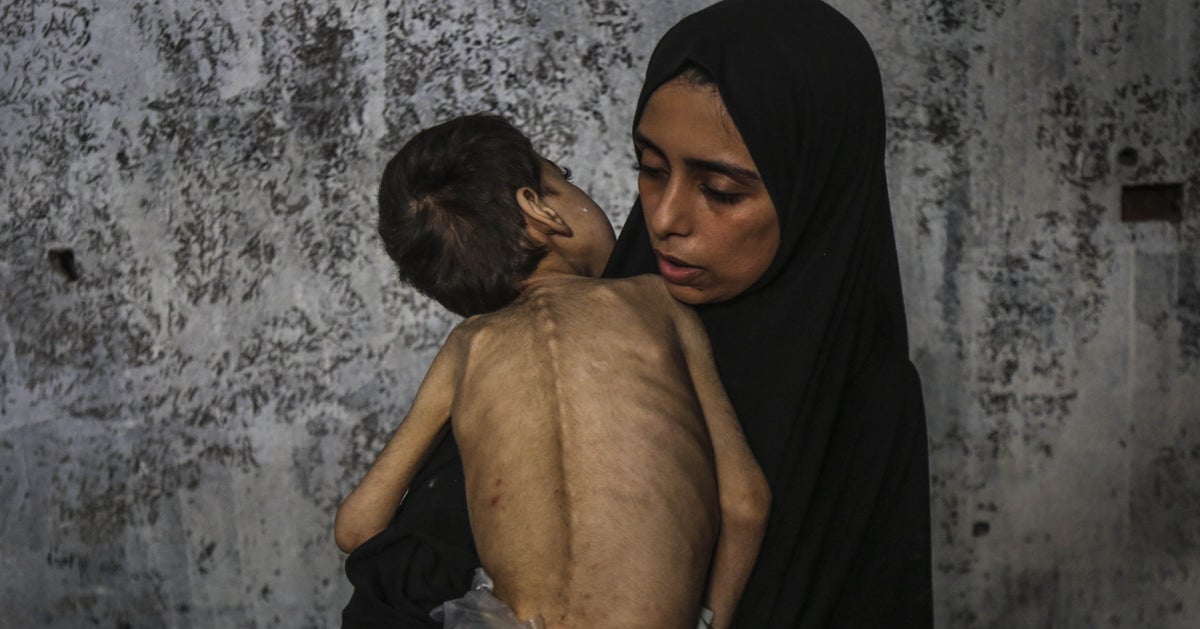
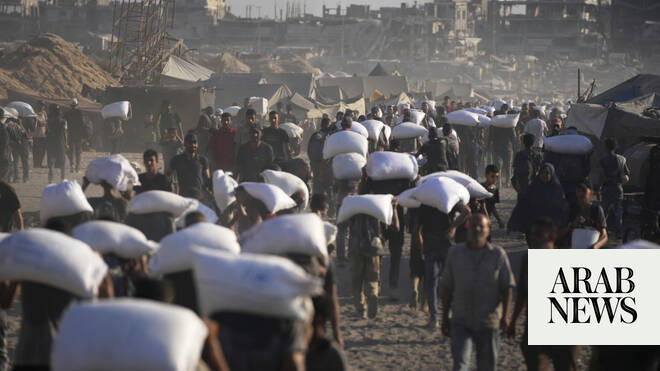
fter months of complete blockade or extremely limited supplies, and with thousands of famished children in Gaza at risk of death, Israel finally relented last week to allow increased levels of aid, as well as electricity and water, into the territory. Yet given Israel’s systematic destruction of Gaza’s medical infrastructure, the aid will not prevent irreversible damage to many severely malnourished children. And even in the best scenario, this is but a hiatus.
For many months now, Israel’s far-right government has been unambiguous in its words and actions. It has made Gaza uninhabitable through the destruction of the built environment and infrastructure. The plan, repeatedly stated by Benjamin Netanyahu and his ministers, is the ethnic cleansing (“voluntary emigration”) of the bulk of Gaza’s population. It is now clear that the Israeli government is willing to slow down this campaign temporarily, but it will not stop unless it is forced to, by international pressure. Such pressure has been entirely inadequate.
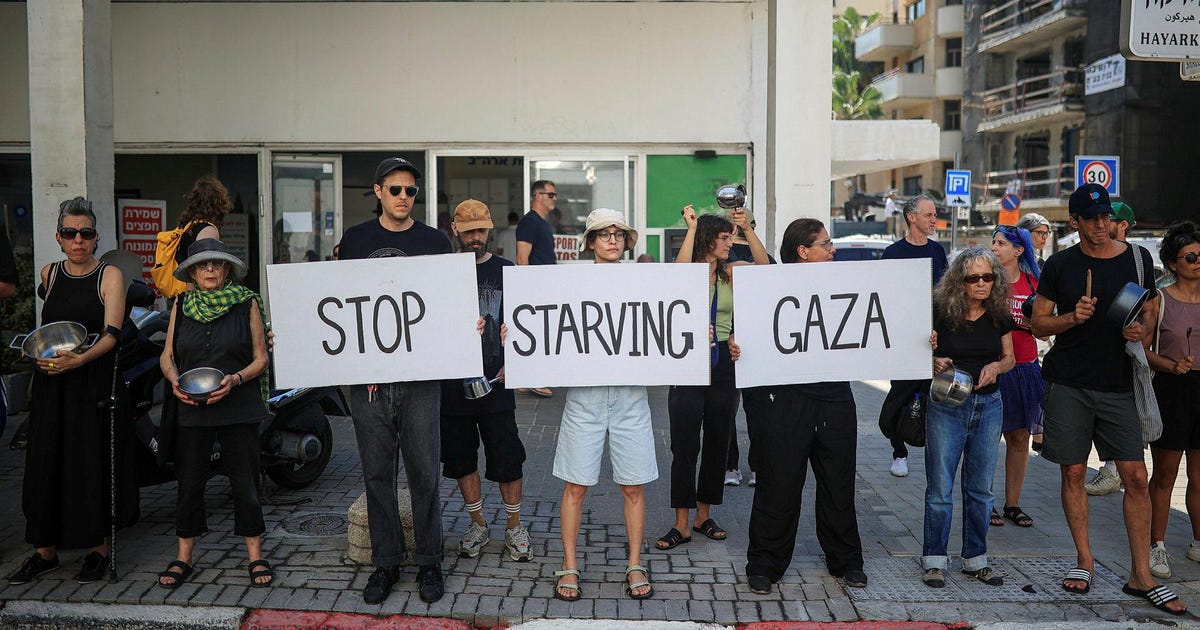
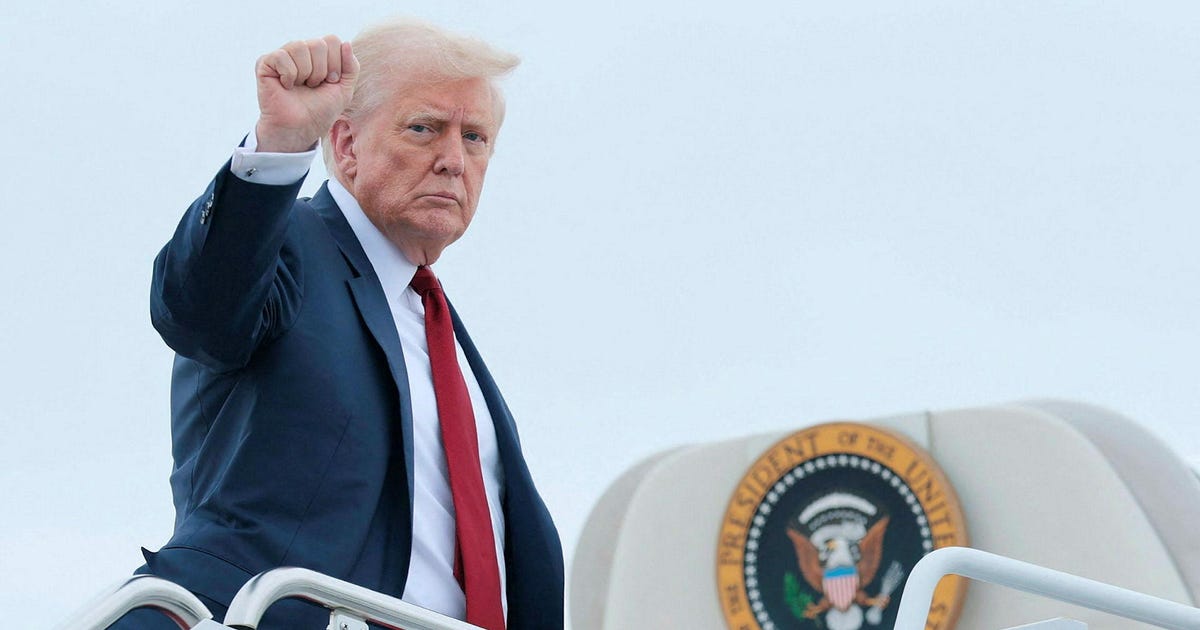
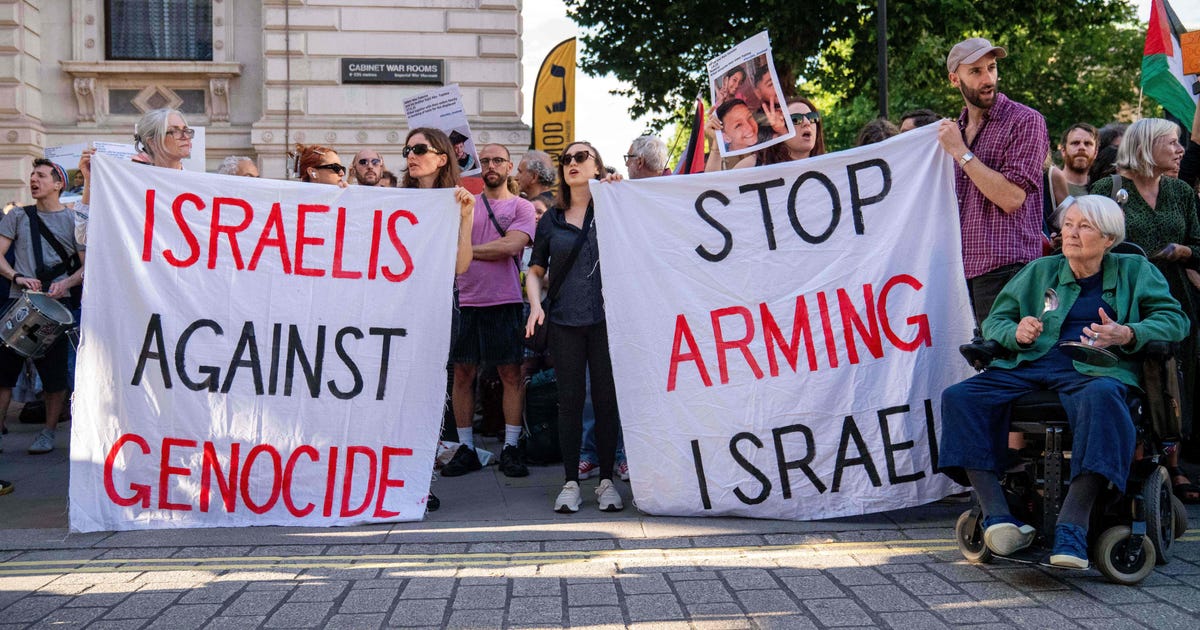
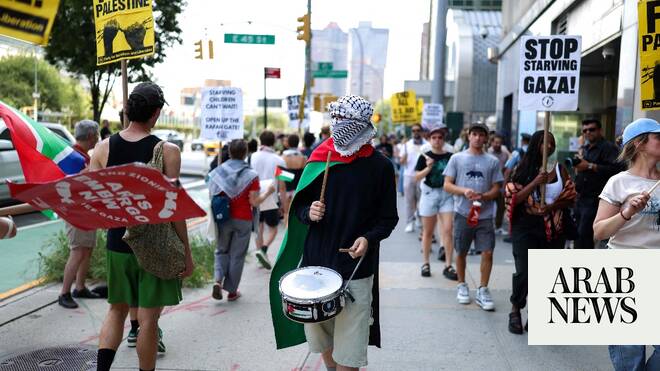
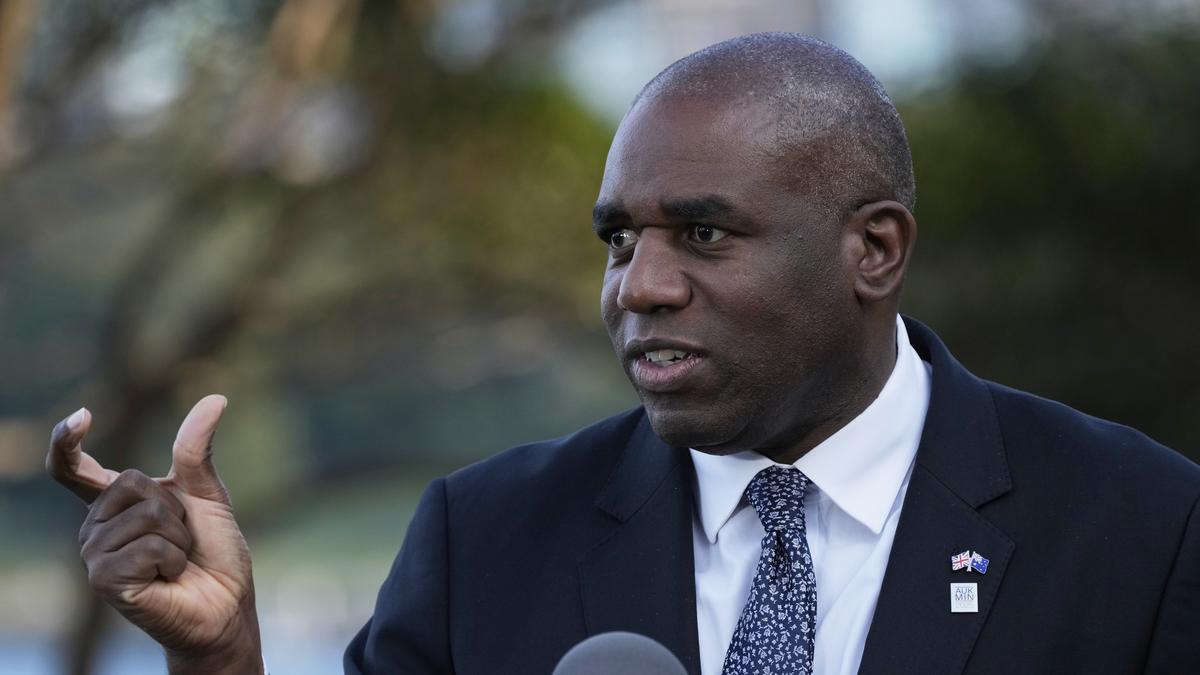
The UK has scaled up its rhetoric, to words such as “appalled” and “horrified”. It has also limited arms shipments to Israel, and placed sanctions on ministers Bezalel Smotrich and Itamar Ben Gvir. Yet surely a G7 member, the world’s sixth largest economy and a close ally of Israel can do more. “Netanyahu only listens to Trump, and even then only sometimes,” says Emily Thornberry, implying there’s little to do beyond pleading with the US president.