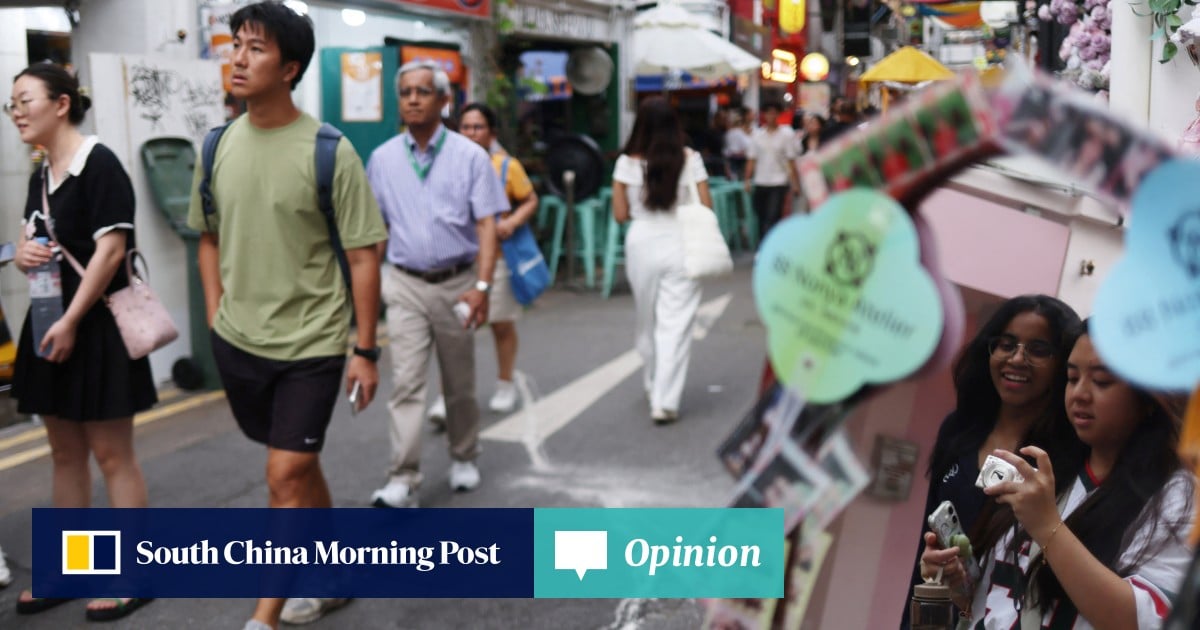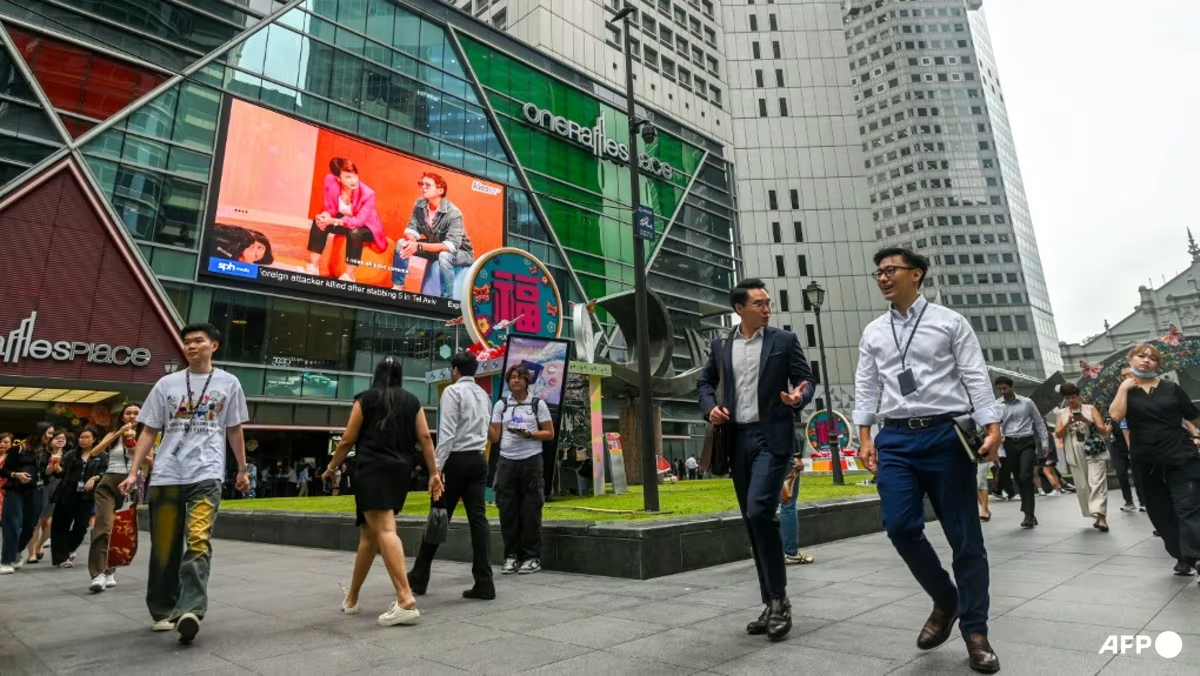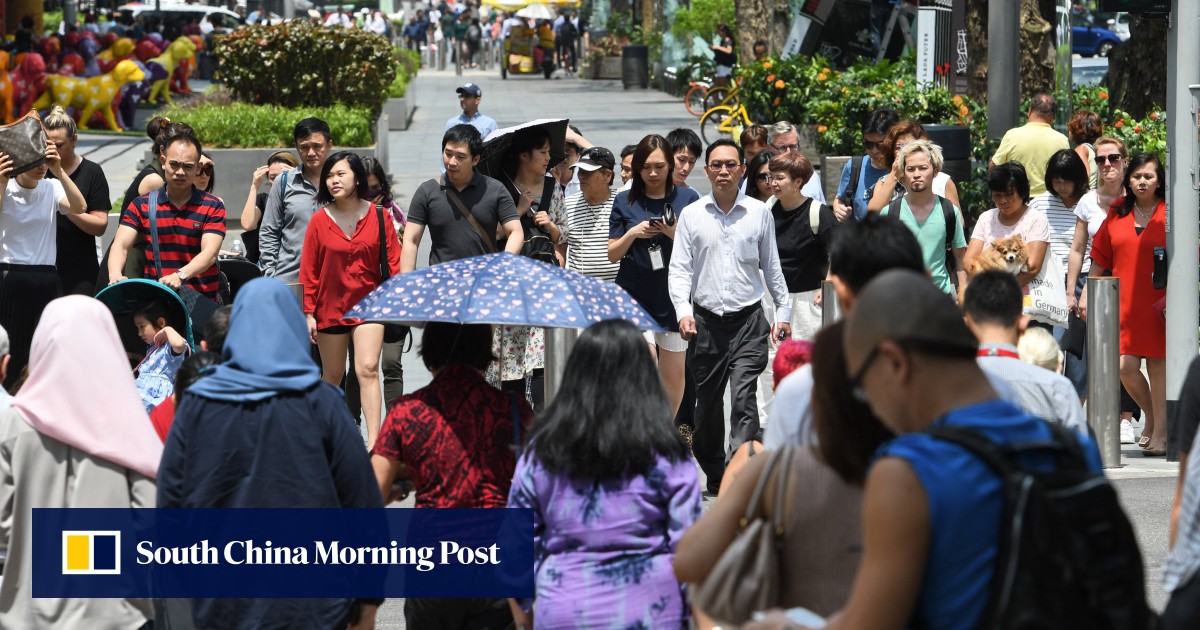
Younger and minority Singaporeans are more likely to perceive Chinese residents as having unspoken social advantages, the survey finds
Das still remembers an offhand remark from a former colleague who, upon seeing his hairy legs, said that they resembled a monkey’s.
For the 30-year-old ethnic Indian Singaporean postgraduate student, who spoke to This Week in Asia under a pseudonym, the comment reflected a kind of casual insensitivity he said he had encountered as a racial minority in Singapore.
“I would ascribe the confidence of saying such things without having to endure a blowback or to blow it off as a joke to Chinese privilege,” he said, when asked about moments when he felt the majority Chinese population held an unspoken advantage.
His experience aligns with sentiments expressed by some respondents in a new study by the Institute of Policy Studies (IPS) at the Lee Kuan Yew School of Public Policy, which sheds light on how Singaporeans of different ages and ethnicities perceive racial inequality – and the very idea of “Chinese privilege” – in the multiracial city state.