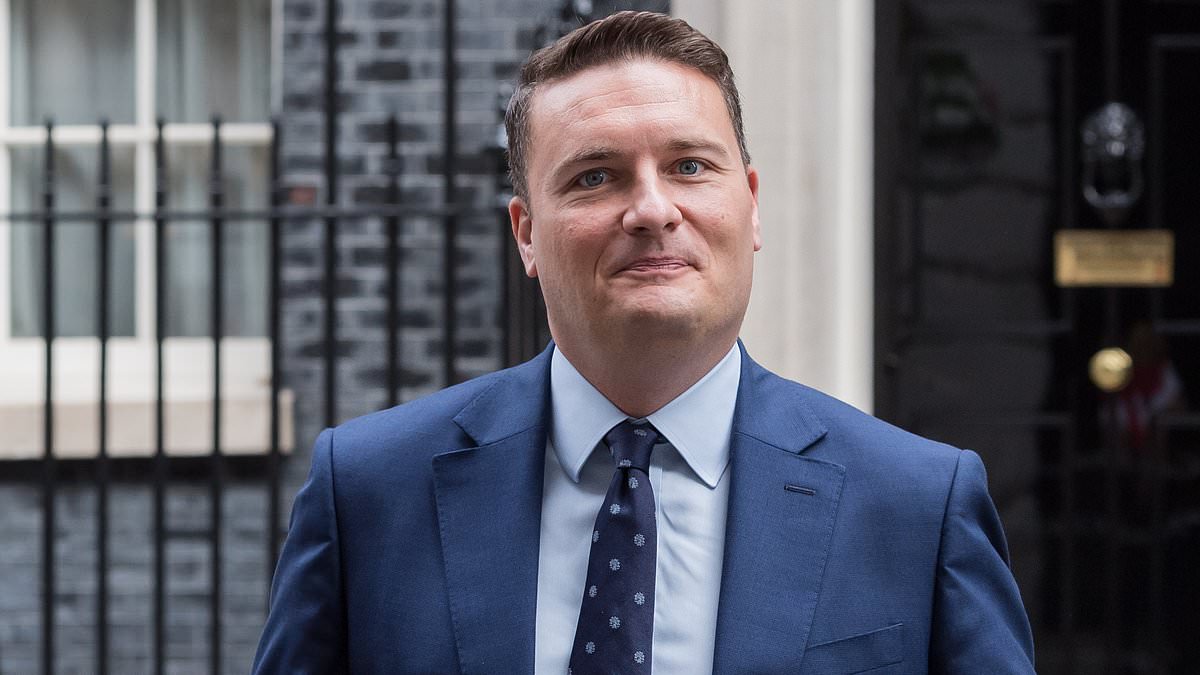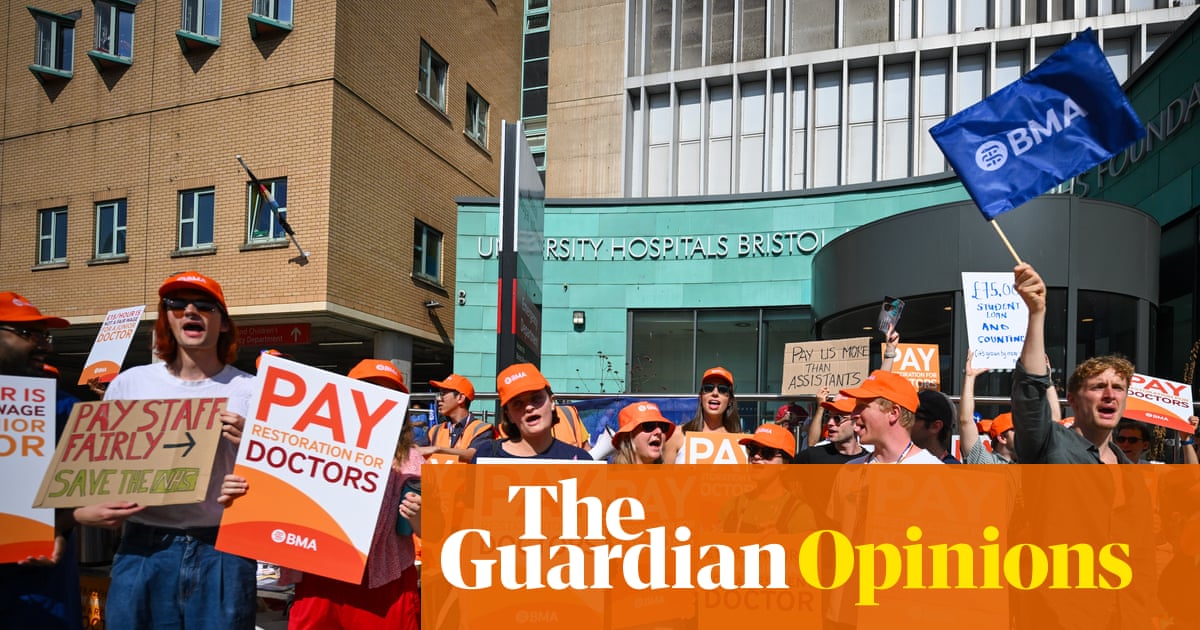
The BMA’s demand for pay restoration is a slap in the face for the health secretary who gave them a 22% rise – and it’s testing the public’s sympathy
T
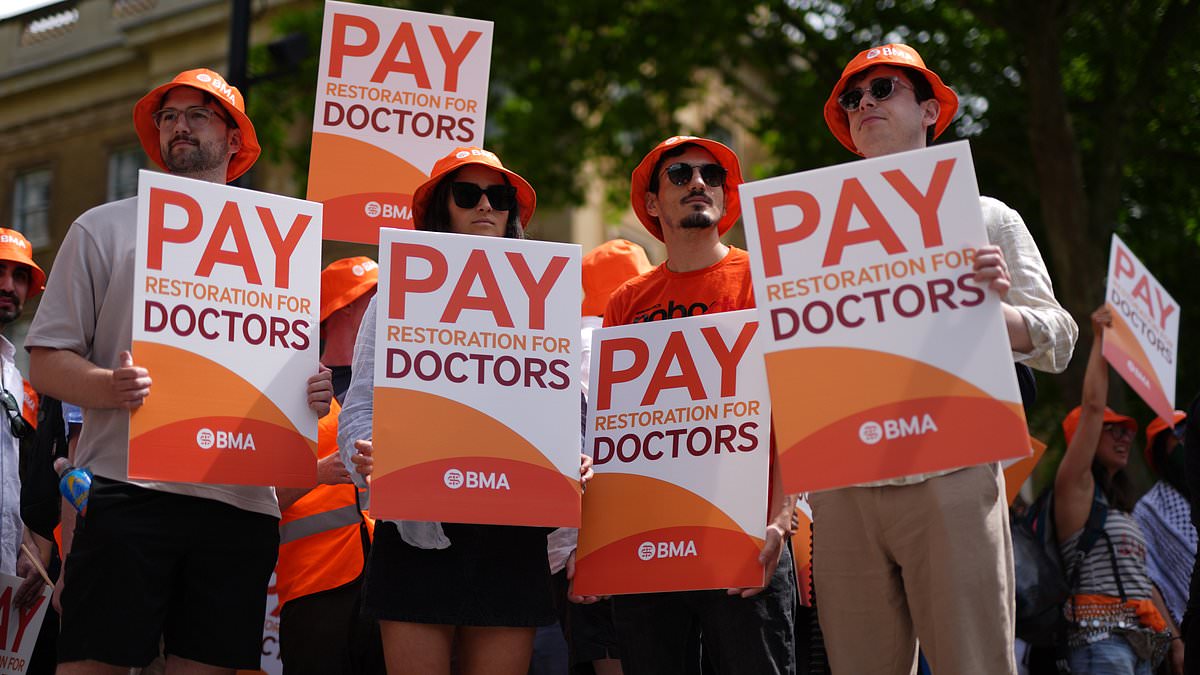
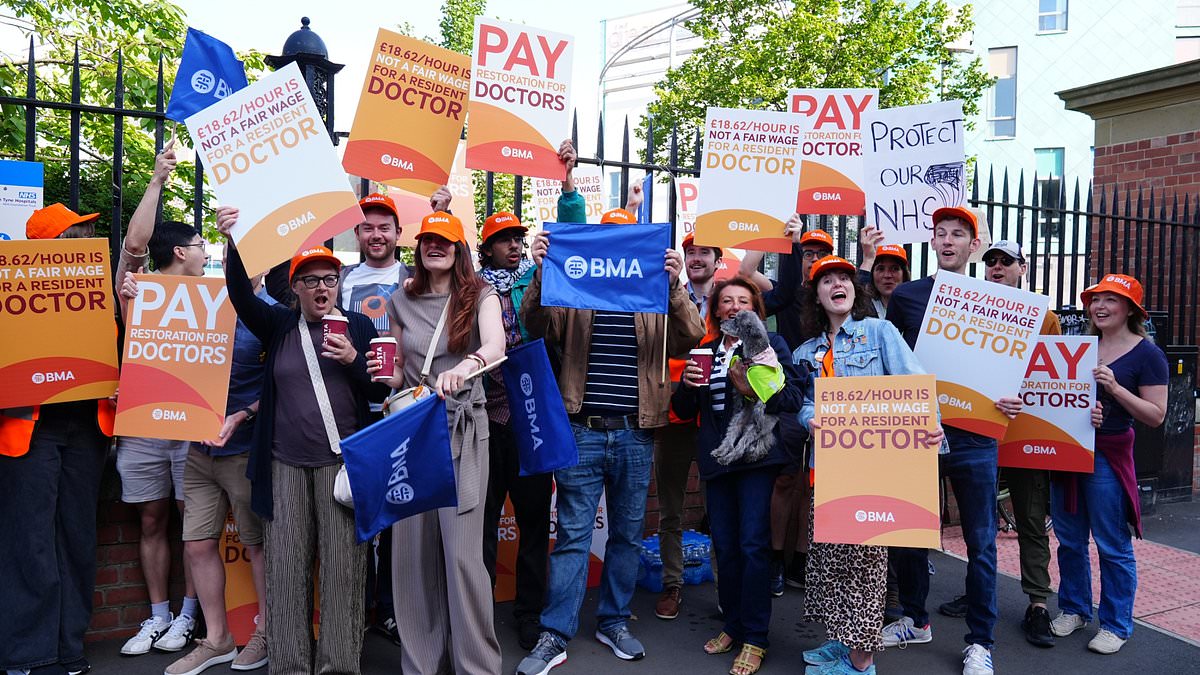
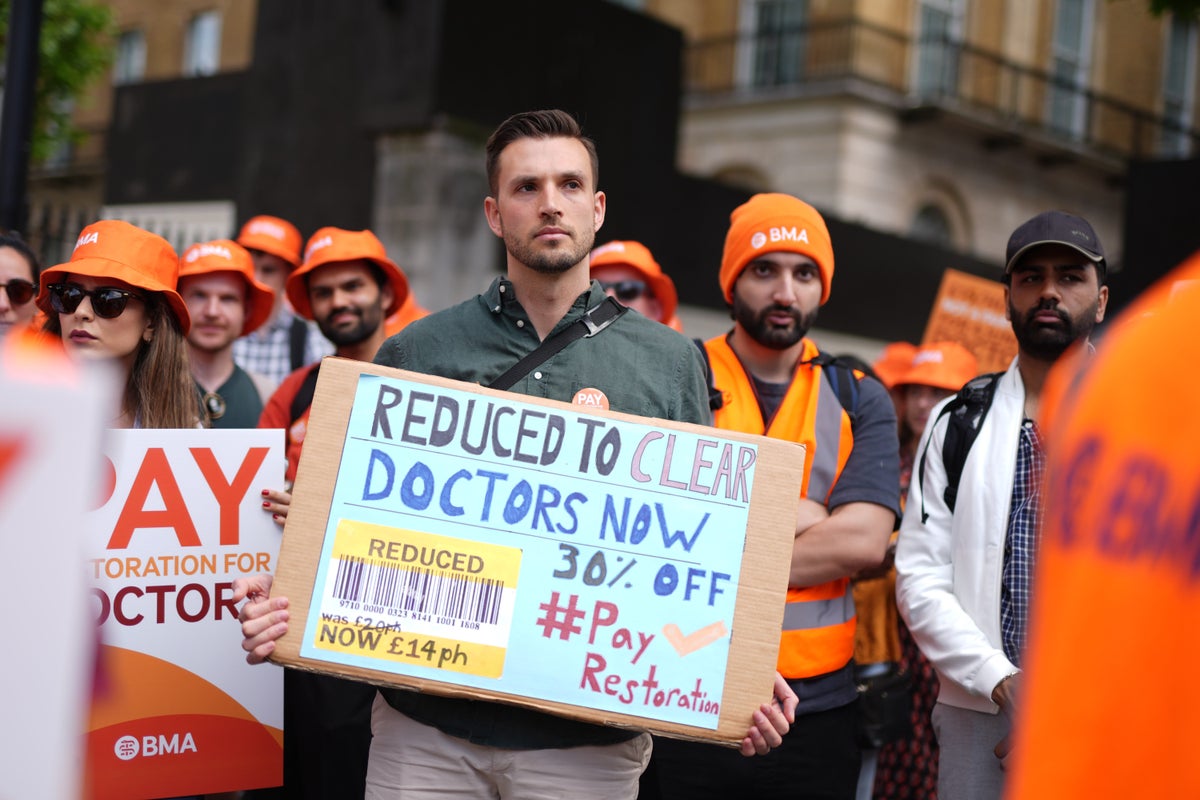
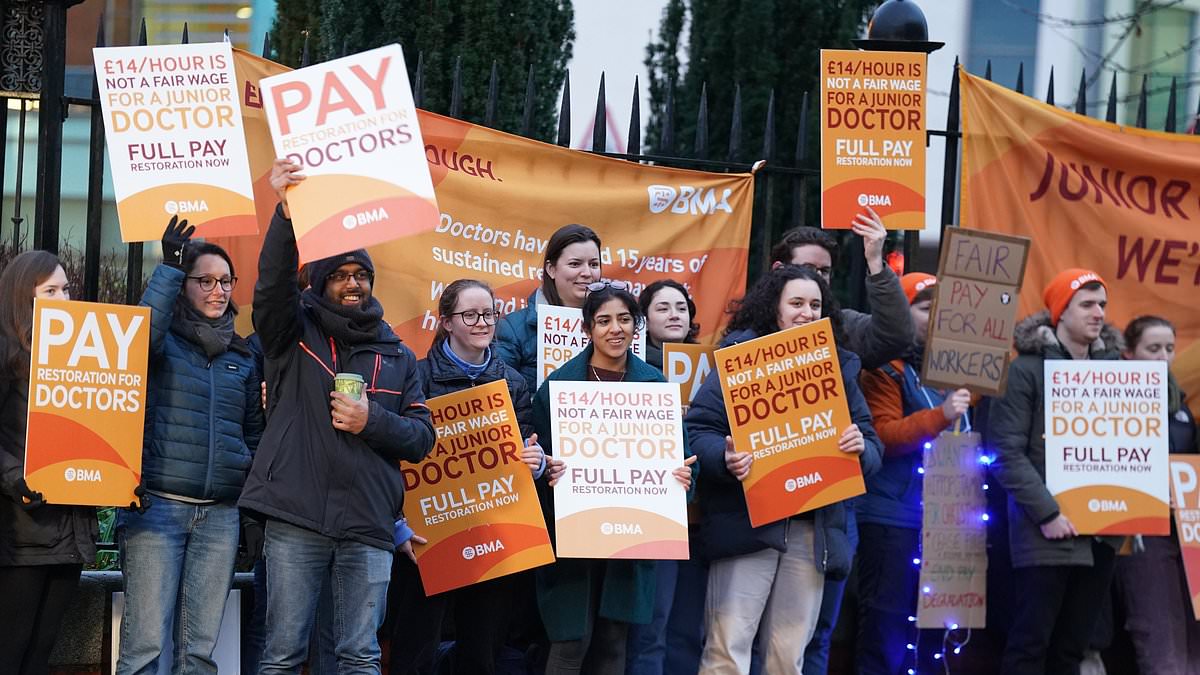
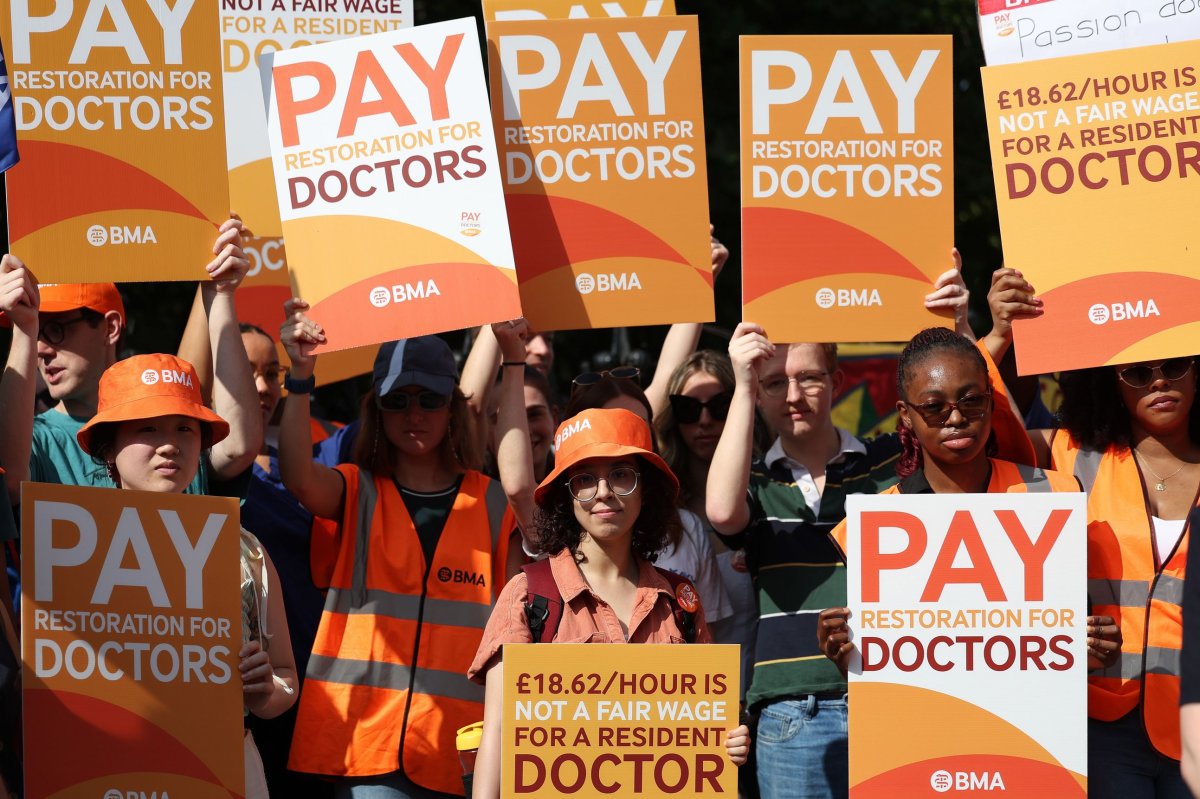
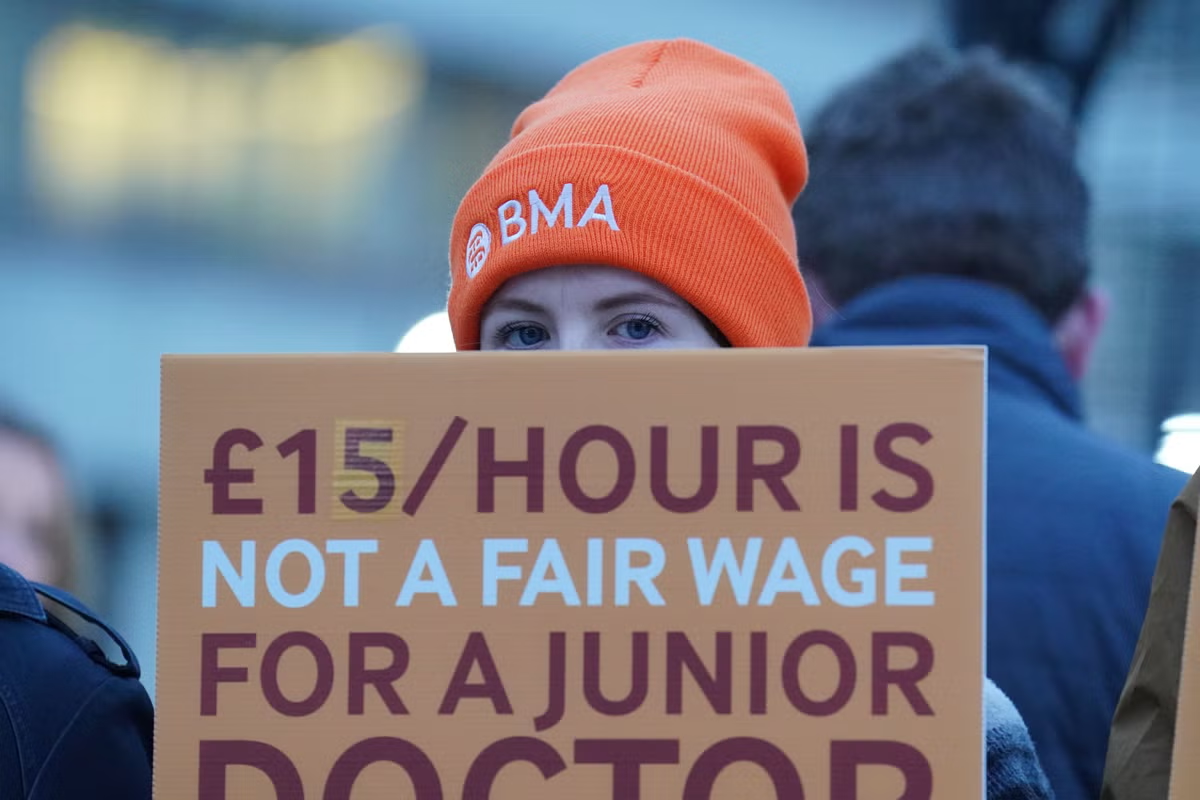
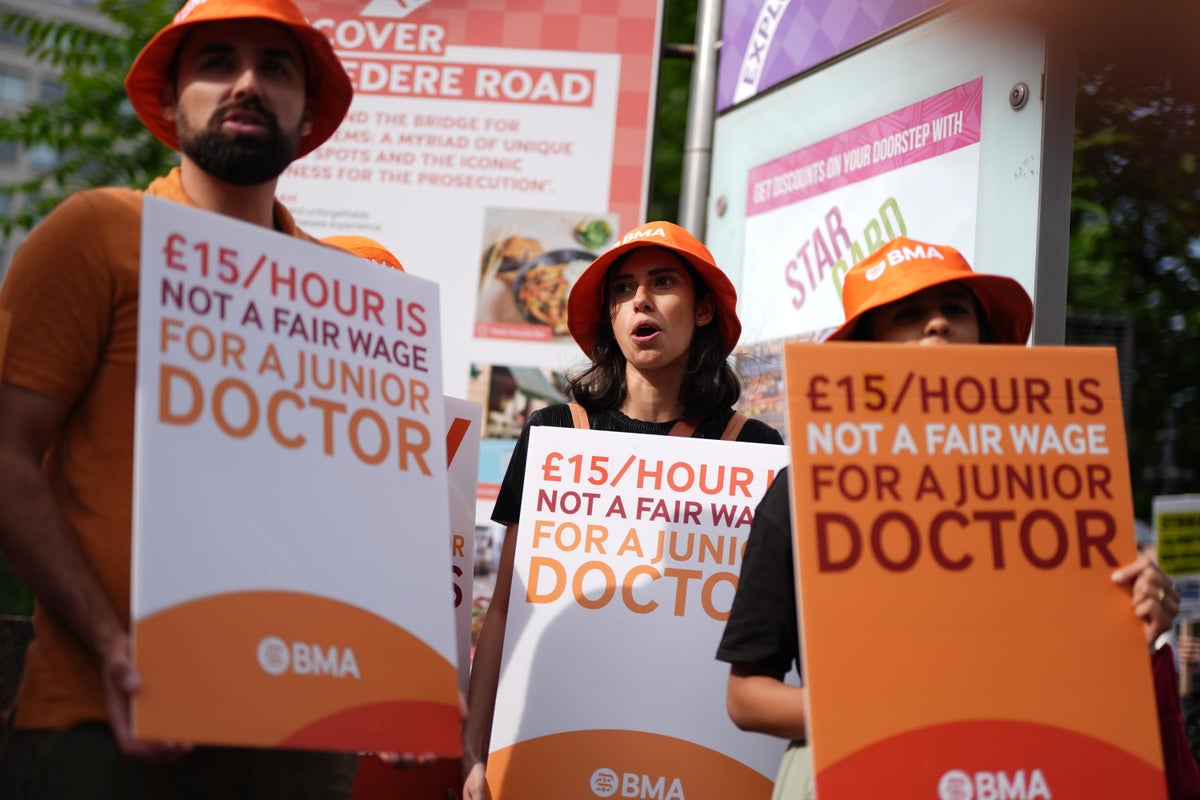
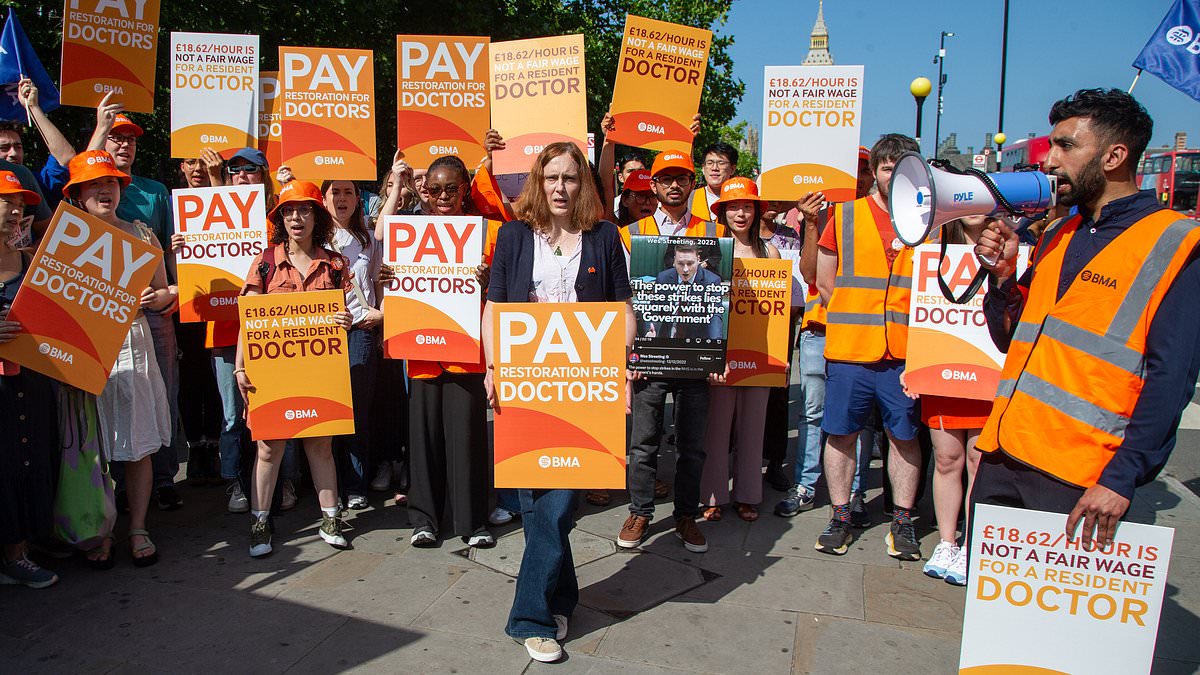
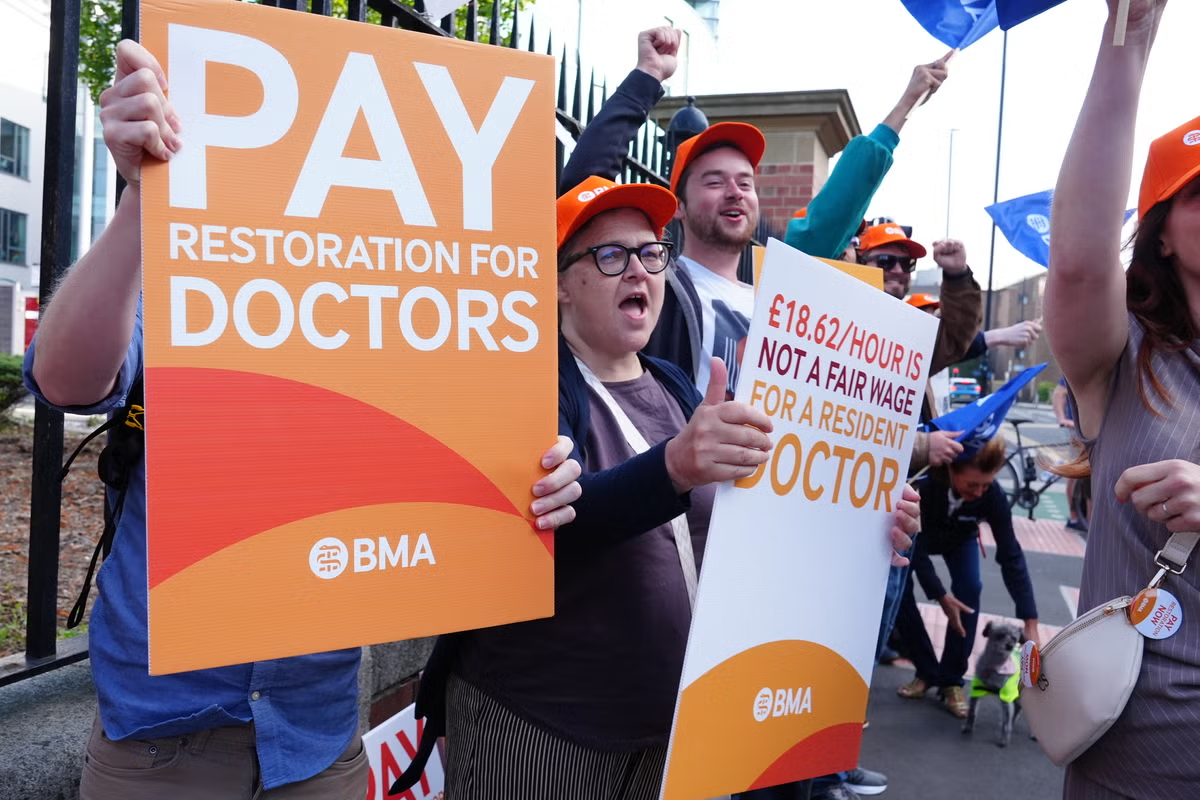
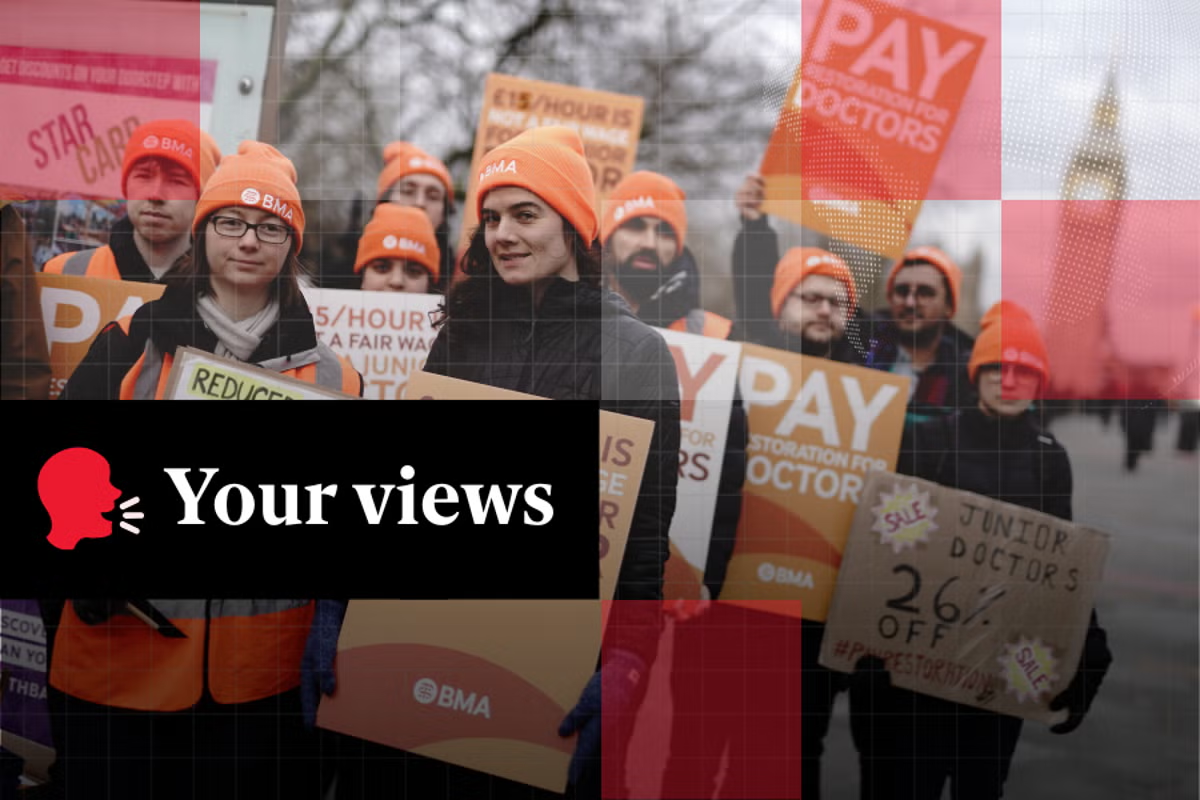
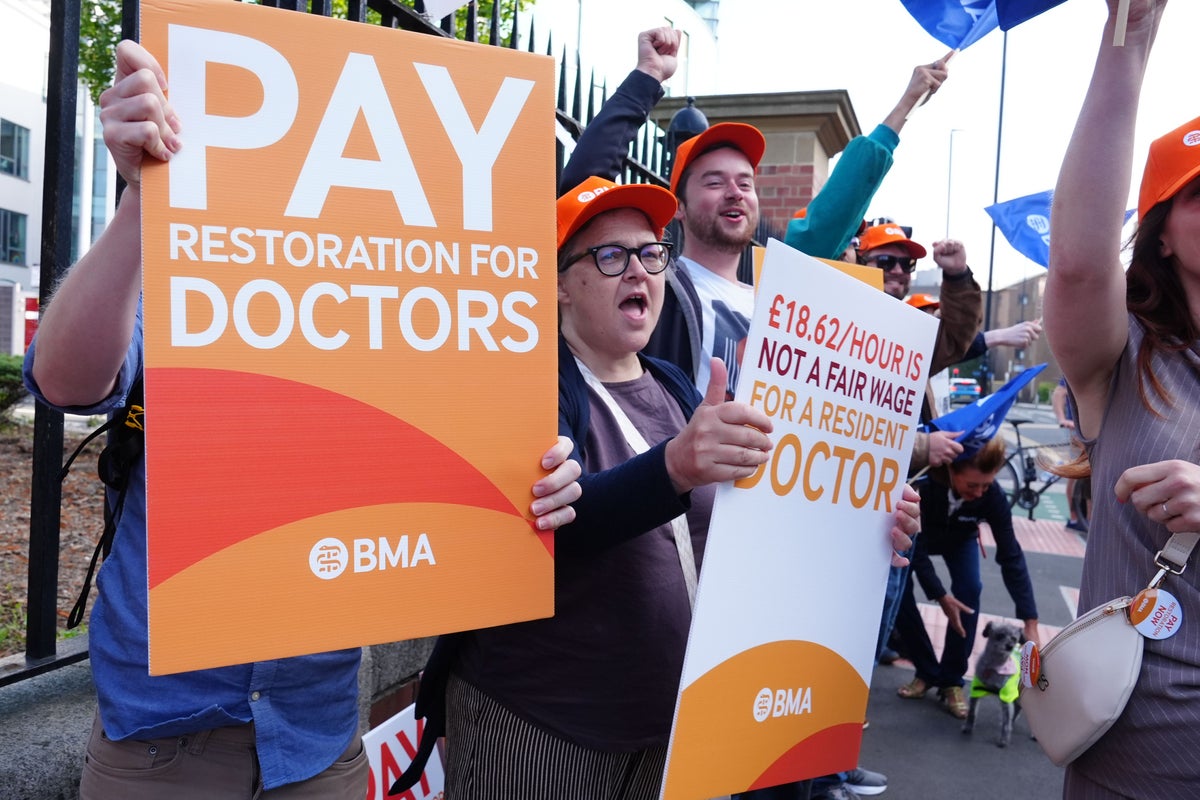
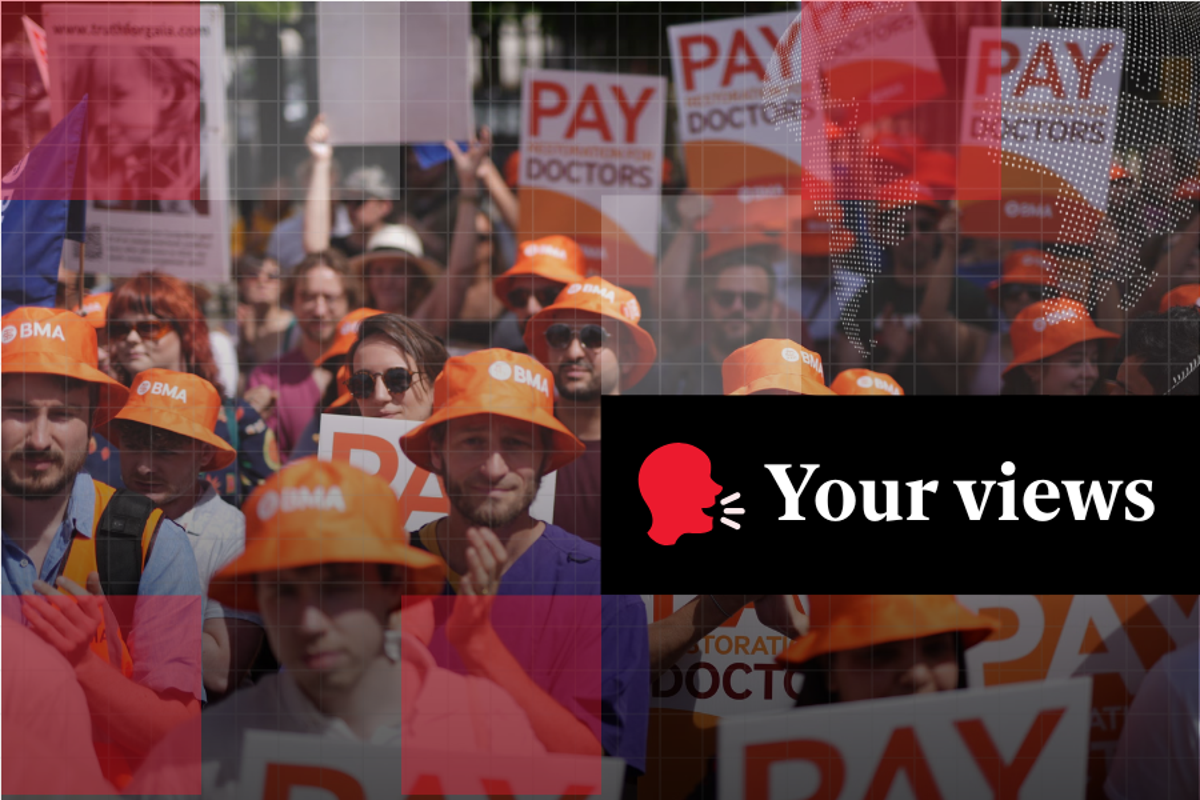
here were no pickets when I set out at the weekend to talk to striking doctors. Not even at St Thomas’ hospital, a prime site opposite the Houses of Parliament, or at Guy’s at London Bridge. “It’s a bit sparse,” said the duty officer from the British Medical Association, the doctors’ union. The British Medical Journal (owned by the BMA but with editorial freedom) ran the headline: “Striking resident doctors face heckling and support on picket line, amid mixed public response.” Public support has fallen, with 52% of people “somewhat” or “strongly” opposing the strikes and only 34% backing them.
Alastair McLellan, the editor of the Health Service Journal, after ringing around hospitals told me fewer doctors were striking than last time, which isn’t surprising given that only 55% voted in the BMA ballot. Managers told him strikes were less disruptive than the last ones. But even a weaker strike harms patients and pains a government relying on falling waiting lists.
“When you’re operating on the margins, it takes very little disruption to send waiting lists up again,” McLellan said. Strikes are costly, since consultants have to be paid to fill shifts, which is typically more expensive. One hospital manager asked me wryly: “Have you tried paying for an out-of-hours emergency plumber or electrician?” This time Jim Mackey, the head of NHS England, is playing it tough. He told medical directors on Monday to warn doctors that anyone striking on one of their 12 compulsory training days would forfeit their qualification, and not to let strikers take up locum shifts on non-strike days to make up for the money they’ve lost. No more Mr Nice Guy.