Of course public sector jobs should be properly compensated. But in a society where pay has stagnated, support for more strikes is waning
“B
ecause you’re worth it,” goes the ad. But knowing who is worth what is even harder to determine than it was half a century ago. So as doctors vote in a strike ballot, how will the public weigh up their just reward?
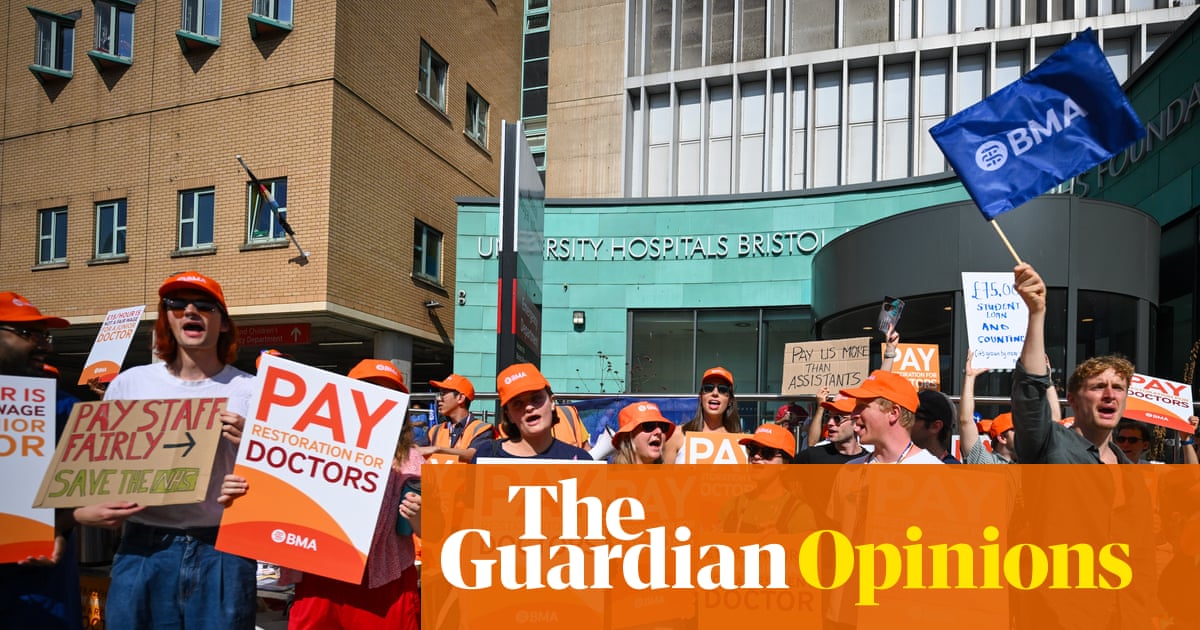
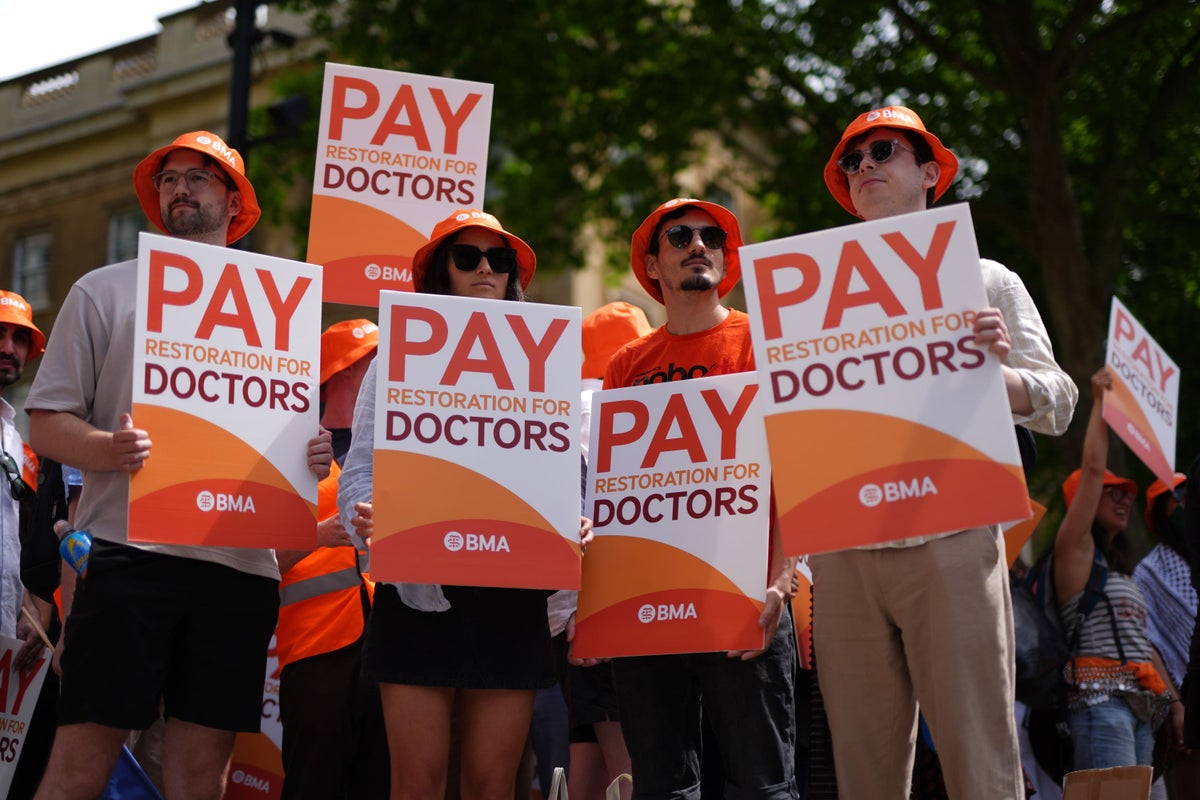
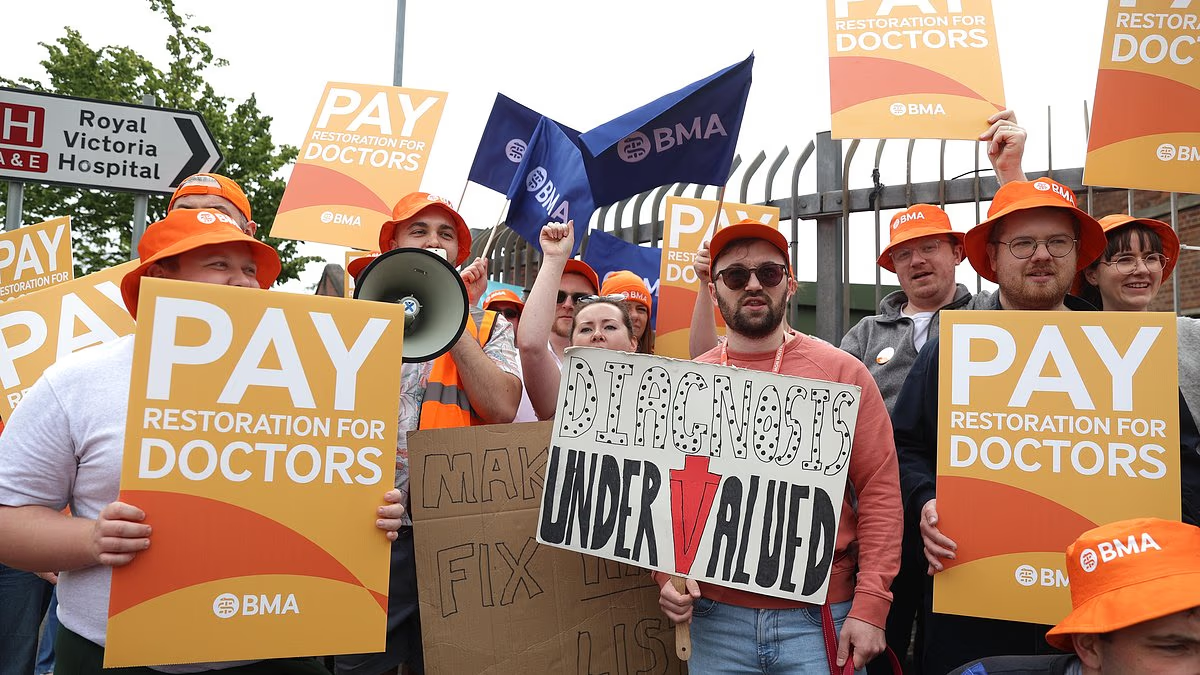
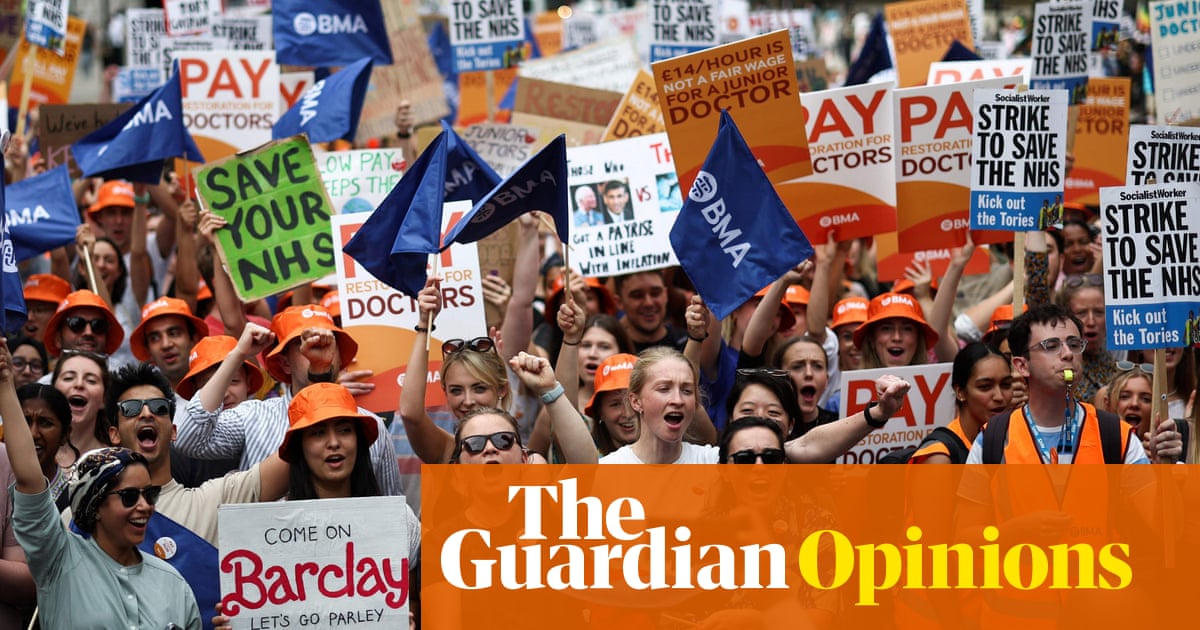
Some 50,000 resident doctors – formerly known as junior doctors – are deciding whether to walk out again in England. Their year-and-a-half-long series of strikes ended with Wes Streeting agreeing a 22.3% pay rise over two years. Now their seniors, hospital consultants, are about to vote on striking to reclaim the 26% the British Medical Association (BMA) says their pay has fallen by since 2008.
The public backed striking doctors last year despite the 1.3m healthcare appointments lost, which cost the NHS £1.5bn. Beyond pay, that was a protest against a government that had stripped the NHS bare: public satisfaction with the health service was at a peak in 2010 but by last year it had fallen to its lowest since records began. There was a strong sense among staff and the public that this was about defending the state of the service.