We and our vendors use cookies and similar methods (“Cookies”) to recognize visitors and remember their preferences. We also use Cookies for a variety of purposes, including analytics, to measure marketing effectiveness and to target and measure the effectiveness of ads. You can accept or reject the use of Cookies for individual purposes below. Some vendors process your data on the basis of their legitimate interest - you can object to such processing below. Your preferences will be saved in a cookie named “fides_consent” for a maximum duration of 12 months, as well as in your registered user account if you are logged in. If you previously accepted these methods through our prior banner, then we will use your data for targeting. Your preferences will apply on nytimes.com, as well as our News, Cooking, Games and Audio apps. Your preferences here are unrelated to Apple’s App Tracking Transparency Framework.
Supported by
By Alexander Baunov
Mr. Baunov is a senior fellow at the Carnegie Russia Eurasia Center and an expert on Russian politics.
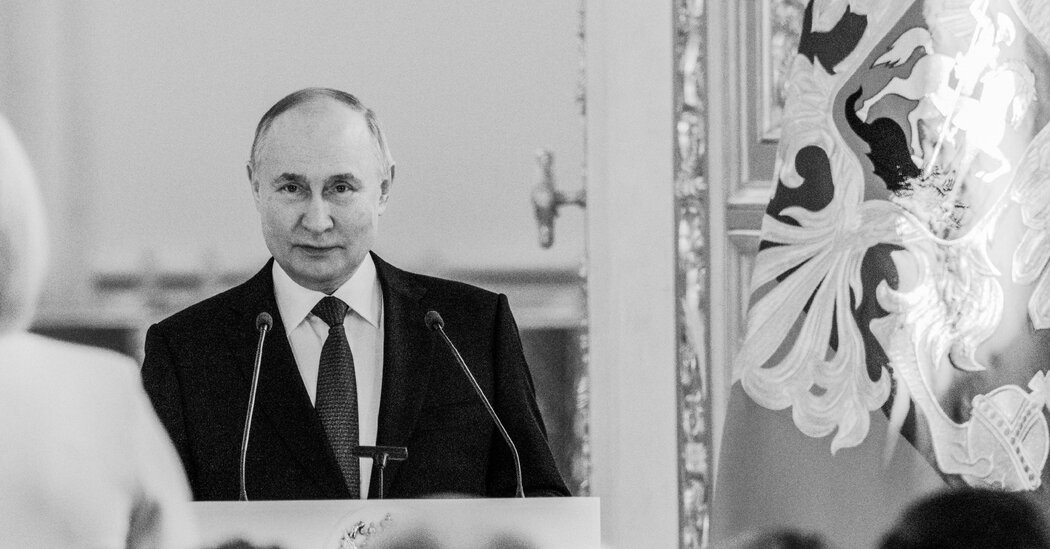
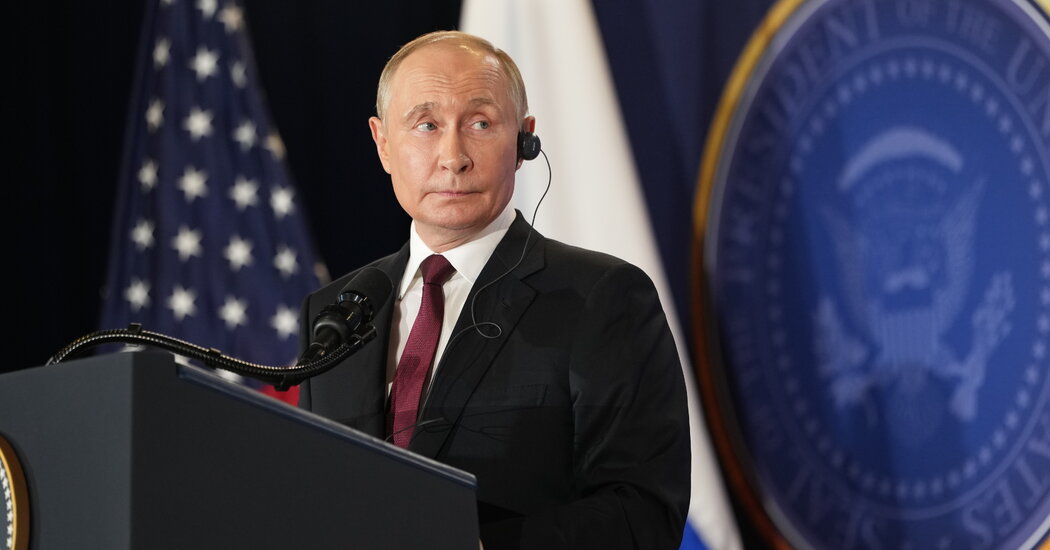
Vladimir Putin, in his own telling, is no ordinary leader. He’s a lawyer on the throne. From the very beginning of his tenure, he has leaned on his legal background as part of his presidential persona. The reflex never left him. “After all, I have a law degree,” he told a group of businessmen in May, responding to concerns that a peace deal might bring Western competitors back into Russia. “If you give me the agreement, I’ll flip through it and tell you what needs to be done.”