We and our vendors use cookies and similar methods (“Cookies”) to recognize visitors and remember their preferences. We also use Cookies for a variety of purposes, including analytics, to measure marketing effectiveness and to target and measure the effectiveness of ads. You can accept or reject the use of Cookies for individual purposes below. Some vendors process your data on the basis of their legitimate interest - you can object to such processing below. Your preferences will be saved in a cookie named “fides_consent” for a maximum duration of 12 months, as well as in your registered user account if you are logged in. If you previously accepted these methods through our prior banner, then we will use your data for targeting. Your preferences will apply on nytimes.com, as well as our News, Cooking, Games and Audio apps. Your preferences here are unrelated to Apple’s App Tracking Transparency Framework.
Supported by
By Mikhail Zygar
Mr. Zygar is a Russian journalist and the author of the newsletter The Last Pioneer.
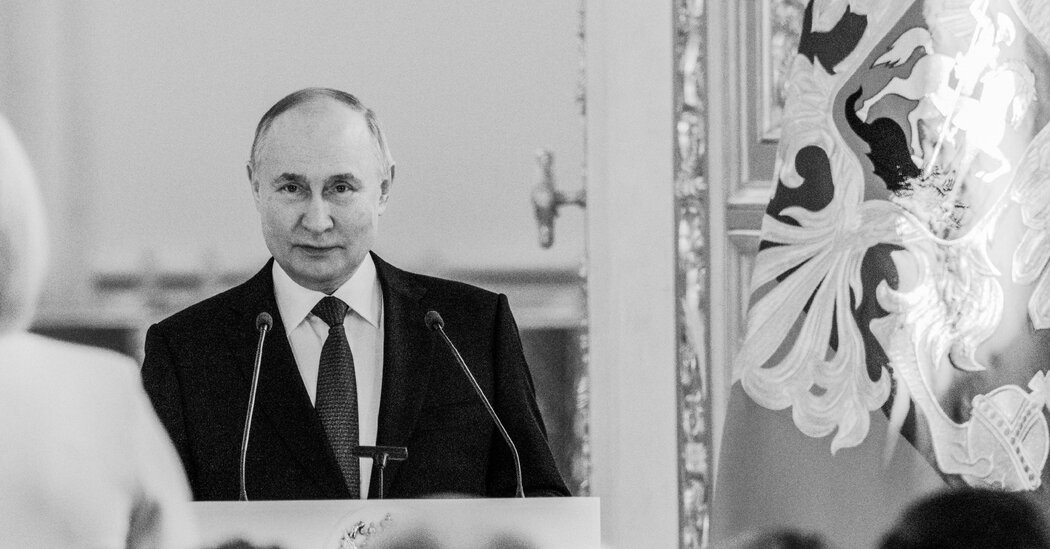
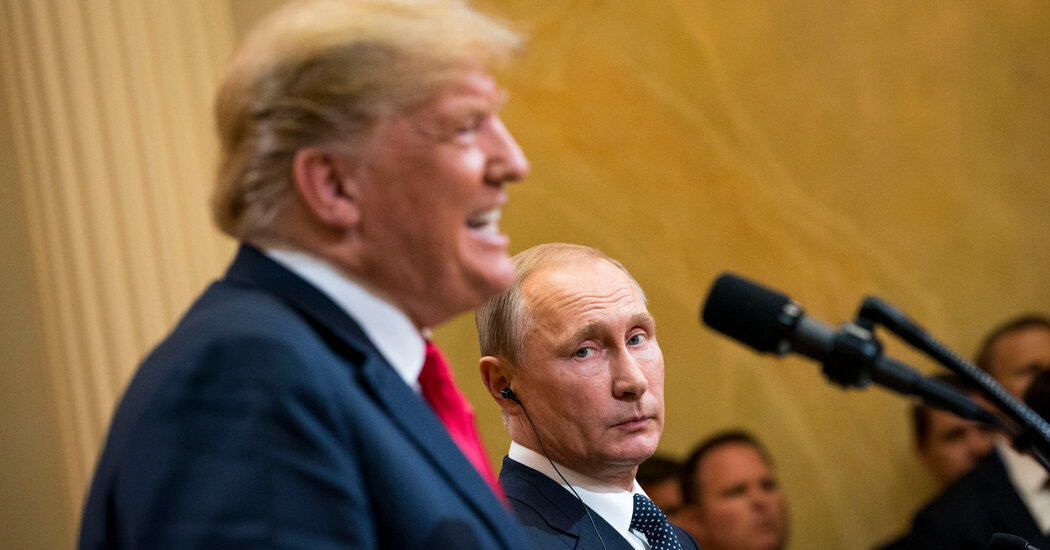
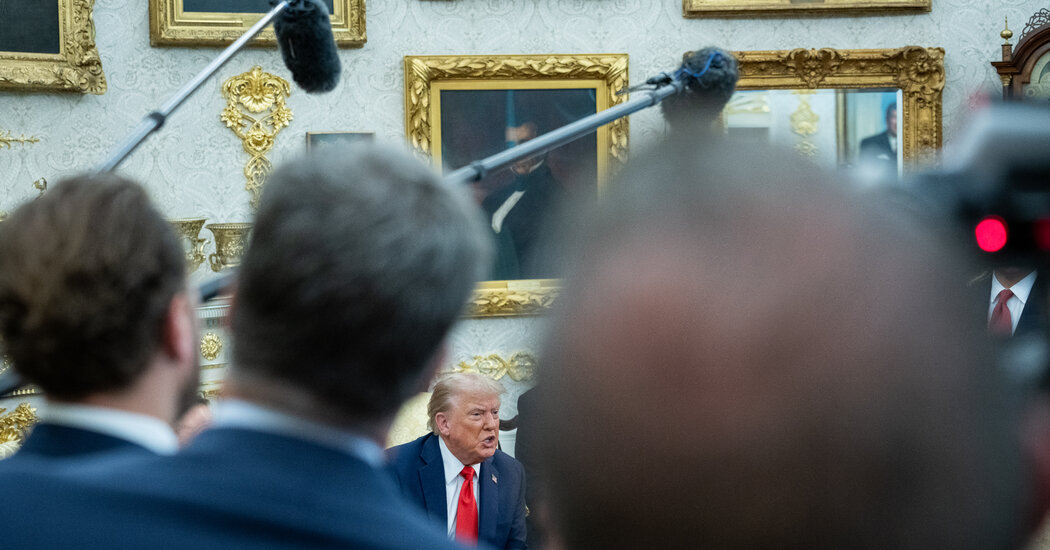
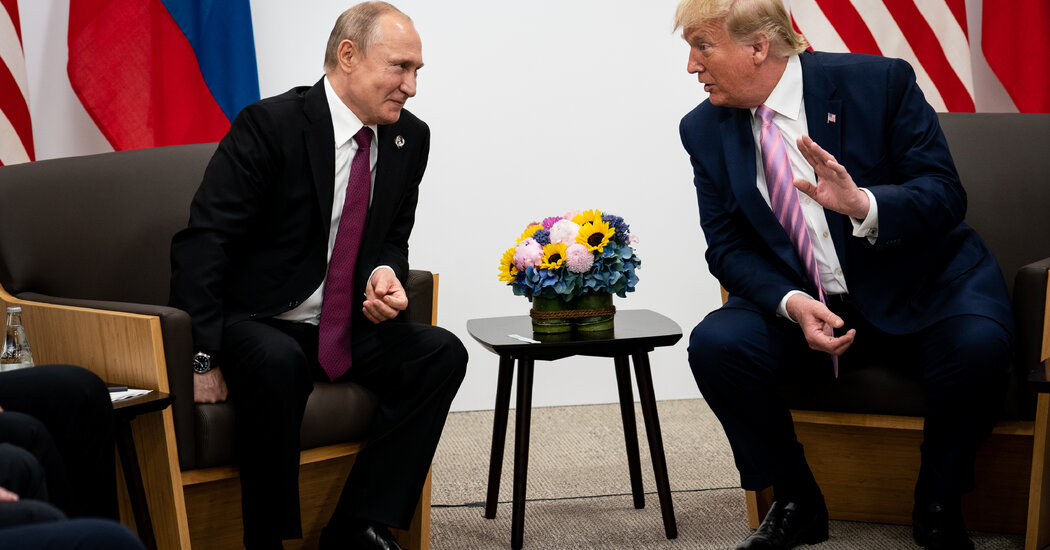
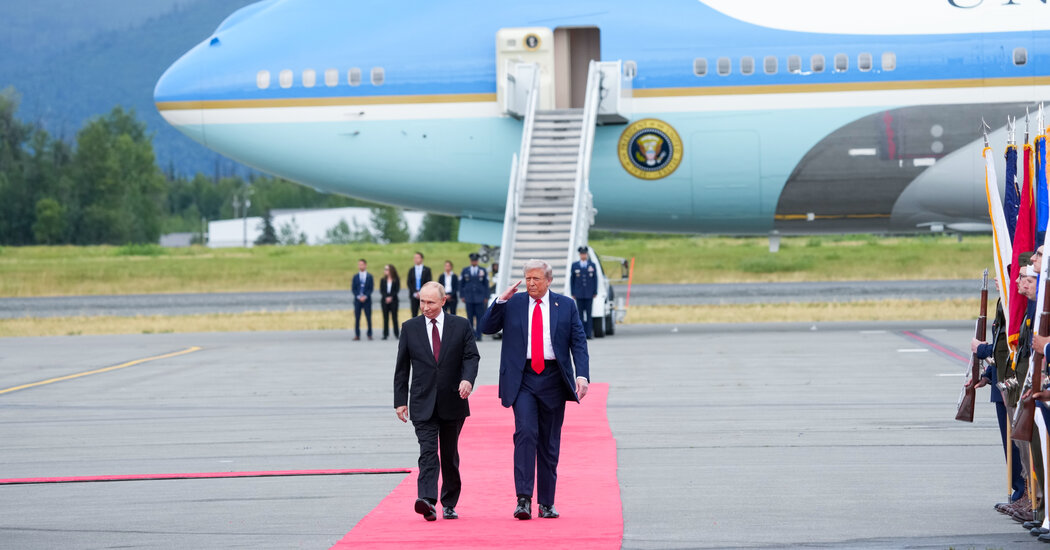
President Trump has not scared the Russian elite. Last week, he declared himself “disappointed” with Vladimir Putin and imposed a shorter deadline — expiring this Friday — for an end to the war in Ukraine, threatening severe economic punishment if it was missed. In Moscow, no one took it seriously. After weathering more than three years of sanctions, the Kremlin believes it can handle anything thrown at it — that’s if Mr. Trump even follows through, which many in Moscow doubt.