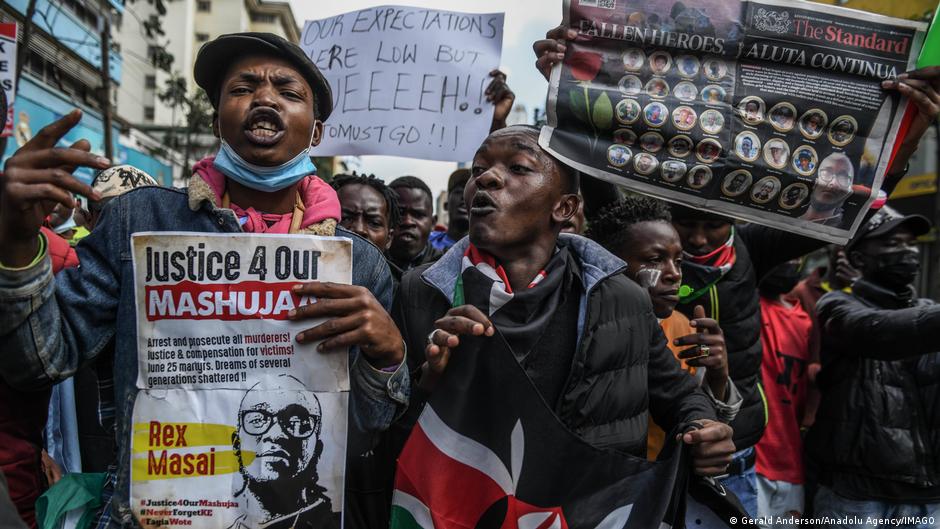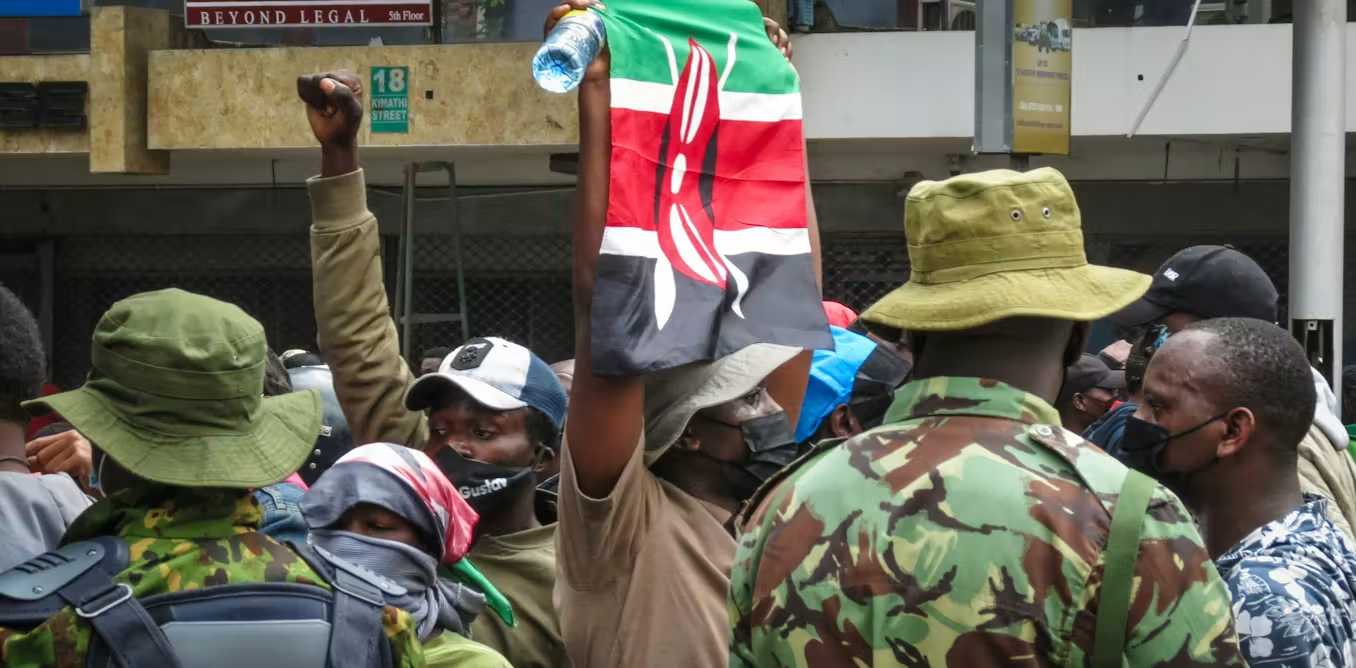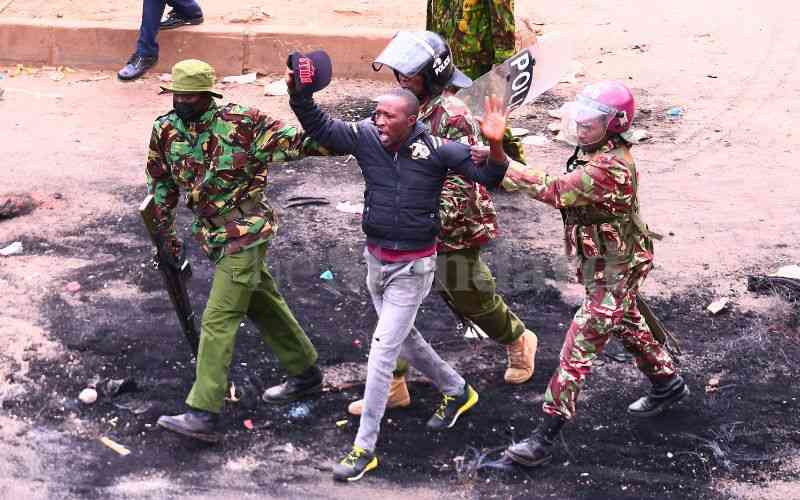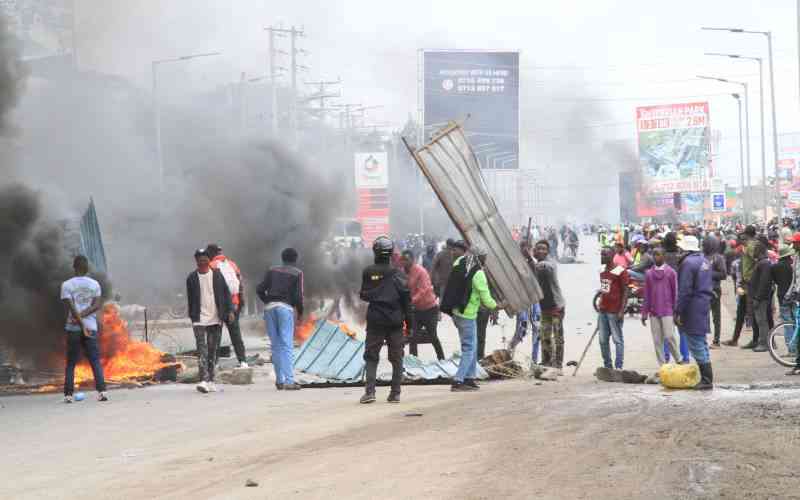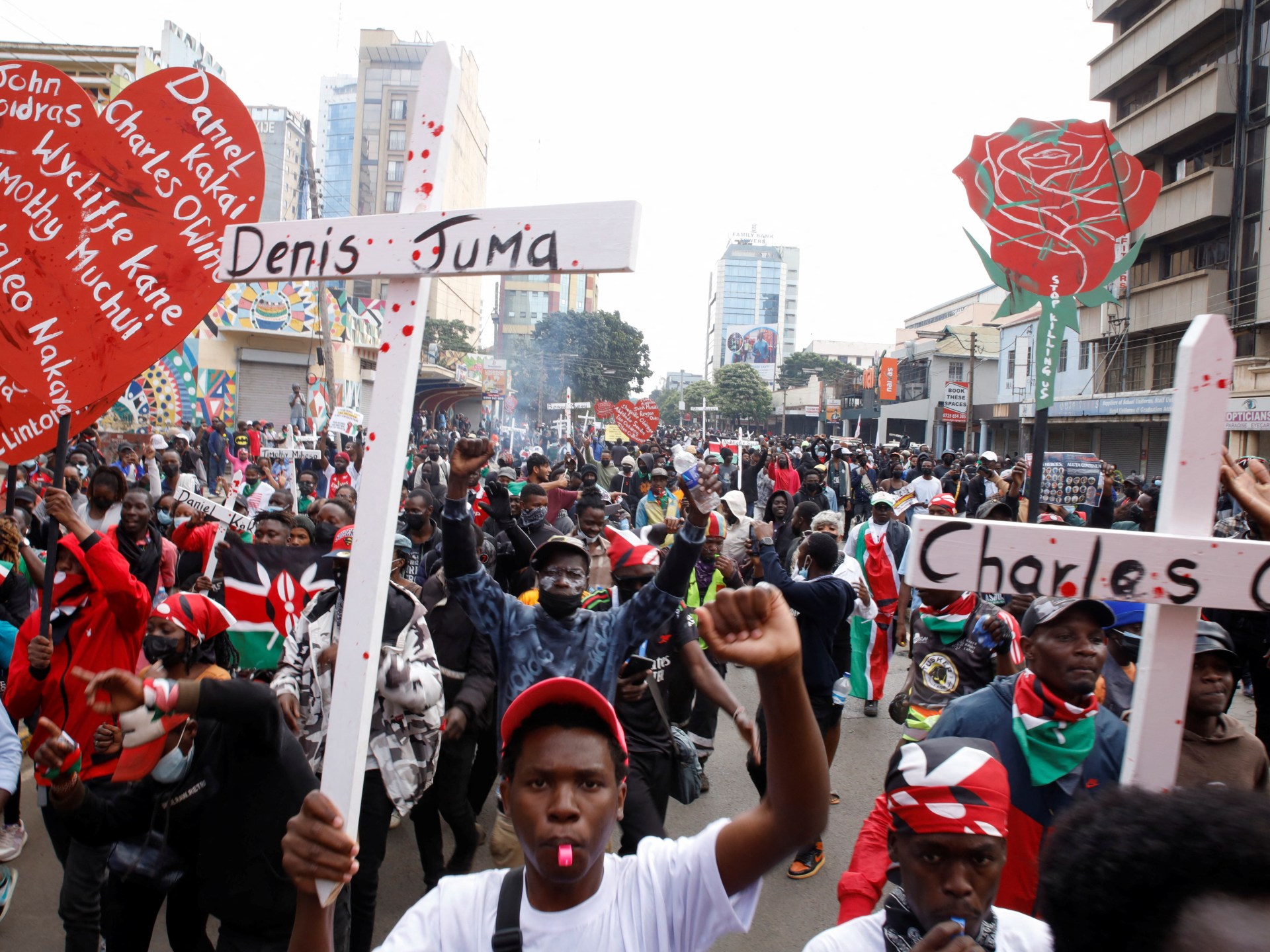
The youth leading the protests must not repeat the mistakes of previous generations. They must demand real change.
In Kenya, as in many countries across the world, street protests are often framed as the unfortunate result of political failure. As the logic goes, the inability of state institutions to translate popular sentiment into political, legislative and regulatory action to address grievances undermines trust and leaves the streets vulnerable to eruptions of popular discontent.
In this telling, protests are viewed as a political problem with grievances expected to be legitimately addressed using the mechanisms – coercive or consensual – of the formal political system.
Like its predecessors, the increasingly paranoid regime of Kenyan President William Ruto has also adopted this view. While generally acknowledging the constitutional right of protest, it has sought to paint the largely peaceful and sustained Generation Z demonstrations and agitation of the past 16 months, which have questioned its rule and policies, as a threat to public order and safety and to delegitimise the street as an avenue for addressing public issues.
“What is going on in these streets, people think is fashionable,” Ruto declared a month ago. “They take selfies and post on social media. But I want to tell you, if we continue this way, … we will not have a country.”