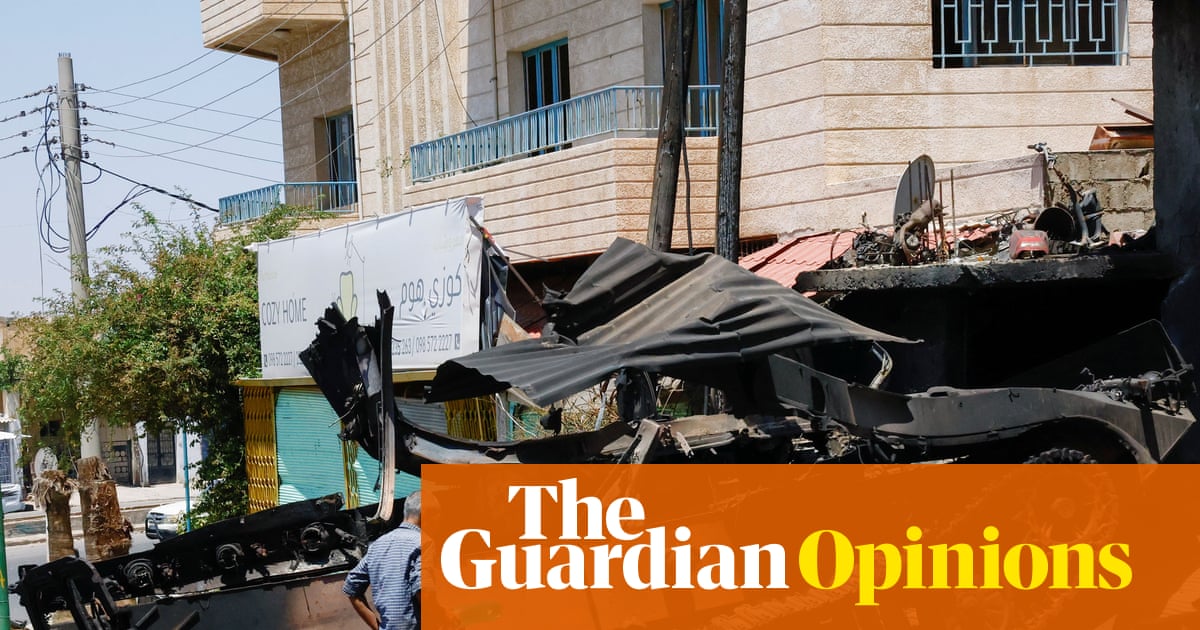
Brutal sectarian violence has left minorities terrified and is unravelling the tentative promise of a better future
A
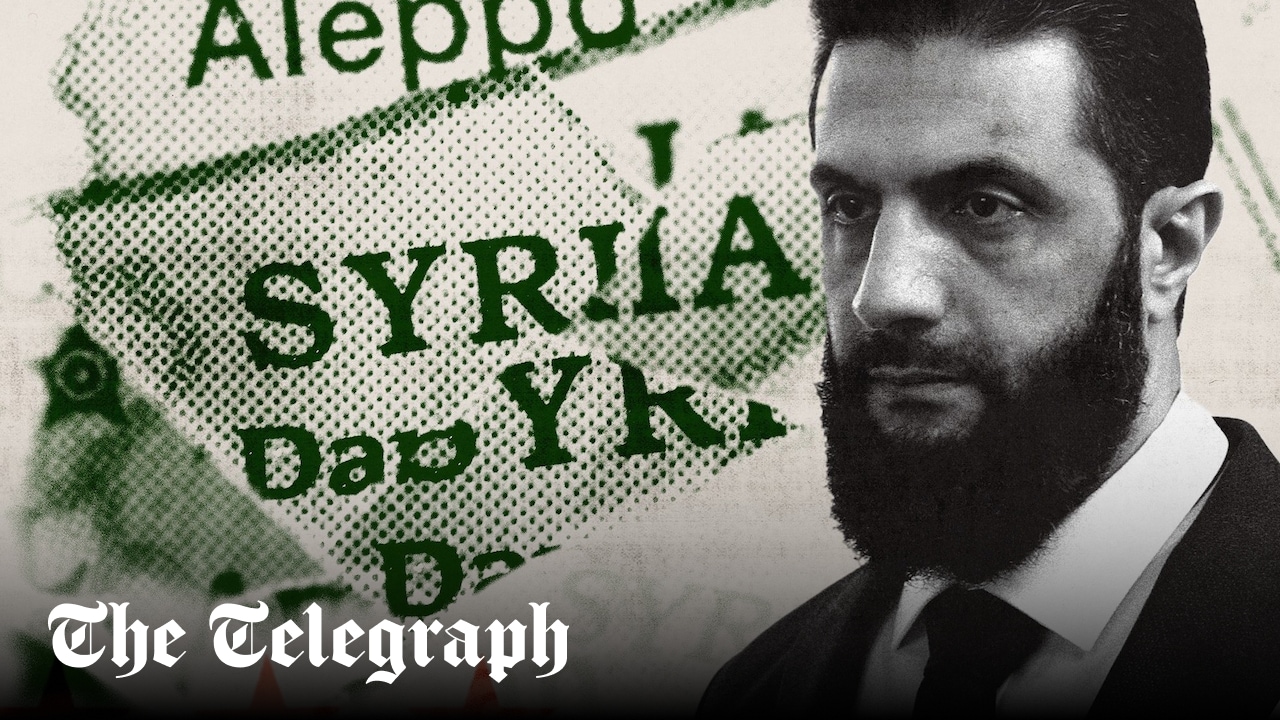
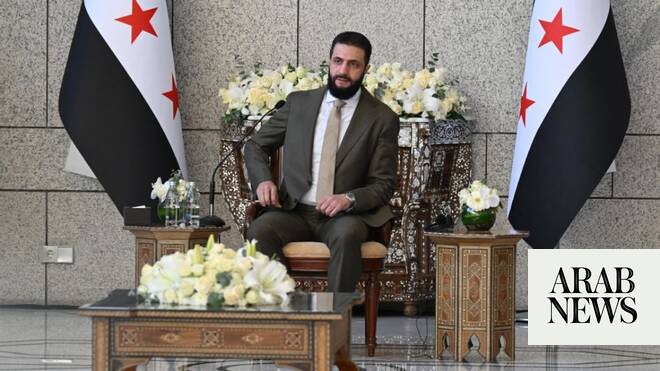
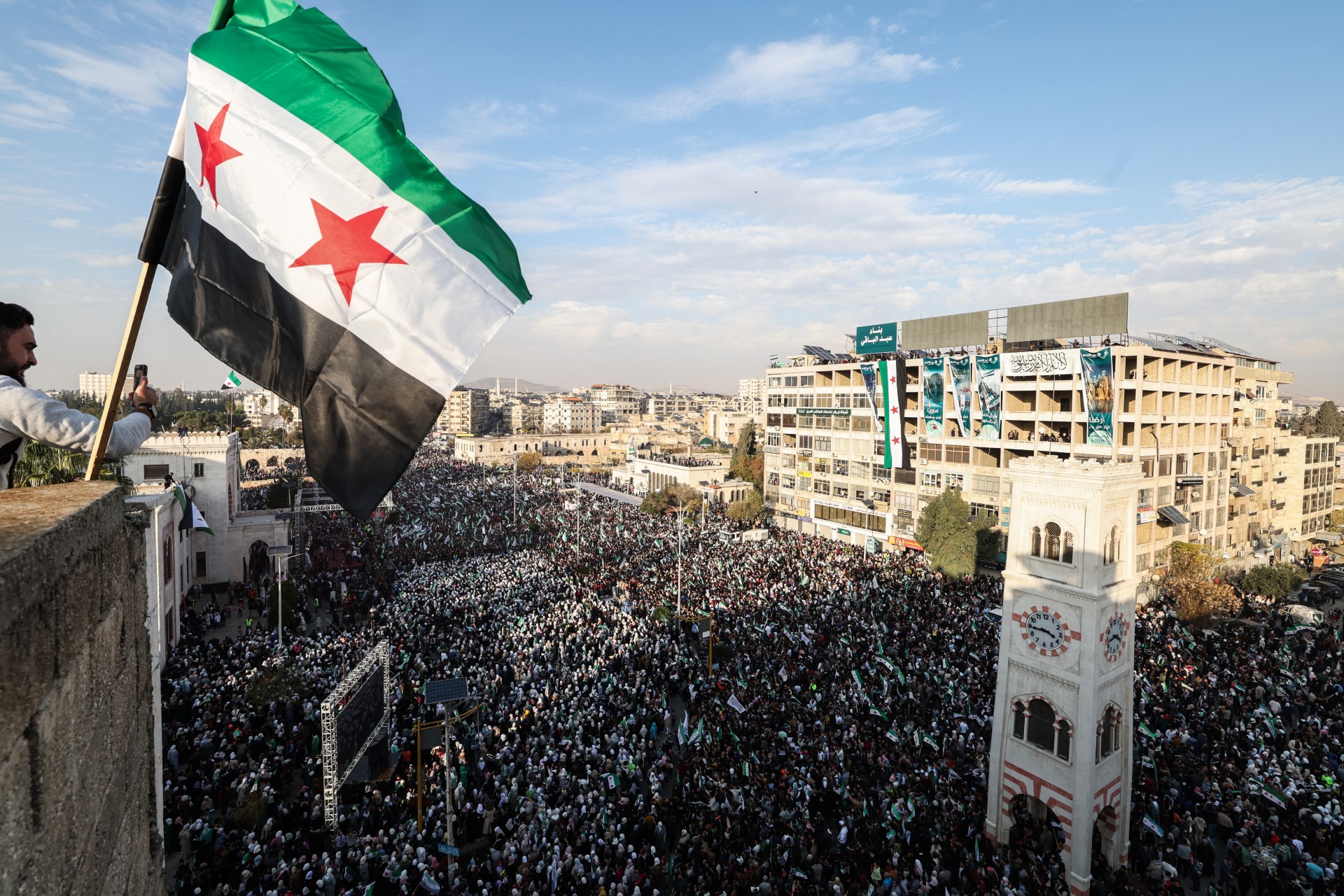
fter five decades of Assad family rule, and almost 14 years of civil war, Syrians knew that establishing a brighter future was likely to be as fraught a struggle as removing their dictator had been. Many greeted the new president – Ahmed al-Sharaa, a former al-Qaida fighter and leader of the Islamist rebel group Hayat Tahrir al-Sham – with excitement, while minorities viewed him with a cautious optimism. Now sectarian violence threatens frail but genuine hopes of a better tomorrow.
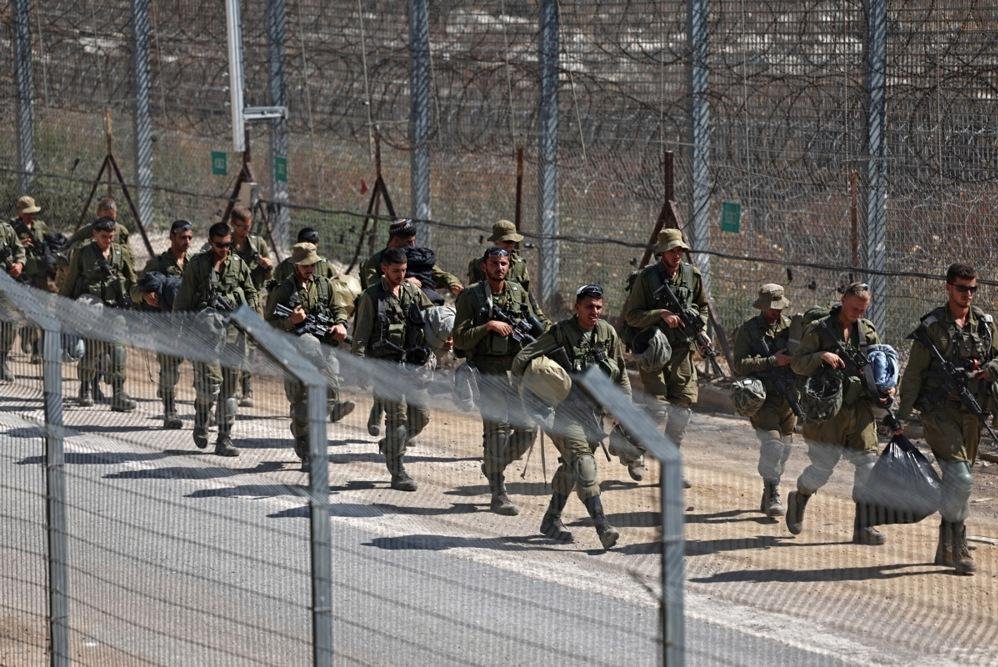
In March, hundreds of mostly Alawite civilians were massacred along the coast, after an ambush of security forces by supporters of the ousted dictator, Bashar al-Assad, a member of the sect. Then, this month, a dispute between a Bedouin tribesman and a member of the Druze minority in the southern region of Sweida swiftly escalated into horrific sectarian mass violence, involving Syrian government forces.
Armed clashes, bombardments, summary executions and then Israeli airstrikes killed hundreds of people, including civilians. What is perhaps most alarming is the speed with which incidents can spiral, and the inability or unwillingness of the new government to control what is less an army than a ragbag of militias and warlords.