Latest wave of displaced citizens curse ‘imperial ambition’ that has led to an estimated one million Russian casualties
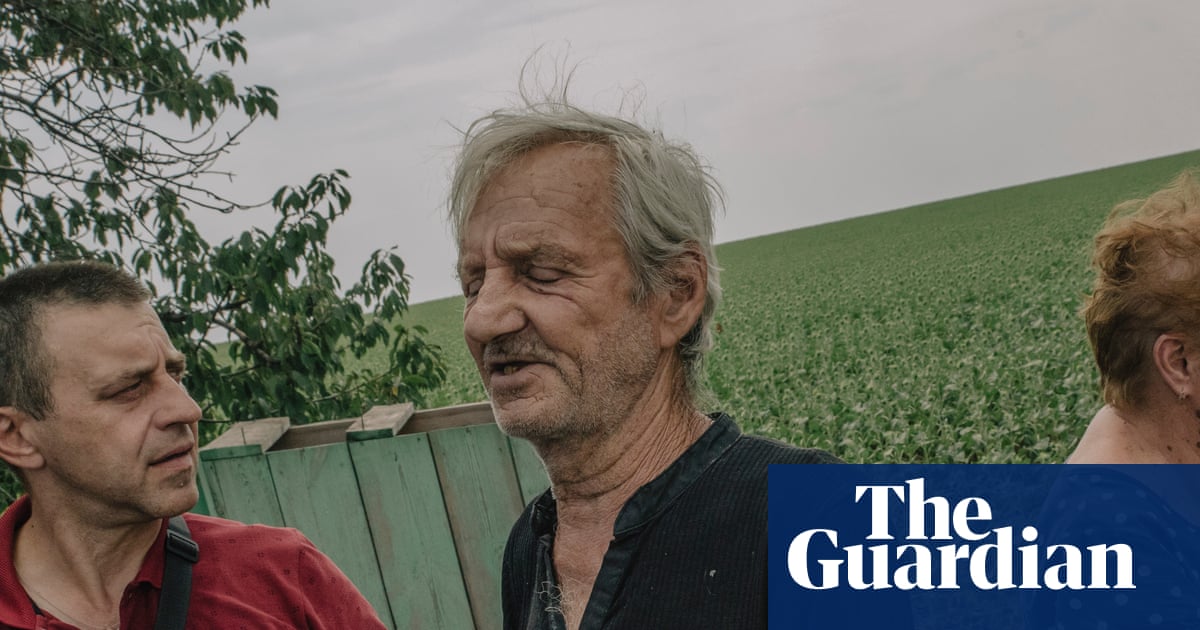
It was last year when Valentyn Velykyi noticed Russia’s war with Ukraine was getting closer. In early summer, it arrived on his doorstep. “You could hear explosions day and night. Recently missiles started flying over my house. There’s a rumbling sound. You can see a trail in the sky,” the 72-year-old pensioner recalled.
Velykyi’s home is at No 18 Petrenko Street, in the small agricultural village of Maliyivka. It is located on the administrative border between Dnipropetrovsk and Donetsk provinces in central-eastern Ukraine. Once Russian troops were far away. Latterly, they have crept nearer, besieging the city of Pokrovsk and capturing one grassy meadow after another.
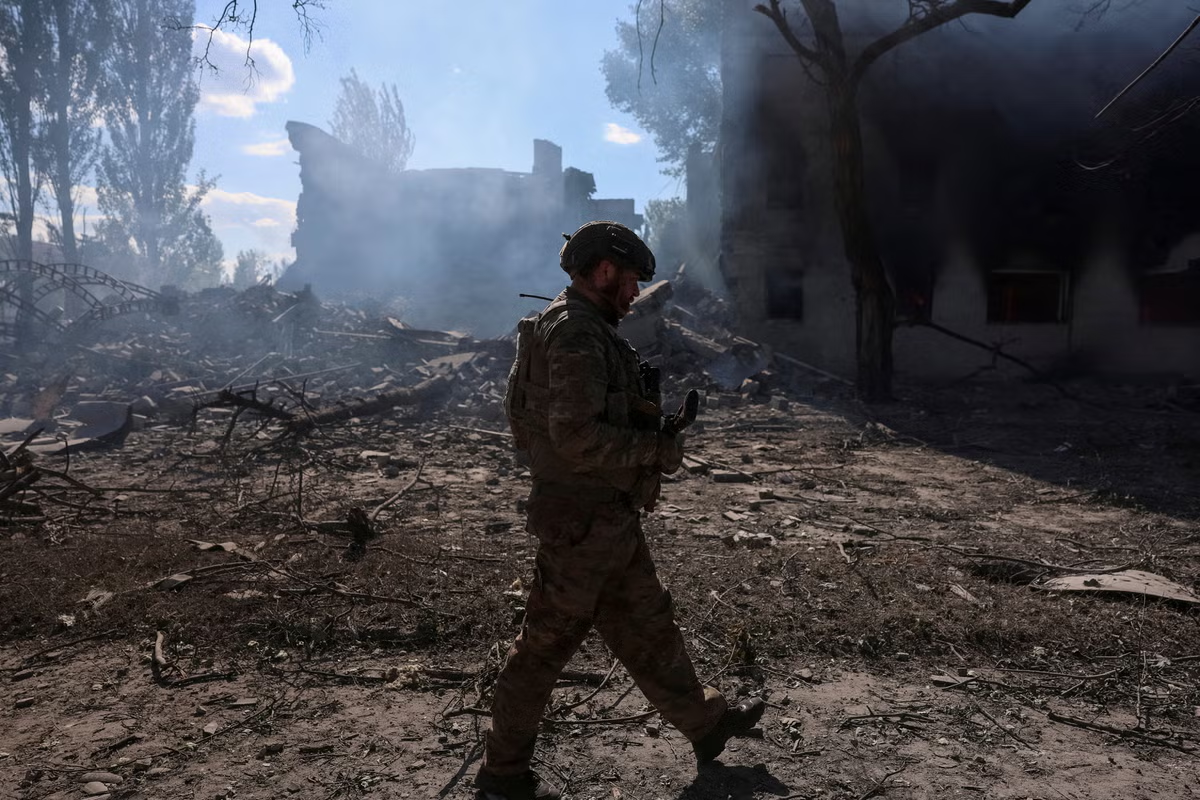
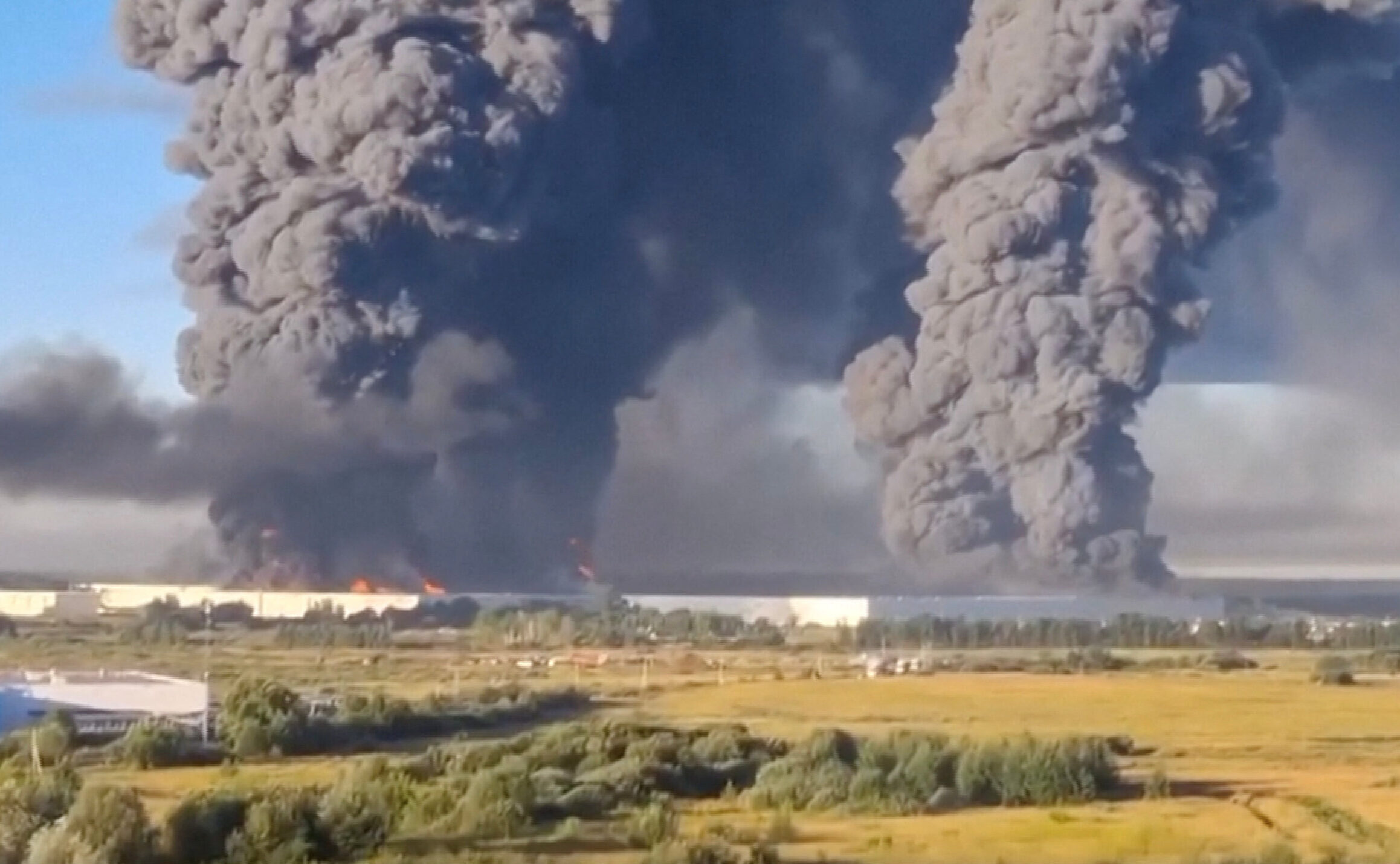
Europe’s biggest war since 1945 continues to rage. Its scale is epic: battles are fought across a 600-mile (965km) frontline. In recent months, the Kremlin has stepped up its bombardment of Ukraine’s cities and towns. Most nights it sends hundreds of drones and ballistic missiles. A weary population has got used to the wail of air raid sirens and the kettle drum boom of explosions.
In May, fighting engulfed Maliyivka. It became a Russian target. First, the house by the old bus stop was destroyed. Then everything got hit. The village’s 300-odd residents left, with the exception of Velykyi and his equally stubborn neighbour Mykola. For a while volunteers dropped off food and water for the pair. Eventually, when it got too dangerous, they stopped coming.