https://arab.news/v64t3
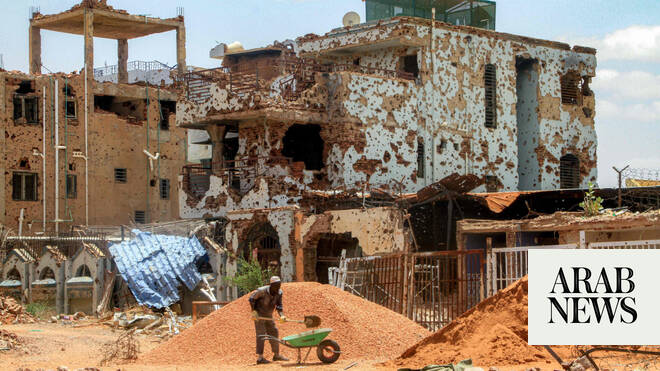
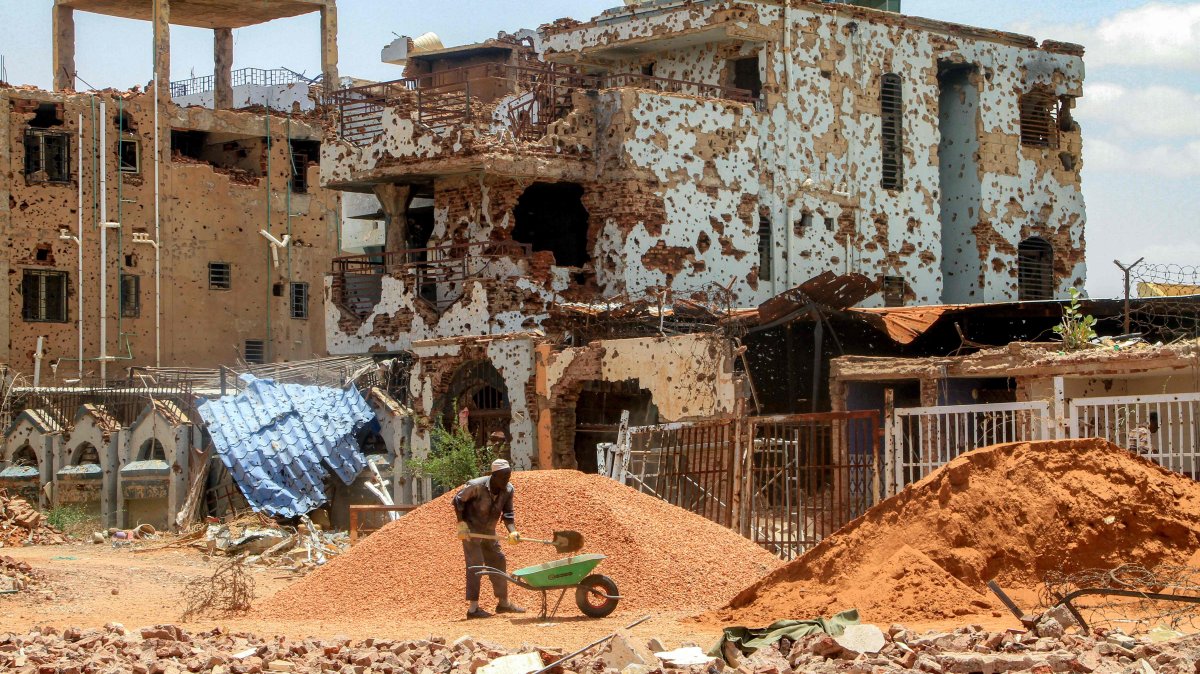
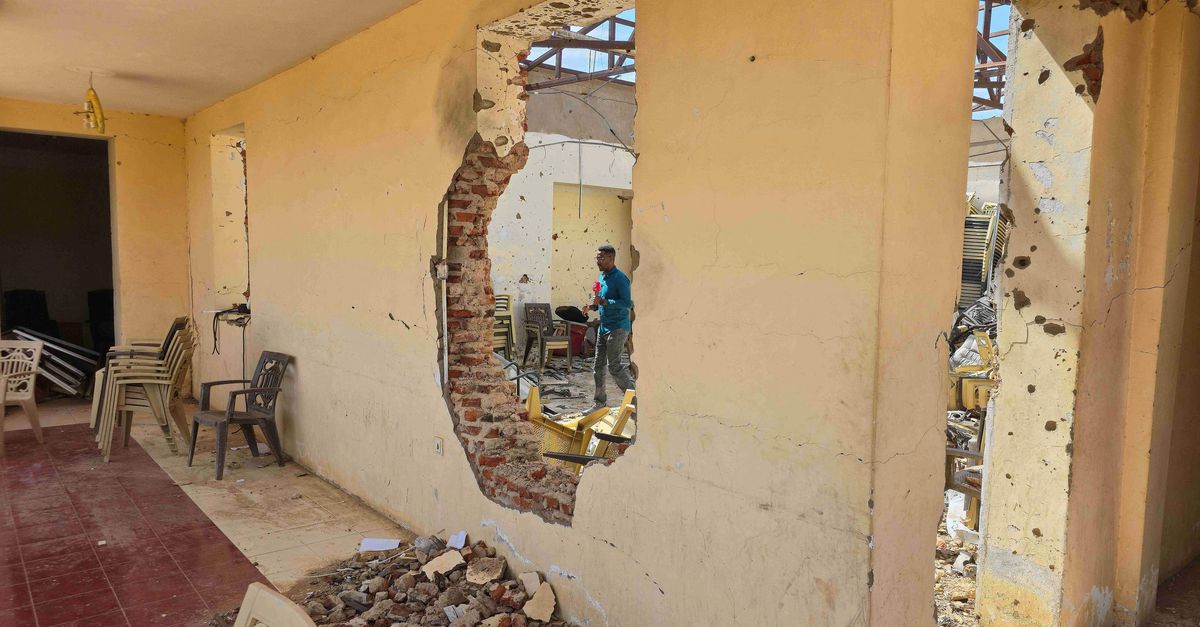
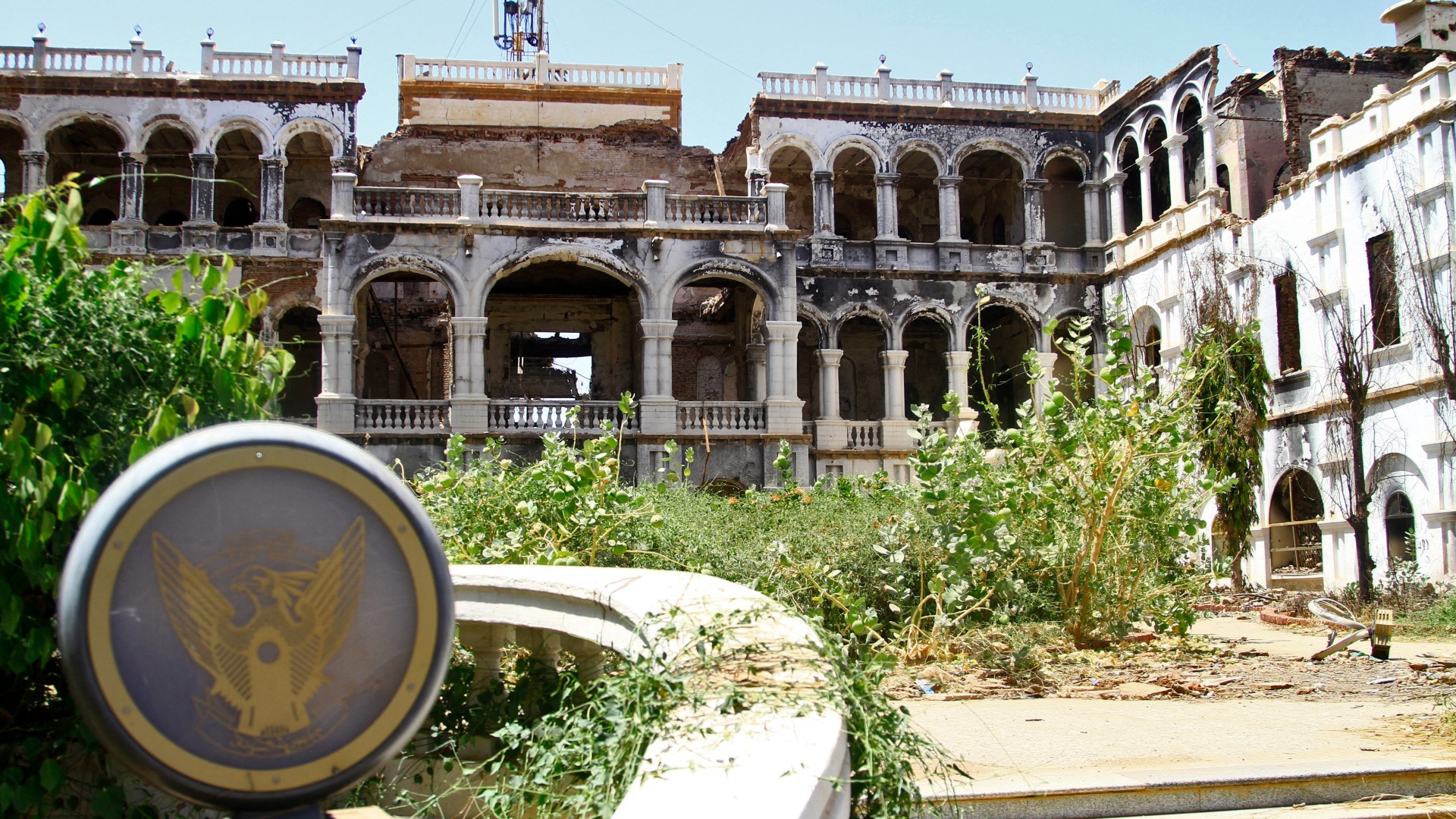
Footage emerging from Sudan’s capital, Khartoum, defies belief. Once-bustling streets like Al-Jumhuriya Road and Al-Soug Al-Arabi now lie silent, covered in smoke and rubble. What was once a center of commerce, life, and resilience has turned into a ghost city, hollowed out by a war that has not only destroyed buildings, but also shattered trust.
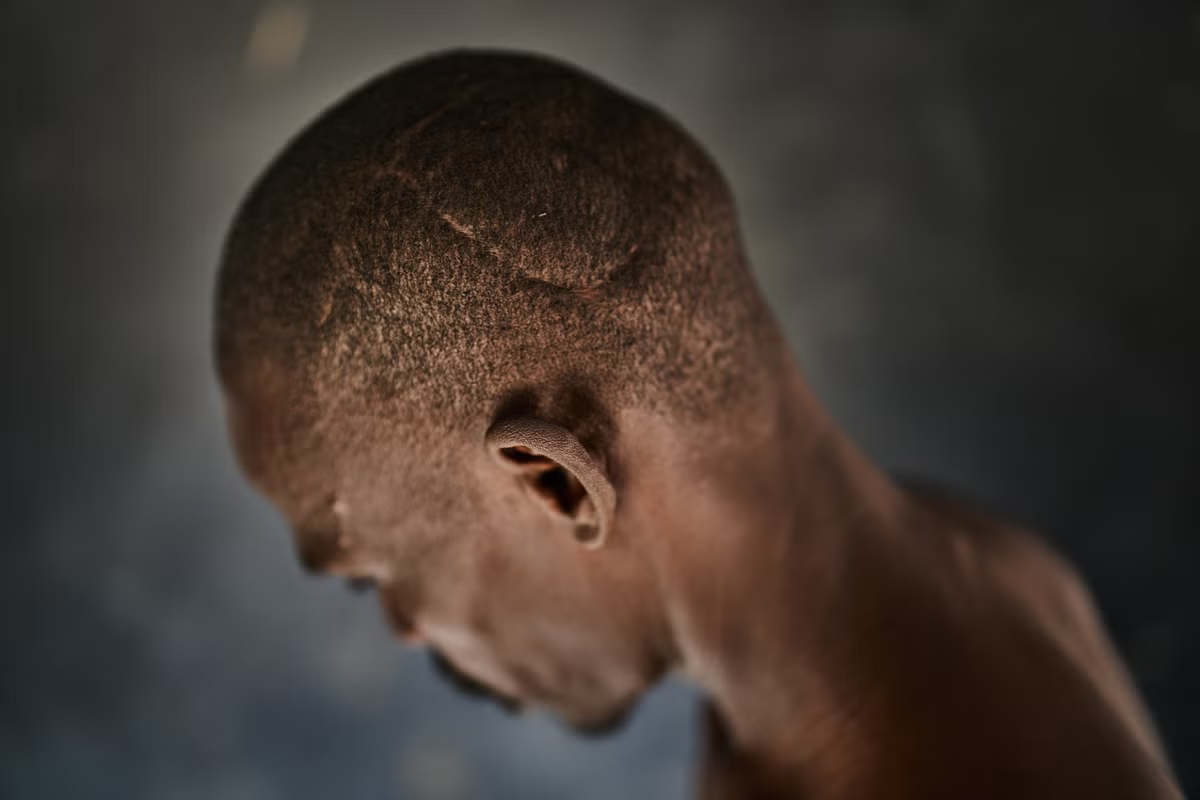
This war, sparked in April 2023 between the Sudanese Armed Forces and the Rapid Support Forces, has left deep physical and psychological scars. But as calls for ceasefires and peace negotiations continue, a pressing question remains: What will it take to bring life back to Khartoum? Is the end of war enough?
The answer is no. True reconstruction starts not with cement, but with people, particularly the return and empowerment of Sudan’s middle class. Any vision for postwar recovery that overlooks this group is bound to fail. Teachers, engineers, doctors, journalists, small business owners, and civil servants — these are the people who sustained Sudan’s urban life, held communities together, and fueled the country’s economic engine.
What was once a center of commerce has turned into a ghost city