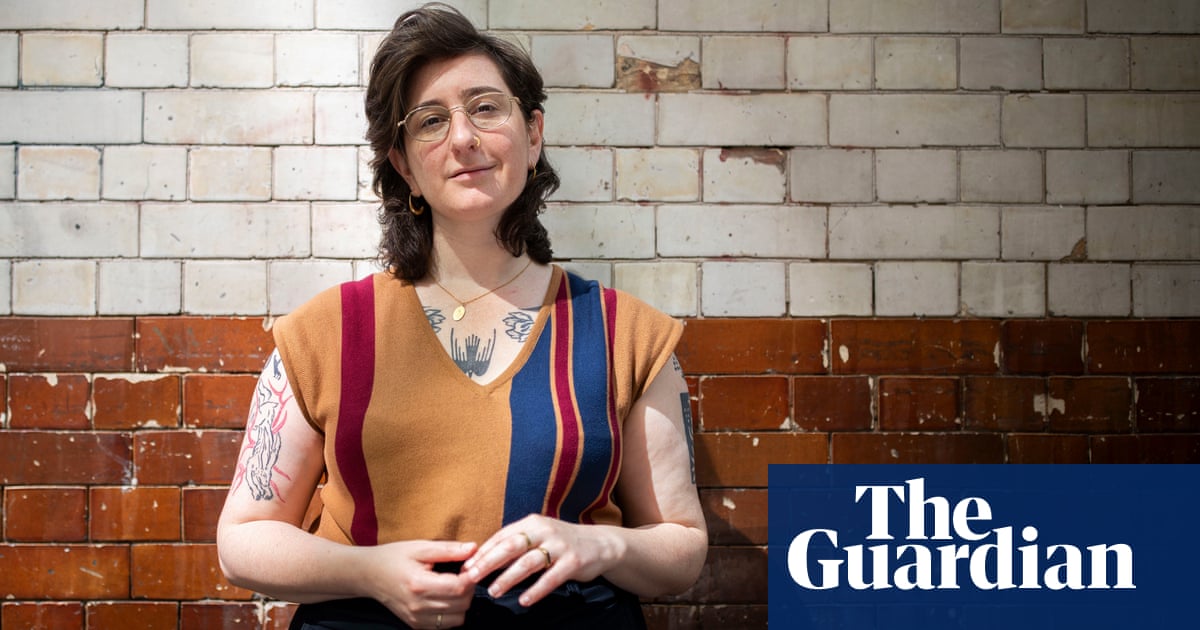
I was never formally introduced to Andrea Gibson’s poetry. They just felt like kin from the beginning, like a queer cousin I always knew.
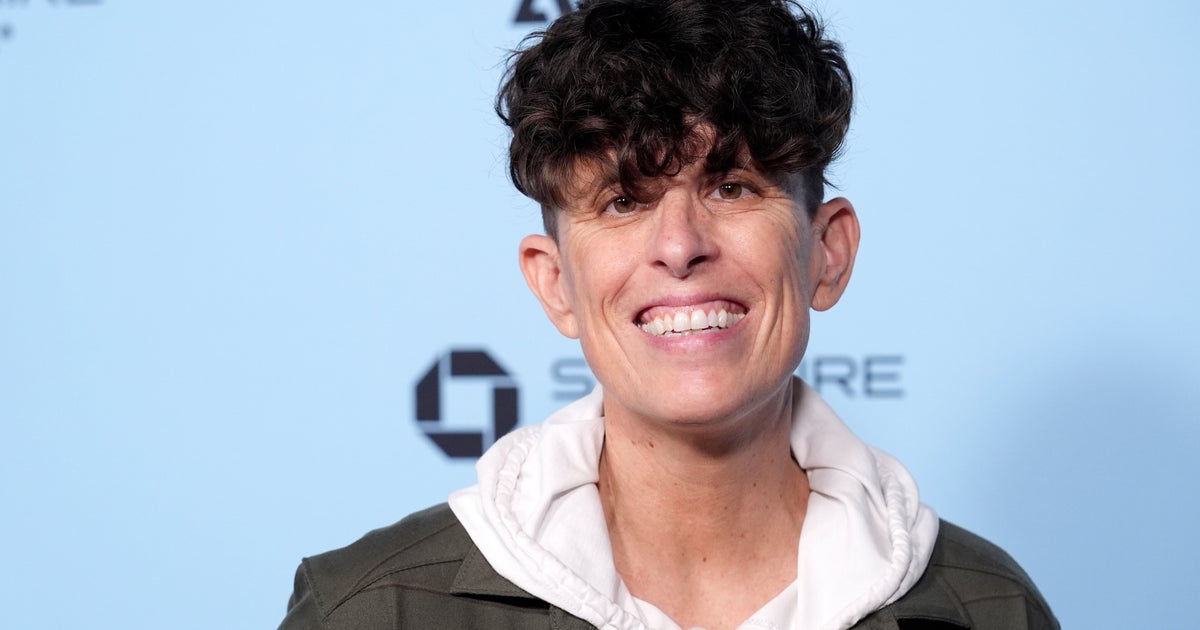
Gibson — a queer poet, activist and performance artist who explored identity, mental health, politics and their battle with terminal cancer — died Monday at age 49. When I listened to them read, it felt so much like listening to myself that when they uttered some tiny, intimate truth that might seem too private to be voiced, I would gasp at the familiarity of their words.
Me too, gender ambivalence. Me too, sapphic obsession. Me too, love-hating the body that holds me. Me too, scream-crying at the history of human cruelty. Me too, loving the world too much.
I have heard Gibson called a “poet’s poet,” but in a less obvious way. In all my exorbitant years of schooling, Andrea Gibson never appeared on a reading list. Academics don’t generally know what to do with spoken-word poetry, and once you add in Gibson’s queerness and confessionality, they basically embodied everything academic poetry condescends to and abhors — despite their virtuosity.
I didn’t even know Gibson was truly famous until their death. Since I didn’t learn about them in school, my relationship with their work felt intimate and singular. It turns out everyone felt that way. I think that’s what it actually means to be a poet’s poet — everyone everywhere gasping, “Me too,” like widows meeting our sister wives.