Belgian GP’s home is a rite of passage for drivers and fans alike, but the circuit faces a battle to stay on the calendar
E
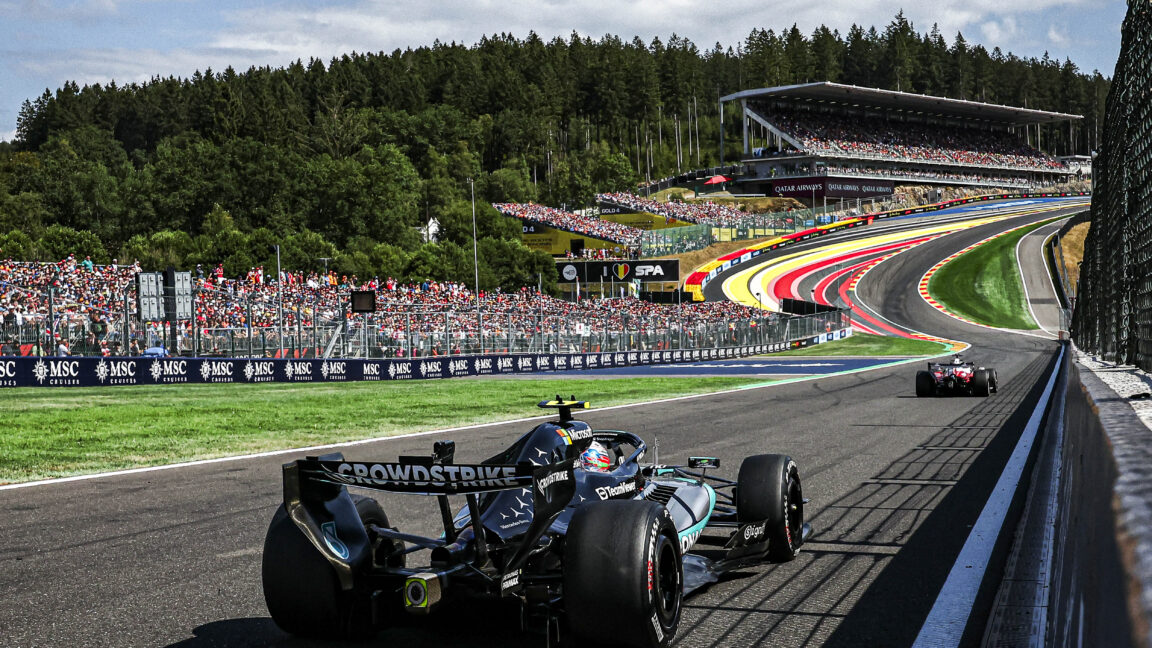
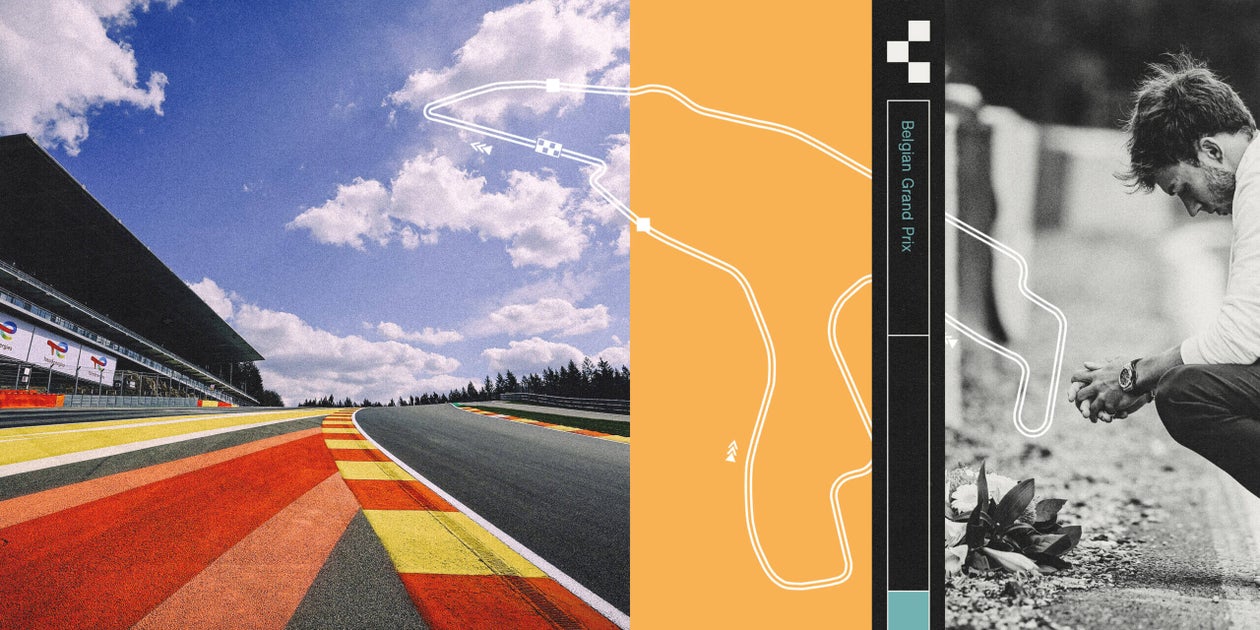
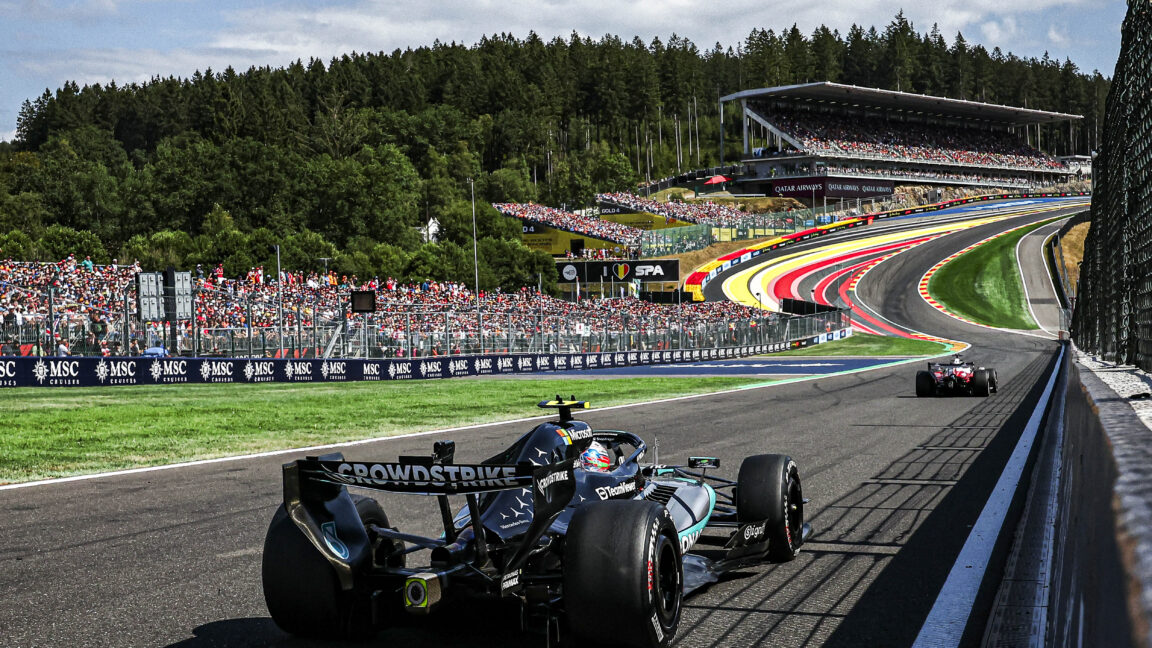
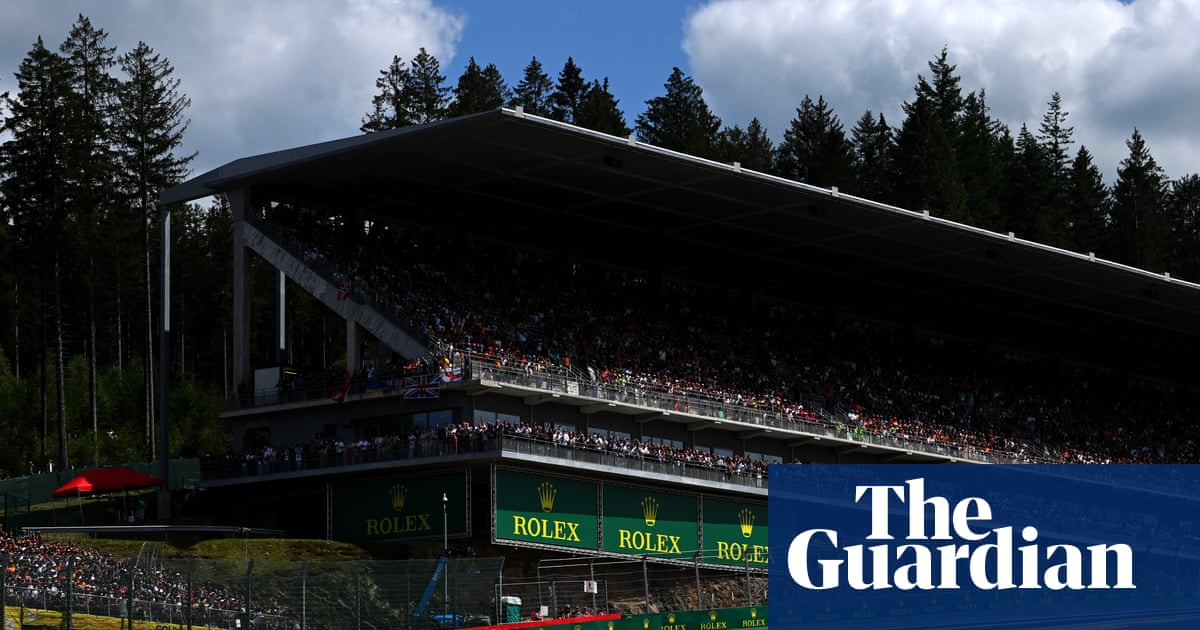
ach summer, fans descend on the Belgian countryside, braving unpredictable weather and muddy campsites for a glimpse of Formula One’s most romanticised battleground. Tucked in the Ardennes forest, Spa-Francorchamps, hosting the Belgian Grand Prix this weekend, is a rite of passage for drivers, a pilgrimage for fans, and for many, the heart and soul of motor sport.
Since its debut on the calendar in 1950, Spa has carved itself into F1 folklore. Mika Häkkinen’s audacious double overtake on Michael Schumacher and Ricardo Zonta in 2000 is one of the sport’s most celebrated moves. In 2023, Max Verstappen stormed from 14th to victory in an epic comeback. Ayrton Senna won five times there, calling it his favourite circuit, a sentiment echoed by many current drivers.
At 7km long with 19 corners, Spa is the longest track on the calendar and home to some of F1’s most distinguished features. Nowhere is this clearer than at Eau Rouge and Raidillon, a sweeping blind uphill left-right kink that rewards precision and bravery in equal measure. Lewis Hamilton once described the thrill as a stomach-churning plunge that makes it feel like everything might come up at once. “It’s quite the rush when you’re doing 200mph,” he admitted.