The government now faces a daunting task to show that society’s concerns can be reflected. It will need to do better than this
It was meant to be a cosy conversation about cooking and new motherhood.
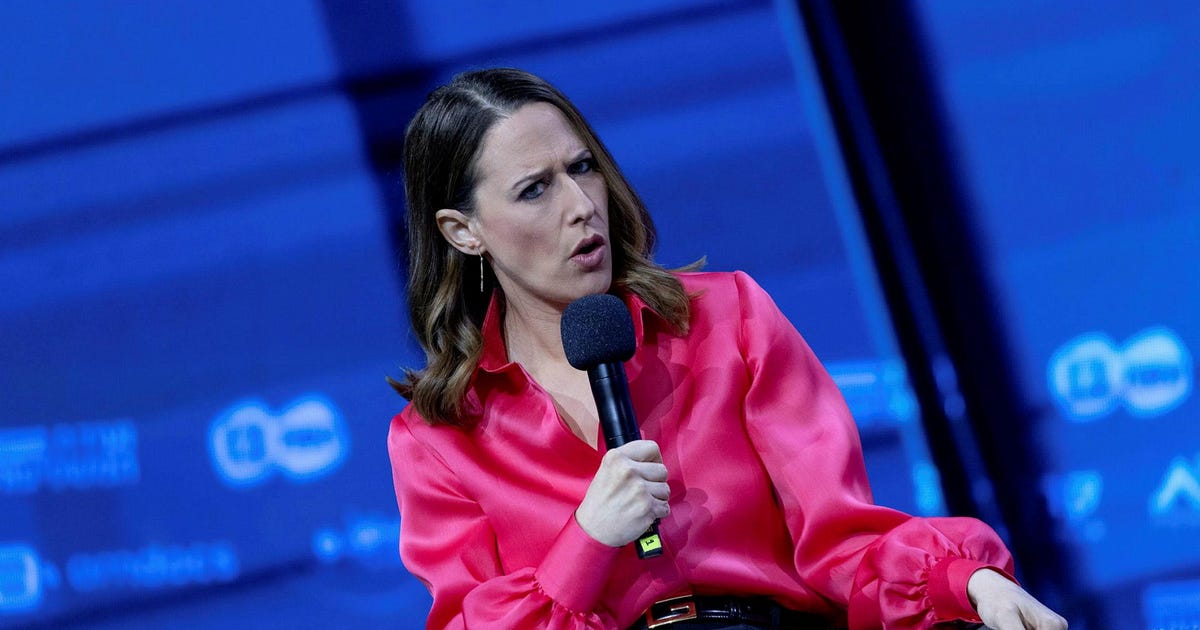
But BBC Radio 4’s Woman’s Hour took an unexpectedly bleak turn on Thursday morning, when the chef Yasmin Khan turned suddenly tearful in the middle of promoting her new cookbook, saying she couldn’t talk about her own struggles to breastfeed without mentioning the mothers in Gaza unable to provide for their literally starving babies.
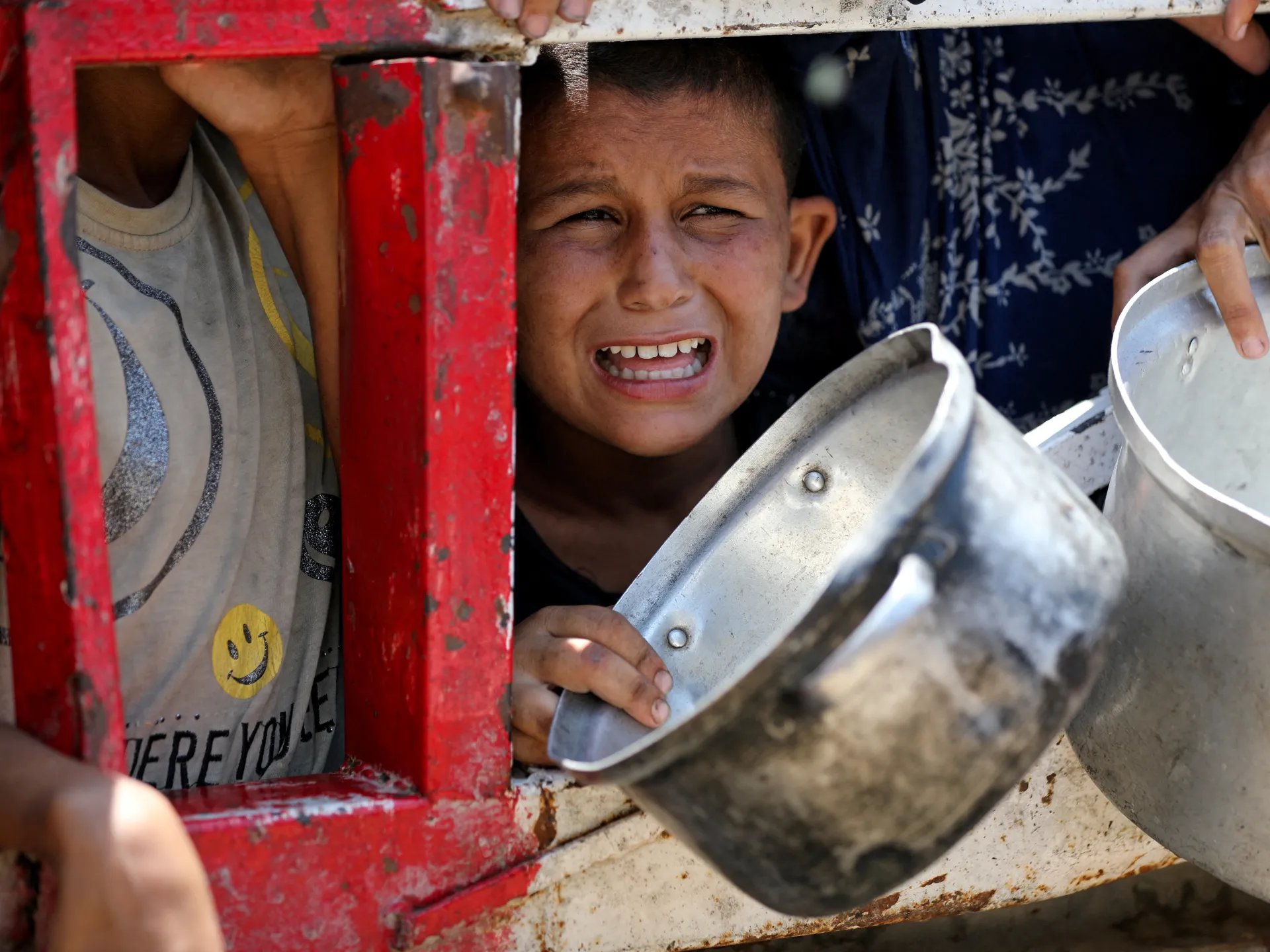
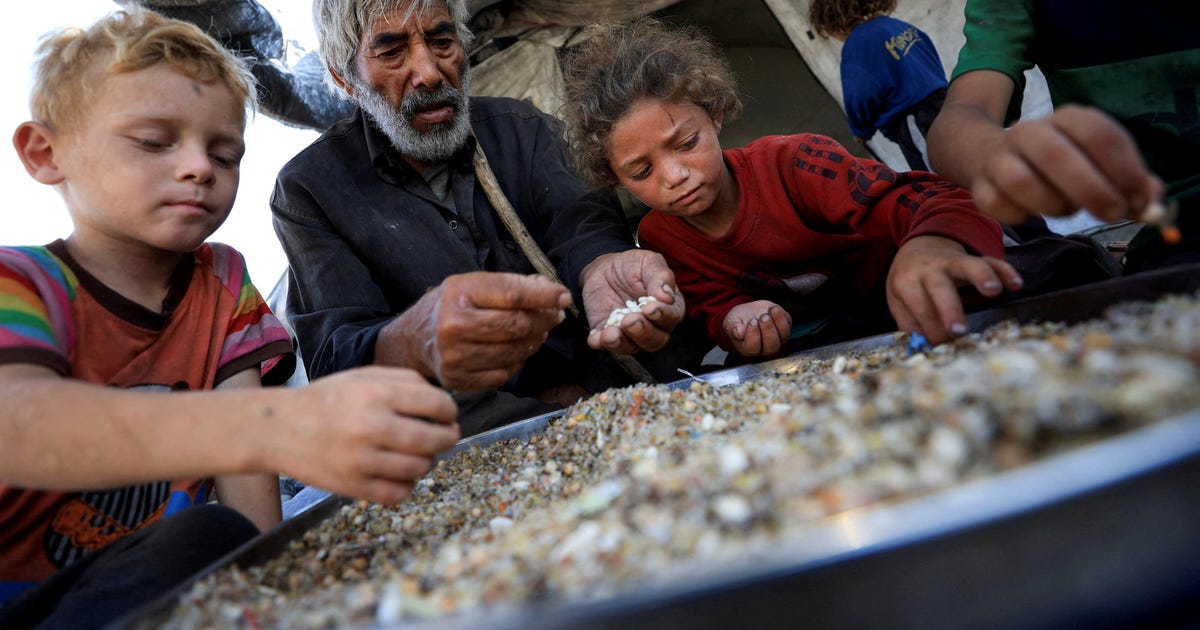
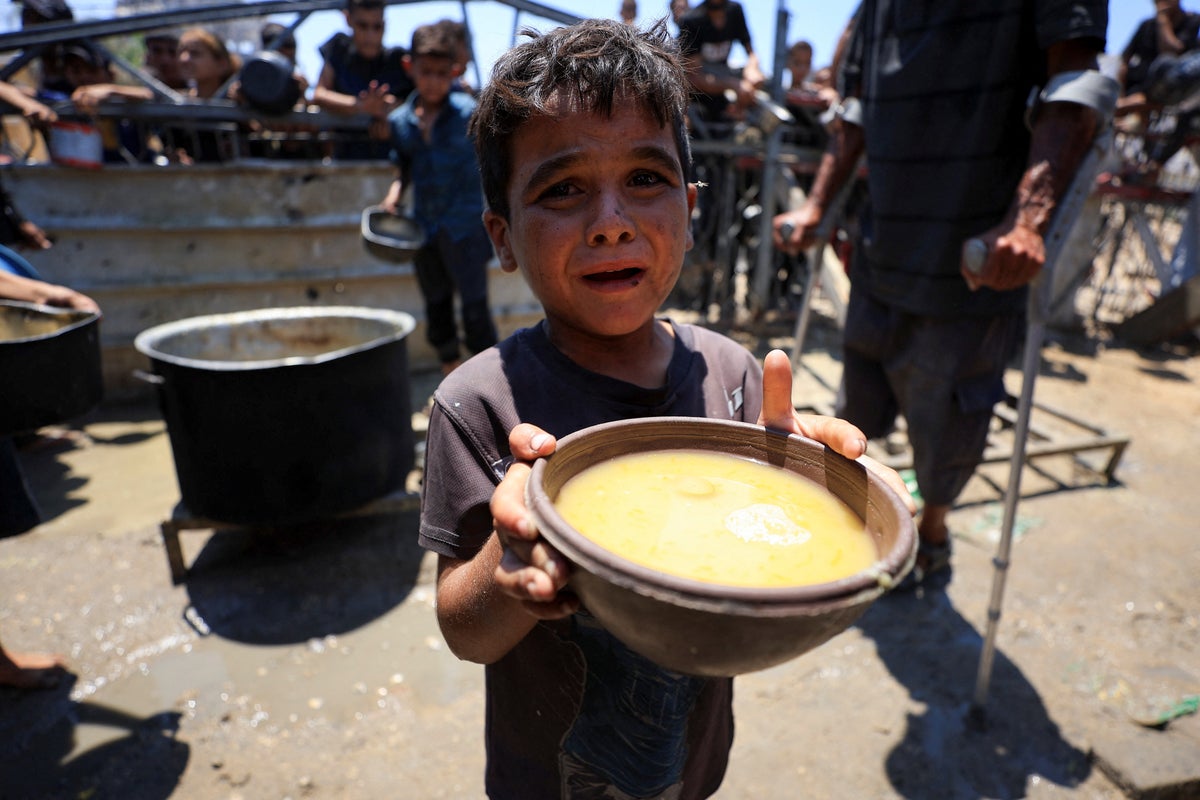
It was a striking illustration of how far this medieval horror has broken through, bleeding across the everyday lives even of people who don’t usually follow politics. You don’t have to know anything about the Middle East to understand what those newspaper pictures of emaciated children, with their drawn little faces and heartbreakingly visible ribs, mean. This is what famine looks like, right down to the return of Bob Geldof, begging the world to act just as he did 40 years ago at Live Aid. Except this time it’s no natural disaster, but what the World Health Organization calls a man-made mass starvation: the chillingly avoidable consequence of an aid system forcing people to choose between risking their lives for a bag of flour, or dying for lack of one.