https://arab.news/p4k8x
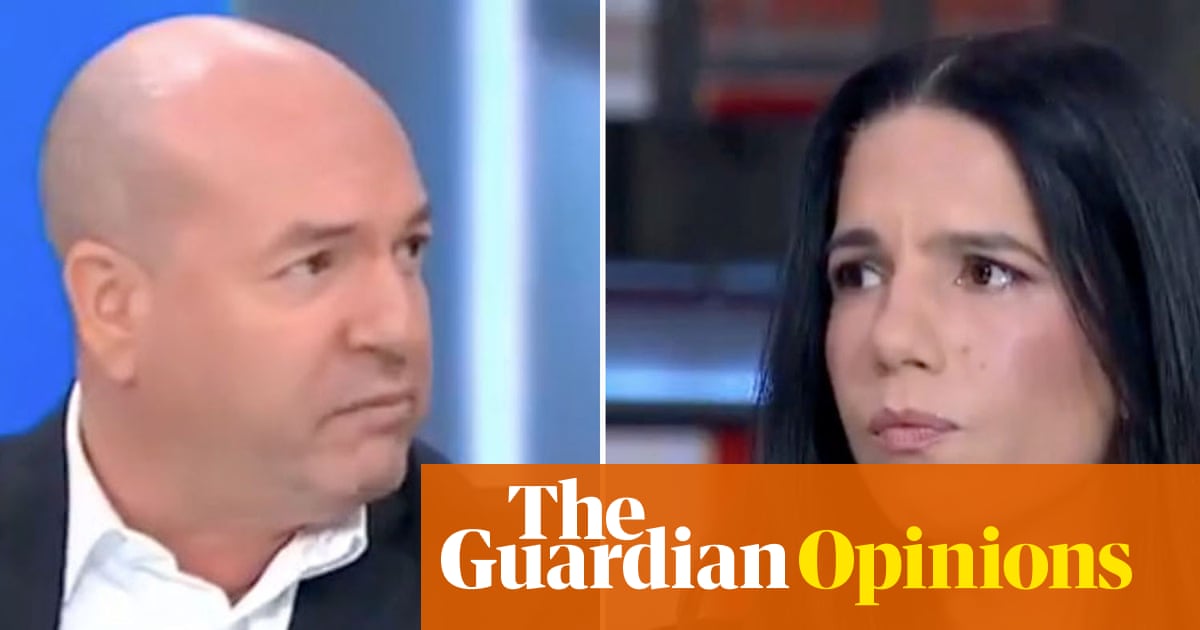
When a guest tried to bring up events in Gaza on Israel’s Channel 13 in July, the host — former English Premier League footballer Eyal Berkovic — responded: “Why should we care?” According to Haartez’s Roy Schwartz, writing in The Guardian, the exchange, where guest panelist Emmanuelle Elbaz-Phelps attempted to discuss Gaza only to be cut off and dismissed, is a typical feature of Israeli television’s approach during the nearly two-year-long conflict.
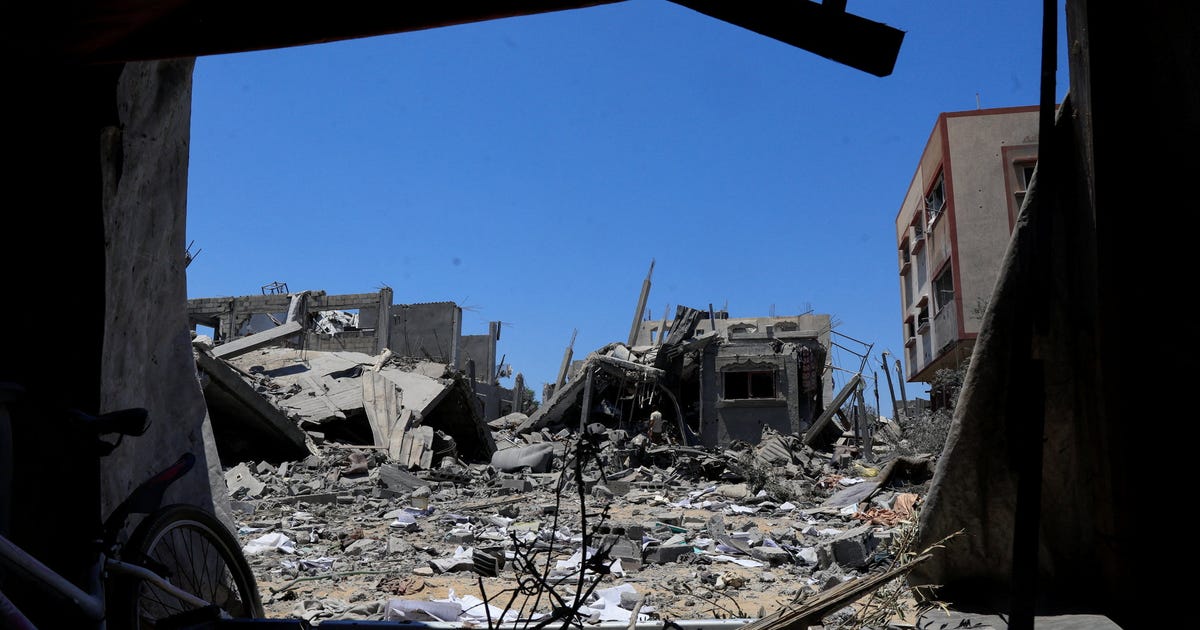
“References to the suffering of unarmed Palestinians are still relatively rare,” Schwartz laments, with even the recent declaration by the UN that Gaza City is experiencing famine being met with “disbelief, seasoned with sarcasm.” The concern, voiced by several Israeli authors and activists, as well as prominent outsiders like UN rights chief Volker Turk, is that this continues a trend of dehumanizing the Palestinians in Gaza.
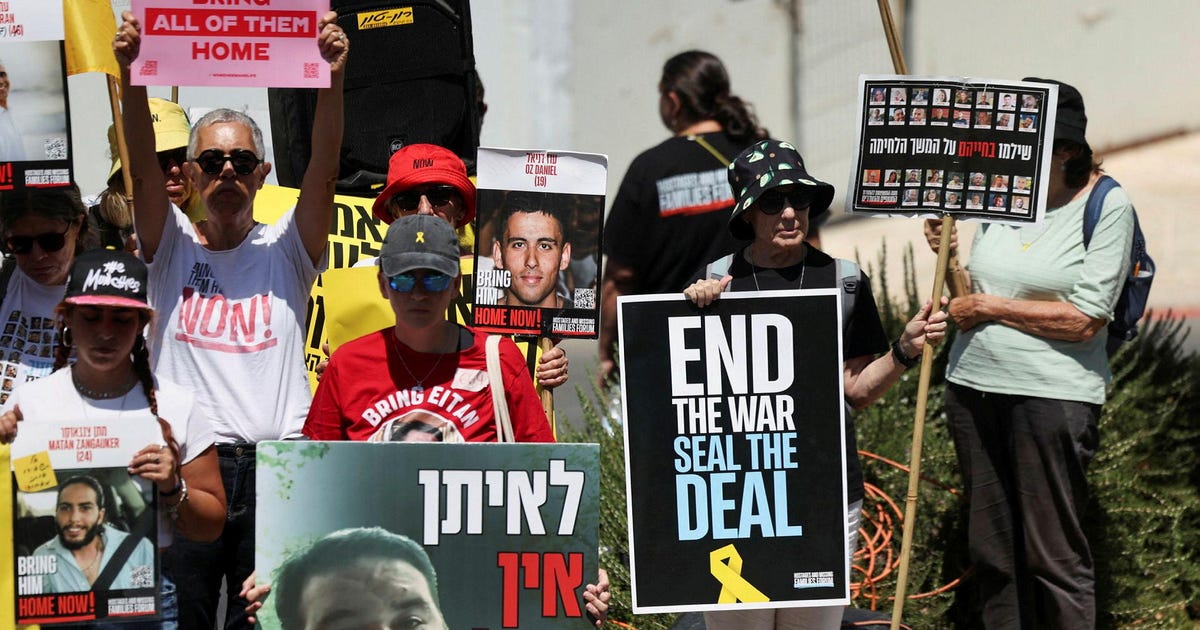
As seen by the frequent protests against the war in Tel Aviv, many Israelis reject the dehumanizing discourse. A diverse section of society wants the war to end and many protesters hold “stop Gaza genocide” signs, emphasizing their empathy with suffering Palestinians.
Moreover, of course, Hamas propaganda has its own dehumanizing discourse of Israeli society, contributing to the extent of the slaughter wreaked on Oct. 7, 2023. Many Israeli officials, though, espouse dehumanizing rhetoric. Finance Minister Bezalel Smotrich’s statement in August 2024 — that “nobody will let us cause 2 million civilians to die of hunger, even though it might be justified and moral, until our hostages are returned” — is one such prominent example. More recently, Tally Gotliv, an MP from Benjamin Netanyahu’s Likud party, stated: “There are no noncombatants in Gaza. Everyone is responsible.”