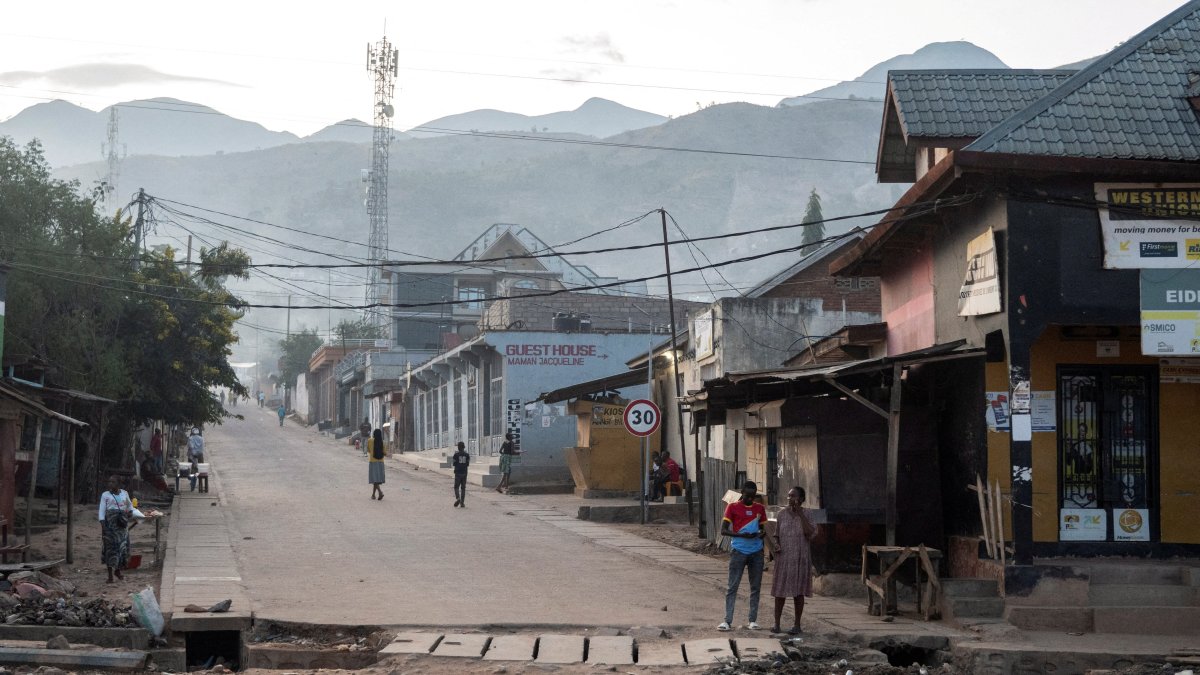
Efforts to end the conflict in eastern Congo – a key step in U.S. President Donald Trump’s plans to unlock a mining boom – are set to begin by Sunday, but the fate of a small rebel faction is proving a major sticking point.
A U.S.-brokered peace deal, signed last month by the foreign ministers of Congo and Rwanda, aims to halt a surge in violence sparked by the rapid resurgence of M23 rebels in the Democratic Republic of the Congo.
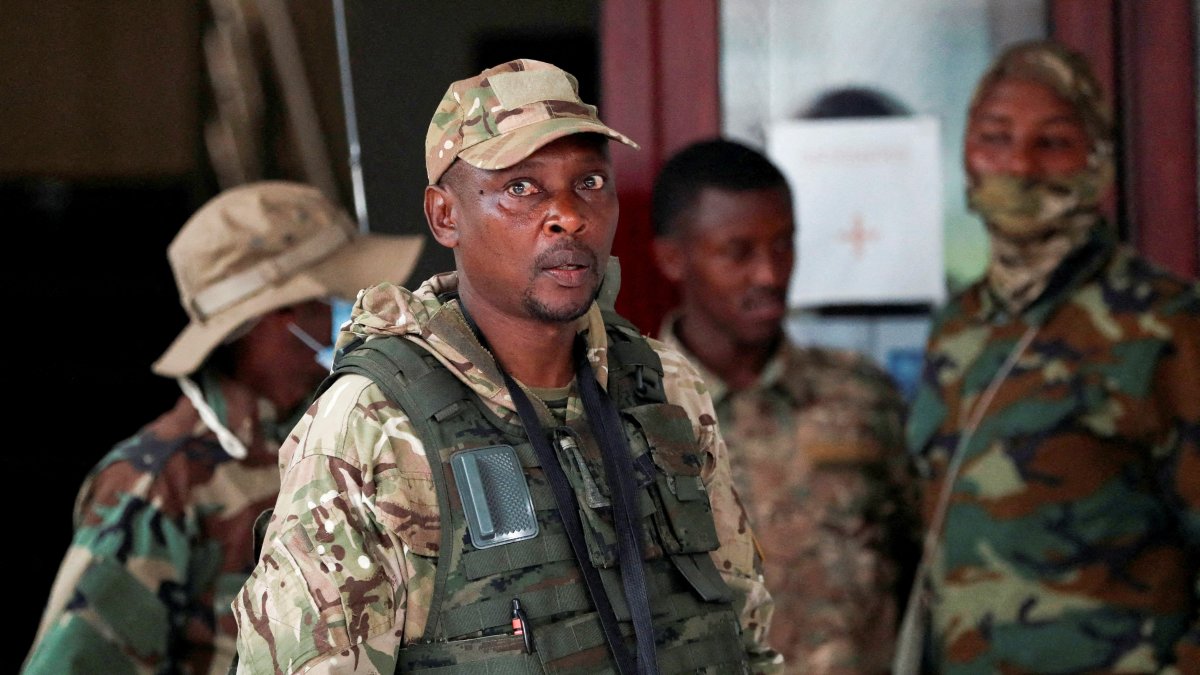
The United Nations and Western governments accuse Rwanda of backing the M23 to gain access to Congo’s rich mineral resources, while Kigali insists its forces are targeting a serious threat from the Democratic Forces for the Liberation of Rwanda, or FDLR – a rebel group made up of Rwandan Hutu fighters, including some linked to the 1994 genocide.
However, security analysts and diplomats say the FDLR’s fighting force has dwindled to a few hundred and poses little battlefield threat.
The peace agreement explicitly requires Congo to “neutralize” the FDLR as Rwanda withdraws its forces from Congolese territory, underscoring the group’s central role in the success or failure of Trump’s diplomatic push.