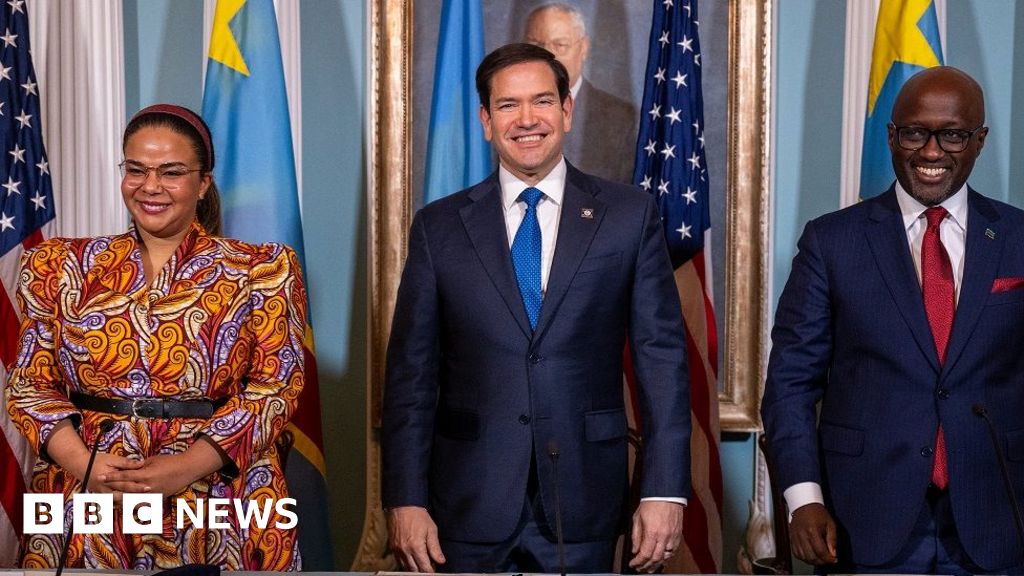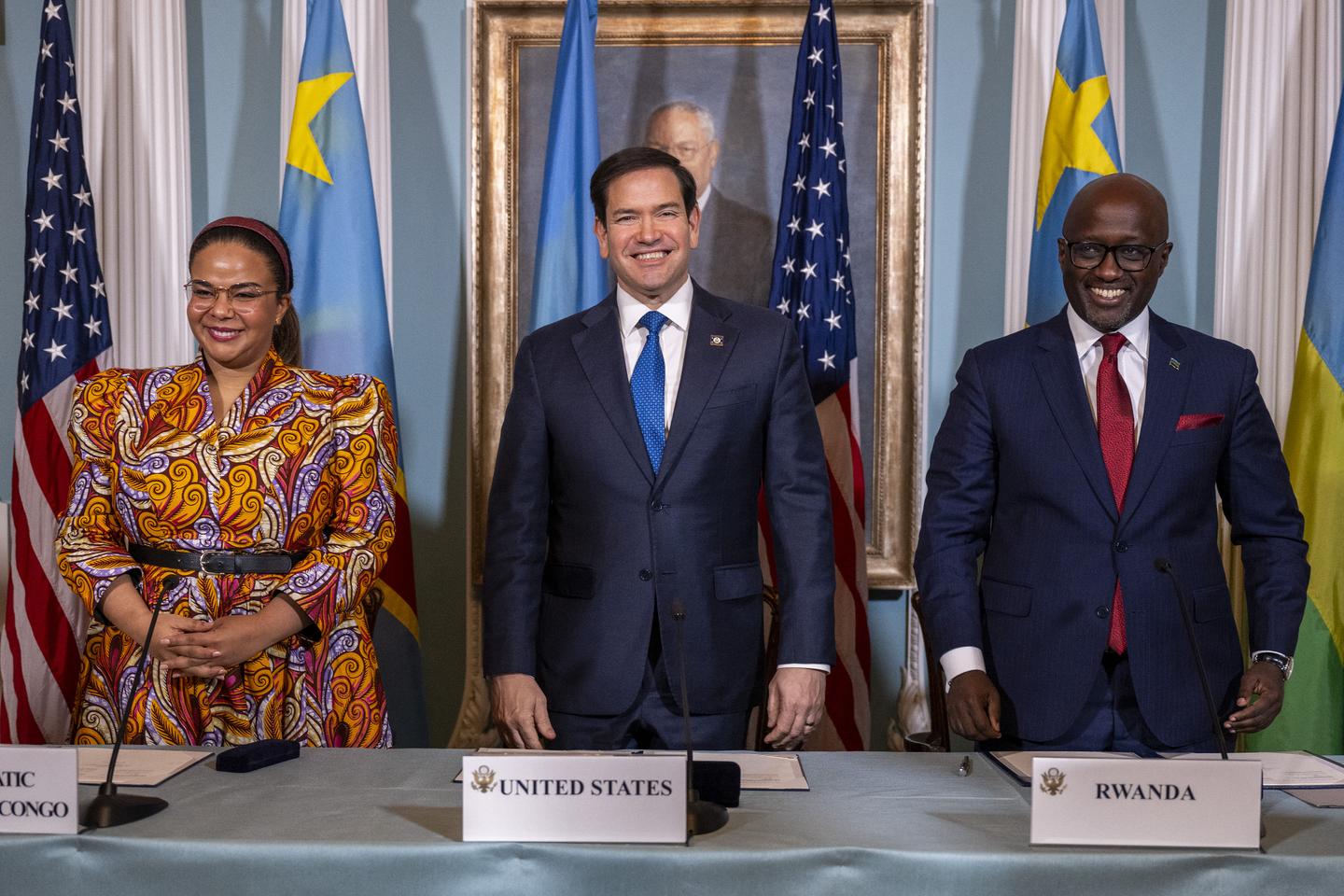
The US-brokered truce may end fighting – but could also open the door to a new scramble for Congo’s critical minerals.
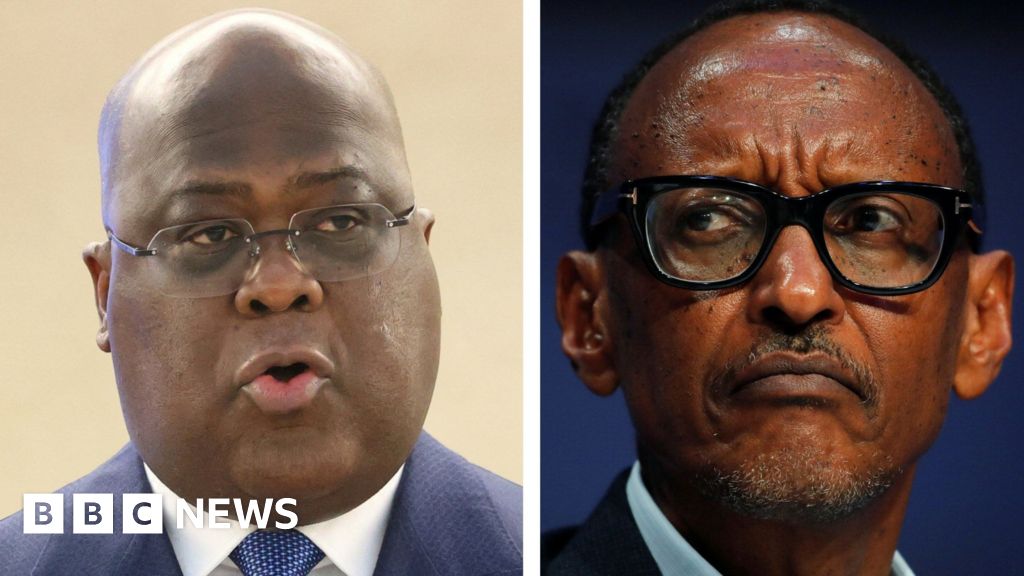
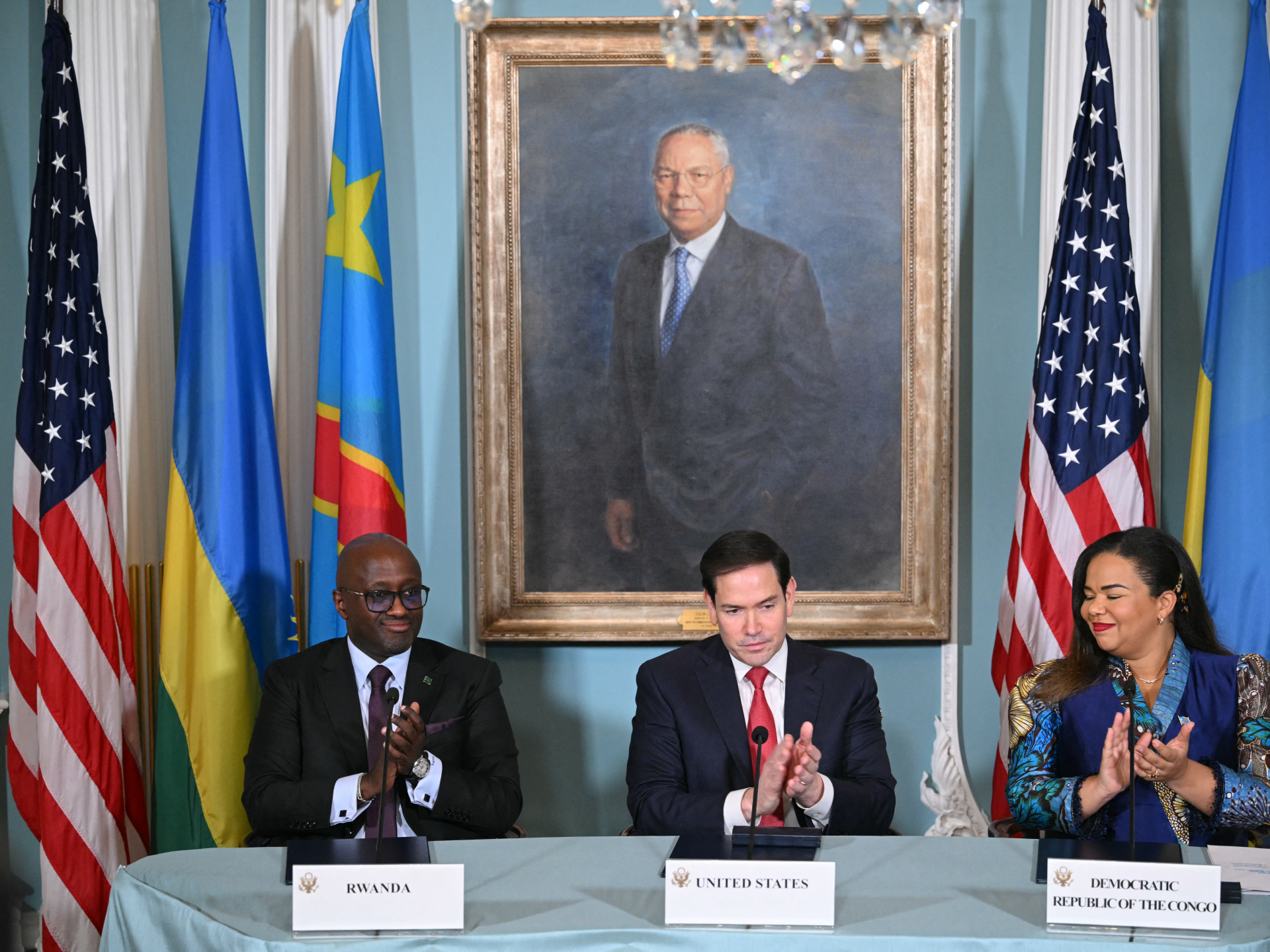
The United States-mediated peace agreement to be signed between the Democratic Republic of the Congo (DRC) and Rwanda on June 27 – a development ostensibly aimed at quelling decades of brutal conflict in Africa’s Great Lakes region – casts a long and familiar shadow. While the immediate cessation of hostilities provides a desperately needed respite, the deal, brokered by the Trump administration and witnessed by the State of Qatar, arrives with an unsettling undertone: The spectre of resource exploitation, camouflaged as diplomatic triumph. This emerging “peace for exploitation” bargain is one that African nations, particularly the DRC, should never be forced to accept in a postcolonial world order.
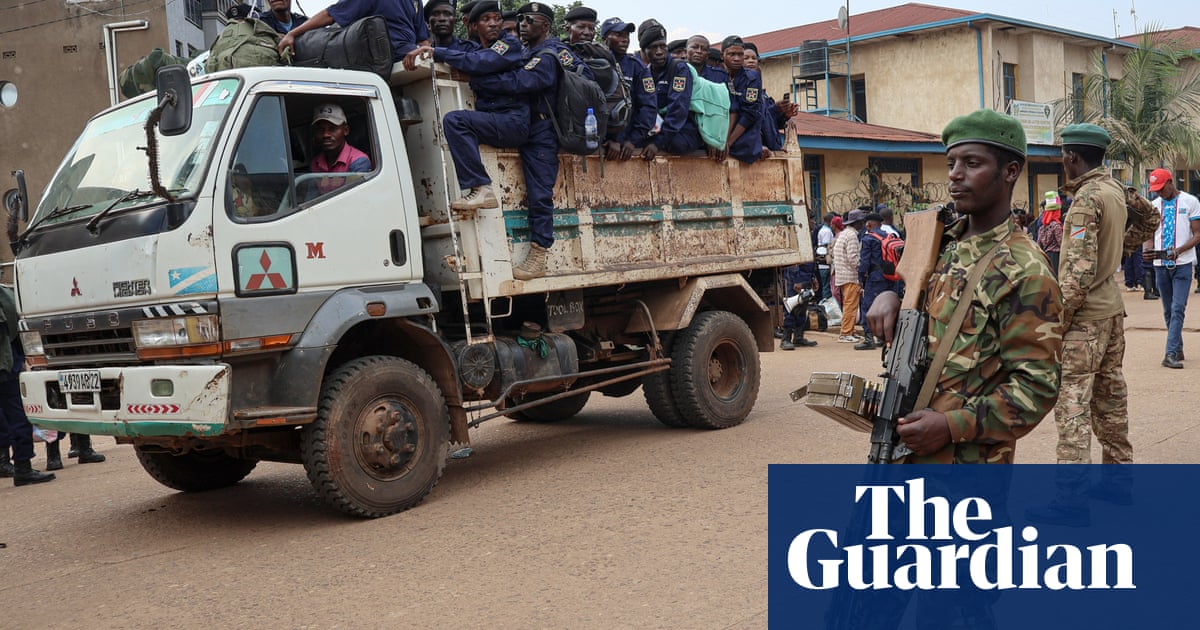
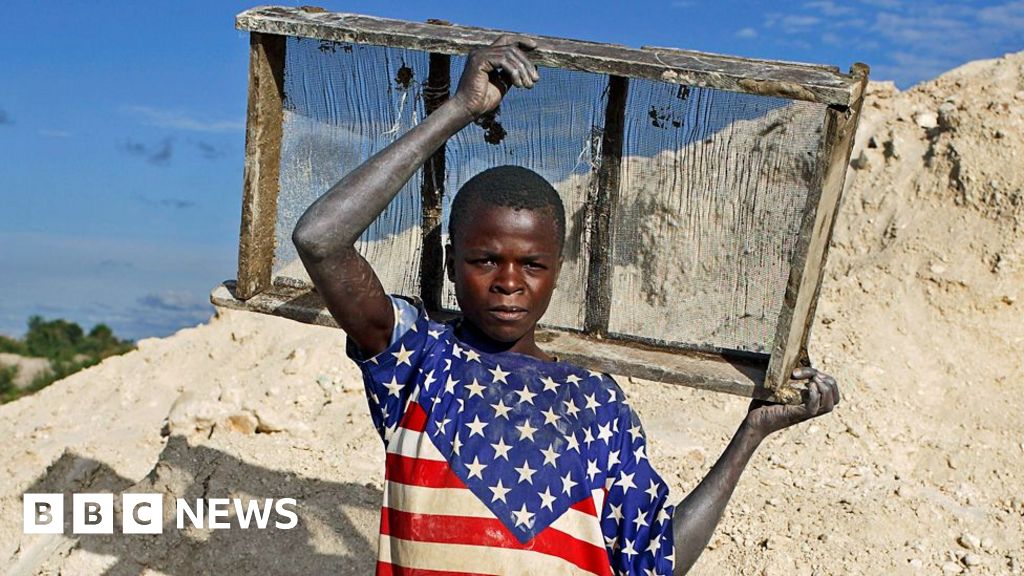
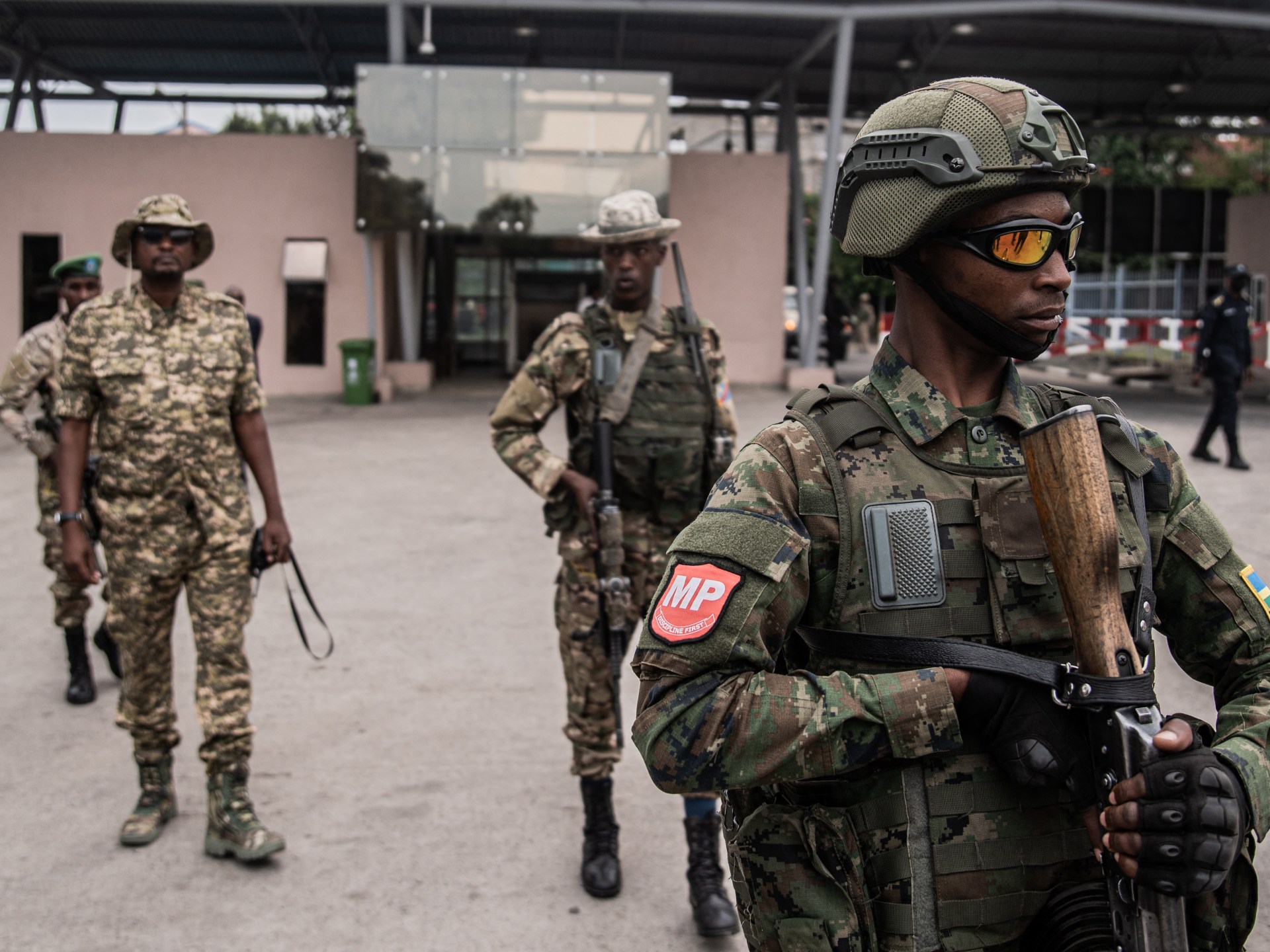
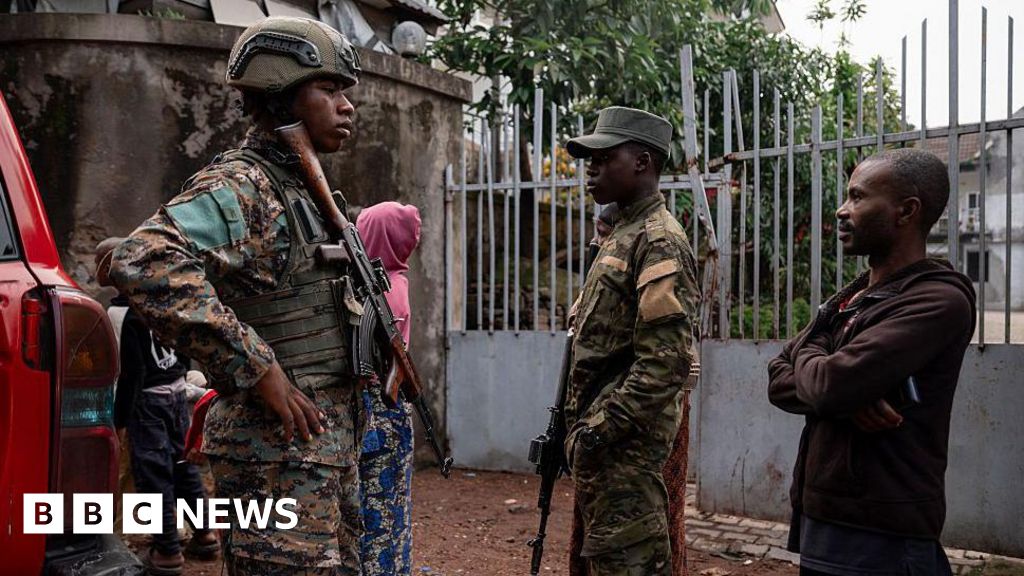
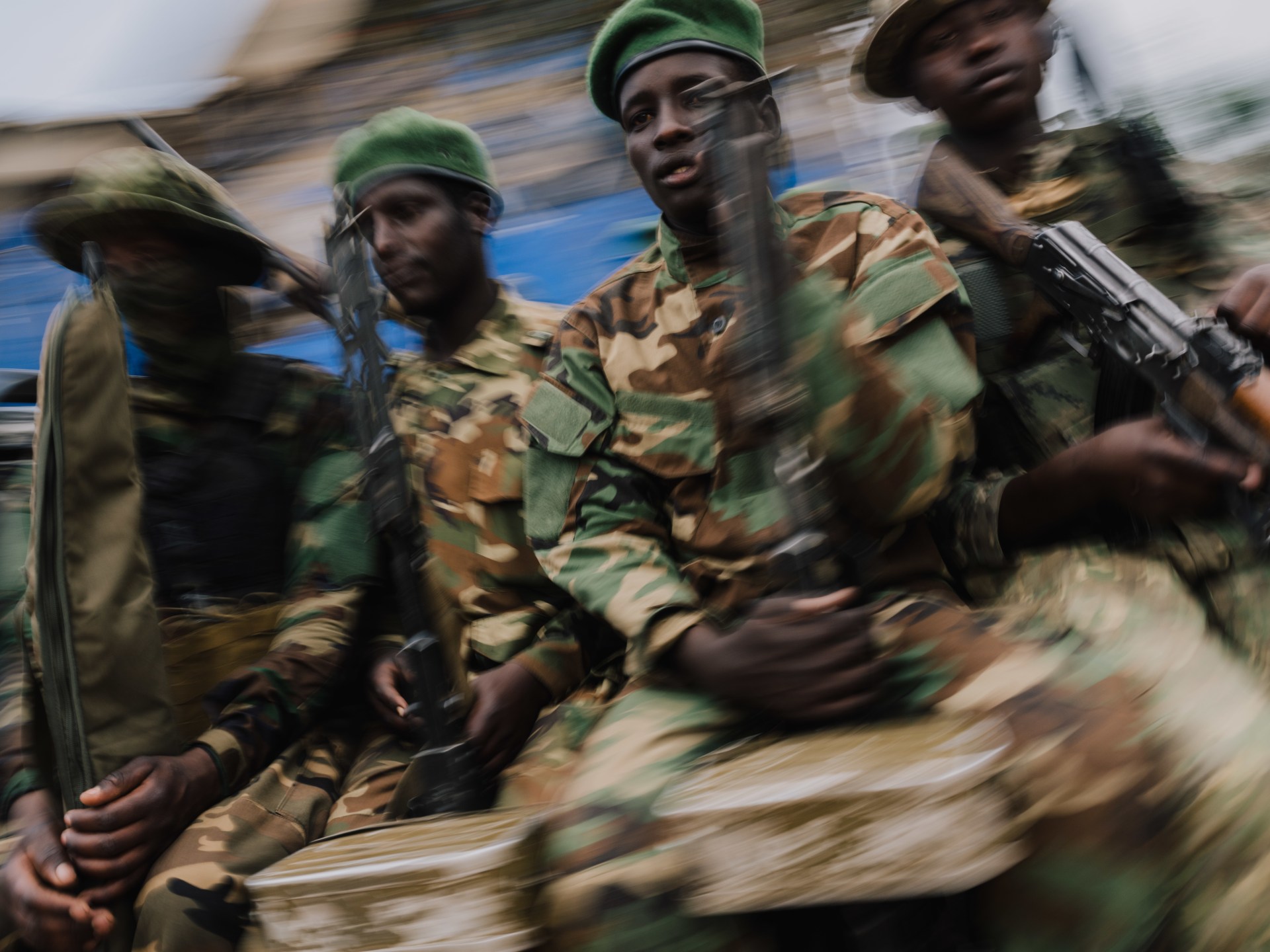
For too long, eastern DRC has been a crucible of human suffering, its vast mineral wealth – including coltan, cobalt, lithium, copper and gold, indispensable for global technologies – serving as both a prize and a curse. This mineral richness has led to relentless conflict, contributing to one of the world’s most protracted humanitarian crises, with nearly three million people displaced and regular outbreaks of disease. The M23 rebel group, widely believed to be backed by Rwanda despite Kigali’s denials, has been a key player in this cycle of violence, reportedly earning significant monthly sums through illicit taxation and control of mining areas such as Rubaya. The group’s resurgence, coinciding with a spike in global demand for these strategic minerals, underscores how deeply entrenched economic interests are in the region’s instability.