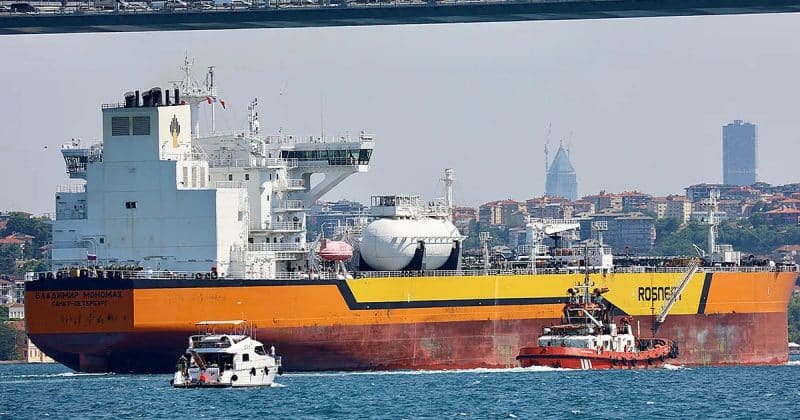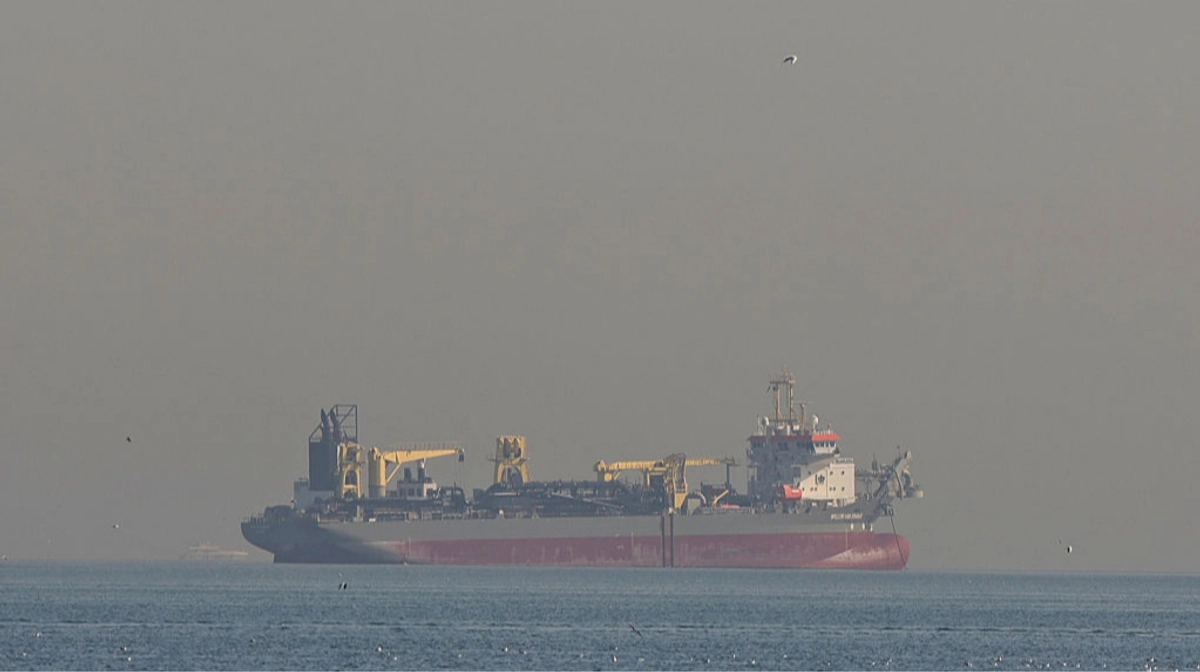
Russian crude exports fell in the first half of 2025 but still showed resilience amid continued pressure from Western sanctions, Opec-plus restrictions and lower prices. The outlook for the second half looks uncertain, however, as Washington grows frustrated with Moscow's intransigence in reaching a peace deal in Ukraine and Europe pushes toward a full phaseout of Russian energy imports. The dip in Russian exports in the six months through June was expected due to tightened US sanctions early in the year and strong domestic demand as Russia's war with Ukraine intensified. Russian crude sales to countries outside the former Soviet Union (FSU), including seaborne and pipeline, averaged 4.47 million barrels per day in January–June, according to ship tracker Kpler and to sources close to official data. That is down by 140,000 b/d, or about 3%, from the same period in 2024. Russian seaborne shipments from four key export outlets linked to a trunkline network — Primorsk and Ust-Luga on the Baltic Sea, Novorossiysk on the Black Sea and Kozmino on the Sea of Okhotsk — averaged 2.68 million b/d in the first half of 2025, down by 6.6% year on year. Seaborne shipments not linked to the trunkline were also slightly down on the year, by about 1.6%, according to Kpler data. Russian pipeline exports, meanwhile, rose in the first half of 2025 by nearly 6% from a year earlier. Russia also supplies nearly 300,000 b/d of crude via pipeline to neighboring FSU state Belarus, but precises figures for those shipments could not be confirmed.
Challenged Russian Exports Set to Face More Pressure
Russian exports dropped in the first half of 2025 and, despite showing some resilience, could face further challenges in the second half.
255 words~1 min read