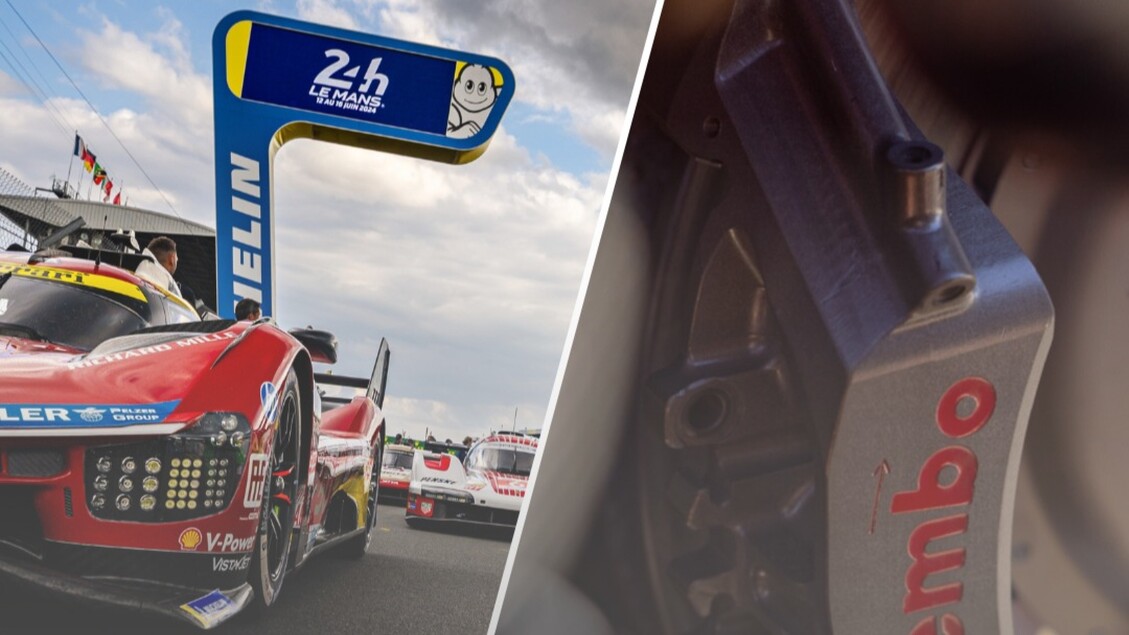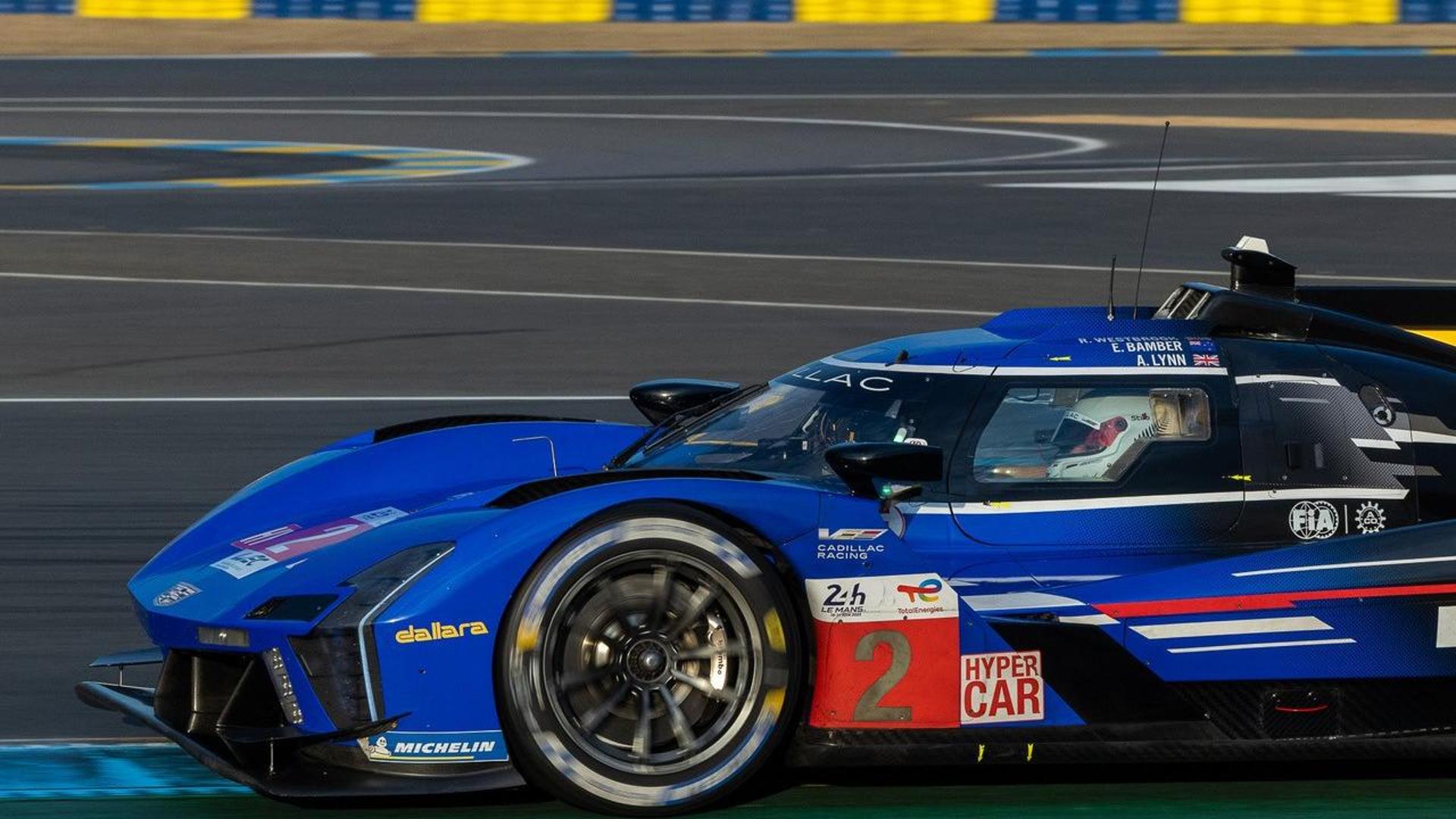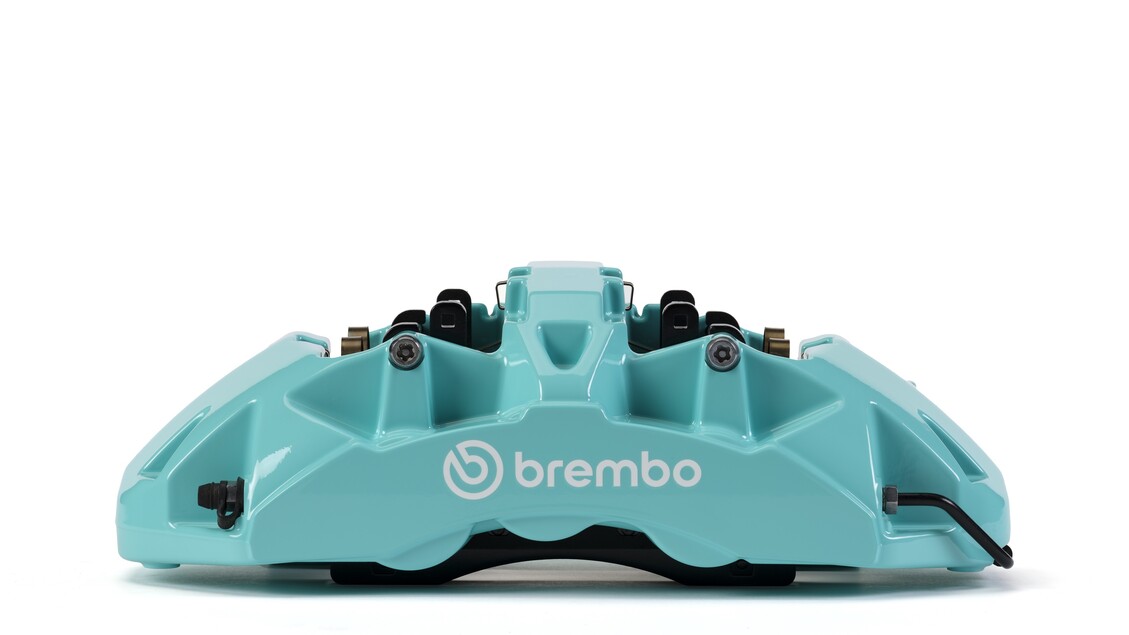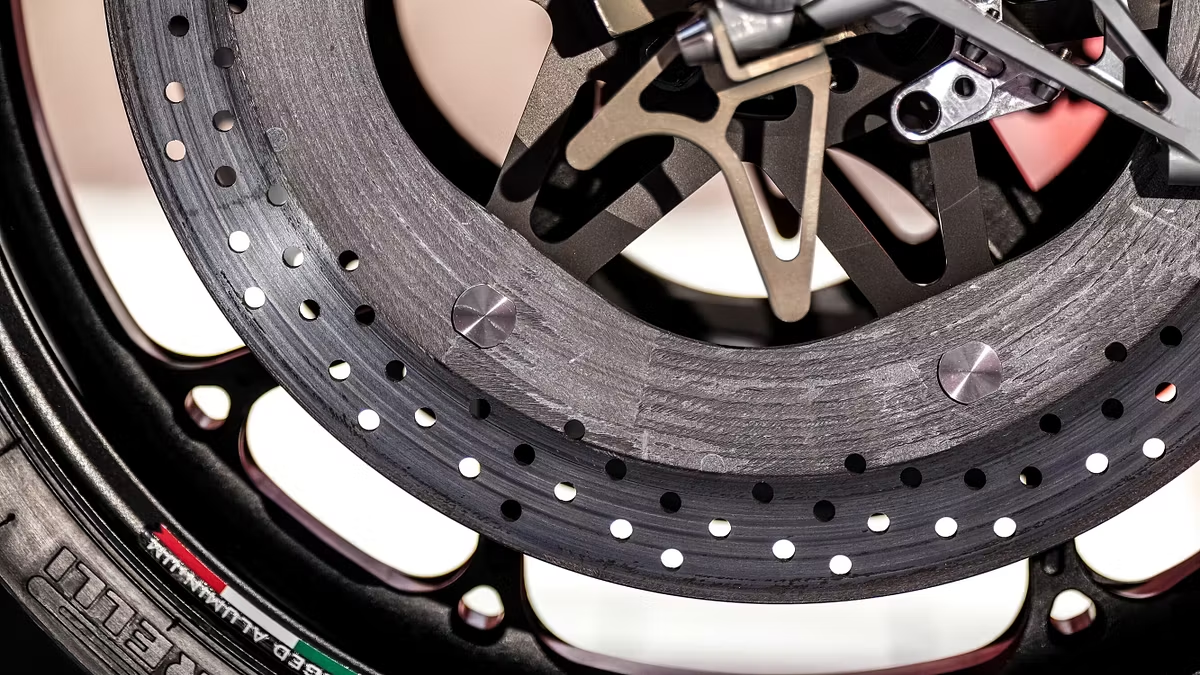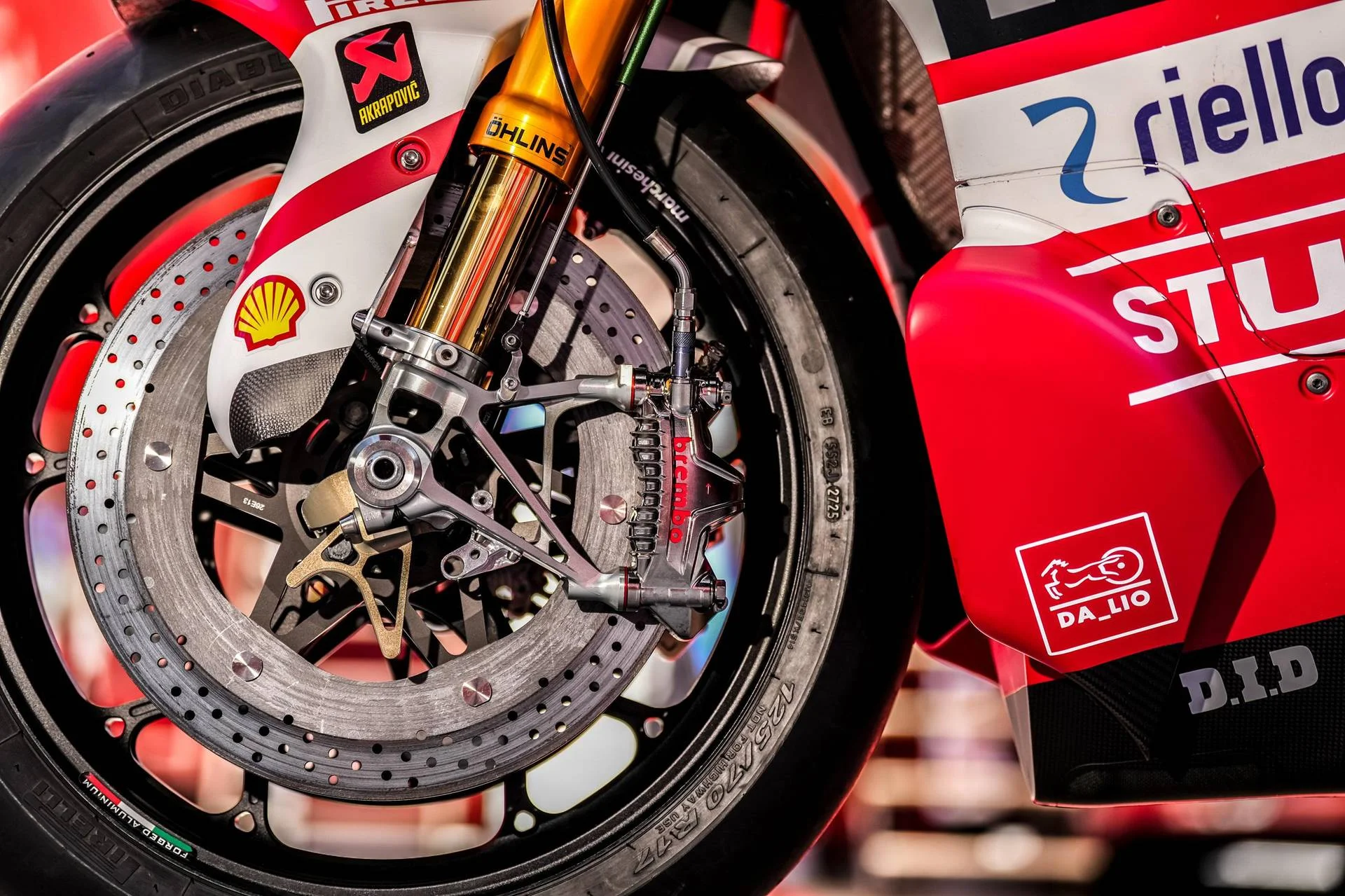
“Ultimately, the more cooling holes, the lower the temperature of the disc,” Miller said. “You have mechanical wear between the disc and the pad, and 350˚ Celsius and below you have a lot of dust, which physically wears the disc. At higher temperature ranges, the dust between the pad and the disc creates friction. That results in less wear and less impact.”
The shift to technology
While manufacturing is the visible side of the brakes process, CEO Daniele Schillaci emphasizes the role of technology. In the last three years alone, Brembo has hired more than 100 software engineers in Italy, China, India, and the US (some in Silicon Valley).
“The automotive business is in a very deep transformation phase with new technology, software, AI, and electrification,” Schillaci said. “Until a couple of years ago, Brembo was a very nice company building cast iron discs, aluminum calipers, and carbon ceramic for racing. But when it came to software, Brembo wasn’t top of mind.”
Cast iron discs are cooled a bit differently.