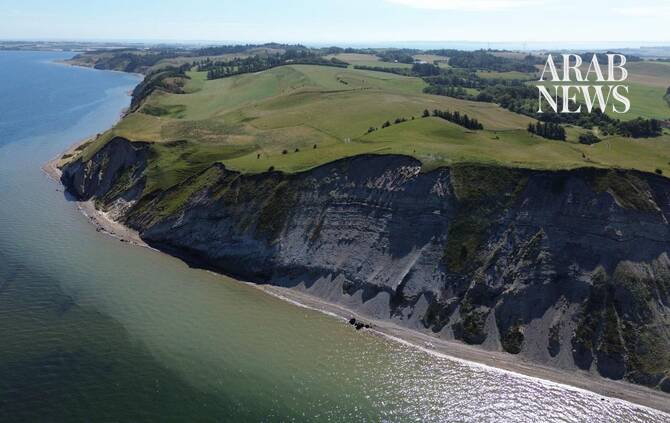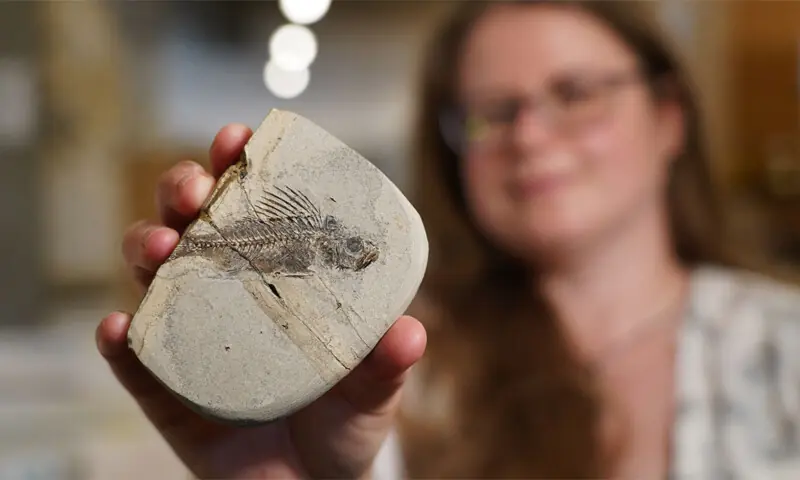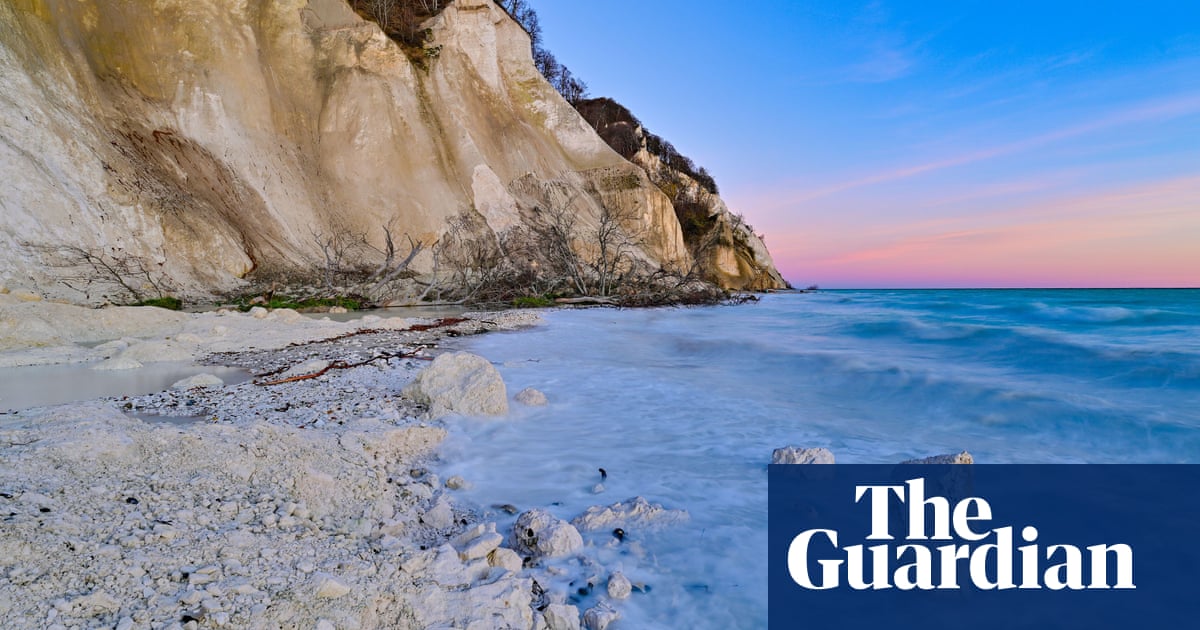
A short stretch of chalk cliffs on the island of Møn could soon become a world heritage site due to its unique ecology of wild orchids and geology of 30-million-year-old fossils
A
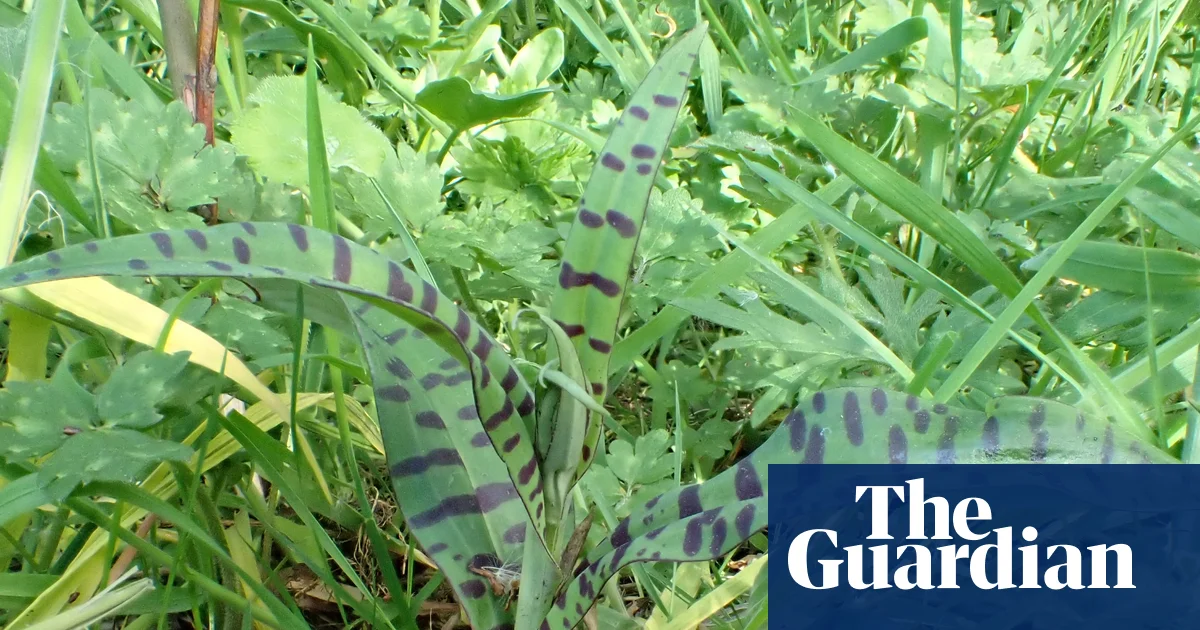
s we sauntered along sun-splashed woodland paths, our knowledgable guide Michael started to explain the links between the local geology and flora. The unusually luminous light green leaves of the beech trees? “That’s due to the lack of magnesium in the chalky soil.” The 18 species of wild orchid that grow here? “That’s the high calcium content. You see? Everything is connected.”
That’s a phrase my companion and I kept hearing at Møns Klint on the Danish island of Møn. This four-mile (6km) stretch of chalk cliffs and hills topped by a 700-hectare (1,730-acre) forest was fashioned by huge glaciers during the last ice age, creating a unique landscape. In 2026, a Unesco committee will decide whether Møns Klint (“the cliffs of Møn”) should be awarded world heritage site status, safeguarding it for future generations.
Using Interrail passes, we took the train from London to Vordingborg (Møn’s nearest railway station) via the Eurostar, with overnight breaks in Cologne going out and Odense, Denmark’s third-largest city, coming back. There’s an efficient bus service both from Vordingborg station to Møn (over an impressive bridge) and on the island itself but, for maximum flexibility, we hired electric bikes in Stege. About 12 miles from Møns Klint, Stege has been Møn’s main town since early medieval times. Home to impressive ancient ramparts and a bijou museum, it’s a good place to stock up since most of the island’s shops are found on the winding high street.