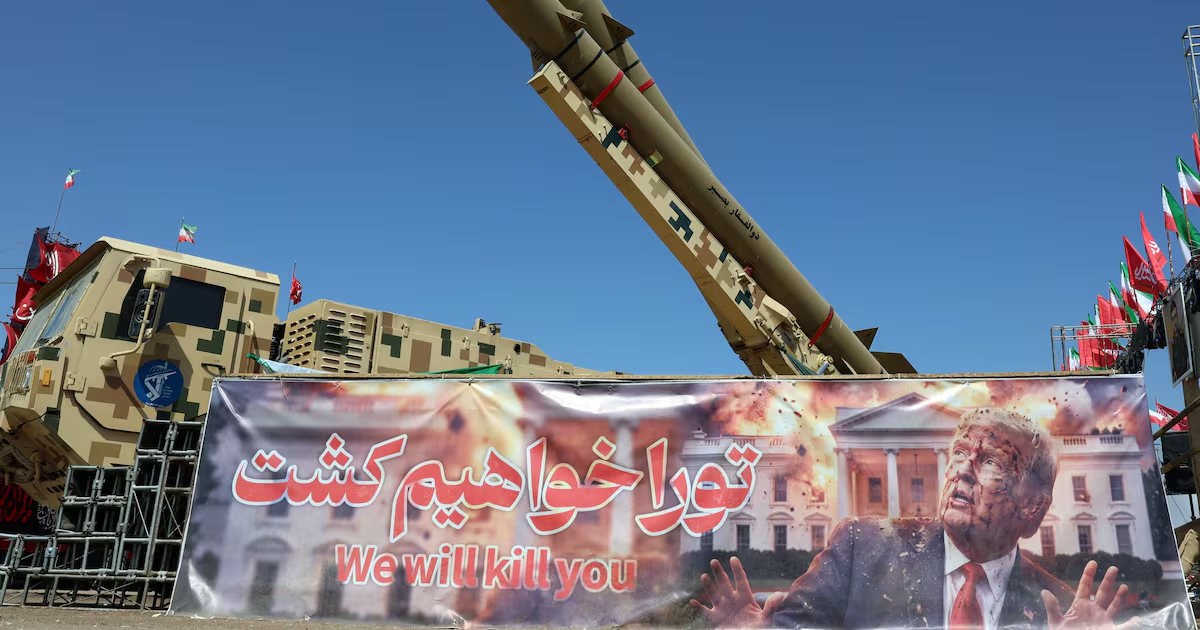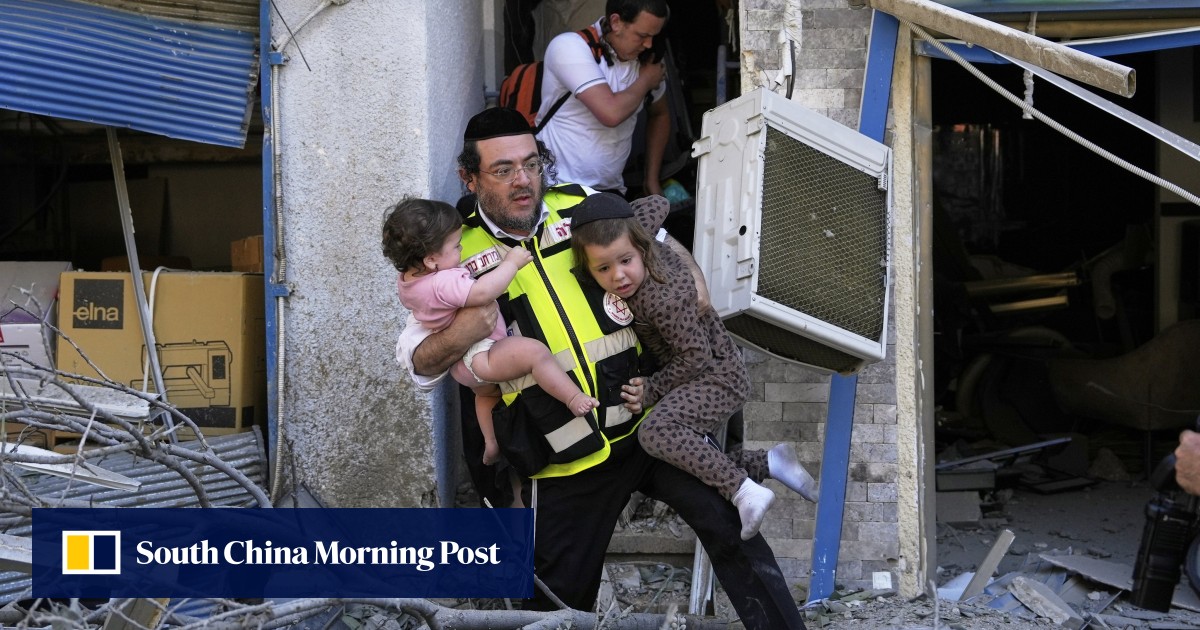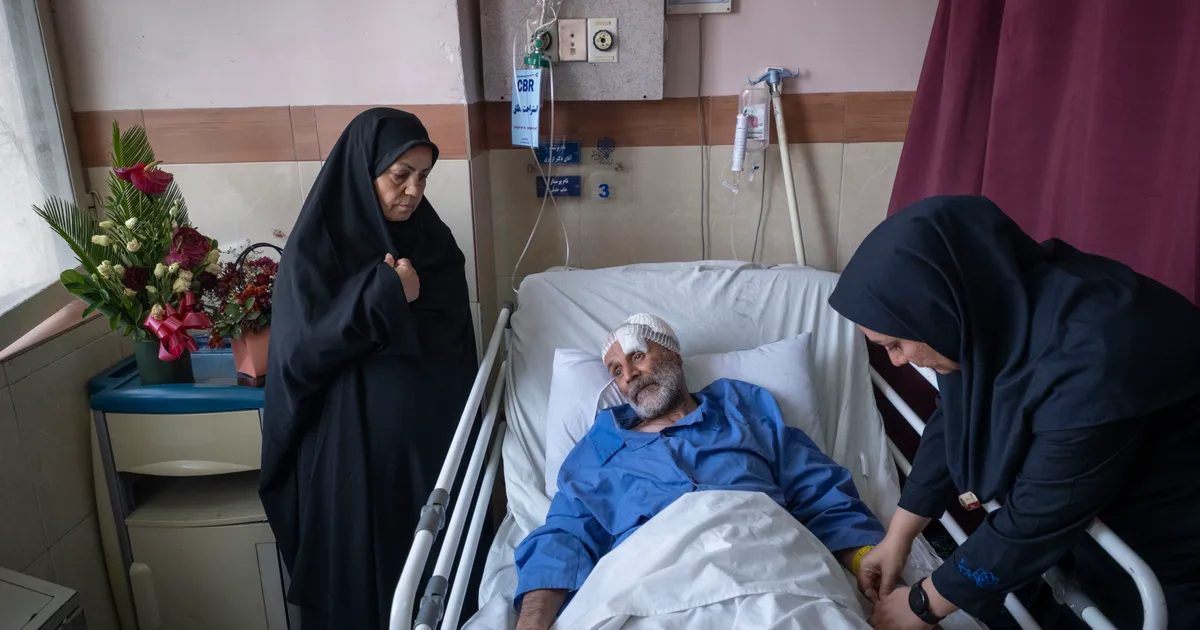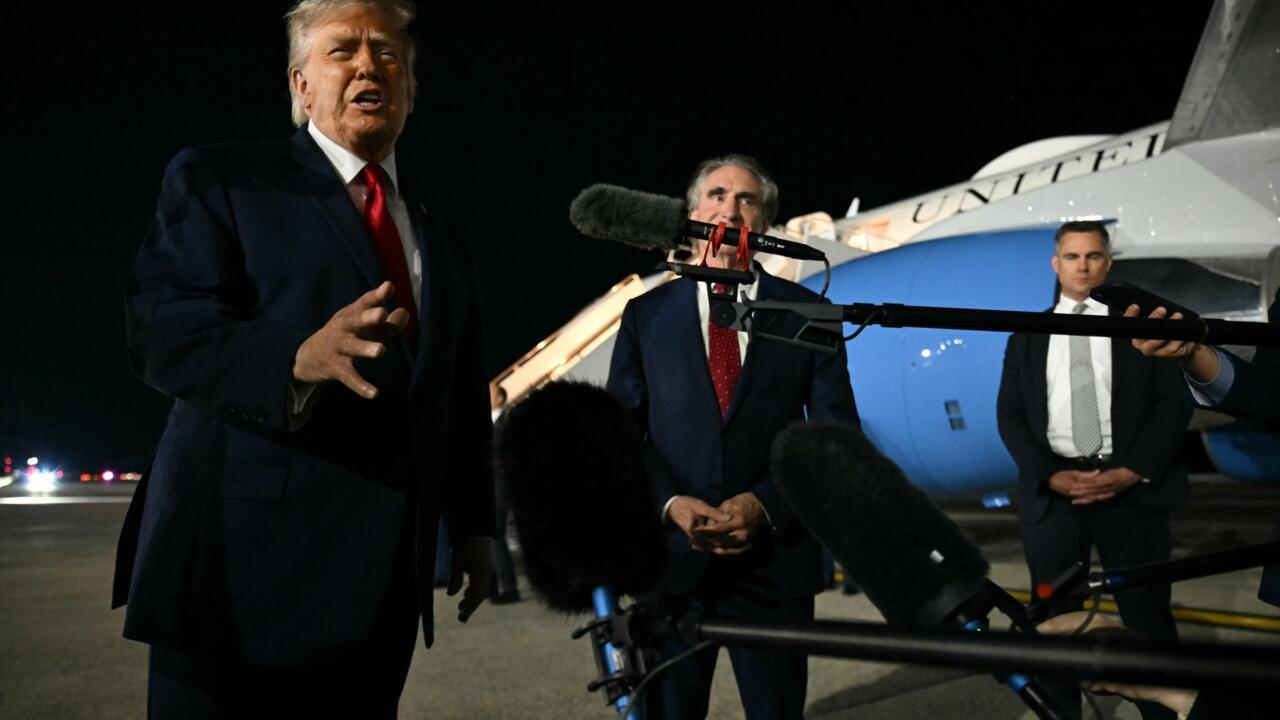
Tehran’s response last week to US strikes on three Iranian nuclear sites was carefully calibrated. By launching a ballistic missile salvo at the US' Al-Udeid Air Base — with advance warning and no casualties — Iran managed to send a message while avoiding provoking further US attacks. But notwithstanding the delicate Israel-Iran ceasefire US President Donald Trump announced last Monday, Tehran looks badly weakened and isolated after recent events — and ahead of potential US-Iran talks that Trump has said will resume this week.
As it reels from the damage caused by the US and Israel, Tehran's need for de-escalation to hold is greater than ever. Iran’s attack on the US base in Qatar, the US' largest in the region, mirrored its nonfatal response to the killing of top Iranian Gen. Qassem Soleimani in Baghdad in 2020 during Trump’s first term in office. The stakes had risen sharply after the Jun. 22 US airstrikes on Fordow, Natanz and Isfahan — three of Iran’s most sensitive nuclear facilities — which, even if the damage is disputed, piled more pressure on the Islamic republic after a week of Israeli attacks. But Iran’s response, which failed militarily, with Qatar- and US-operated defenses intercepting 18 of the 19 missiles fired, according to Qatari officials, was widely seen as a deliberate attempt to avoid escalation, prompting a drop in oil prices and regional sighs of relief.