Want smarter insights in your inbox? Sign up for our weekly newsletters to get only what matters to enterprise AI, data, and security leaders. Subscribe Now
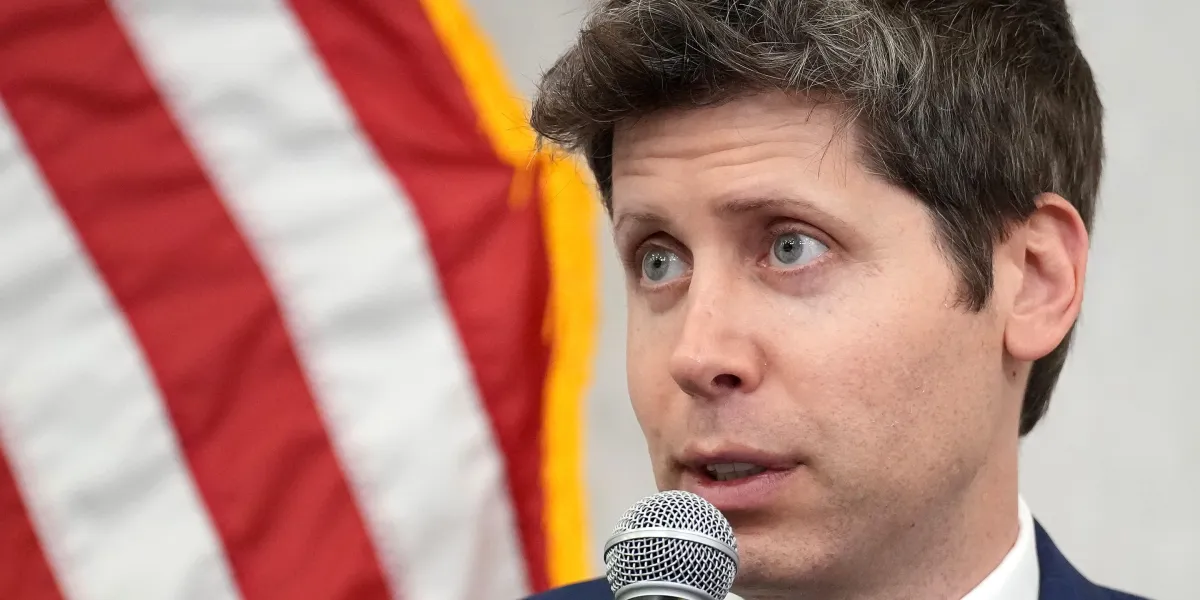
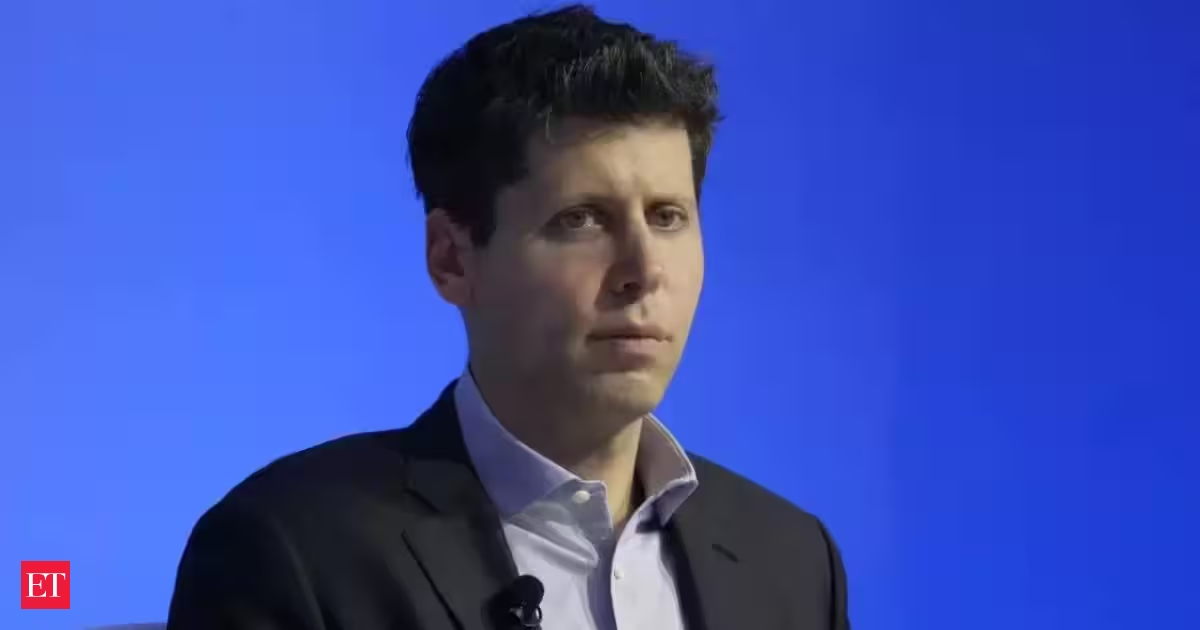
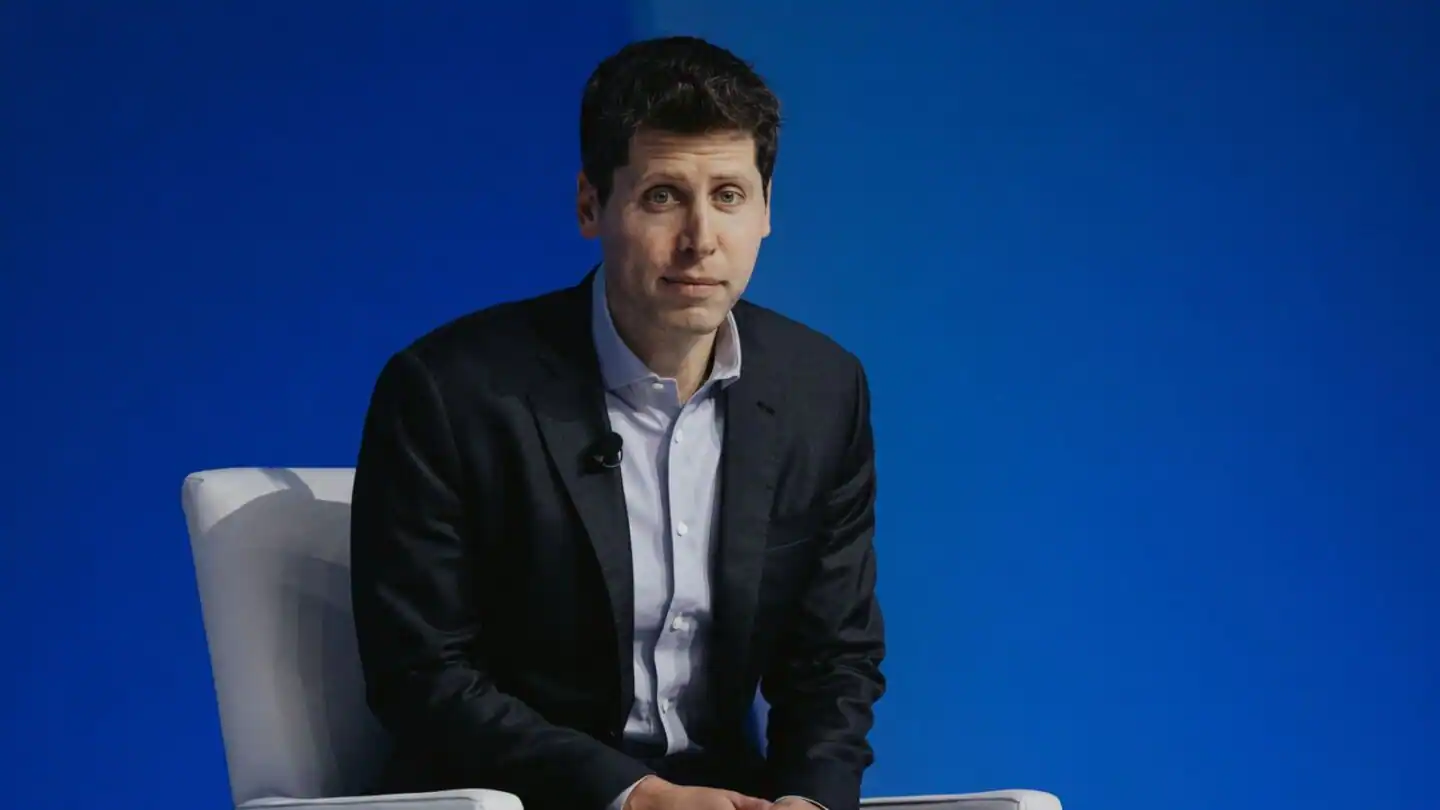
In the blog post The Gentle Singularity, OpenAI CEO Sam Altman painted a vision of the near future where AI quietly and benevolently transforms human life. There will be no sharp break, he suggests, only a steady, almost imperceptible ascent toward abundance. Intelligence will become as accessible as electricity. Robots will be performing useful real-world tasks by 2027. Scientific discovery will accelerate. And, humanity, if properly guided by careful governance and good intentions, will flourish.
It is a compelling vision: calm, technocratic and suffused with optimism. But it also raises deeper questions. What kind of world must we pass through to get there? Who benefits and when? And what is left unsaid in this smooth arc of progress?
Science fiction author William Gibson offers a darker scenario. In his novel The Peripheral, the glittering technologies of the future are preceded by something called “the jackpot” — a slow-motion cascade of climate disasters, pandemics, economic collapse and mass death. Technology advances, but only after society fractures. The question he poses is not whether progress occurs, but whether civilization thrives in the process.