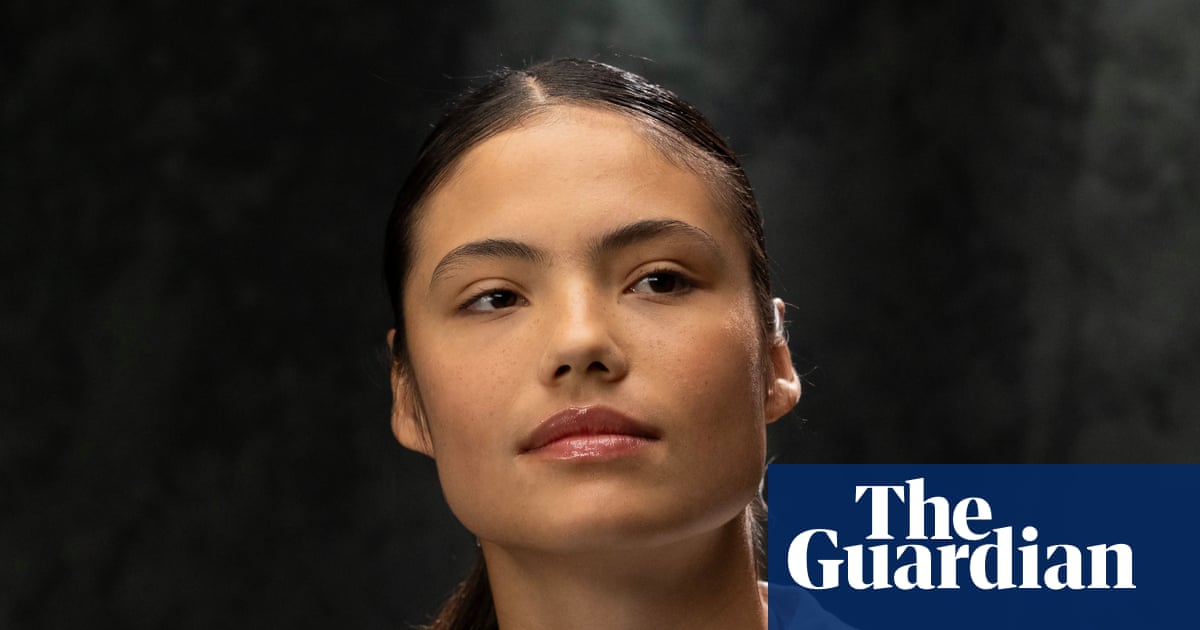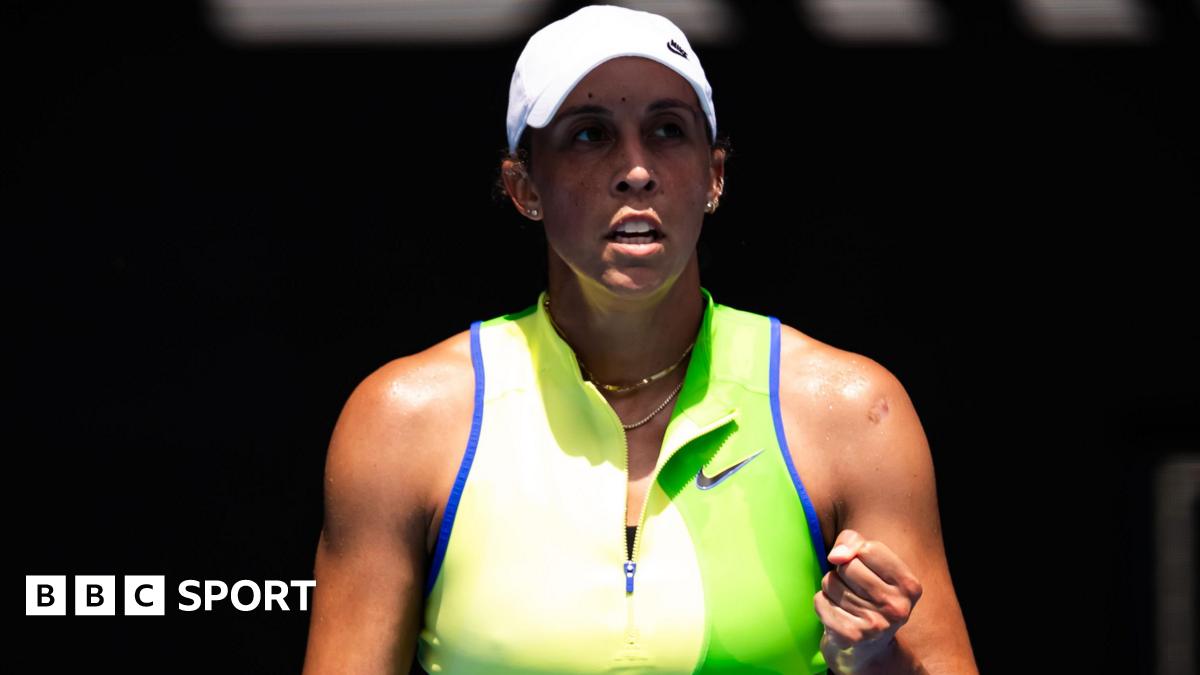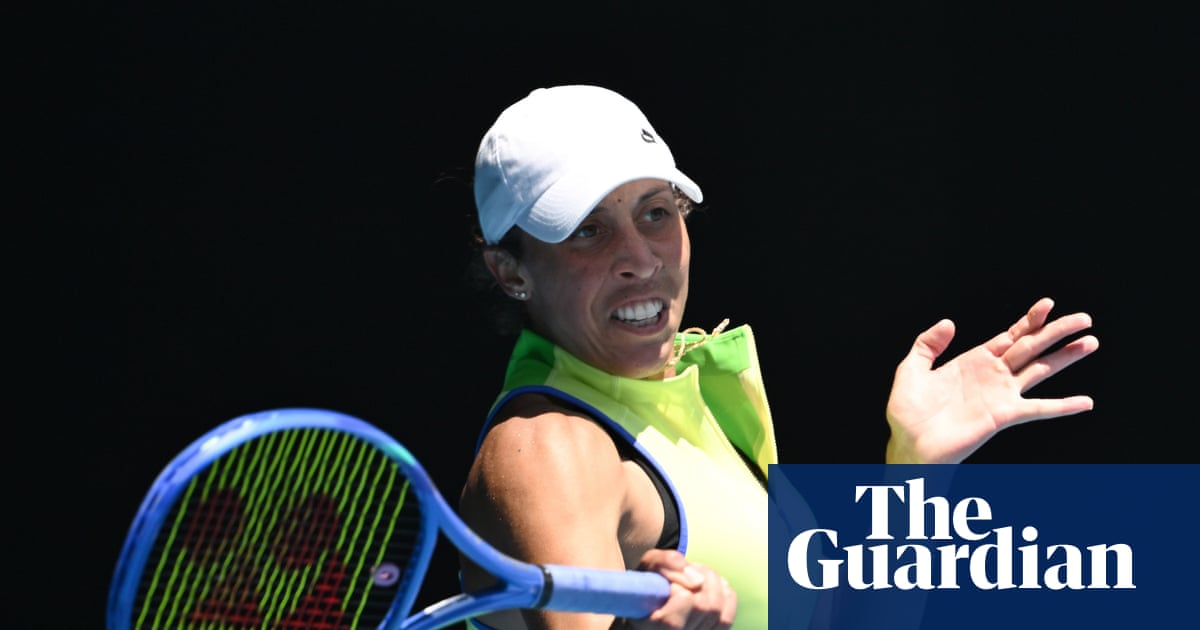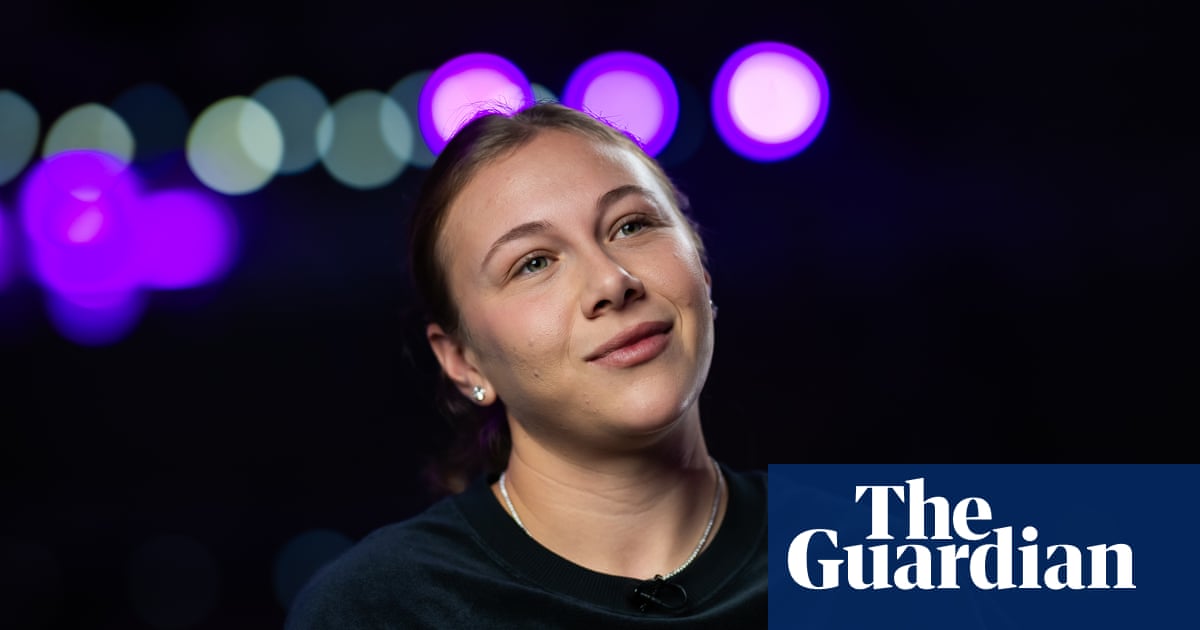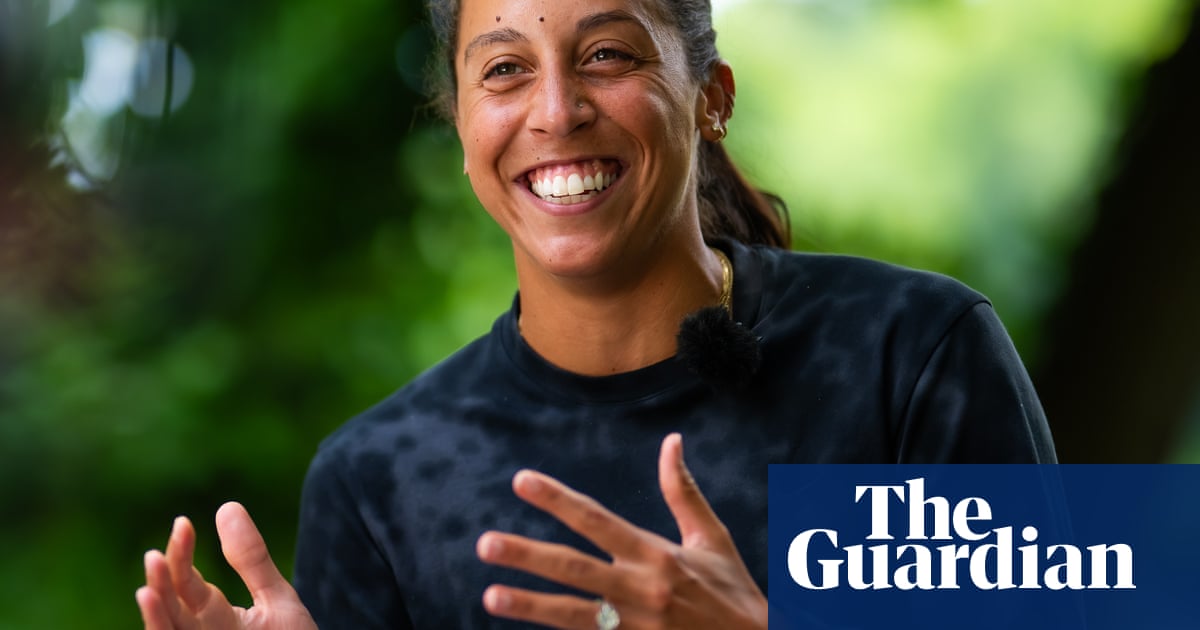
The Australian Open winner is ready for another tilt at Wimbledon after her injury heartbreak in last year’s tournament
B
efore she won her first grand slam tournament at the Australian Open in January, Madison Keys had spent more than a year talking to a therapist about her life rather than just her tennis career. “When I’d gone to see sports psychologists in the past it had been a little tunnel-focused on routines and big moments on the court,” she says on a sleepy Sunday afternoon in London. “So being able to talk to someone about broader life philosophies helped me get to the root of why I was feeling that way instead of just being uber-focused on decisive moments in a match.”
The 30-year-old American, who is ready for another tilt at Wimbledon, remembers some of the wayward suggestions that specialist sports psychiatrists would advise her to follow at crucial stages of a match. “It would be, like: ‘Make sure you look at your strings and do this specific thing and that’ll just help the nerves go away.’”
Keys pauses when I ask if it was hard to open up to a stranger about her deeper and usually more hidden emotions during a therapy session. “I don’t know if I would say that was hard,” she replies. “It was more that I was actually trying to be honest with myself about what I felt. There were a lot of instances where I would say something and I was surprised that’s actually how I felt. Those are the kind of things that live in the back of your head you don’t ever really pay attention to.”