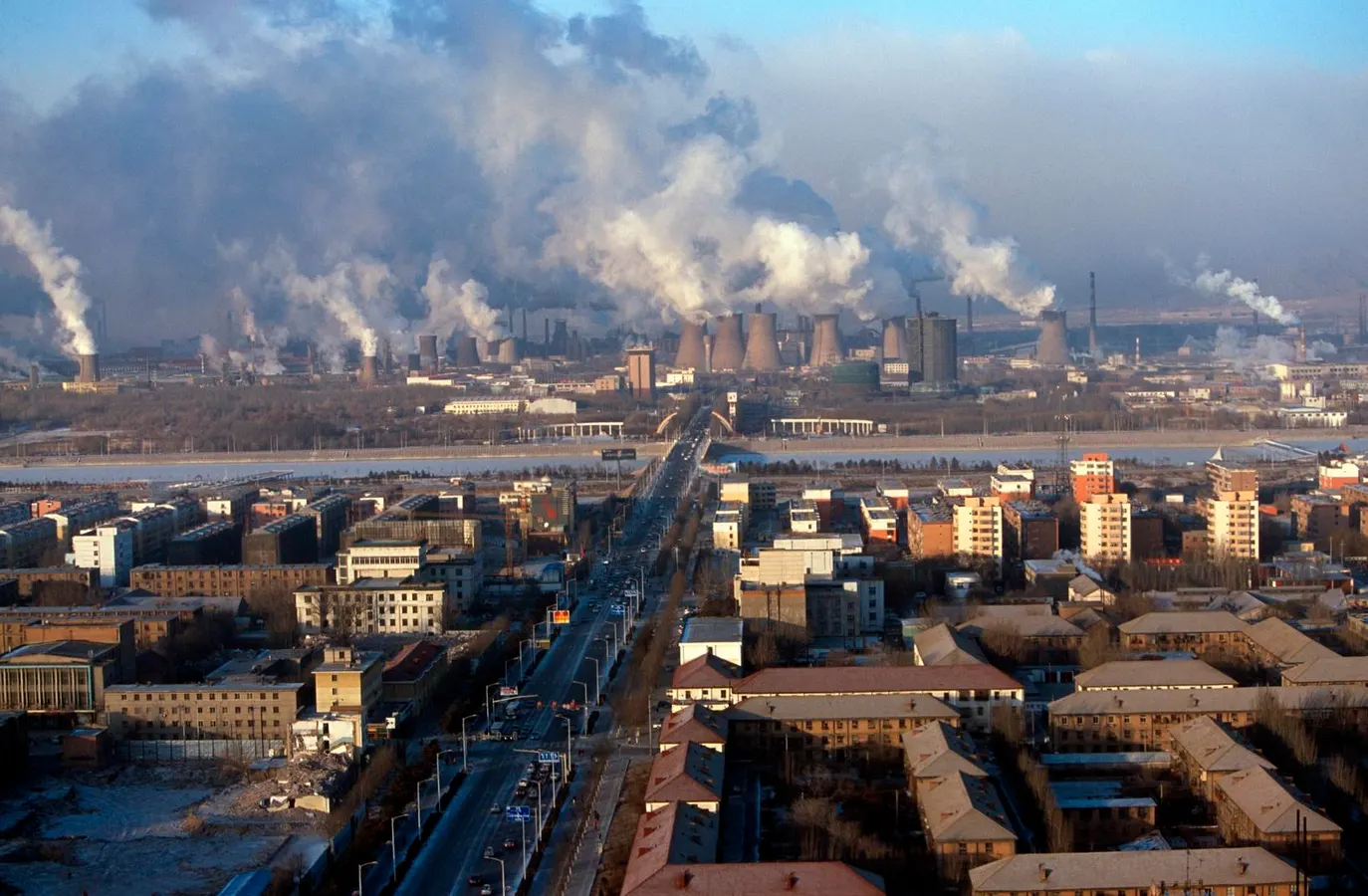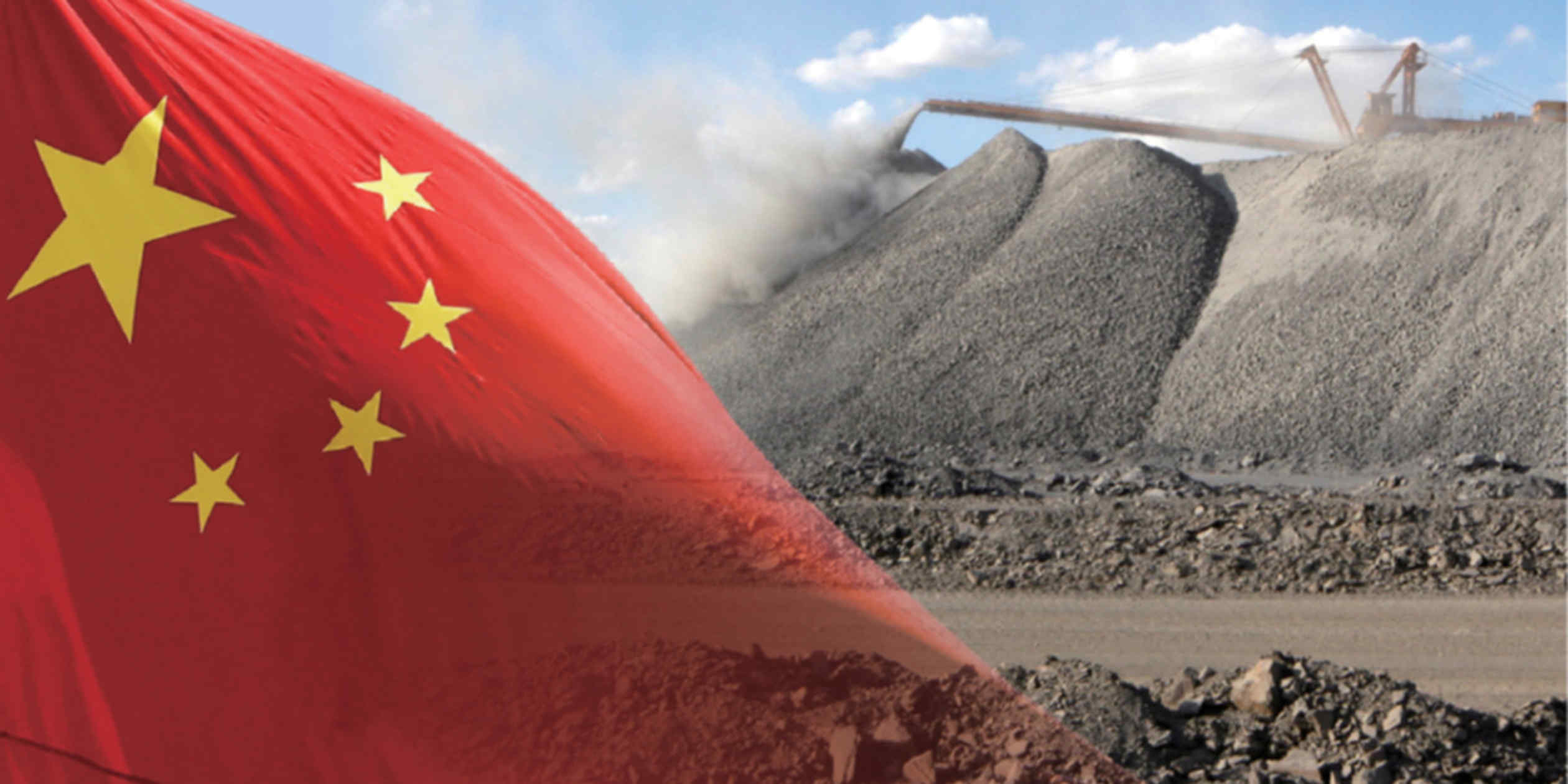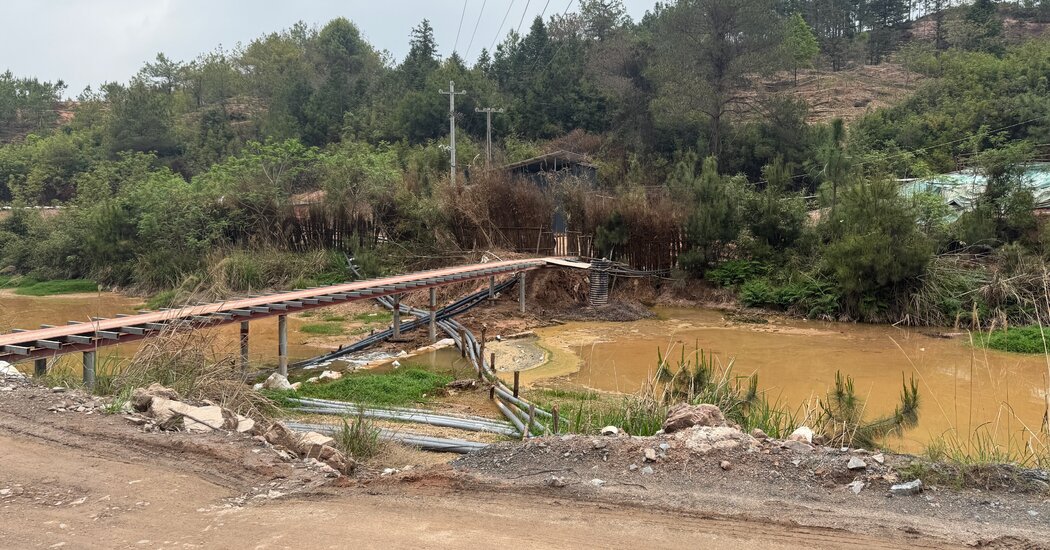
More than 80% of China’s rare earth reserves are located in Baotou, an industrial hub of 2.7 million people that abuts the Gobi desert
C
entral Baotou, an industrial hub of 2.7 million people that abuts the Gobi desert in north China, feels just like any other second-tier Chinese city. Large shopping malls featuring western chains including Starbucks and KFC stand alongside street after street of busy local restaurants, where people sit outside and children play late into the evening, enjoying the relative relief of the cooler temperatures that arrive after dark in Inner Mongolia’s baking summer.
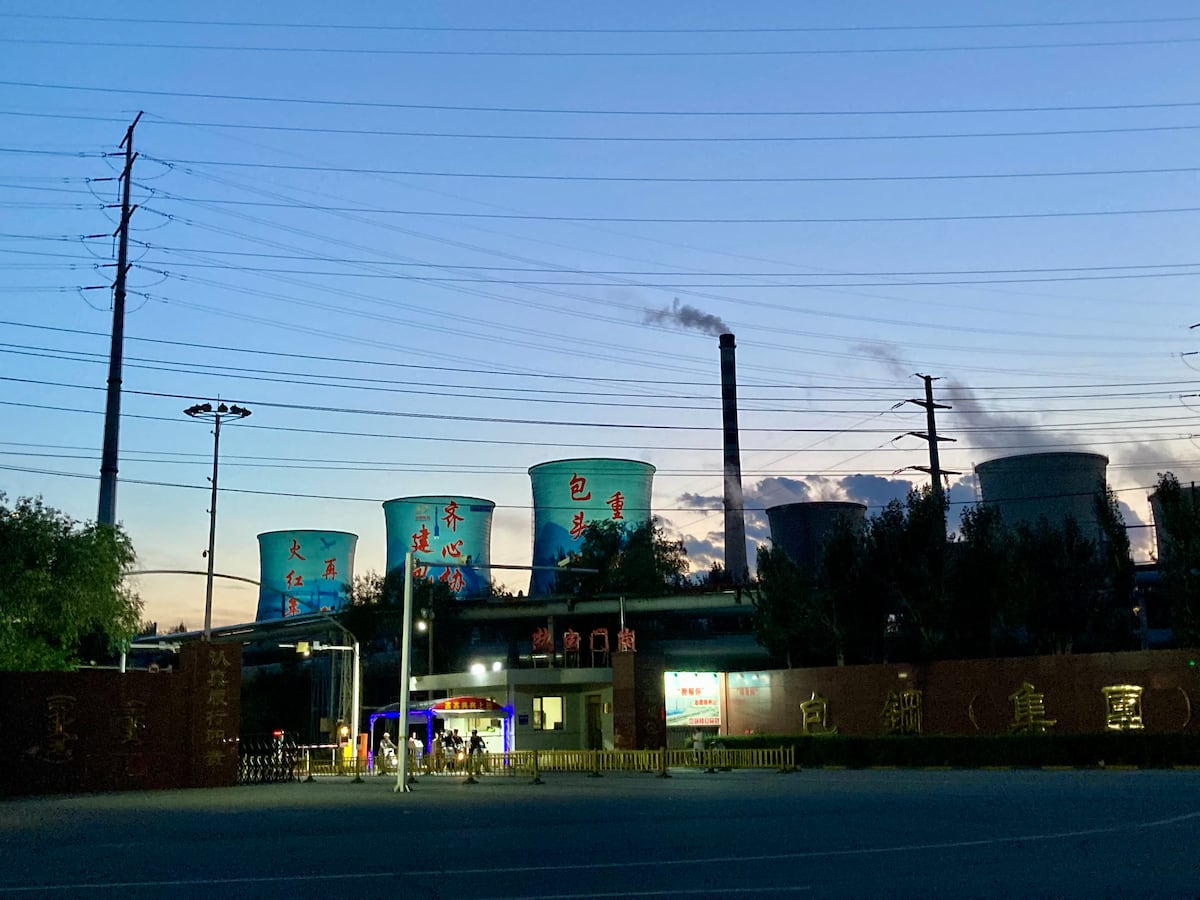
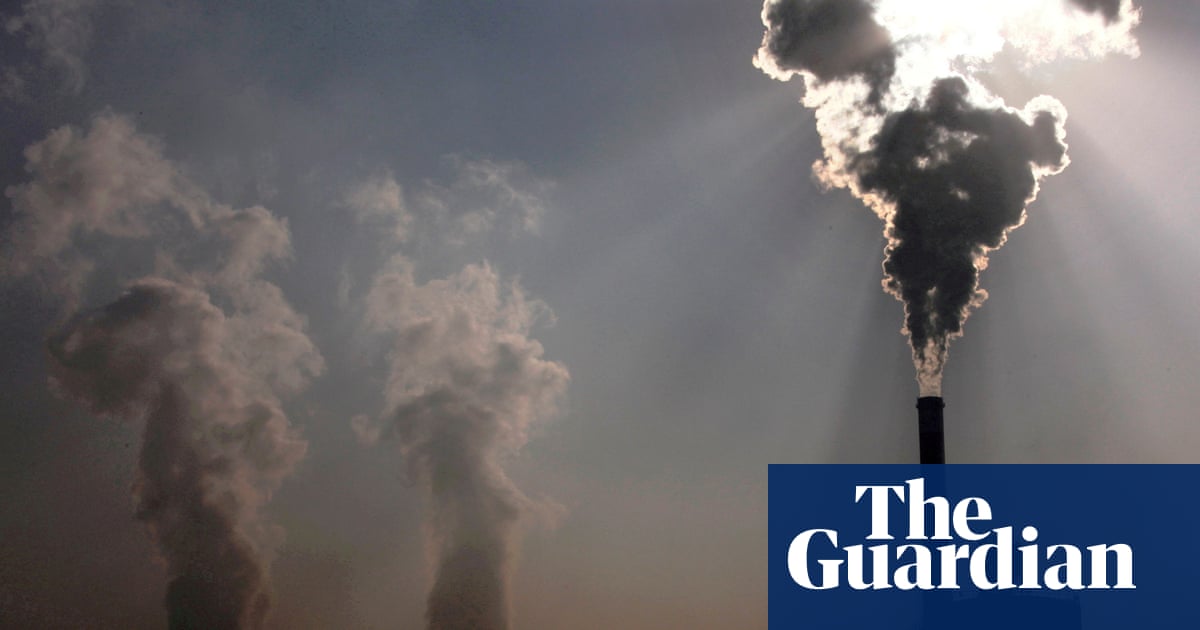
But a short drive into the city’s suburbs reveal another typical, less hospitable, Chinese scene. Factories crowd the city’s edges, with chimneys belching white plumes of smoke. As well as steel and silicon plants, Baotou is home to China’s monopoly on rare earths, the metallic elements that are used in oil refining equipment and car batteries and that have become a major sticking point in the US-China trade war.
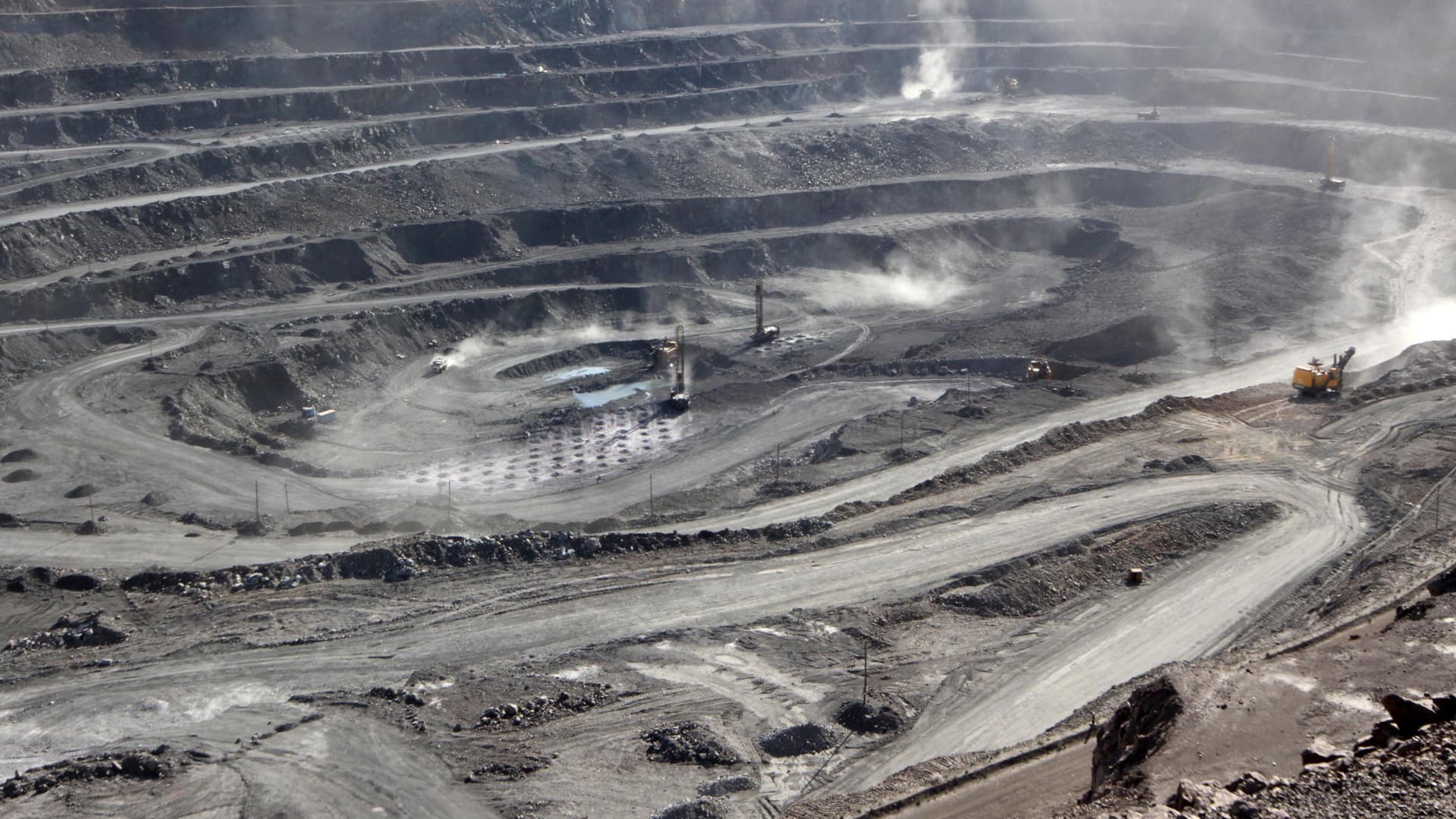
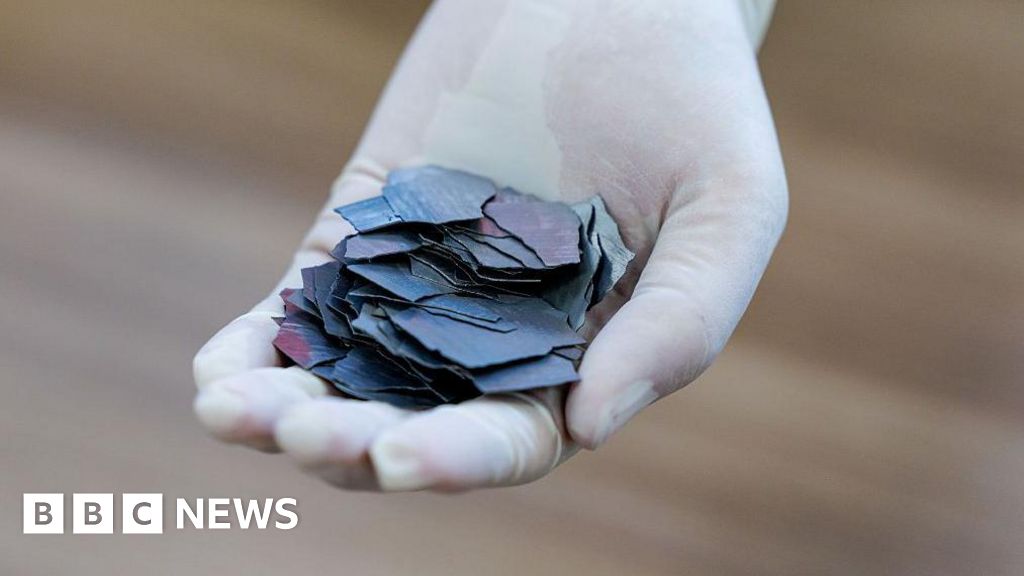
More than 80% of China’s rare earth reserves are in Baotou. Metals such as cerium and lanthanum are crucial for modern technologies ranging from smartphone screens to vehicle braking systems. Certain rare earths, such as samarium, are used in military-grade magnets, including by the US.