The metropolis is already a rail-powered gateway to foreign markets – now, it wants to go one step further
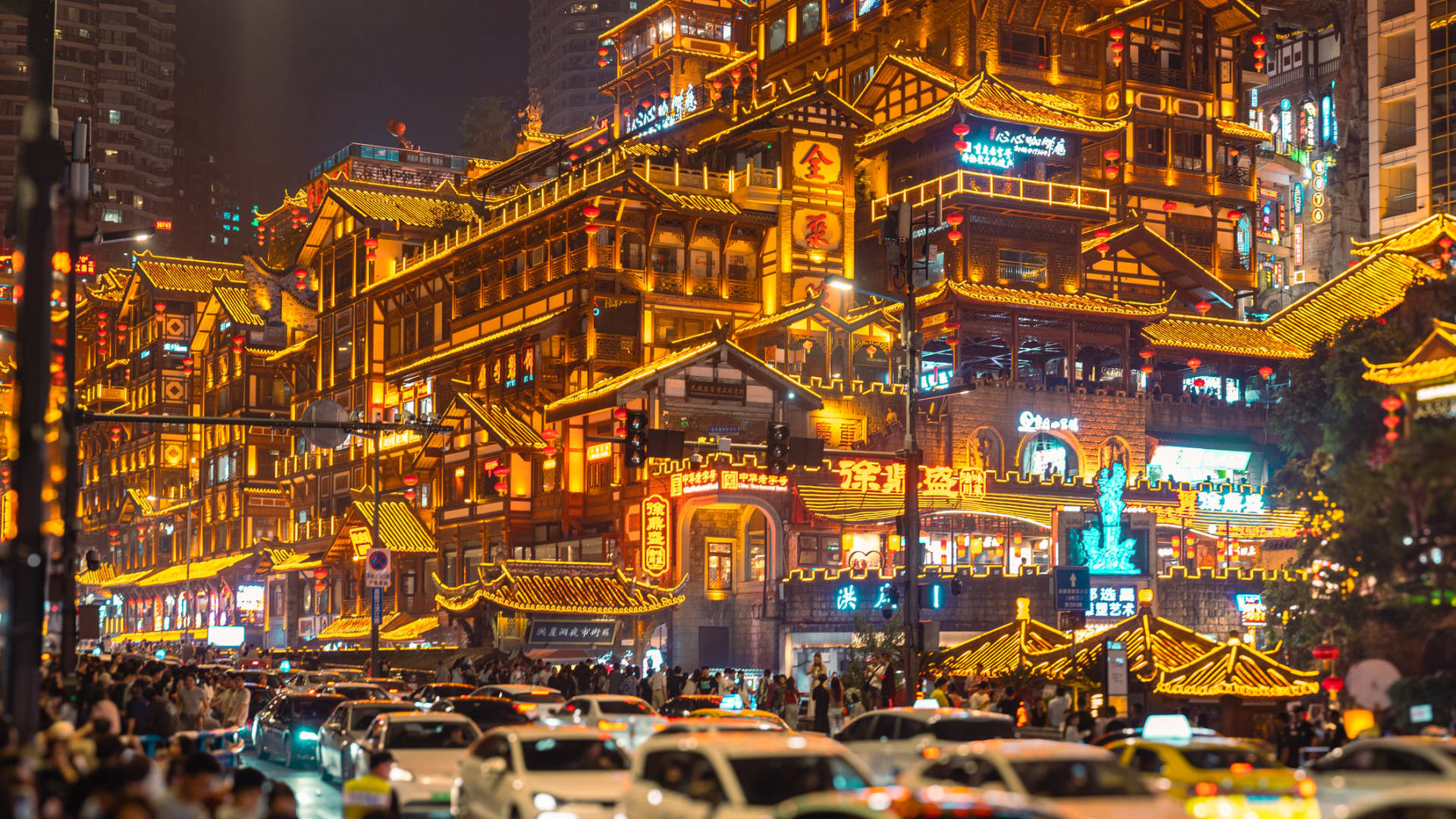
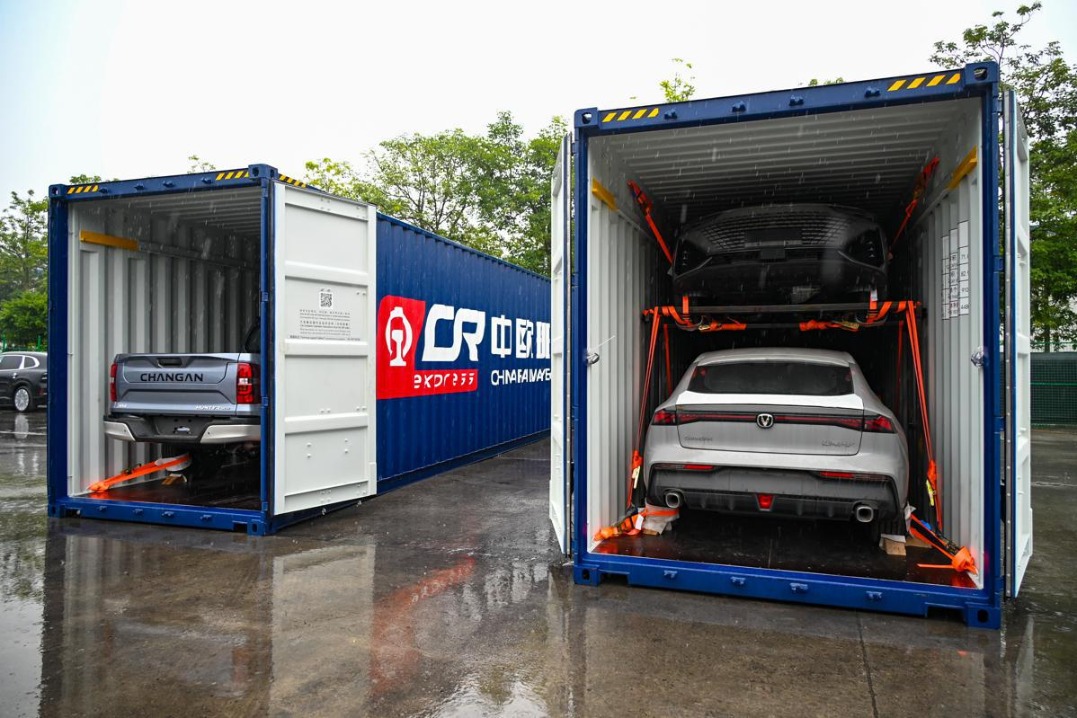
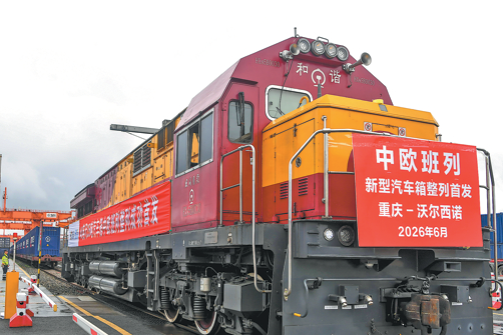
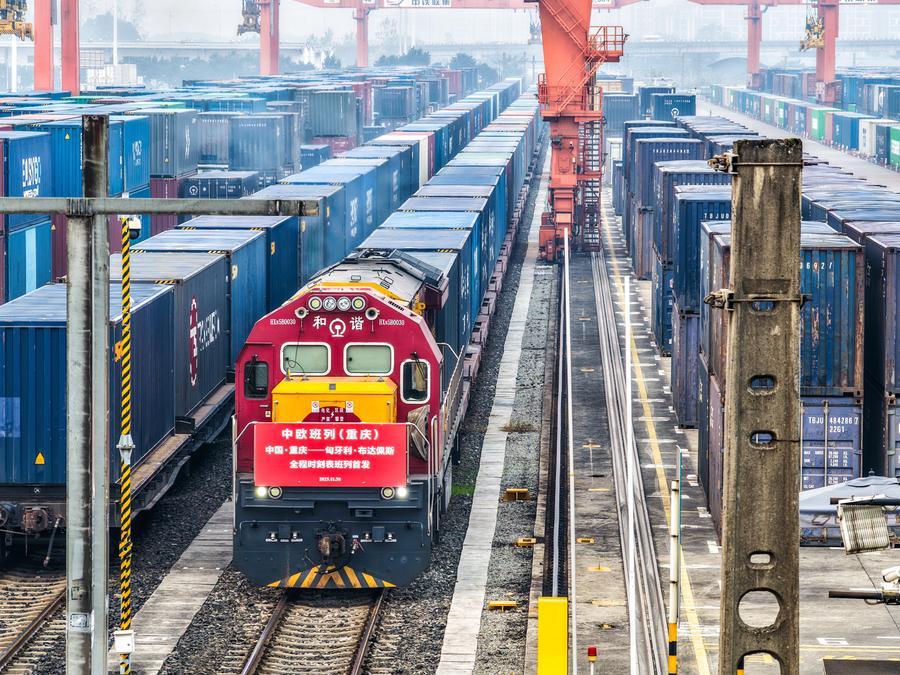
In Tuanjie Village, in the heart of Chongqing – China’s largest inland city, best known for its spicy hotpot – orange gantry cranes hoist cargo onto goods trains bound for Europe and Russia. Each day, hundreds of containers pass through the sprawling 82,000-square-metre yard, exporting electric vehicles and components or returning with cars, meat, wine and dairy.
Just a five-minute drive away, blue cranes mark another yard – this one unloading tropical fruits and raw materials from Southeast Asia.
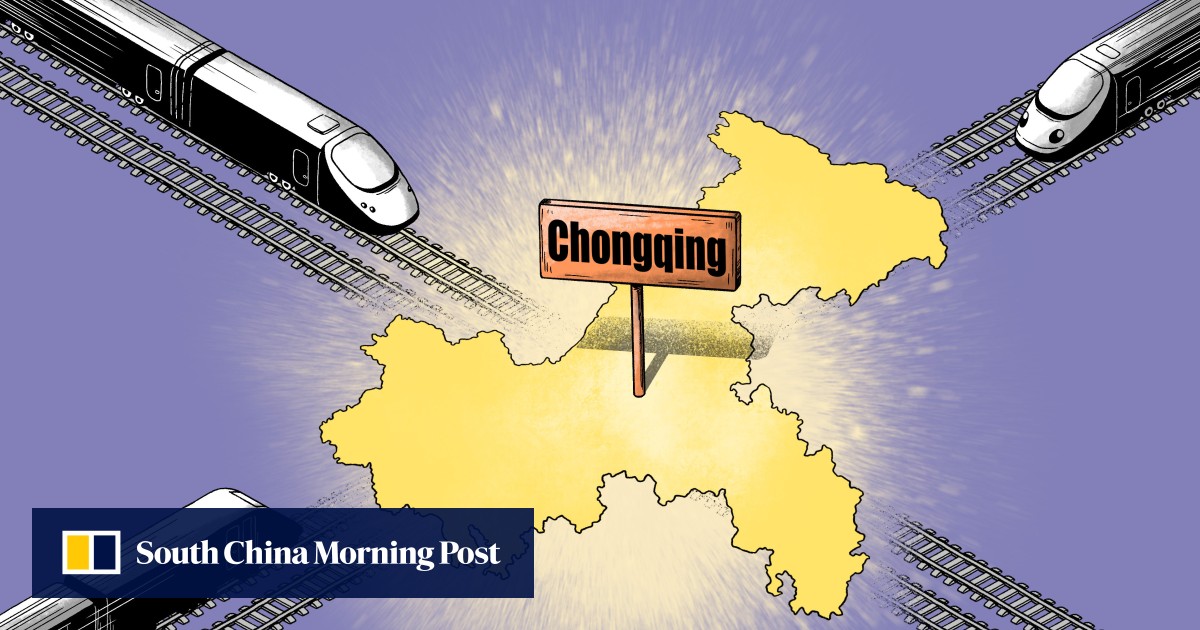
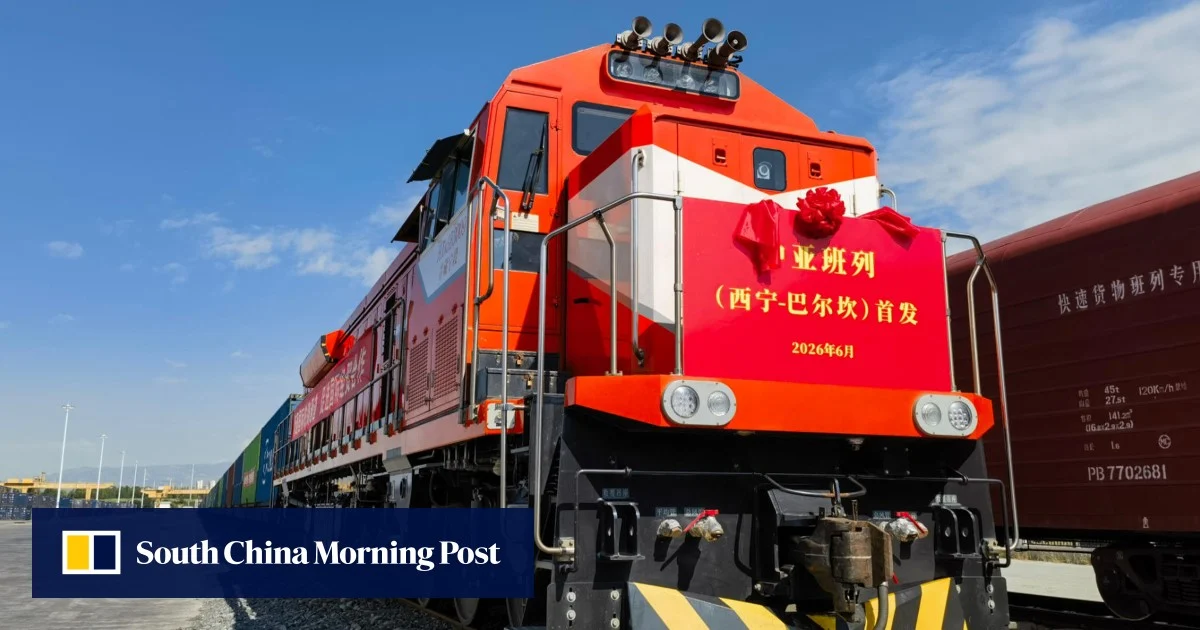
Over the past decade, the southwestern Chinese metropolis has evolved into a hub of international trade, thanks to the launch of two expansive cross-border rail networks. One runs west to Germany and the other extends south, reaching as far as Singapore – trade corridors that give China faster, more reliable access to global markets while offering other countries a clear route into its vast interior.
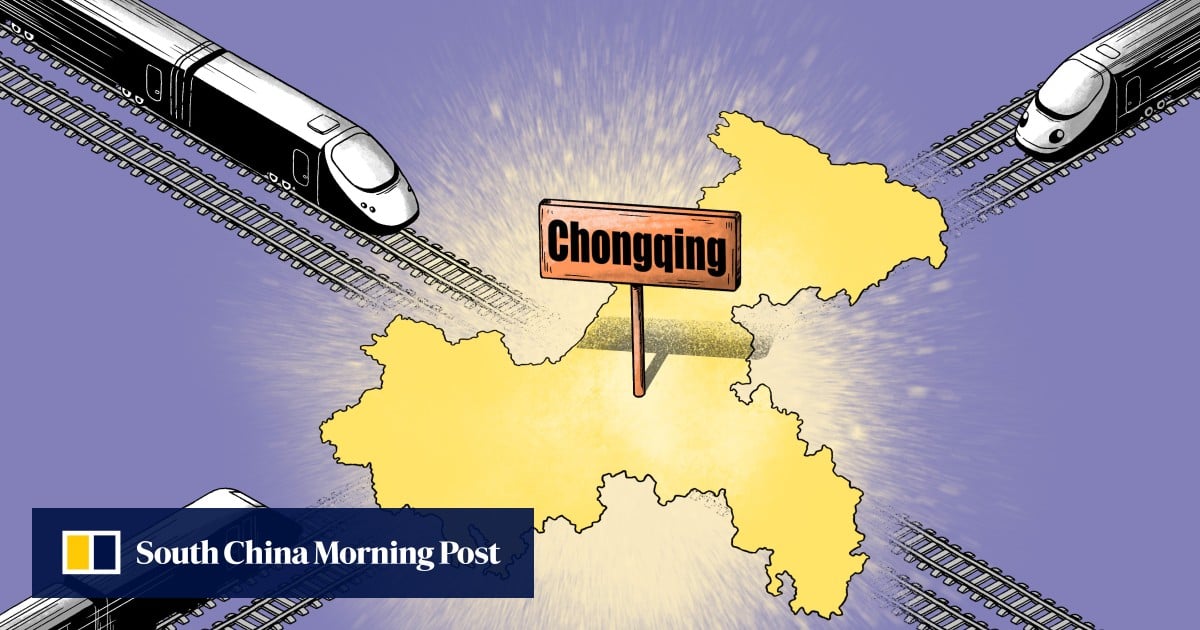
But the city’s ambitions go beyond simply doing business with foreign partners. It aspires to become a central node in the global economy through which other countries trade – a rail-based “Suez Canal”, connecting Asia and Europe.