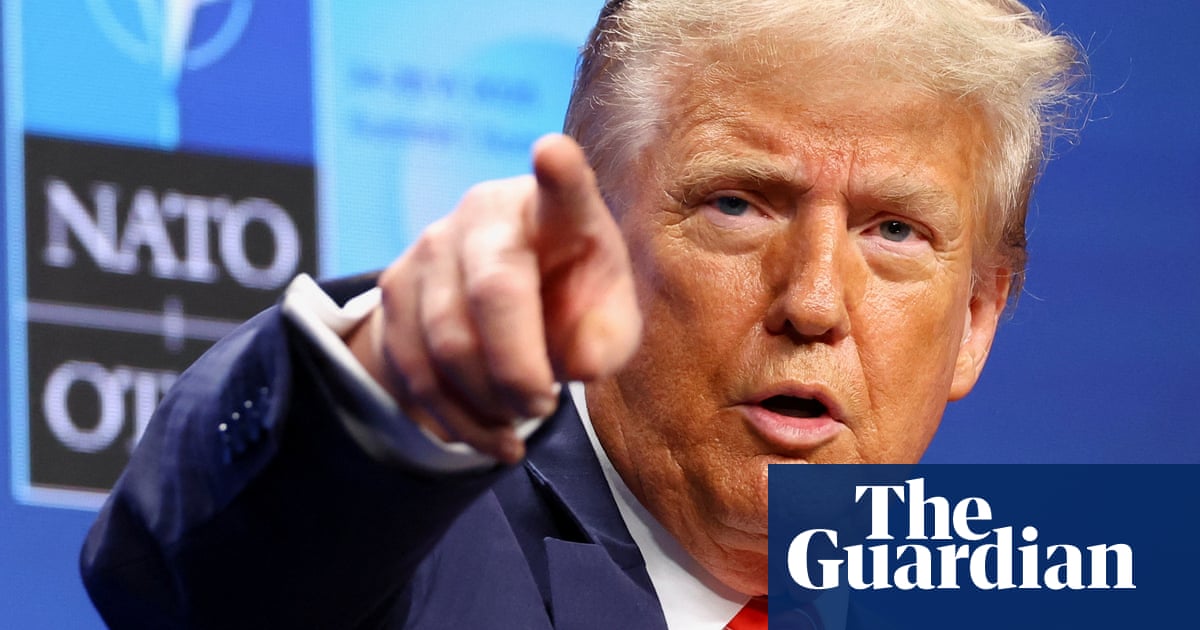
Allies agreed to raise defence spending to face uncomfortable reality of Russian remilitarisation after Ukraine war
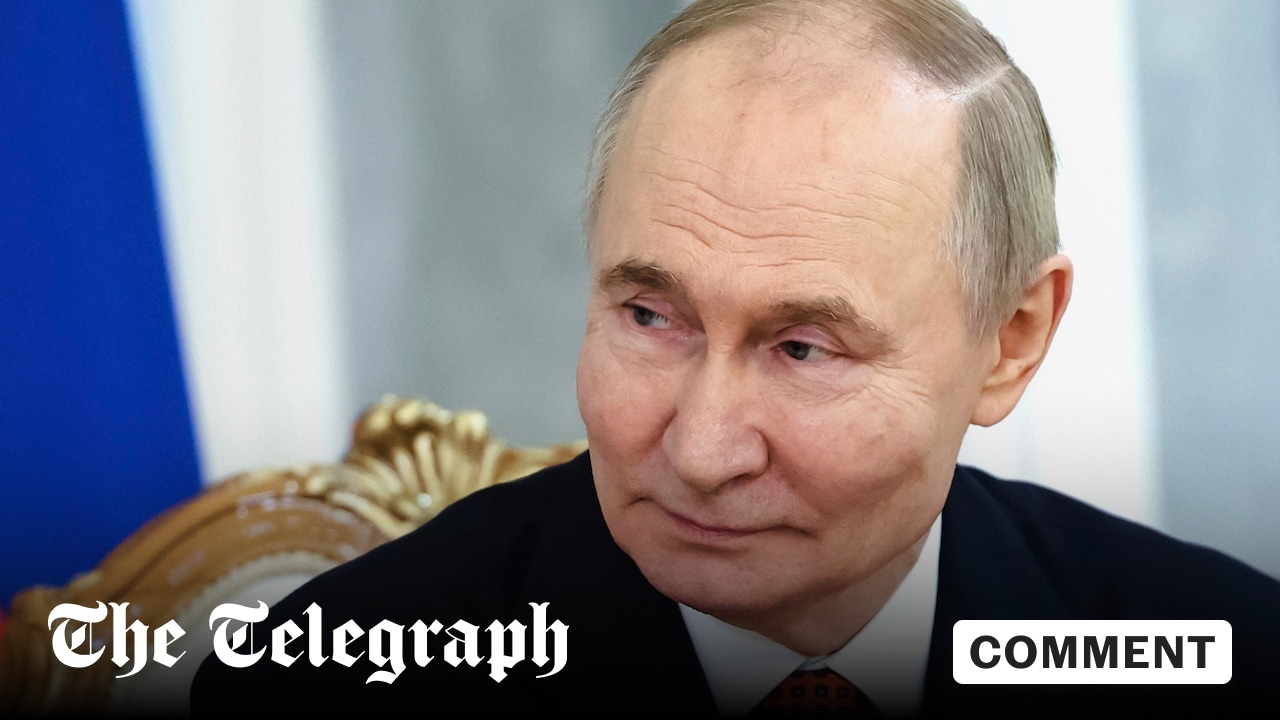
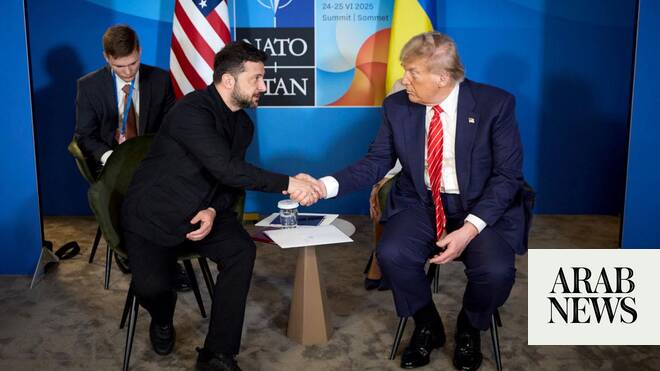
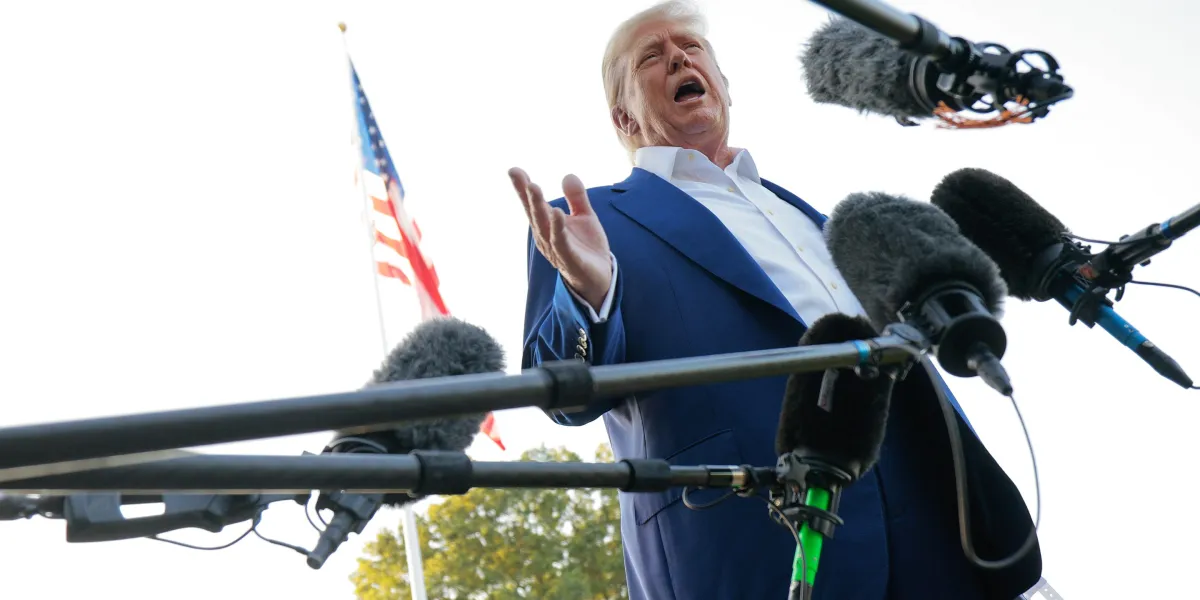
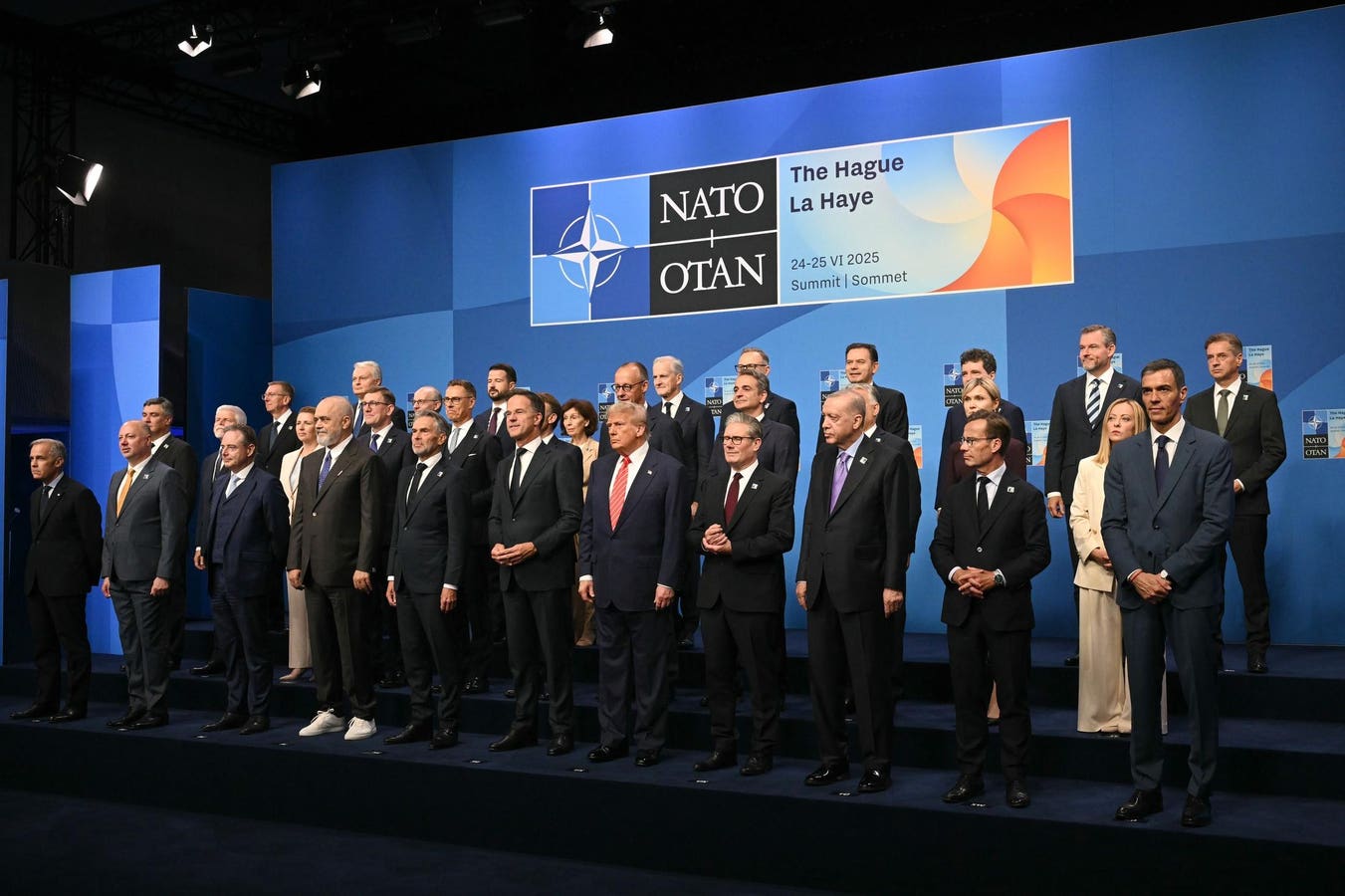
The price was high, but for now, at least, a crisis in Nato has been averted. Donald Trump may like to take the credit for almost all of the 32 allies agreeing to a sharp increase in defence spending, but the reality is that the dramatic change in the Nato mindset was as much brought on by Vladimir Putin.
The Russian president’s full-scale invasion of Ukraine in February 2022 was the first jolt, but there is a second uncomfortable reality. If there is a sustainable ceasefire in Ukraine, it will mean the deployment of a European-led peacekeeping force in the country – and after a while, Russia’s military might will inevitably recover.
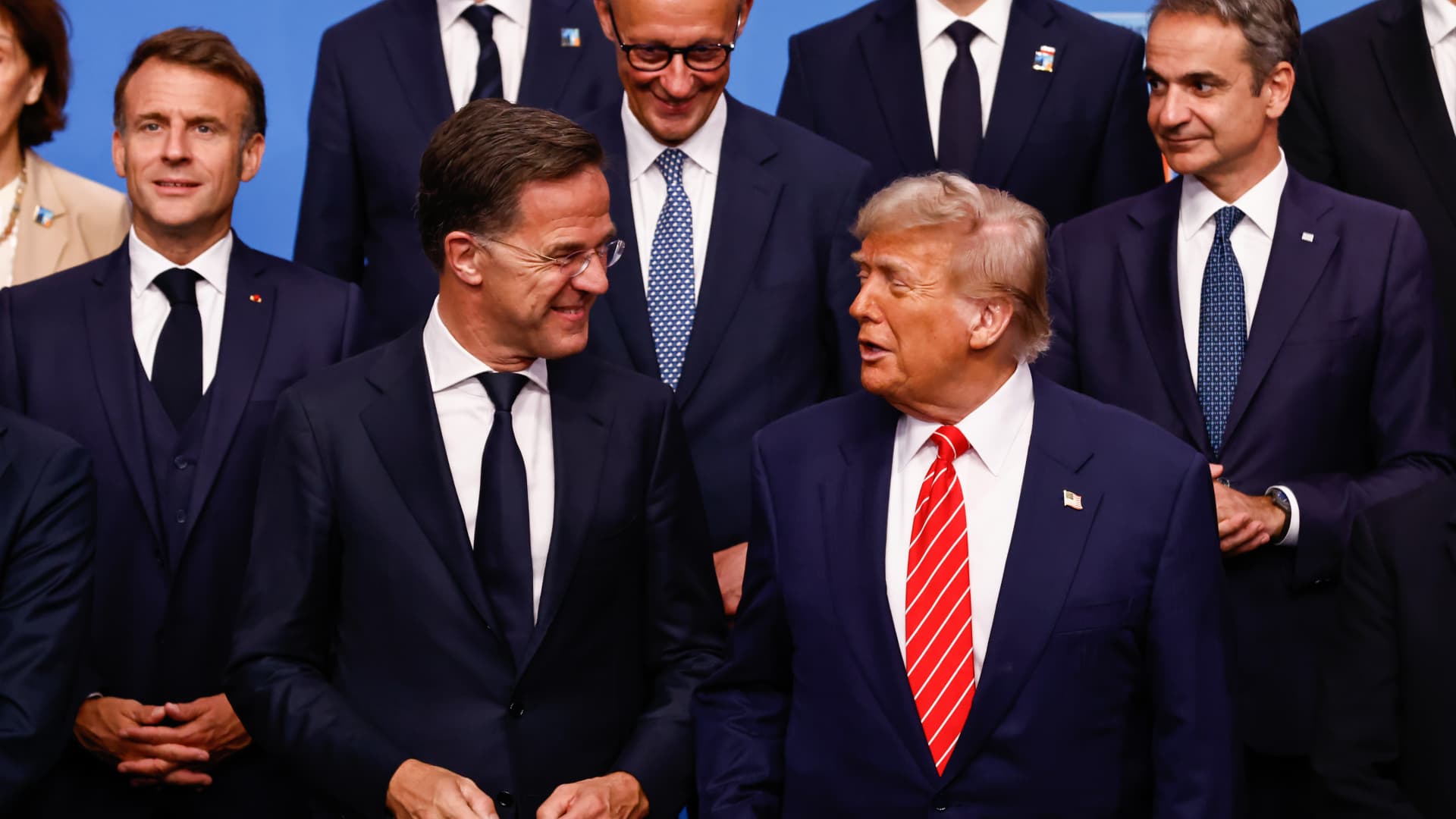
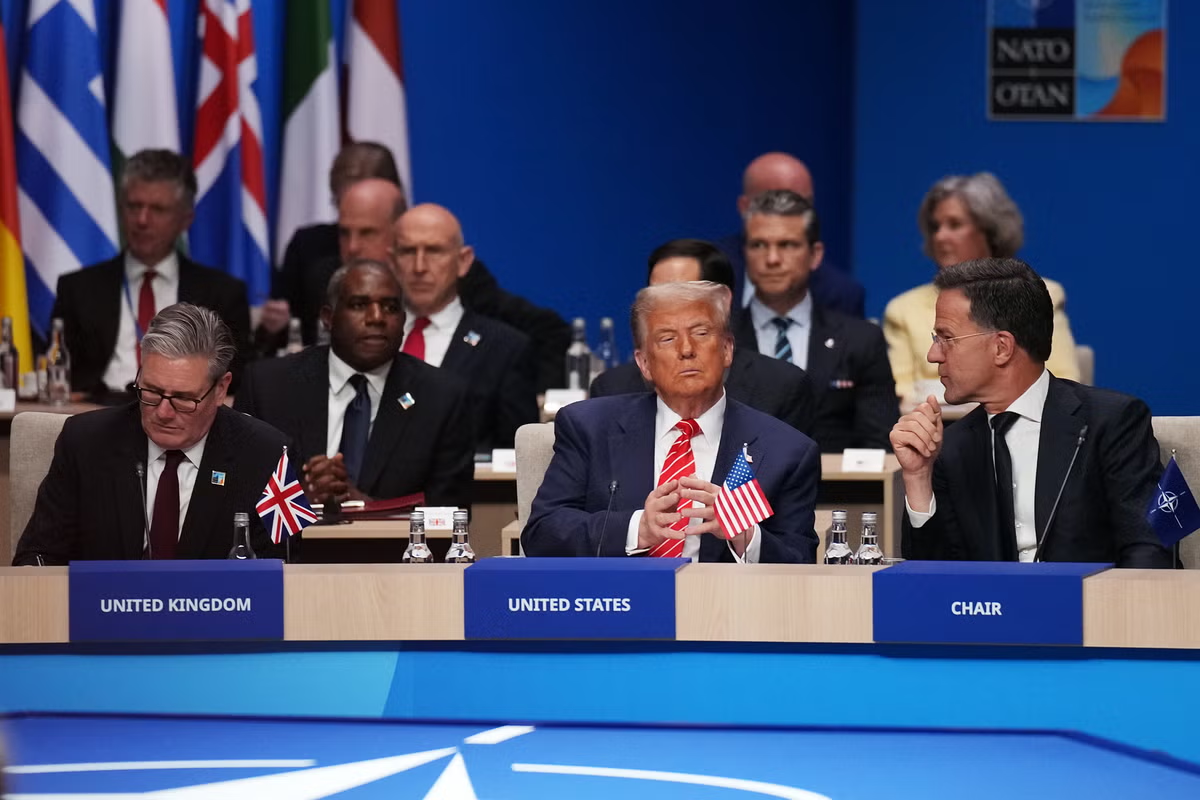
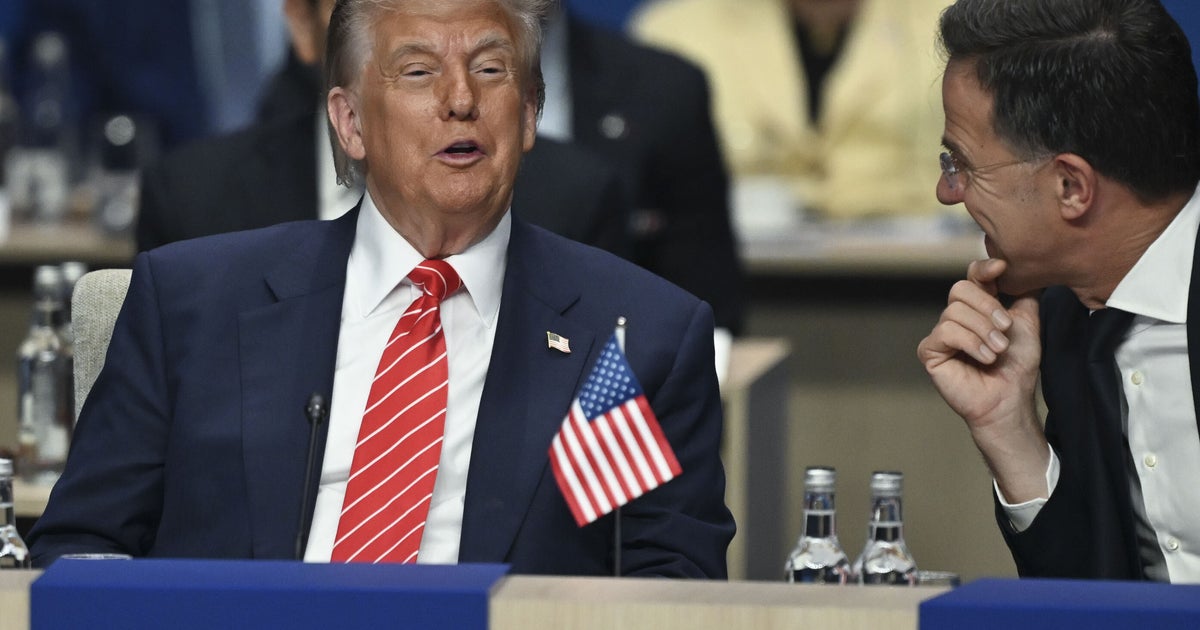
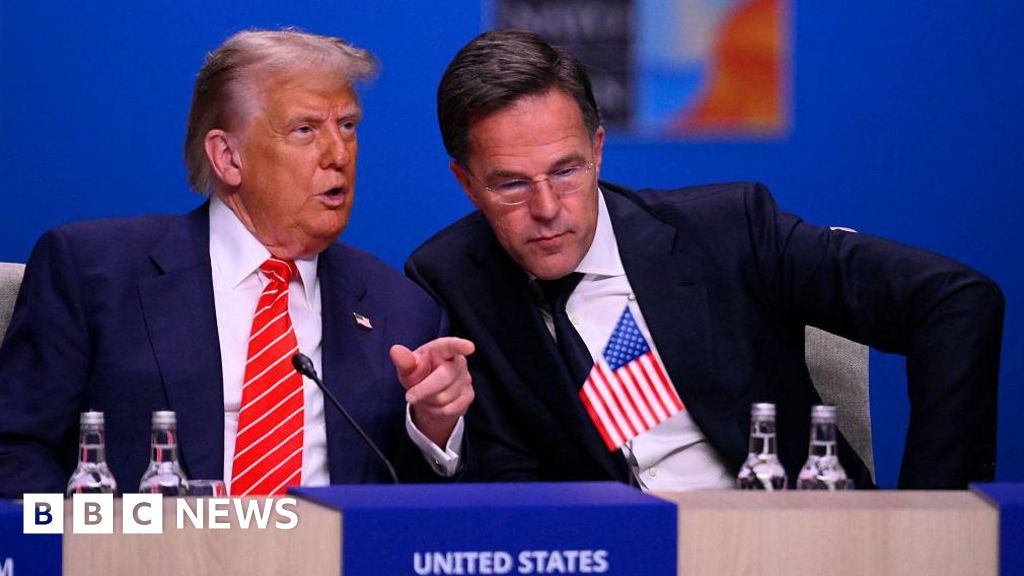
Mark Rutte’s sycophantic, but effective, handling of Trump, certainly helped bring about a positive summit in The Hague, though even the Nato chief had to concede that describing Trump as “daddy” – a father figure who had to tell Iran and Israel to stop fighting – was perhaps “a question of taste”.
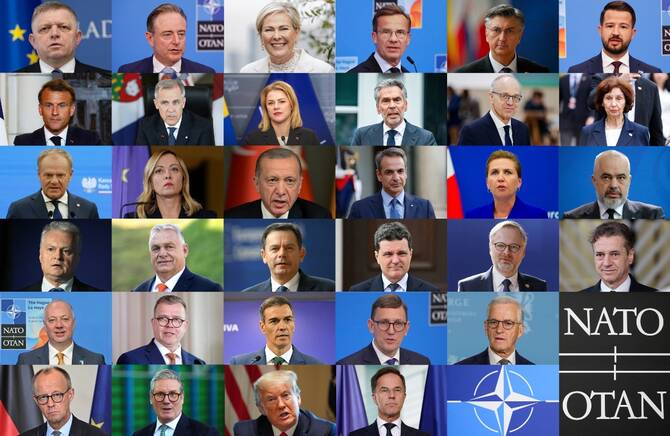
The manoeuvres were not subtle, but they were nevertheless effective. A late schedule change gave Trump a night in King Willem-Alexander’s palace, complete with breakfast, leaving Trump to remark on how well he had slept, though what particularly seems to have hit home was hearing each of the alliance’s other 31 leaders give a three-minute speech, something that might be assumed to have bored him.