Even as the missiles flew across the waters separating Iran and Qatar, diplomacy was in motion. And it worked.
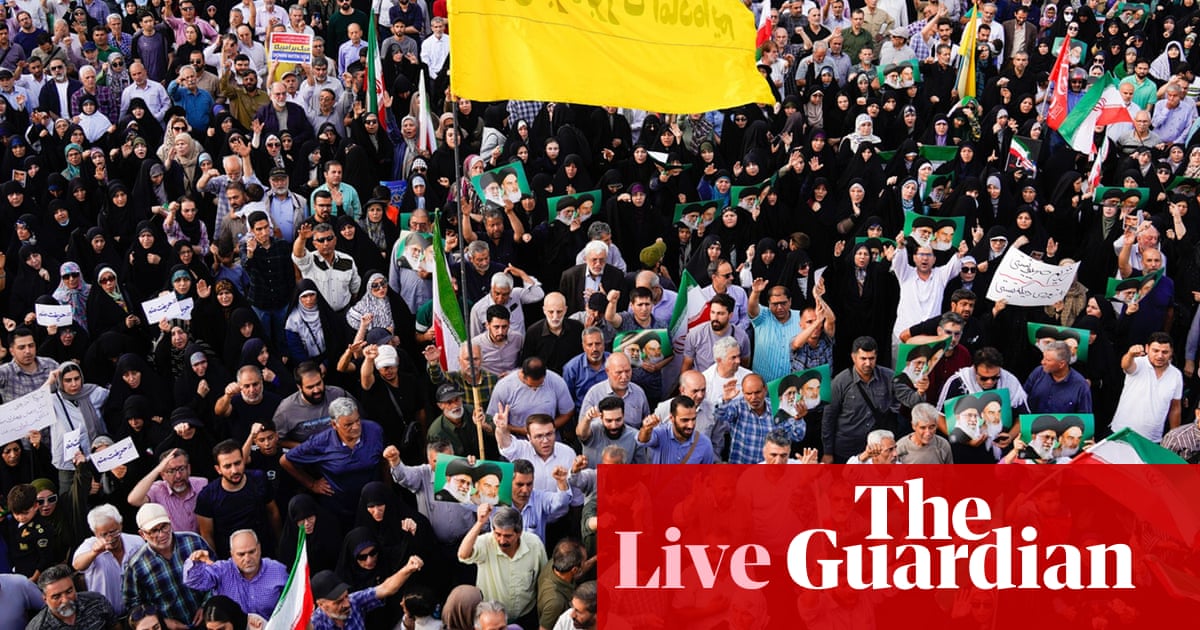
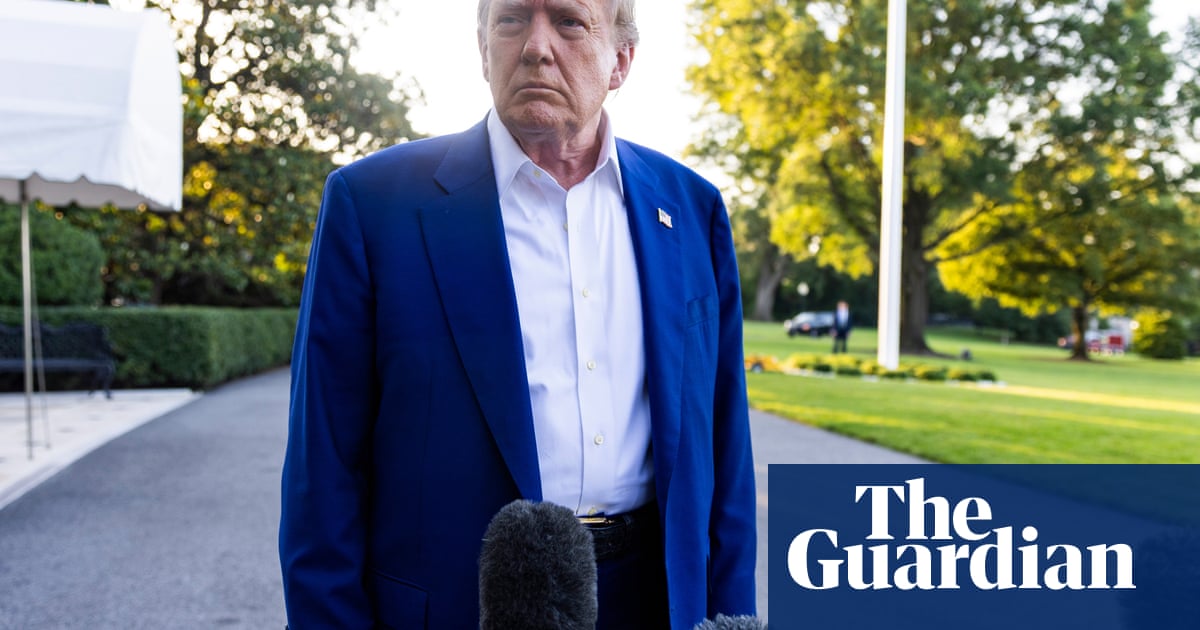
When US President Donald Trump entered the war between Israel and Iran late on Saturday night, the region was braced for escalation.
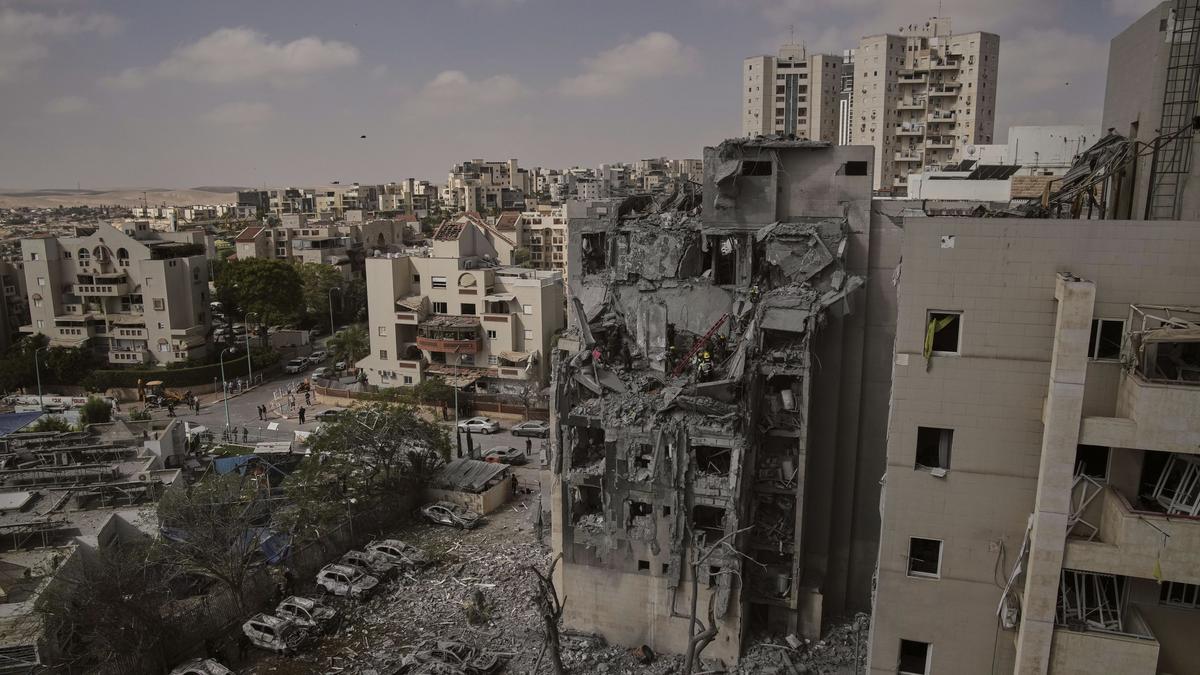
The US dropped 17 Massive Ordnance Penetrator bombs and two dozen cruise missiles on Iran’s nuclear facilities at Natanz, Fordow and Esfahan, assisting Israel, which had already been trading missile fire with Tehran since July 13.
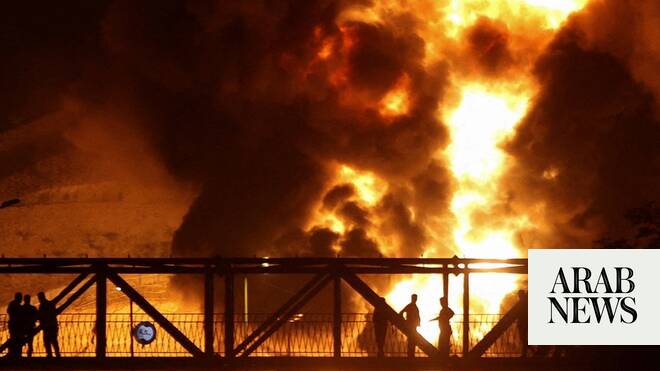
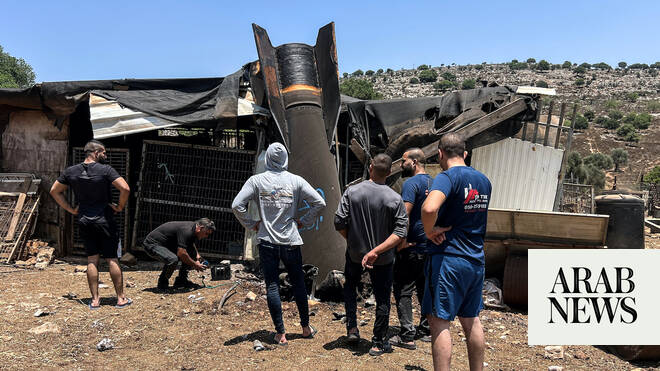
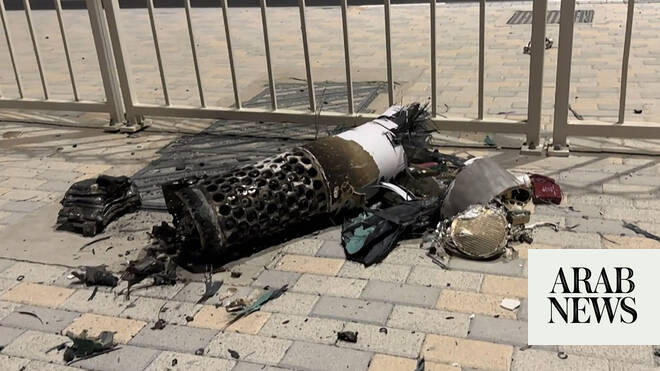
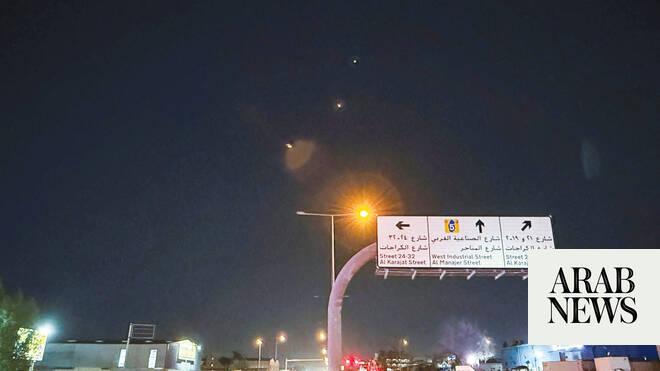
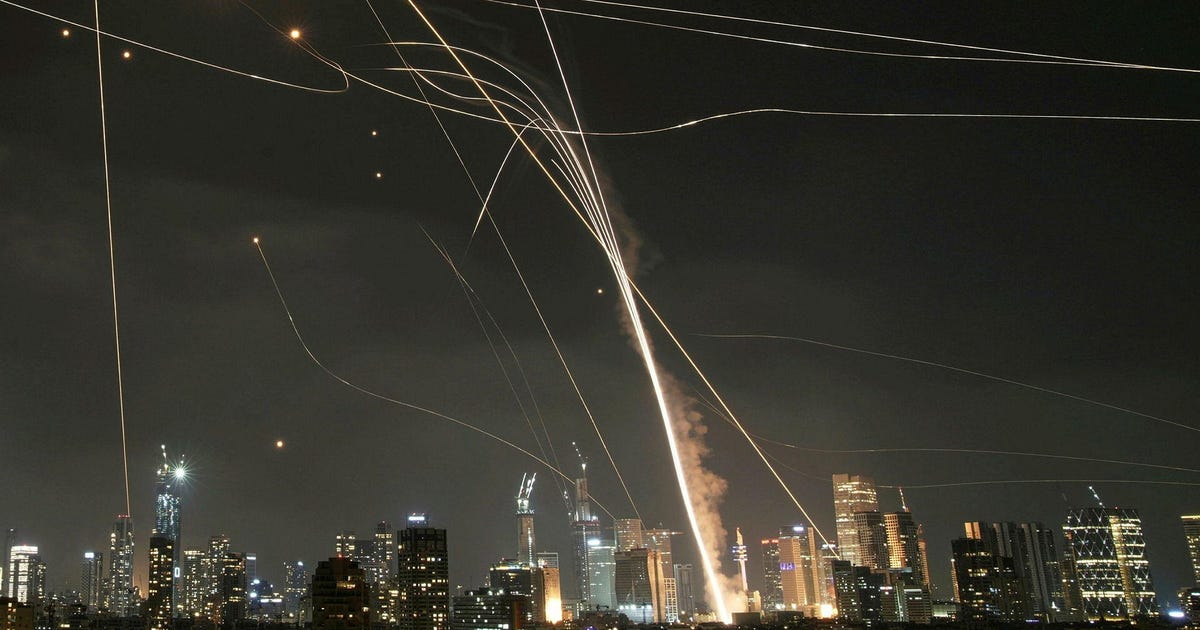
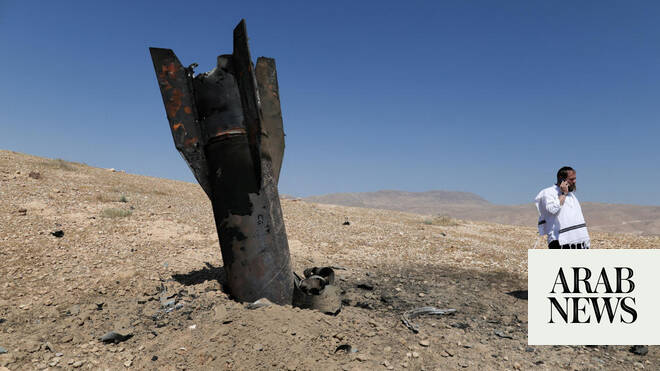
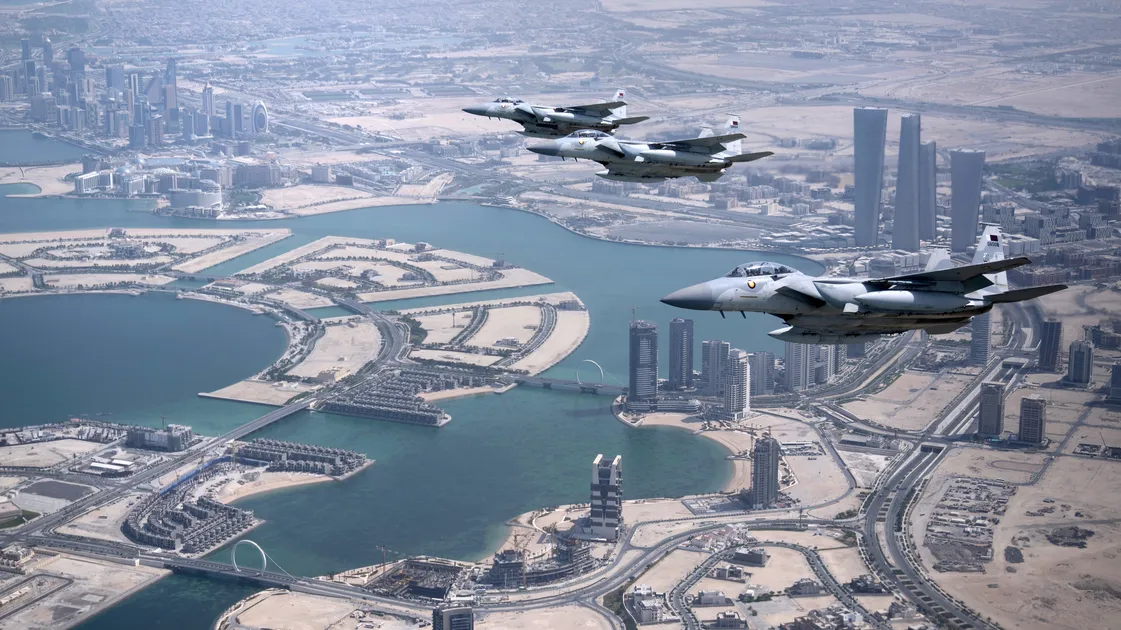
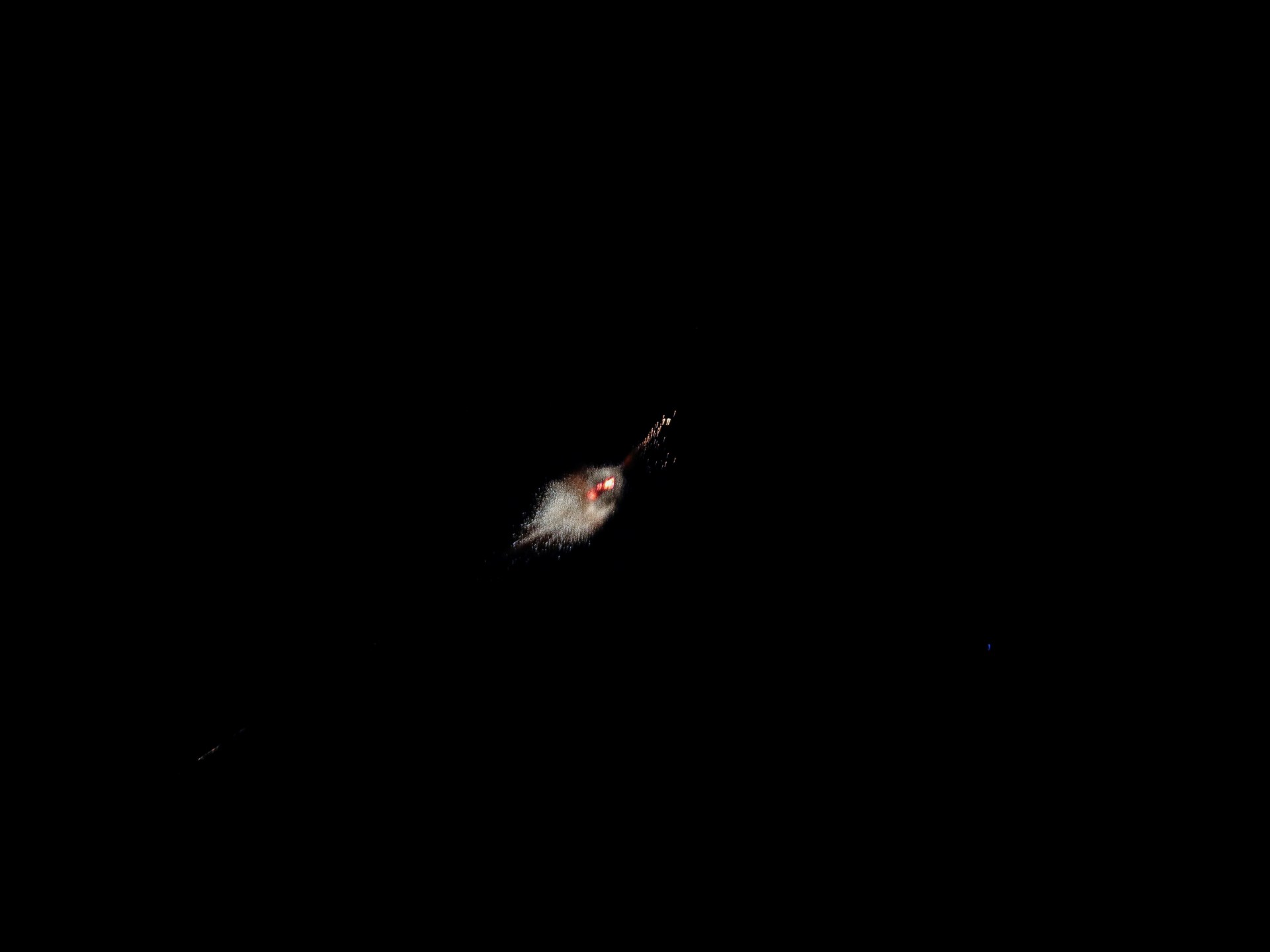
Iran’s response soon came. On Monday evening, it launched 14 missiles aimed at the US Air Force’s Central Command in the Middle East, at Al Udeid in Qatar, a neutral country. Those missiles flew over the capital, Doha, spreading alarm.
Yet instead of leading to the “rathole of retaliations” UN Secretary-General Antonio Guterres had warned against, the attack presaged a truce that Trump announced hours later, and that was facilitated by sophisticated diplomacy involving Qatar, the US and Iran.