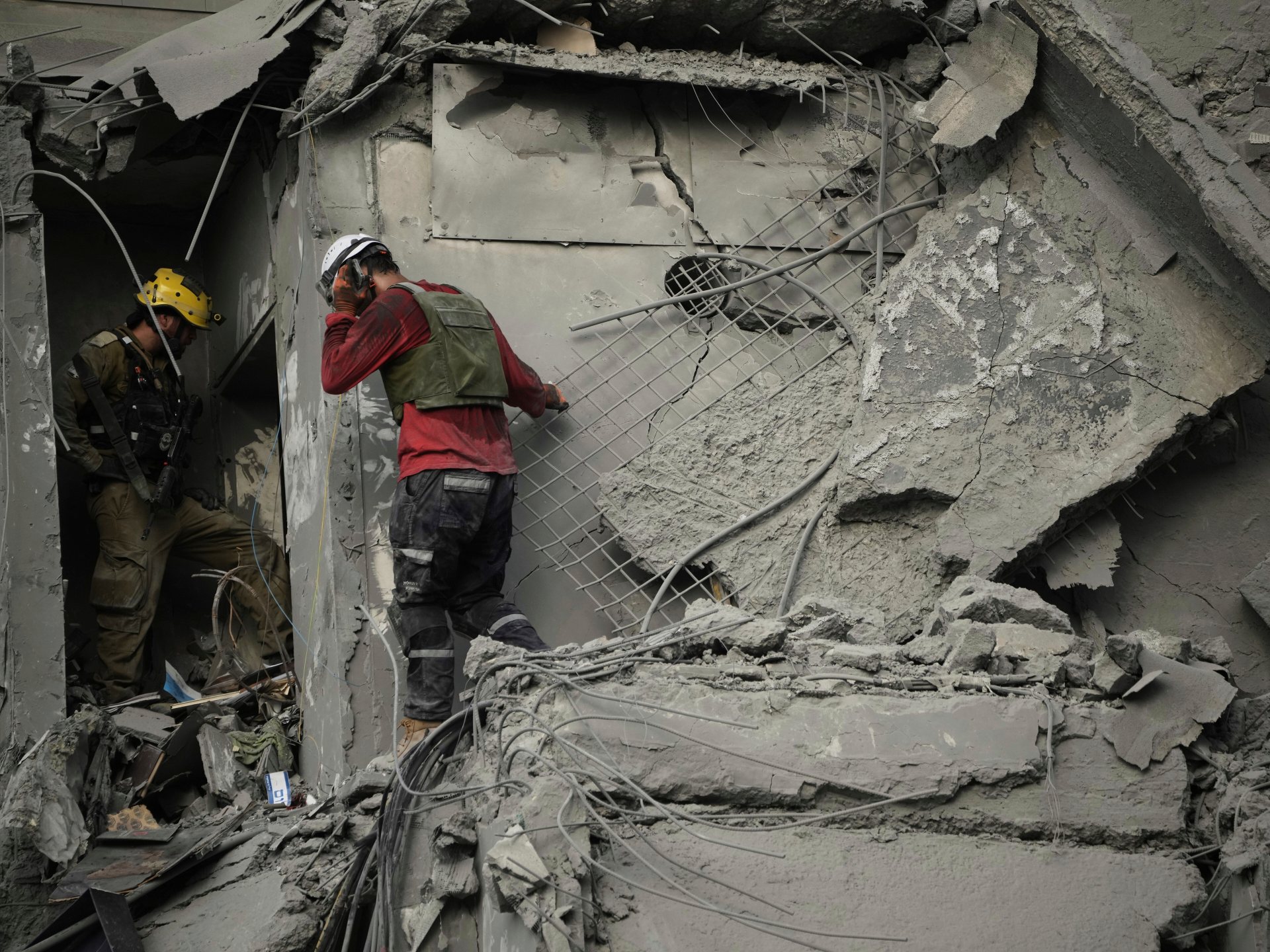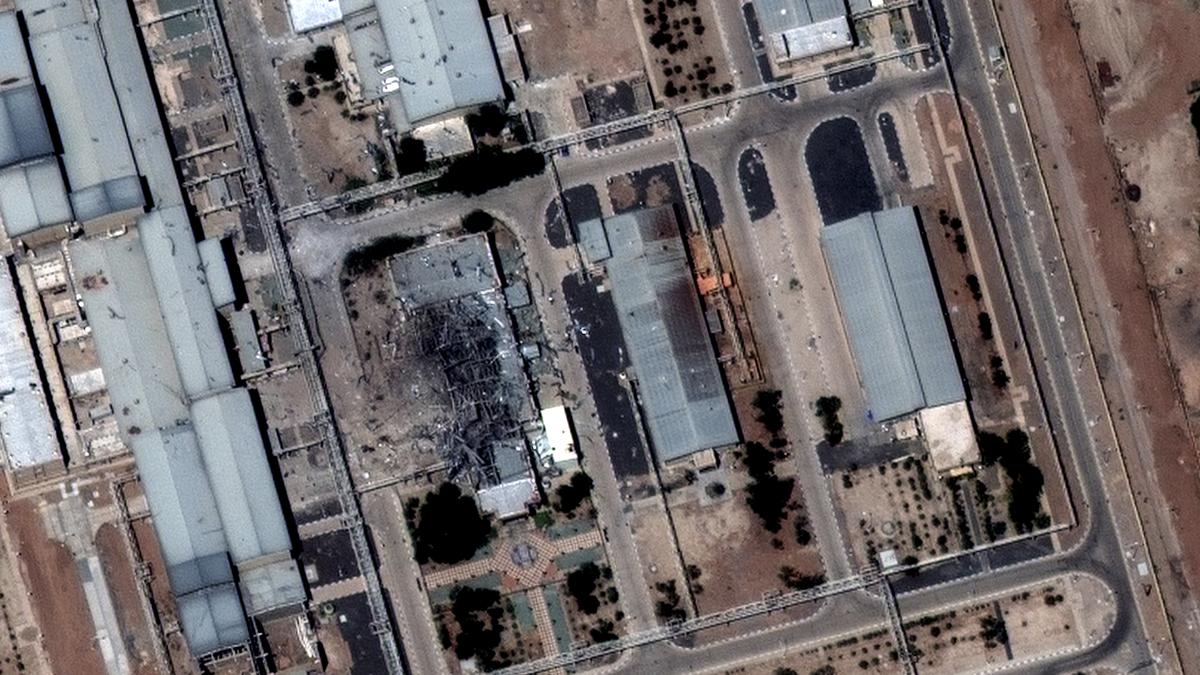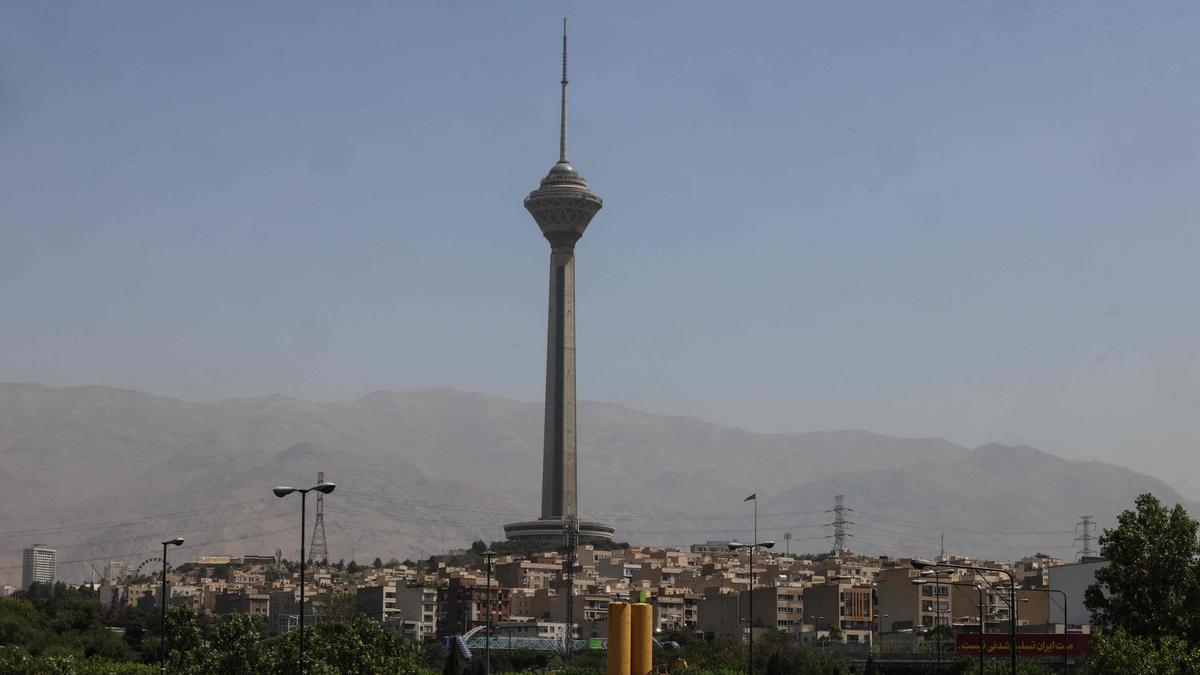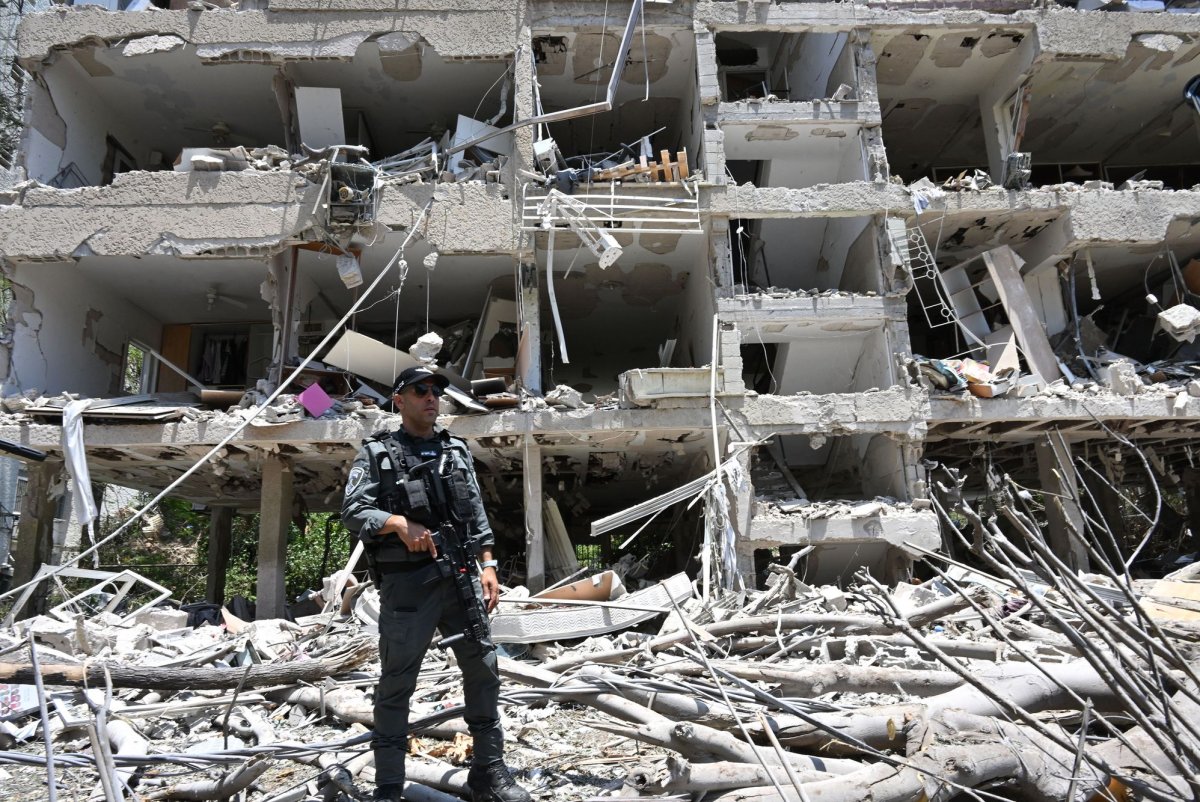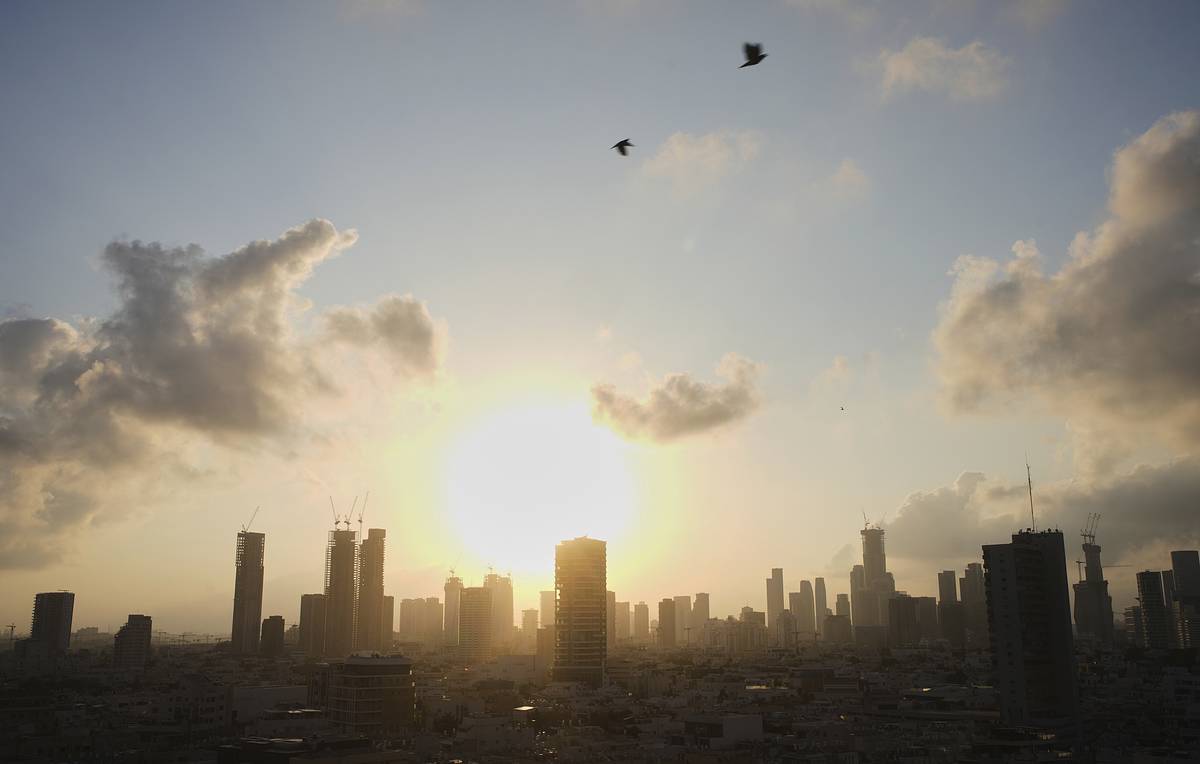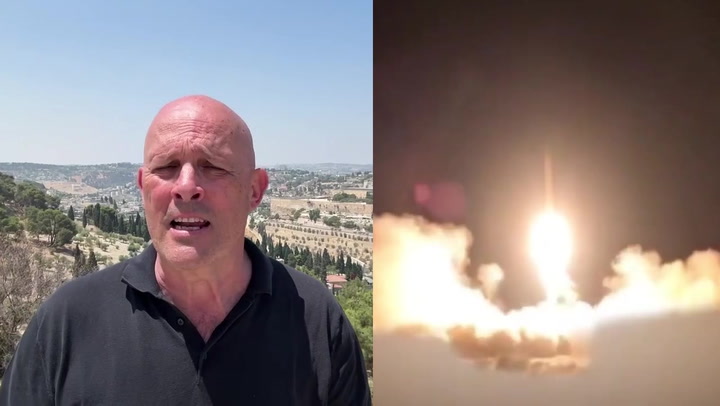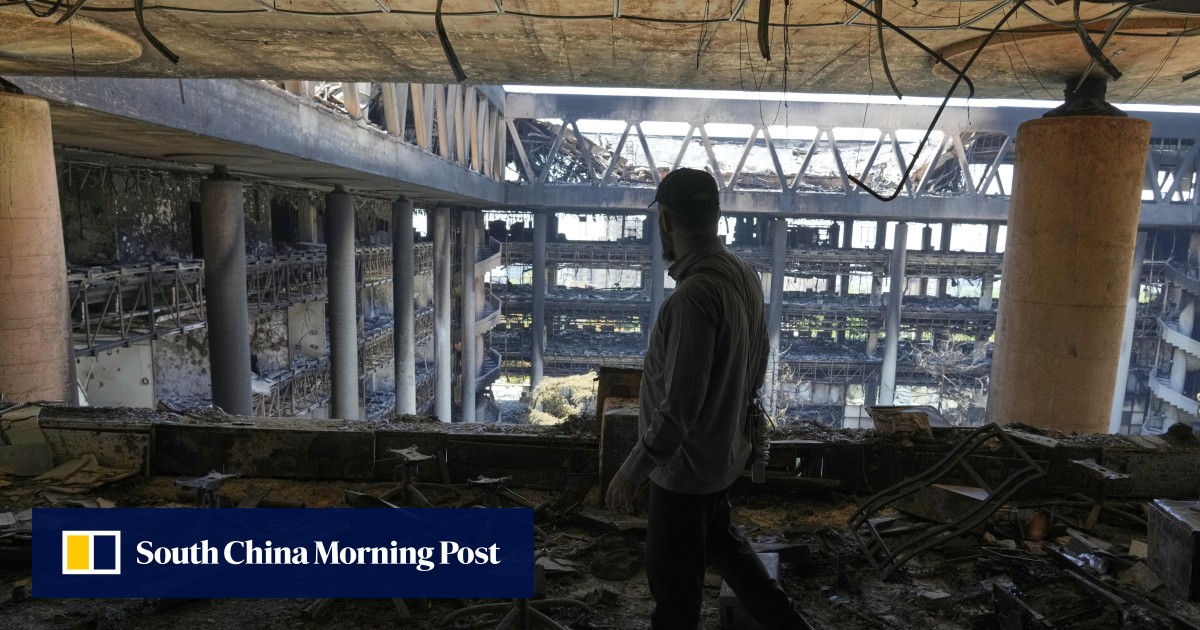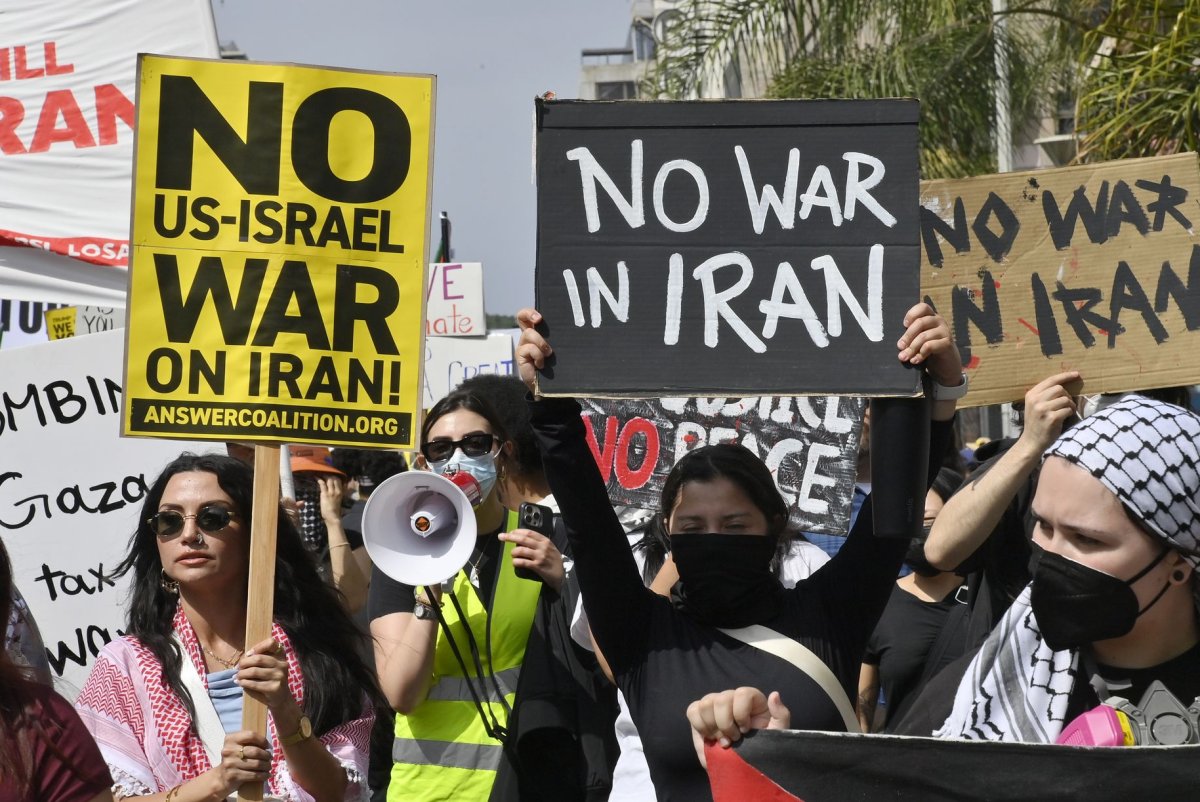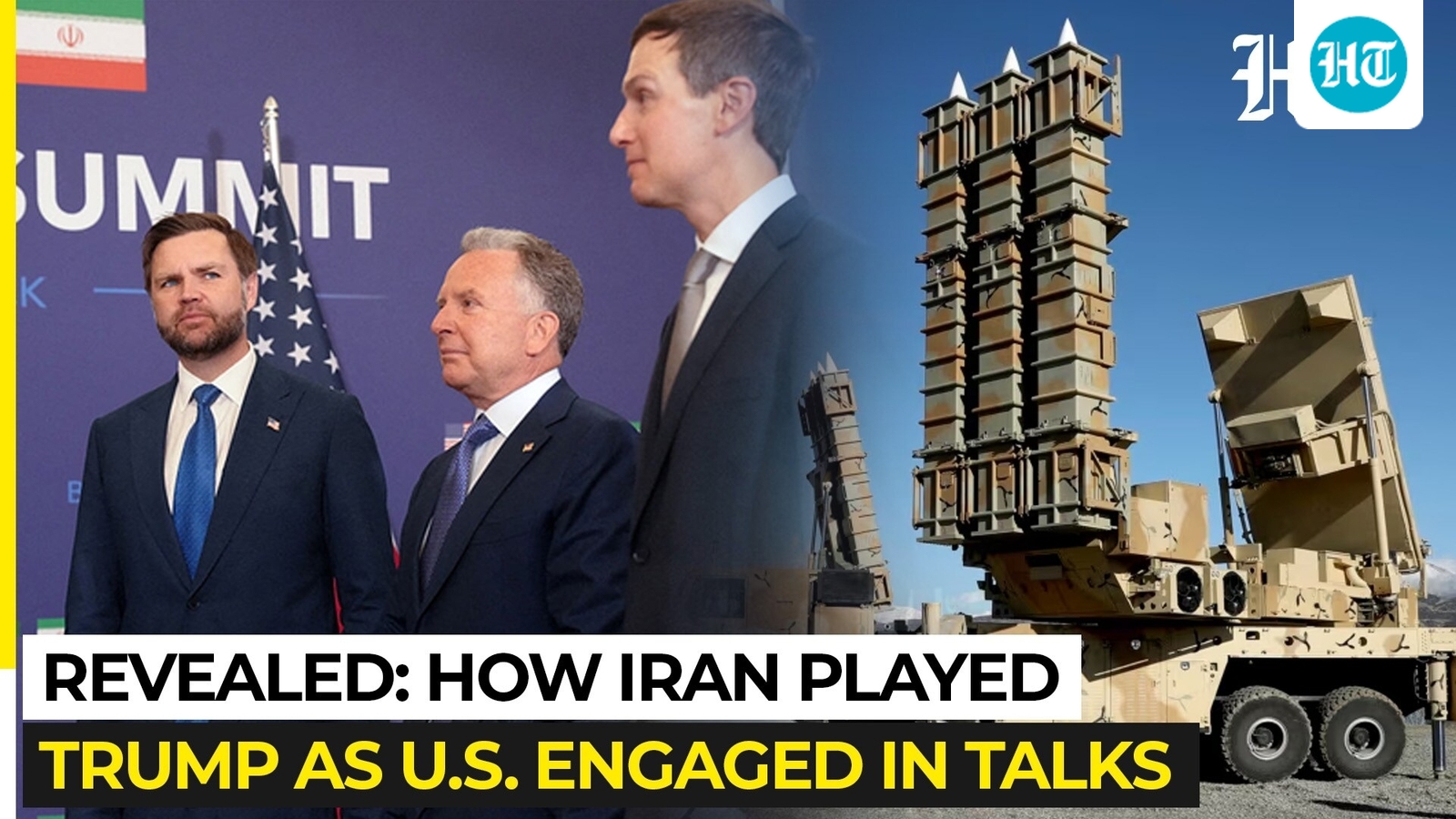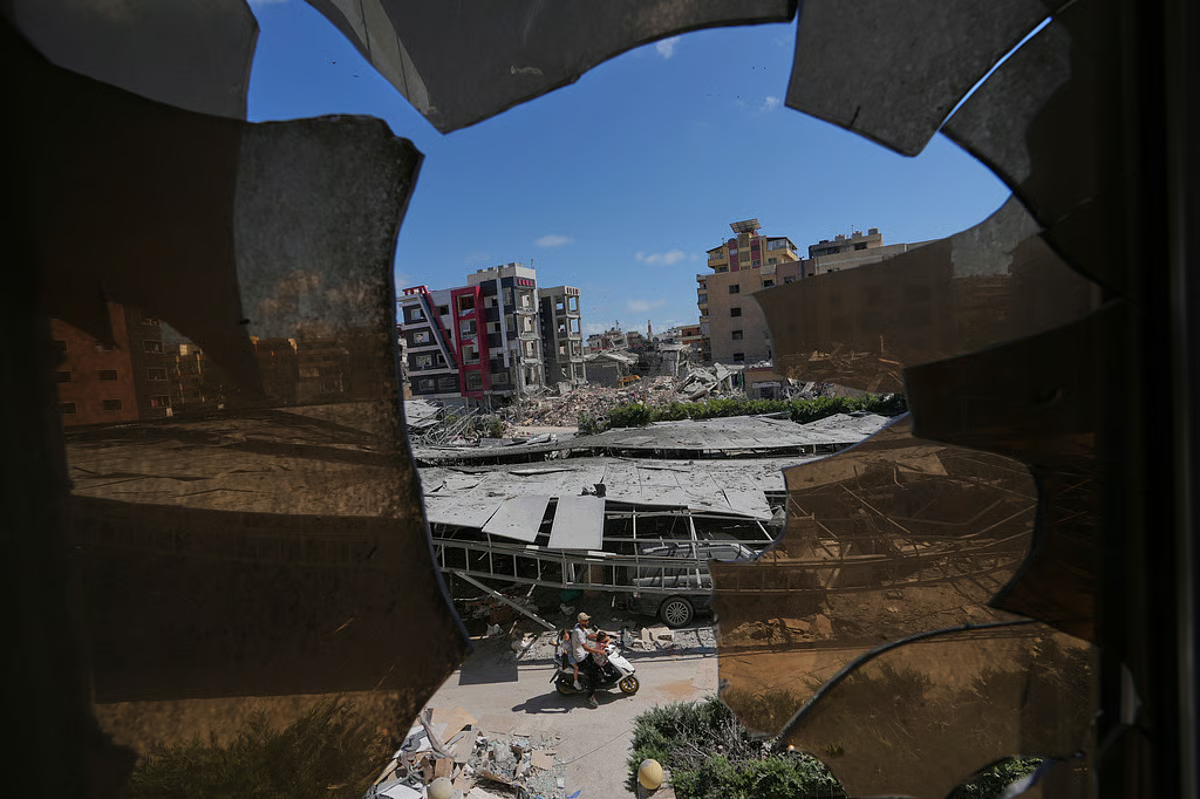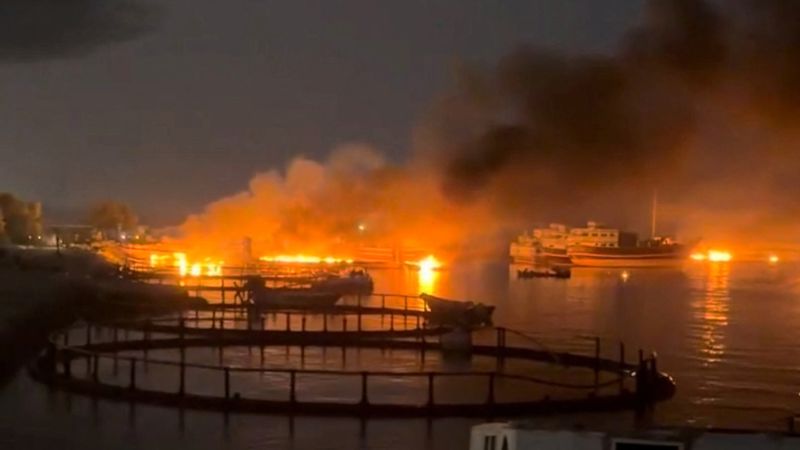
Iran and Israel have entered a fragile ceasefire, ending 12 days of conflict triggered by a surprise Israeli attack targeting Iranian nuclear and ballistic missile infrastructure, as well as high-level leadership figures. The ceasefire was announced in the immediate aftermath of a tit-for-tat exchange of attacks between the US and Iran, actions that represented the tail end of Israel and Iran’s own direct strikes. A formal state of war was never declared by either Iran, Israel or the US. But the conflict saw Israel and the US cross long-established red lines regarding attacks on Iranian nuclear infrastructure that risked propelling the entire Middle East into a zone of conflict, with the potential to escalate into a crisis of global proportions. However, the push to the brink and the resulting ceasefire may yet provide an opportunity for a grand bargain between the warring parties, which could bring about the elusive peace the region has long sought.
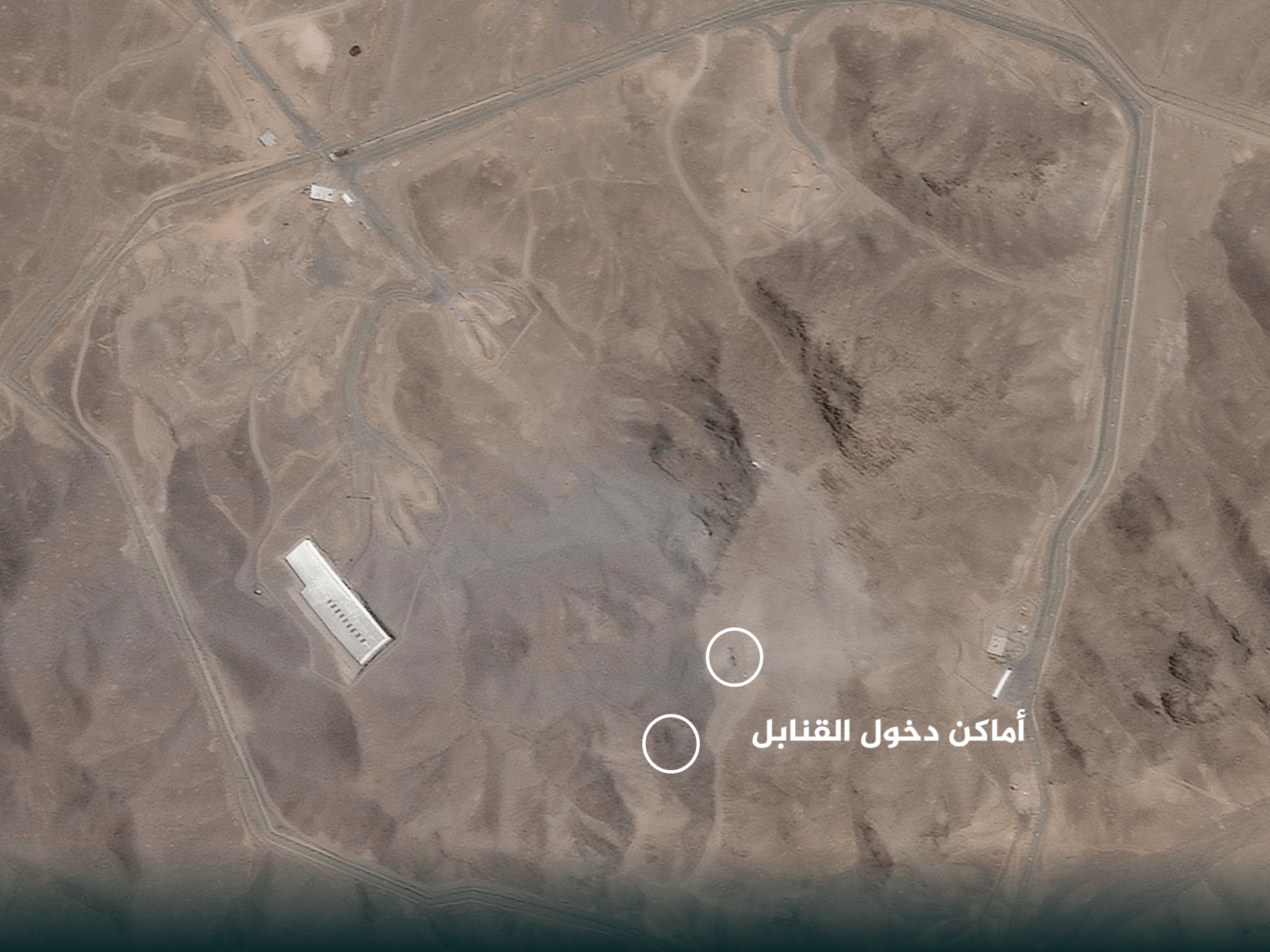
For more than two decades, the US and Israel have threatened military action against Iran’s nuclear infrastructure, citing its potential to further a nuclear weapons program. In 2006, the US began contingency planning for such an attack, but a 2007 US national intelligence estimate found that Iran was not actively pursuing weaponization, undermining support for a military option. In 2014, the US again considered action amid enrichment concerns, but this was averted through the 2015 Joint Comprehensive Plan of Action (JCPOA), which sought to ensure Iran’s nuclear program remained peaceful. US President Donald Trump’s unilateral withdrawal from the JCPOA in 2018, combined with Europe’s failure to uphold key economic commitments amid the risk of exposure to US secondary sanctions, led to Iran gradually backing out of the stringent restrictions on its enrichment program. By 2024, Iran had accumulated sufficient enriched material and enrichment capability to be considered a threshold nuclear weapons power. Despite no confirmed evidence that Iran had decided to build a bomb, on the night of Jun. 13, Israel launched a surprise attack, hitting nuclear facilities and command centers. Israel then launched daily follow-up strikes on military and industrial targets. On Jun. 21, the US joined the campaign, striking Iran’s nuclear facilities at Fordow, Natanz and Isfahan using bunker-buster bombs and cruise missiles.