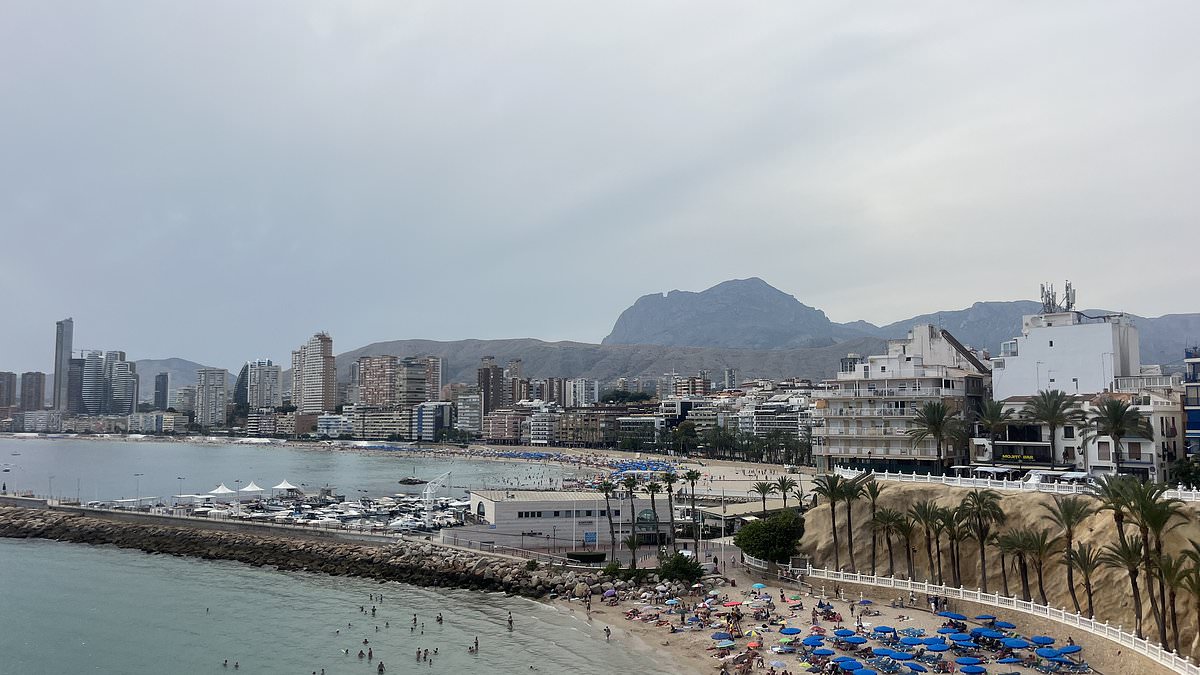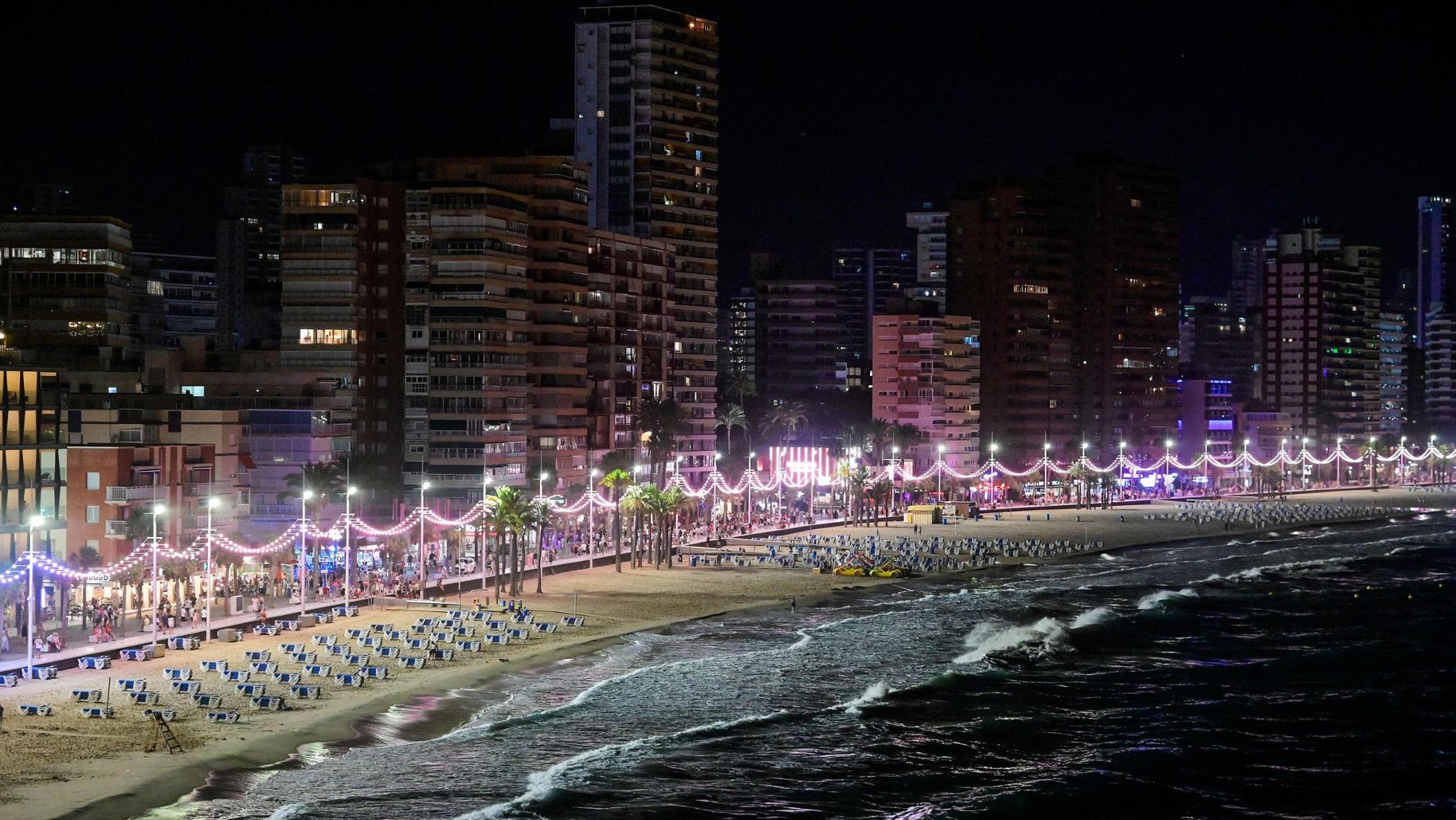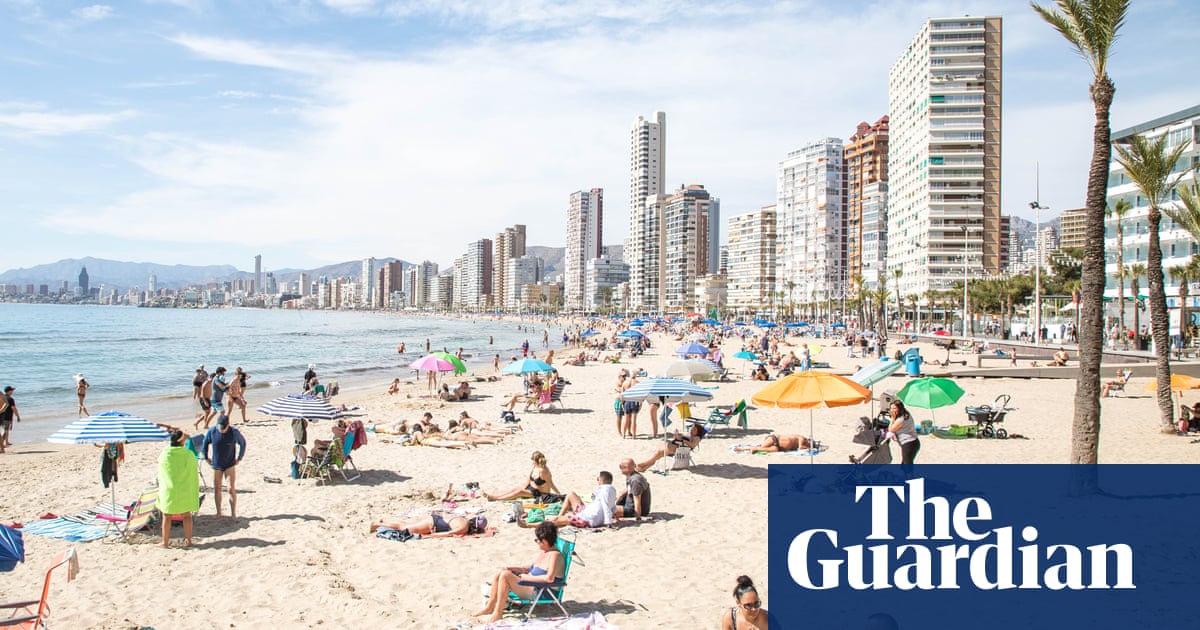
Ths resort was ahead of its time – built to handle industrial numbers of tourists while not displacing residents. And beyond the full English breakfasts and pub crawls, there’s an authentic Spanish side to it
L
ast year, Benidorm welcomed close to 3 million visitors. Despite its reputation as a British holiday mecca – nearly 900,000 UK travellers visited the city in 2024 – it was actually Spanish nationals who made up the largest share, with more than one million domestic visitors flocking to the Costa Blanca resort, according to Benidorm city council. I have a feeling that these visitors did not come for the stereotype of full English breakfasts and pub crawls, but for something often overlooked by international tourists: the authentic, everyday rhythm of Spanish coastal life.
In a country where tourism makes up about 15% of GDP but has also spurred a housing shortage and countermovements, Benidorm offers a contrast to cities like Barcelona and Madrid, where tourism pressures are acute. The city’s mid-20th-century reinvention as a purpose-built resort might once have been controversial, but today it looks surprisingly sustainable in the context of a national housing emergency.
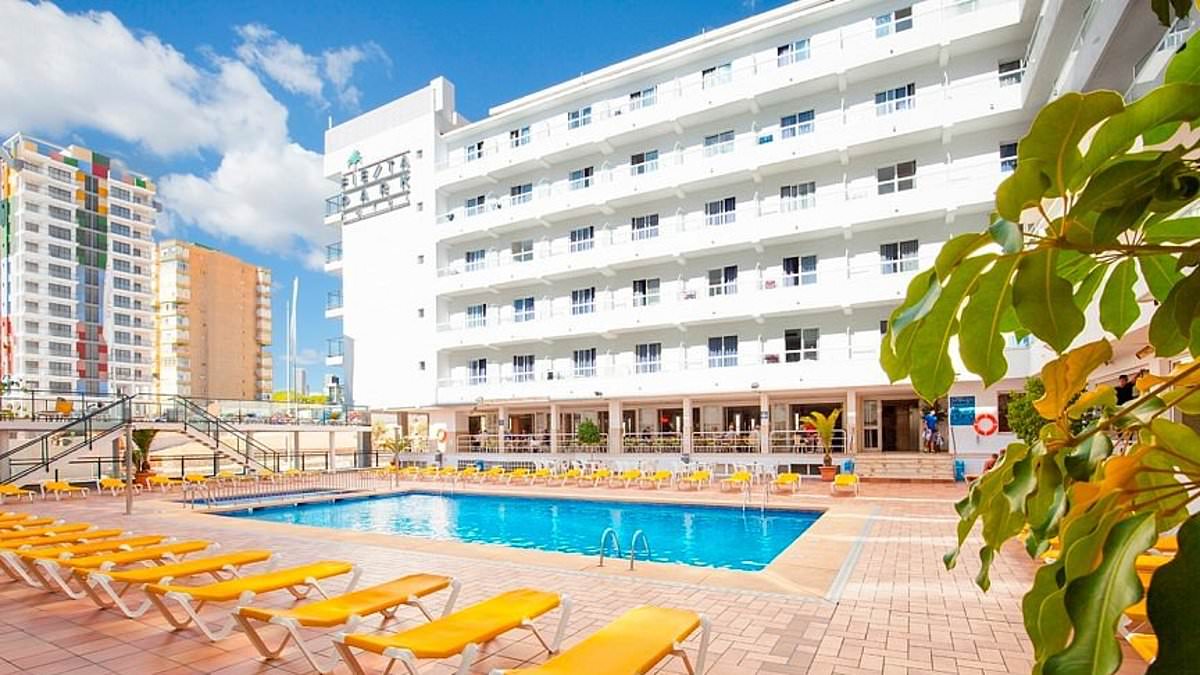
Benidorm was designed and built to handle industrial numbers of visitors – including me. My first visit was in the early 1990s, aged eight, on a classic package holiday with my family. I vividly remember staying up late to play billiards with a rotating cast of kids, and language barriers didn’t matter. Their mothers – and what felt like every other señora in our 20-storey hotel – took turns pinching my cheeks.