https://arab.news/b5dsd
In 2019, the Business Roundtable, an association of the most powerful CEOs in the US, won widespread praise by announcing its commitment to “stakeholder capitalism,” which delivers value not only to shareholders, but also to other affected actors, such as employees and communities. Now, however, the Business Roundtable has changed its tune: its April report, “The Need for Bold Proxy Process Reforms,” reads almost like a manifesto against stakeholder capitalism.
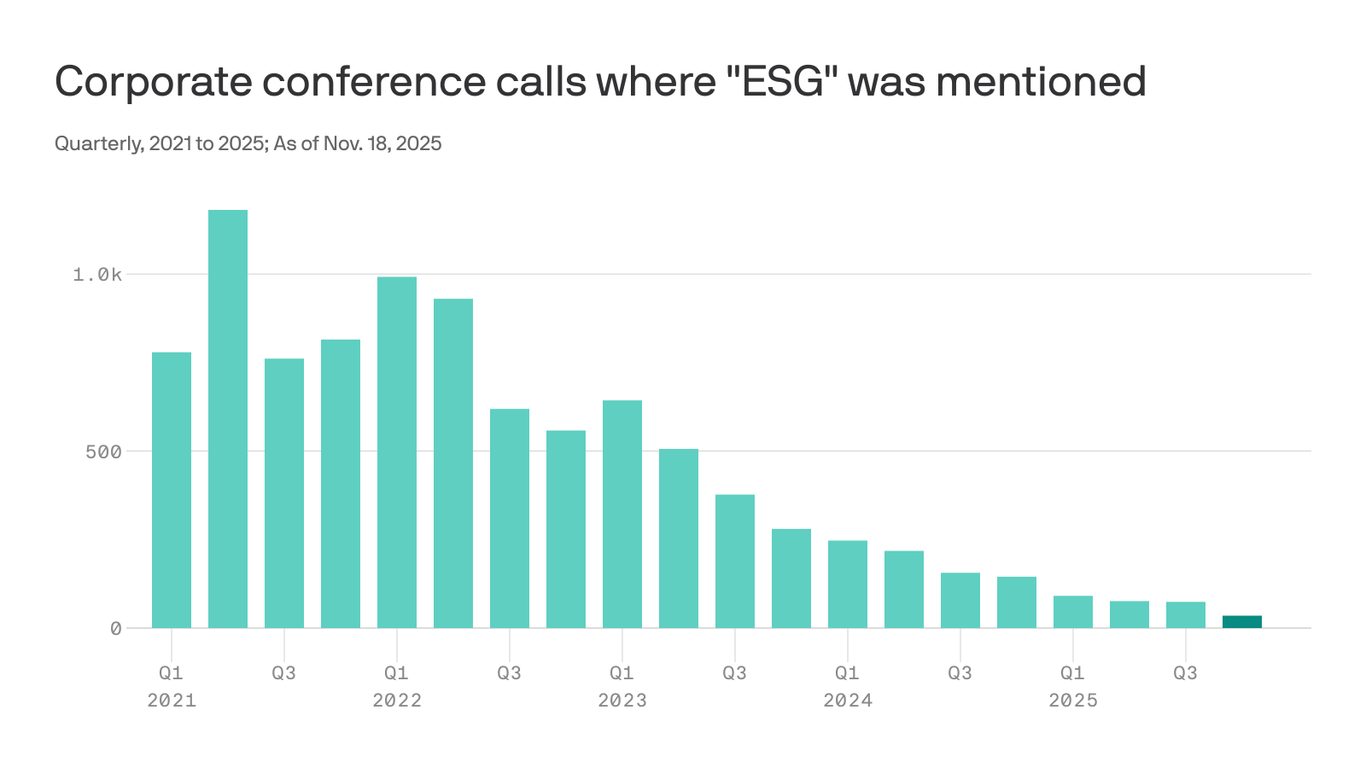
The reason for this volte-face is obvious. The Roundtable’s 2019 “commitment” was a clear attempt to get on the right side of popular sentiment: Engagement with social and environmental issues was up, and so were demands that powerful institutions get on board. But the political mood has changed. At a time when Americans are preoccupied with intensifying pressures on their own pocketbooks, the new second administration is actively rejecting environmental and social issues. For many CEOs, this looks like a golden opportunity.
So, the Business Roundtable is calling on the US Congress to “enact legislation precluding the inclusion of shareholder proposals relating to environmental, social and political issues in a company’s proxy statement.” With this, CEOs want to scrap one of the few formal mechanisms through which a diverse range of stakeholders can influence corporate behavior on issues such as climate risk, inequality, worker safety, and political transparency.