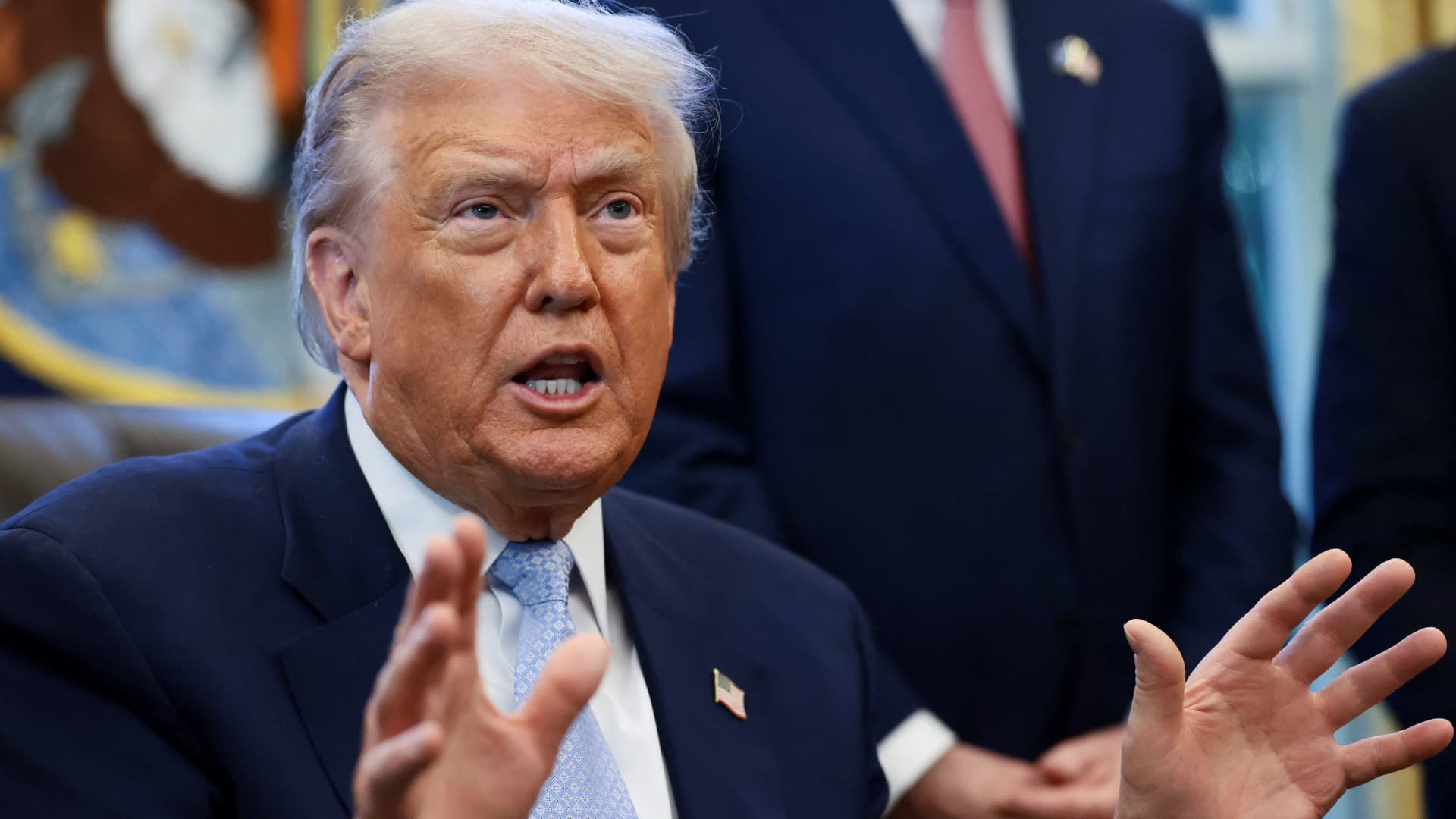
The reporting this week that the Trump administration is moving to craft an executive order potentially limiting the power of proxy advisory firms such as ISS and Glass Lewis, along with the reported FTC investigation into whether these firms have violated antitrust laws, should be celebrated across the political spectrum. As longtime corporate governance scholars, we believe these moves are not only correct but long overdue.
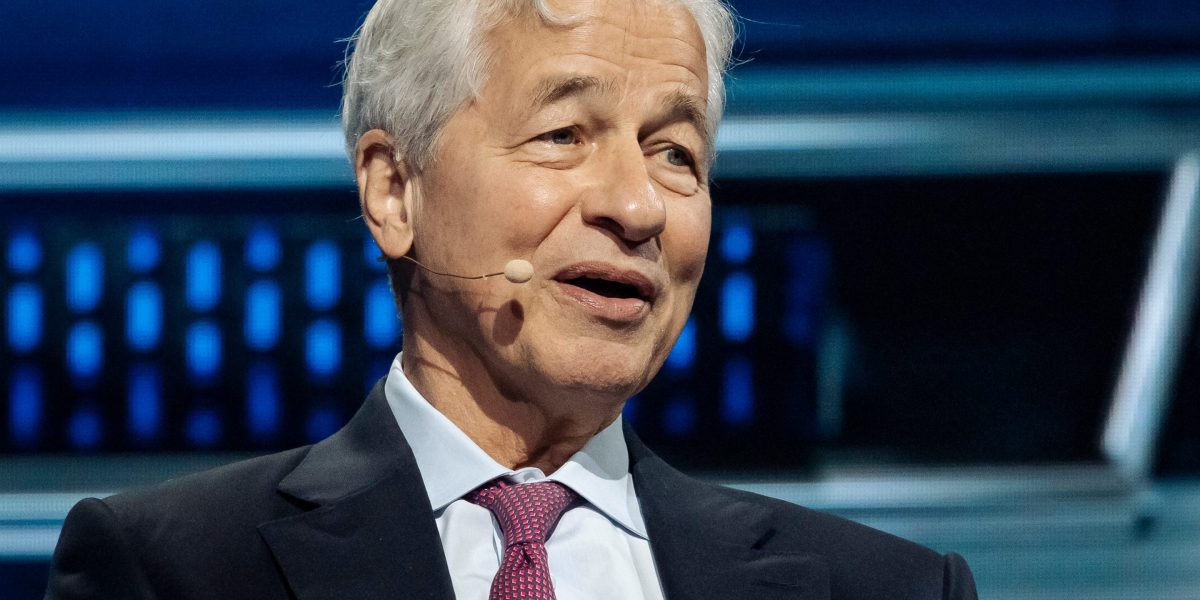
For decades, far before it became popular to do so, the first author has been vocally questioning the credibility of proxy advisory firms. And he’s not alone. As Jamie Dimon incisively warned in his recent shareholder letter, “it is increasingly clear that proxy advisers have undue influence….many companies would argue that their information is frequently not balanced, not representative of the full view, and not accurate.”
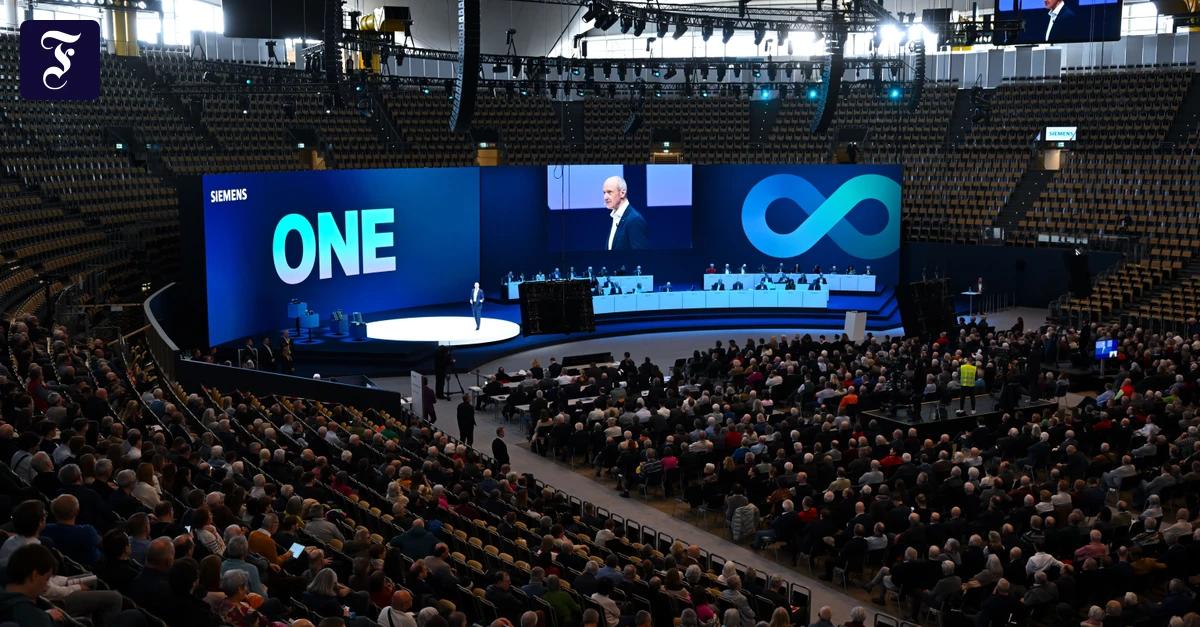
Similarly, Elon Musk blasted ISS and Glass Lewis as “corporate terrorists” after the proxy advisers attempted to usurp voting power rightfully belonging to the shareholders. Regardless of how you feel about the $1 trillion pay package that was up for shareholder approval at that time, it was noteworthy that shareholders overwhelmingly joined Musk in repudiating the proxy advisers, showing how ineffectual and problematic the proxy advisers can be. We would not use the term “terrorist,” nor would we call them “extortionist,” but we would go so far as to say that “some might say it resembles an extortion scheme!”