With its ruinous consequences and difficulty in execution, a full blockade is unlikely. But the risks of miscalculation must not be ignored
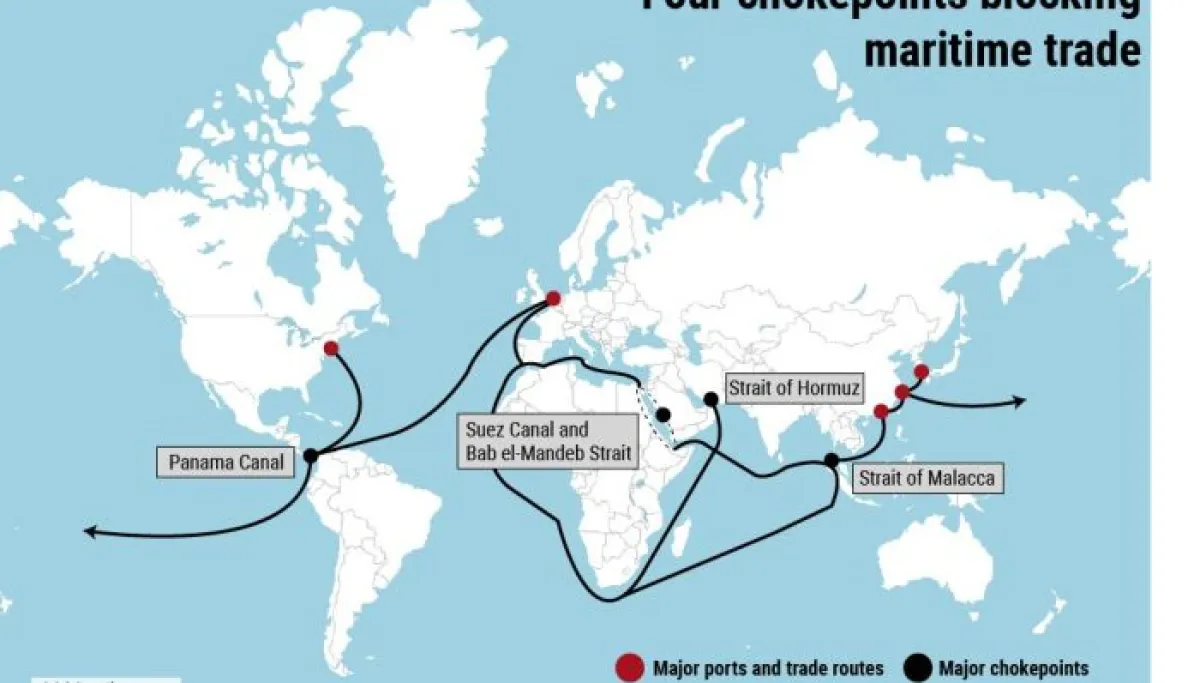
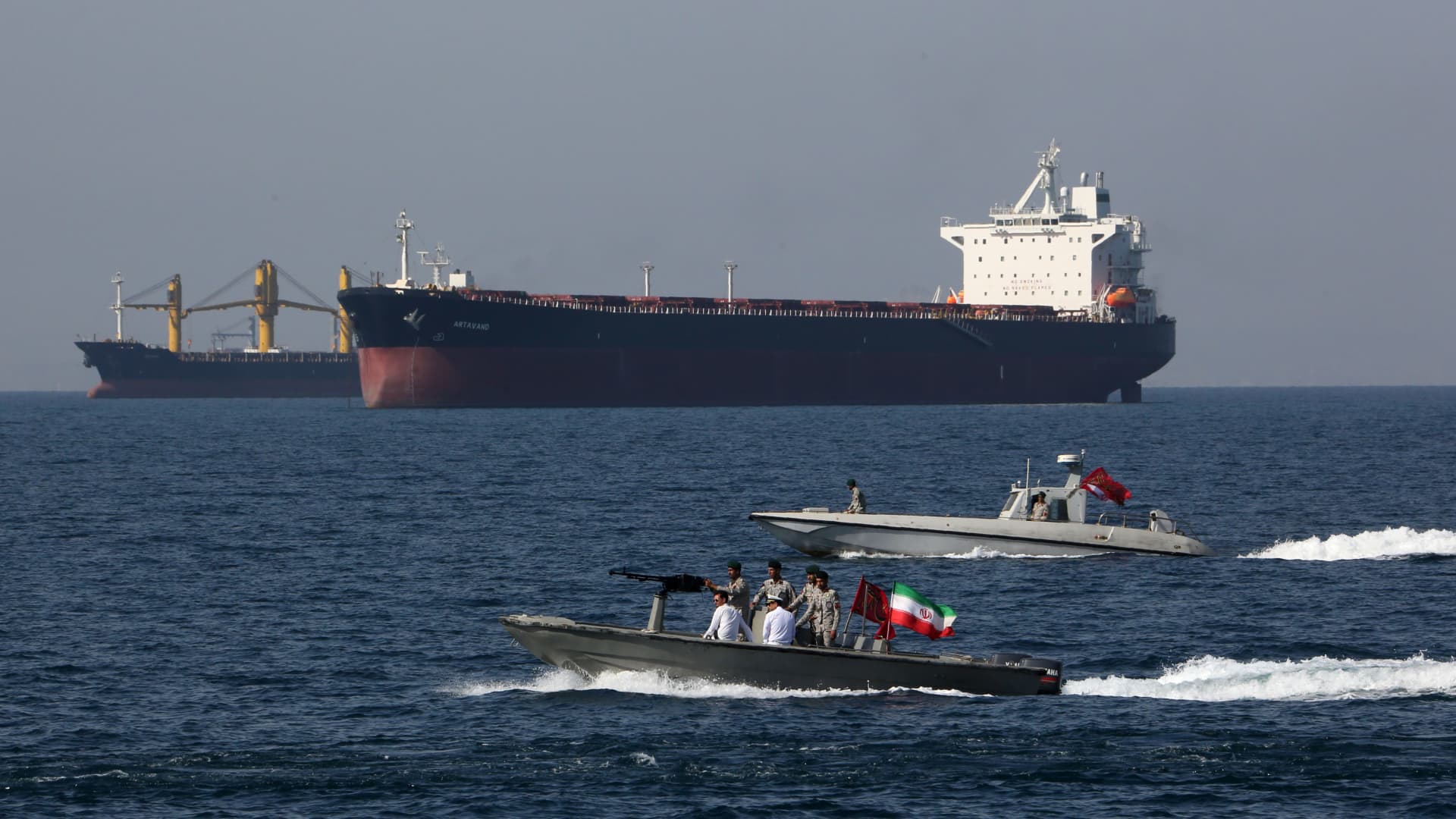
With commercial vessels reportedly beginning to divert, the critical question is not just whether Iran can disrupt traffic, but whether it will implement a complete blockade. A careful examination of the legal framework, strategic considerations and economic realities suggests that, although the risk of miscalculation is high, a sustained closure of the strait remains an unlikely and counterproductive option for Tehran.
From the perspective of international law, Iran’s hands are largely tied. In principle, the Strait of Hormuz should be governed by the UN Convention on the Law of the Sea (Unclos). This convention establishes the right of “transit passage”, which guarantees all ships and aircraft continuous and expeditious passage. Crucially, Unclos states this right “shall not be impeded” or suspended by coastal states.
Your personal data will be processed and information from your device (cookies, unique identifiers, and other device data) may be stored by, accessed by and shared with 88 TCF vendor(s) and 21 ad partner(s), or used specifically by this site or app.