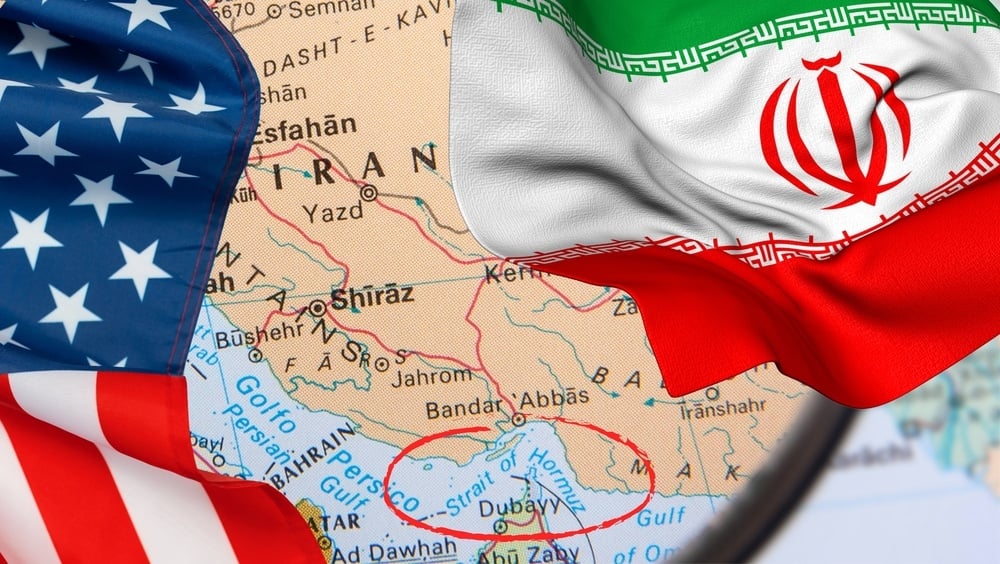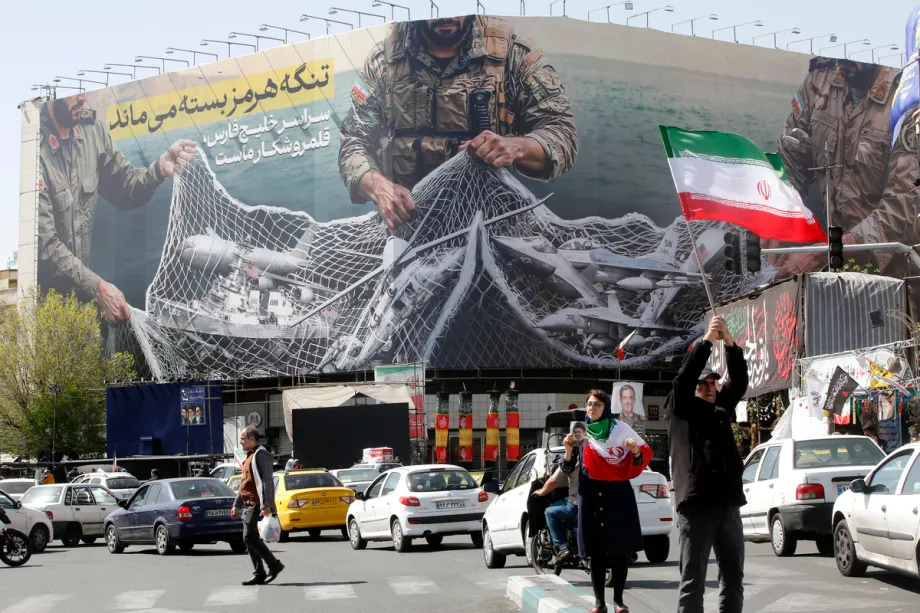
Iran is unlikely to disrupt maritime traffic in the strategic Strait of Hormuz and limit the direct targeting of US interests following Washington’s strikes on its nuclear sites. Instead, regional experts say Tehran is expected to focus on managing rising risks at home while intensifying retaliatory attacks against Israel.
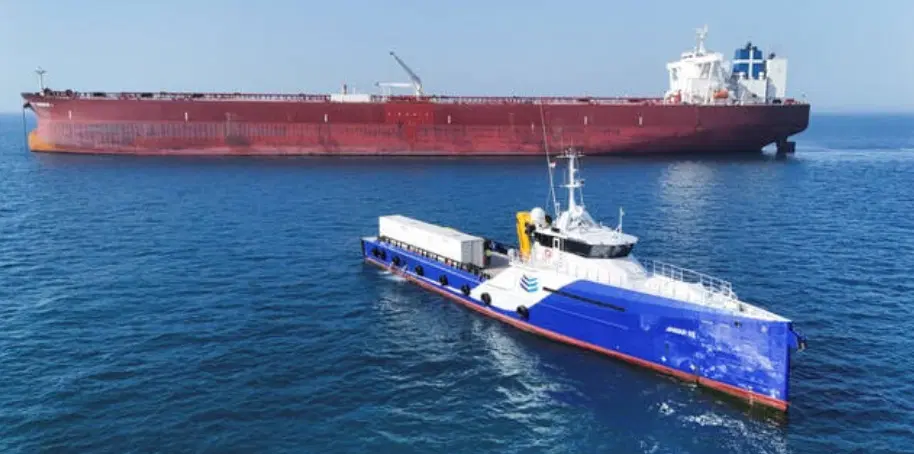
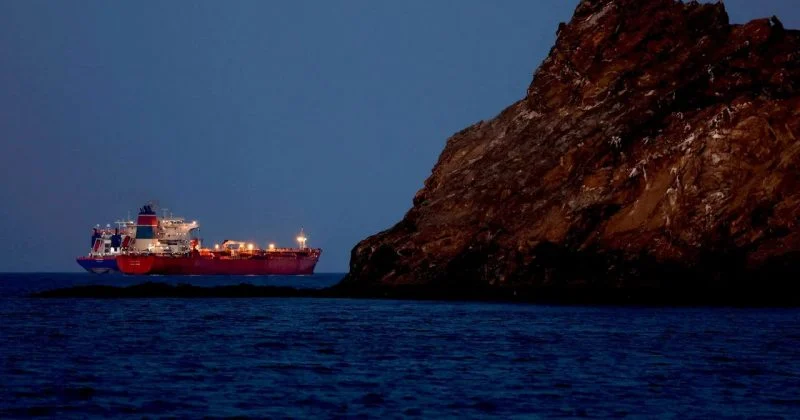
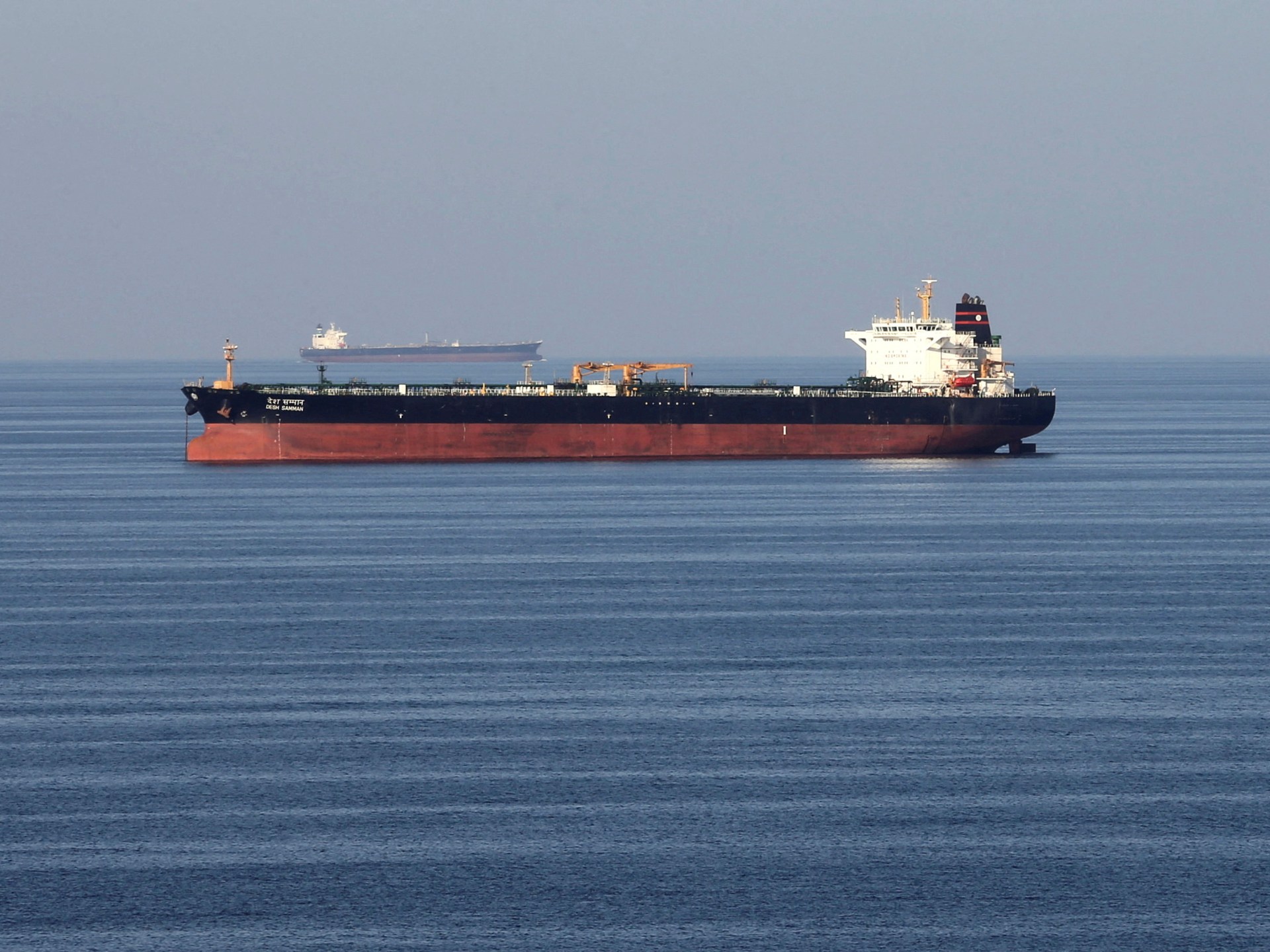
On Monday, maritime intelligence firm Kpler's data showed that two Strait of Hormuz-destined supertankers, each capable of hauling about 2 million barrels of crude, performed a U-turn in the past 24 hours.
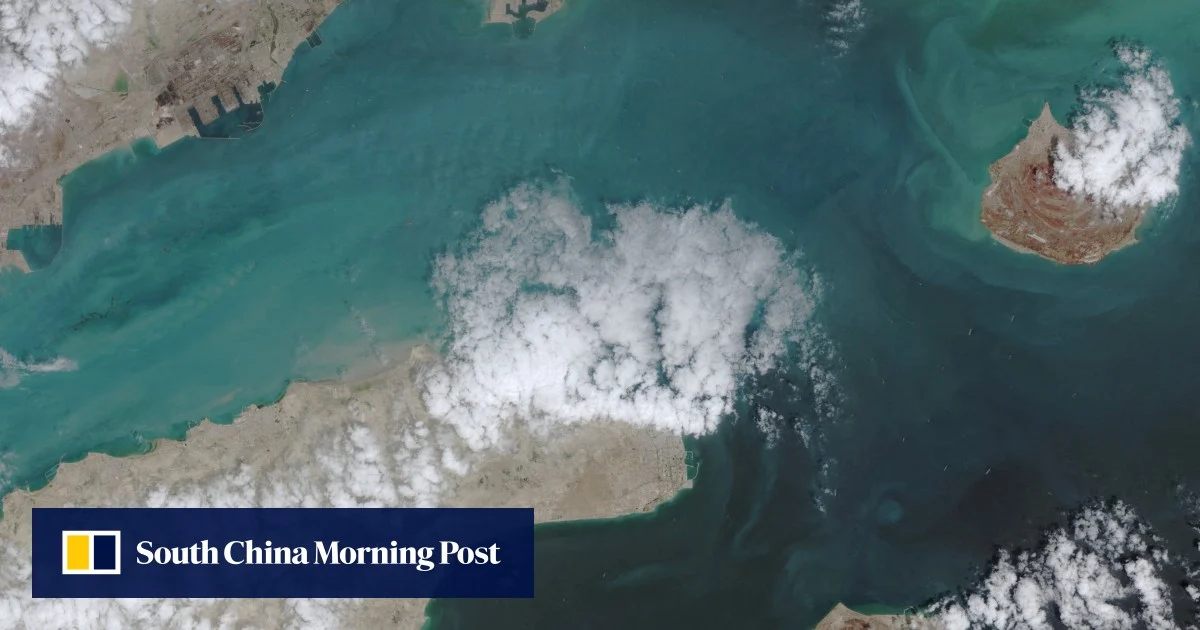
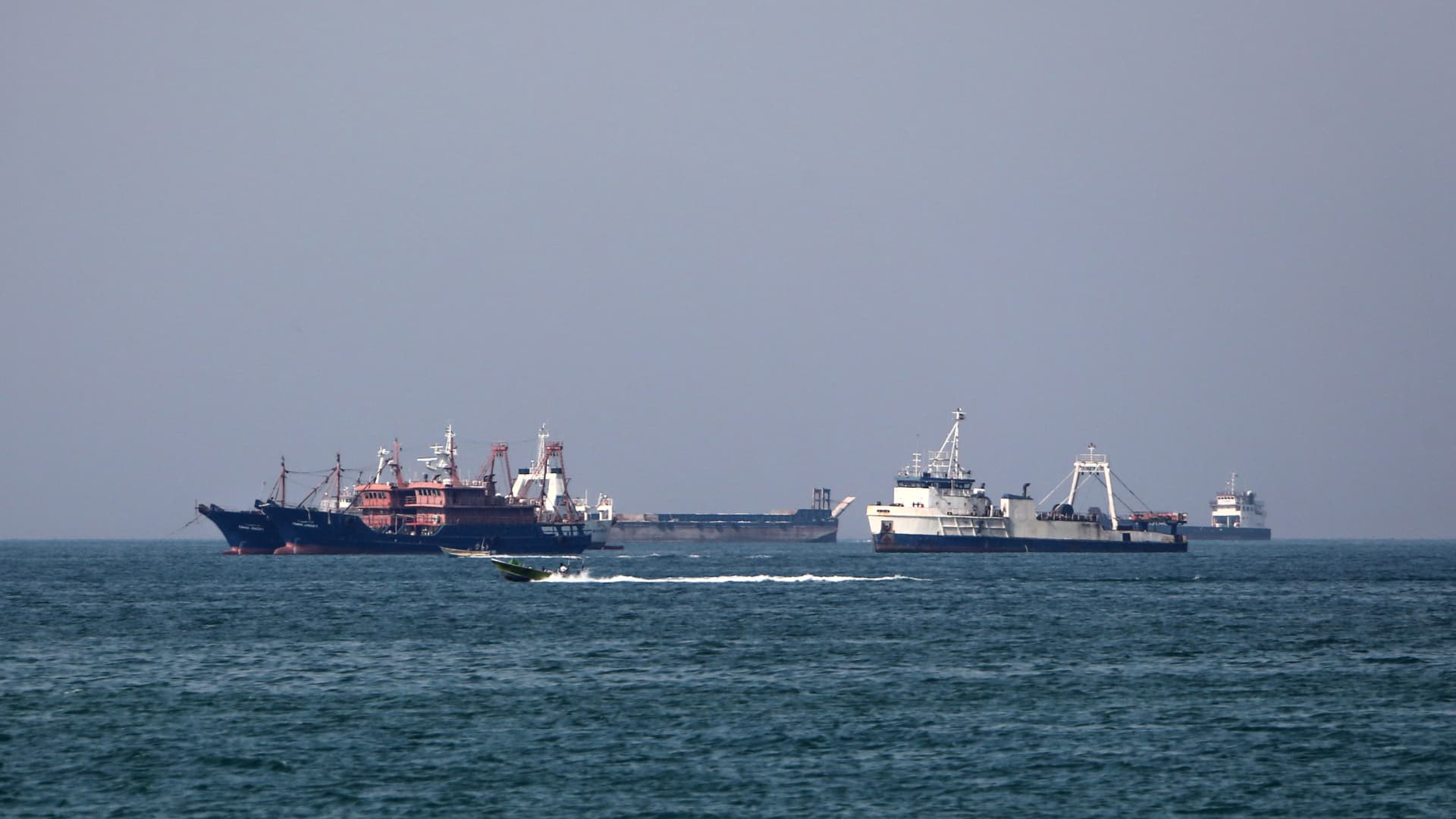
Despite repeated threats by Iran’s powerful Revolutionary Guard to block the Strait of Hormuz — a move that could provoke further military action and alarm allies like China, a major importer of energy from the region — such a closure is widely seen as logistically unfeasible.
It would also damage Iran’s own economy, which relies on oil exports via the Strait of Hormuz, and any attempt to obstruct transit traffic could trigger direct confrontations with the US and possibly neighboring Gulf Arab states.
Iranian Oil