NBA Finals
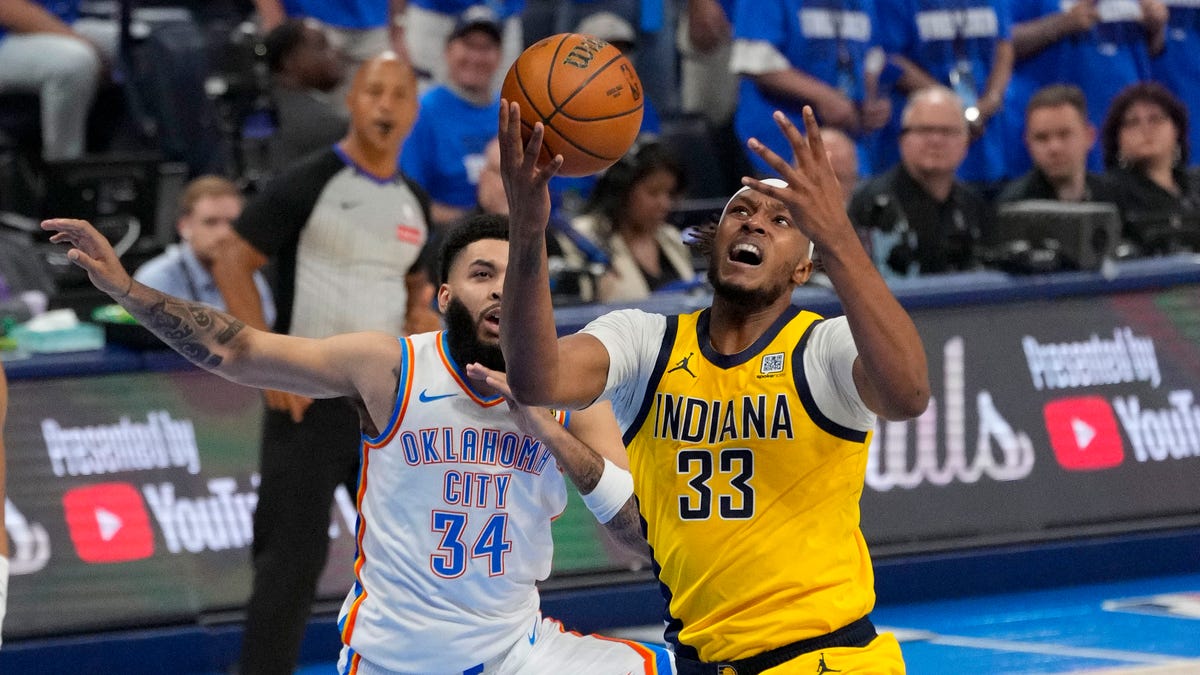
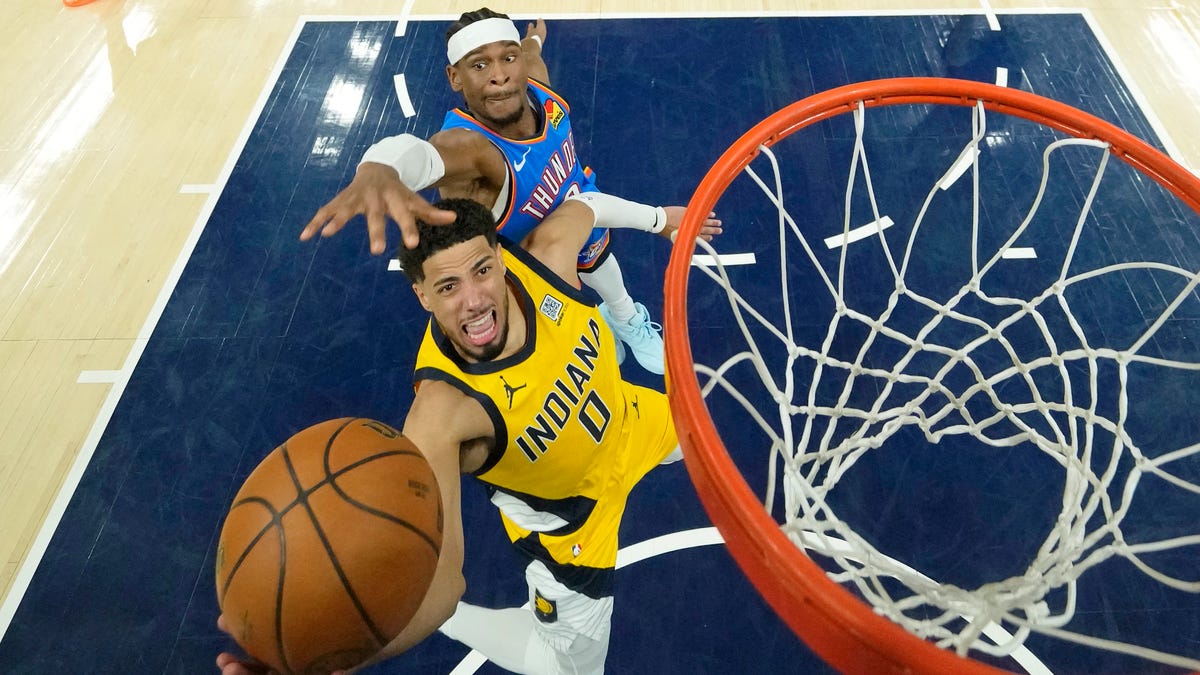
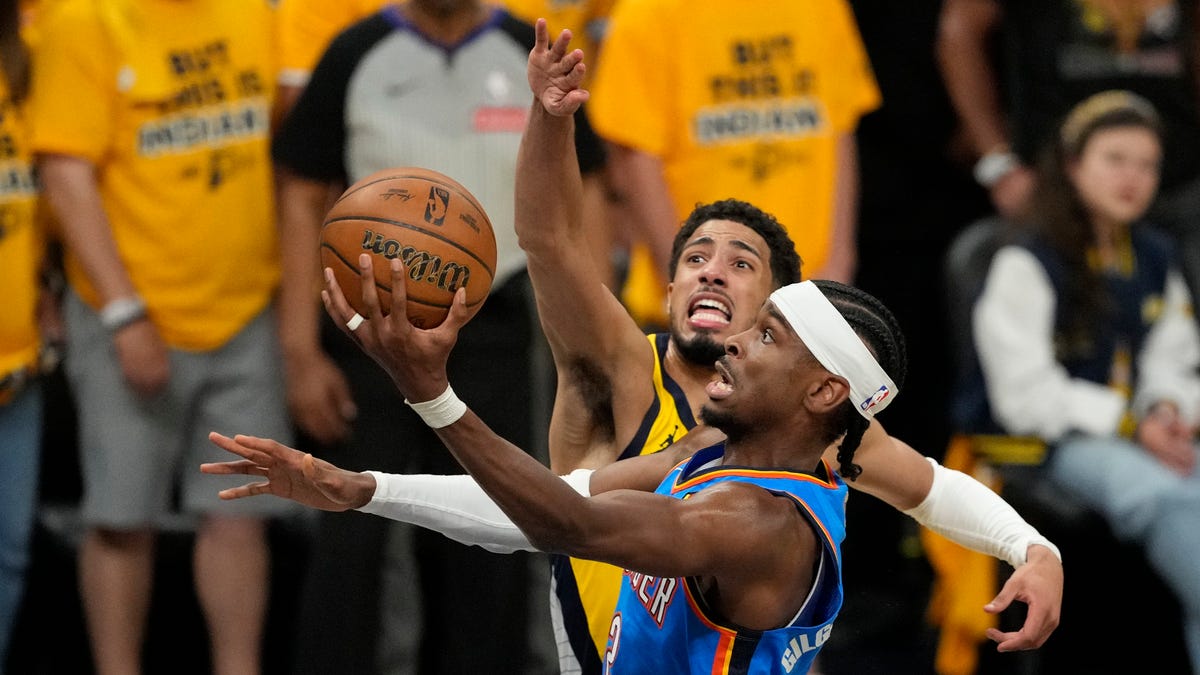
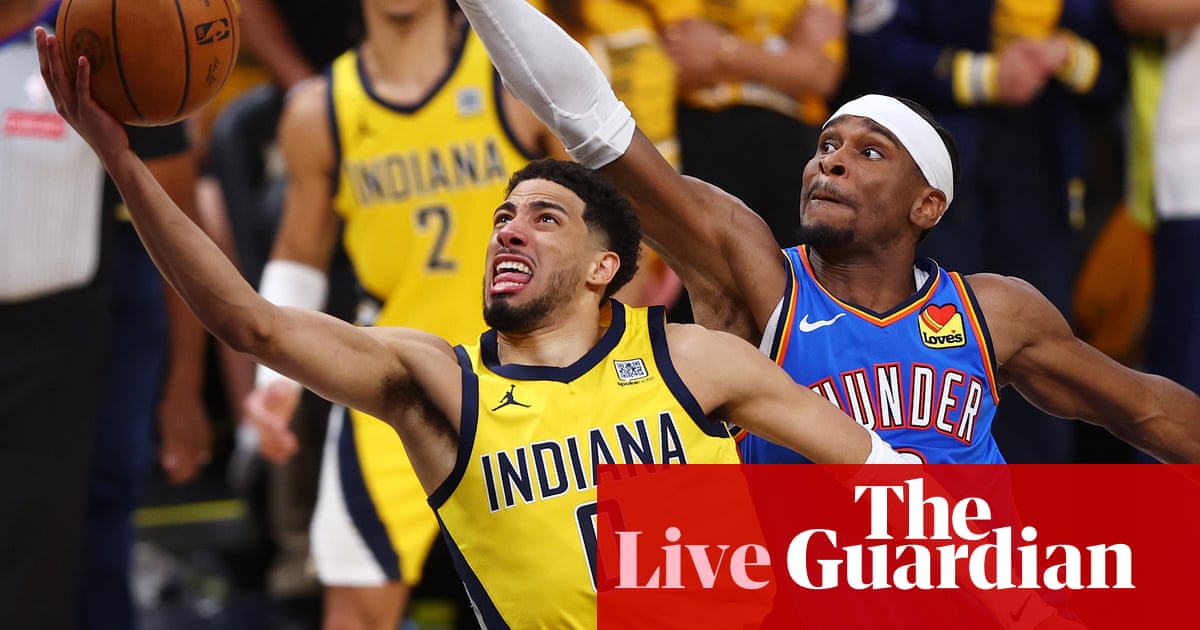
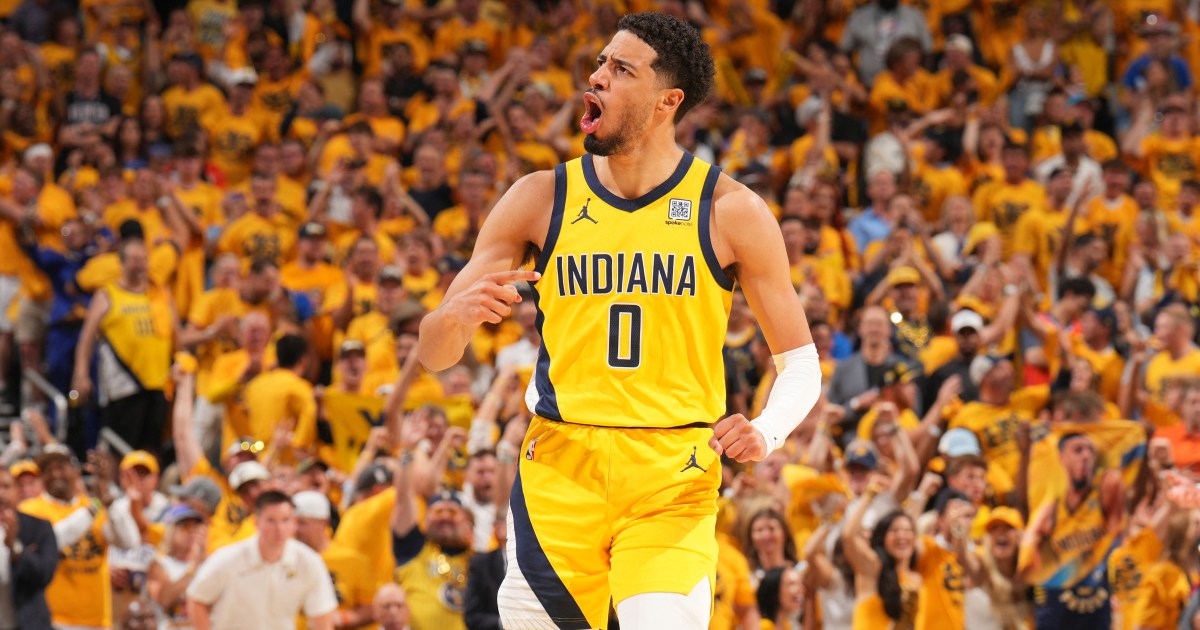
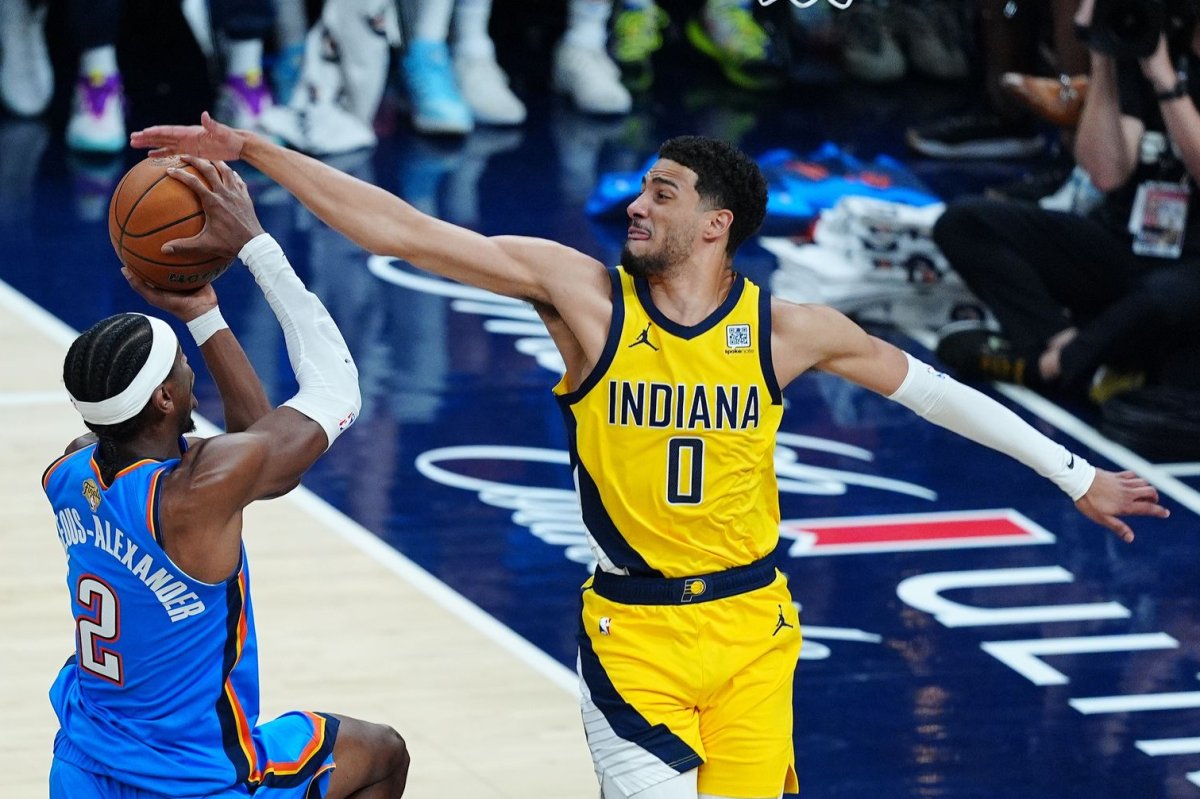
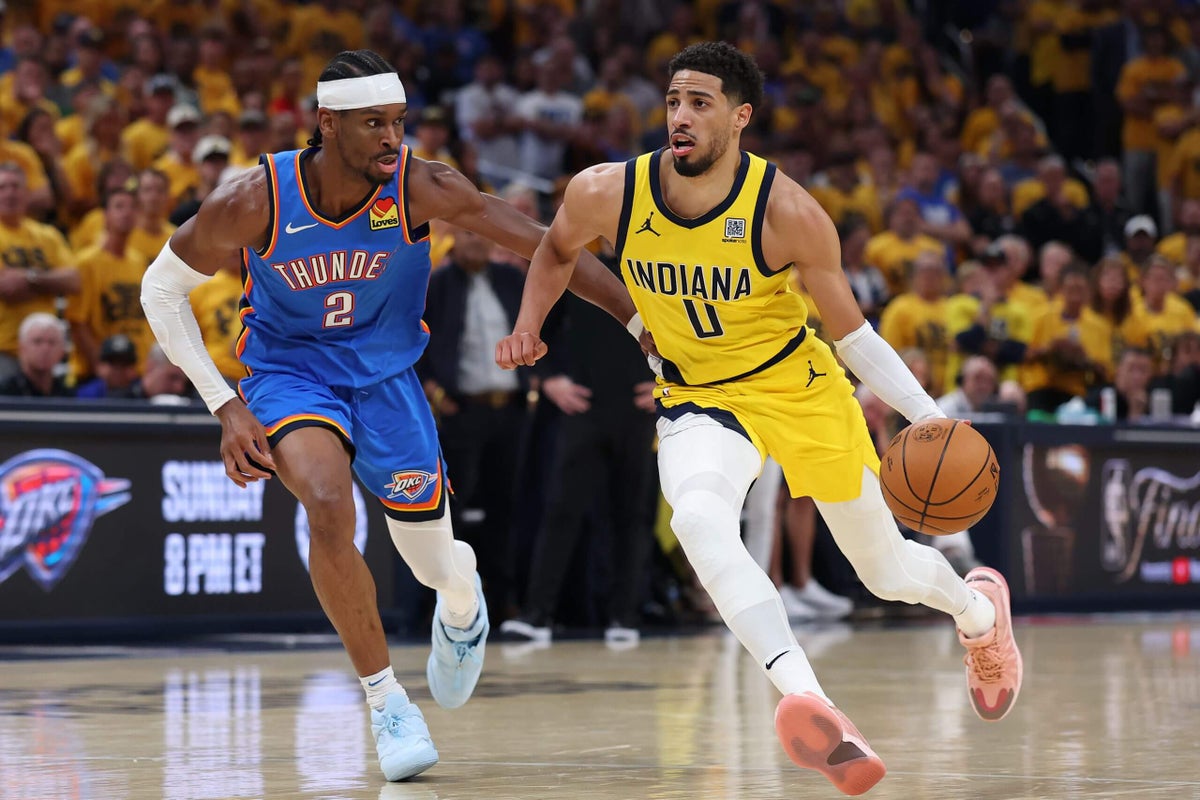
When the Oklahoma City Thunder and Indiana Pacers tip off in a winner-take-all game Sunday for the NBA title, it will not just be a coda to one of the most thrilling NBA seasons in recent memory. Game 7 will also be a capstone to a years-long drive by the league to make this kind of scenario possible.
This is the game that the NBA has long wanted.
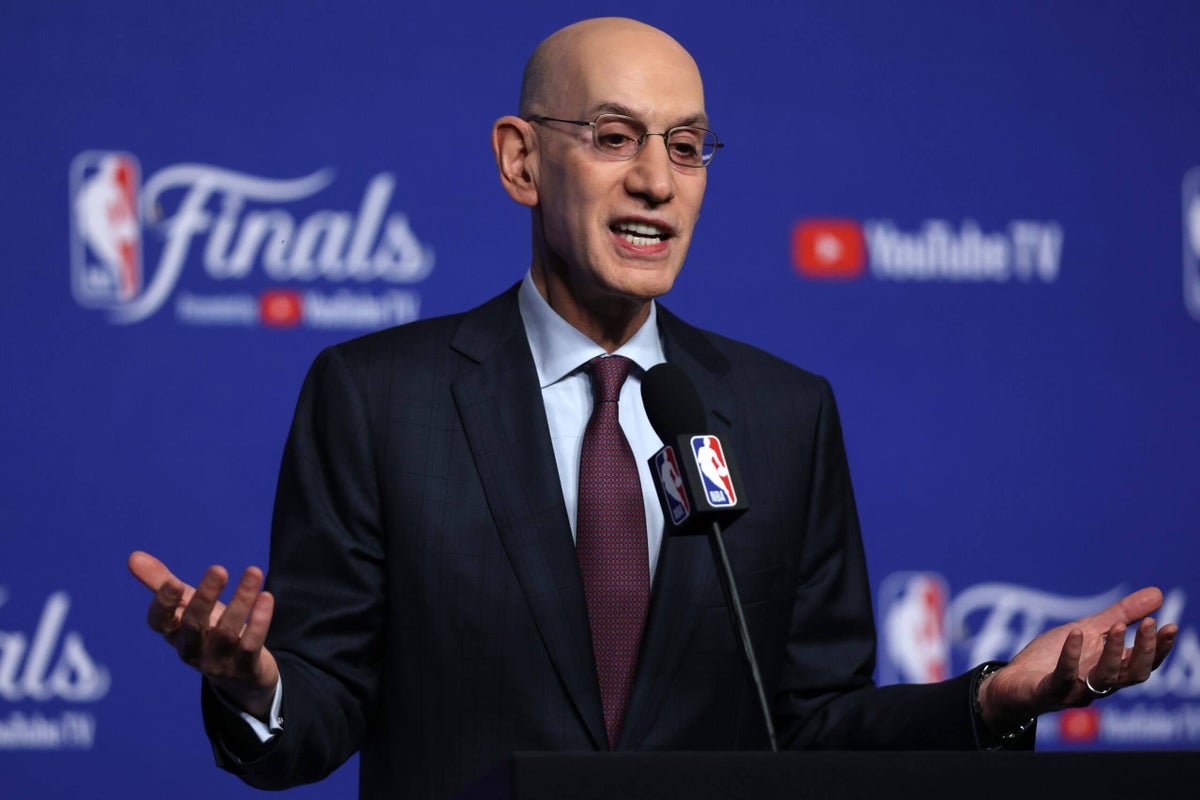
The NBA and commissioner Adam Silver have spent the last decade trying to make things more competitive and more egalitarian. To make market size less determinative and chaos more predictable. The league has centralized its media strategy and nationalized its opportunity, where any team with enough luck, pluck and competence has a chance to make a title run. It is the NFL-ification of the NBA, for better or for worse.
The NBA came to prominence as a mostly bi-coastal and big-city league. This year, it has the smallest market finals ever, a testament to the effects of successive collective bargaining agreements and what the league wants to entrench, Mark Walter’s billions notwithstanding. The 2023 CBA installed a second-apron payroll threshold, which is considered a hard cap by many around the league. It imposed punitive monetary penalties for luxury-tax repeaters. It pushed to squeeze teams into the financial middle.