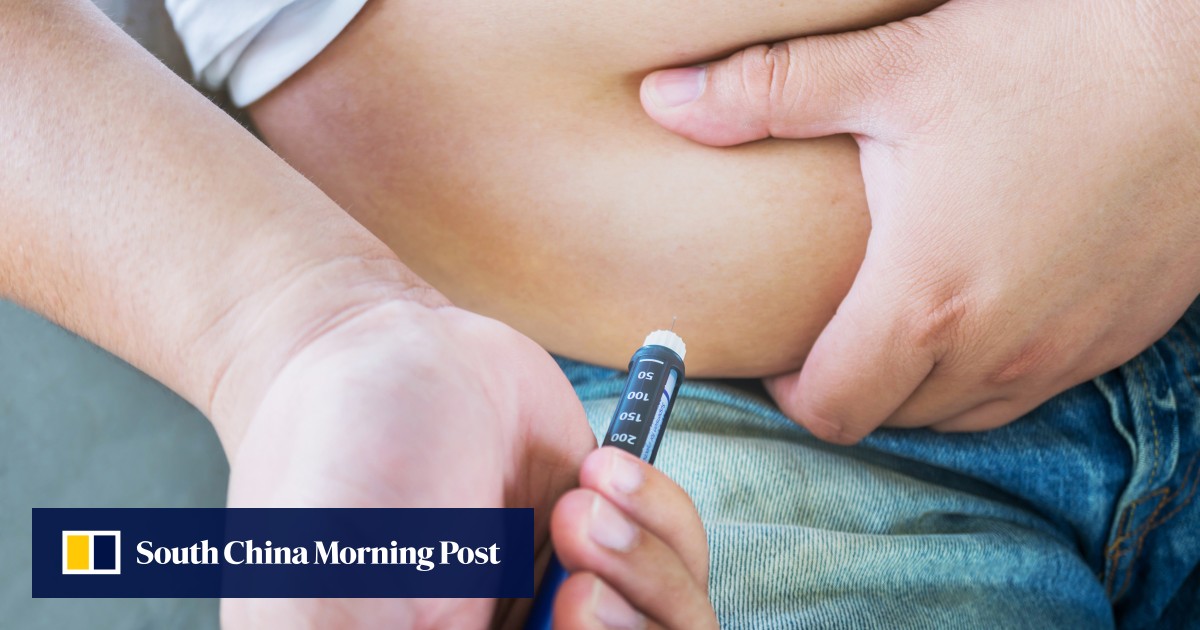
Researchers say nanoparticles could help engineer the spleen – a more promising long-term survival site than the liver – into a transplant hub
Research published last month by scientists at Nanjing University and other institutes found that “shielding” islet cells could improve their survival after being transplanted into the spleen to treat type 1 diabetes.
They also found that the spleen – a more promising long-term survival site than the conventionally used liver – could be engineered into a transplant hub with the help of nanoparticles.
Can China claim the leadership mantle after the US quits the WHO and Paris Agreement?
“If the safety and effectiveness of the spleen as a host organ for islet transplantation are fully demonstrated through systematic clinical studies in the future, the spleen can be used as an ideal organ for islet transplantation,” said Dong Lei, professor and vice-dean of the Nanjing University school of life sciences, who contributed to both studies.