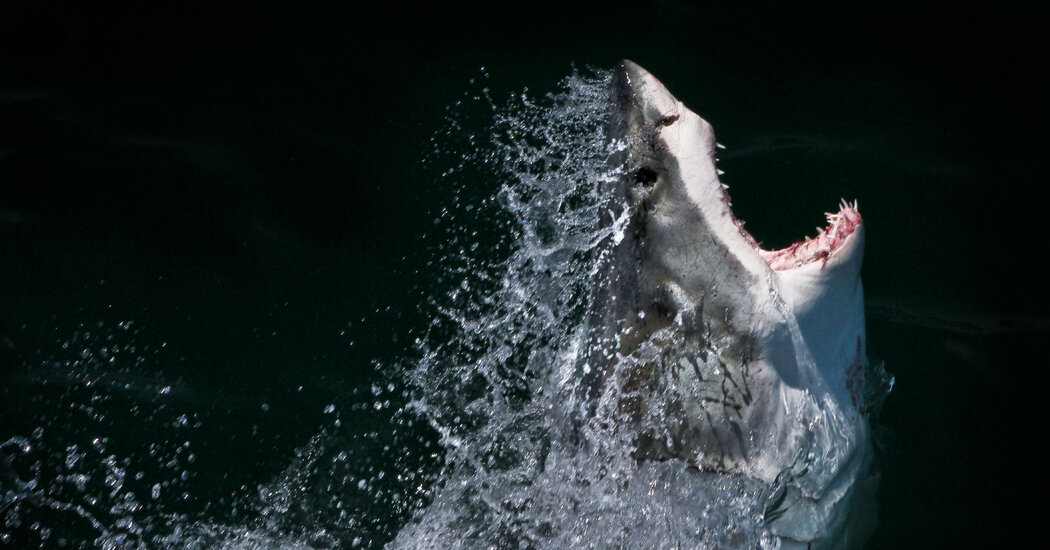
When my late husband, Peter Benchley, and I celebrated our 40th anniversary, I had one wish: to go cage diving with great white sharks. After decades of ocean expeditions together, I’d often been the last one in the water − if I made it in at all. This time, I wanted to come face-to-face with the animals we now know are critical to ocean health.
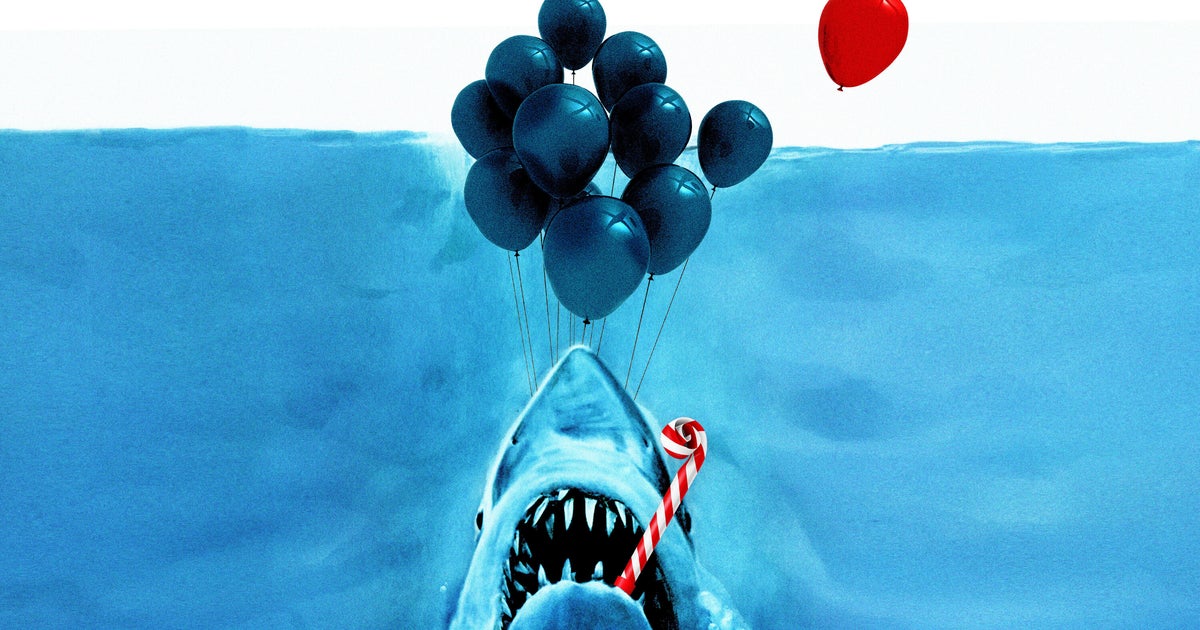
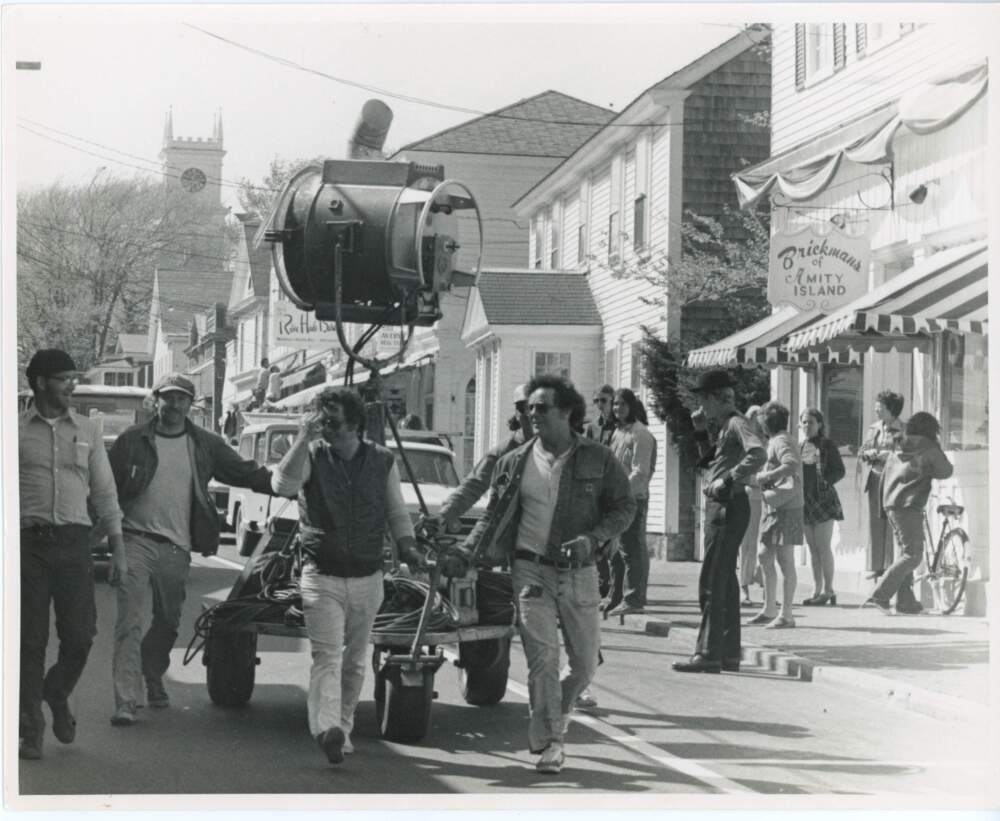
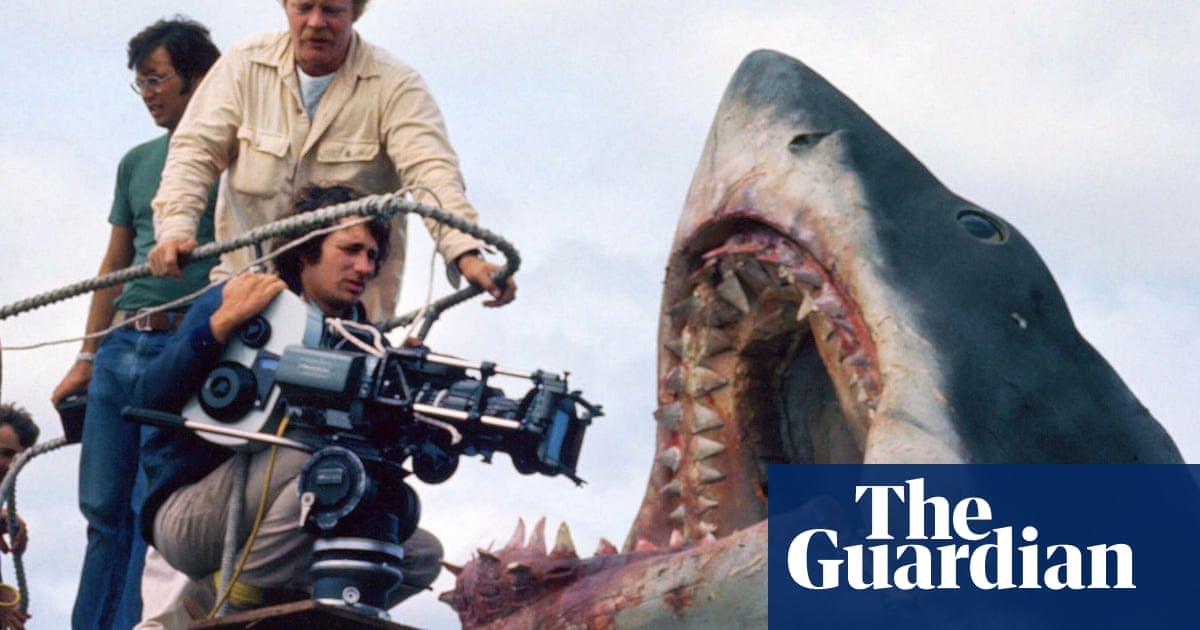
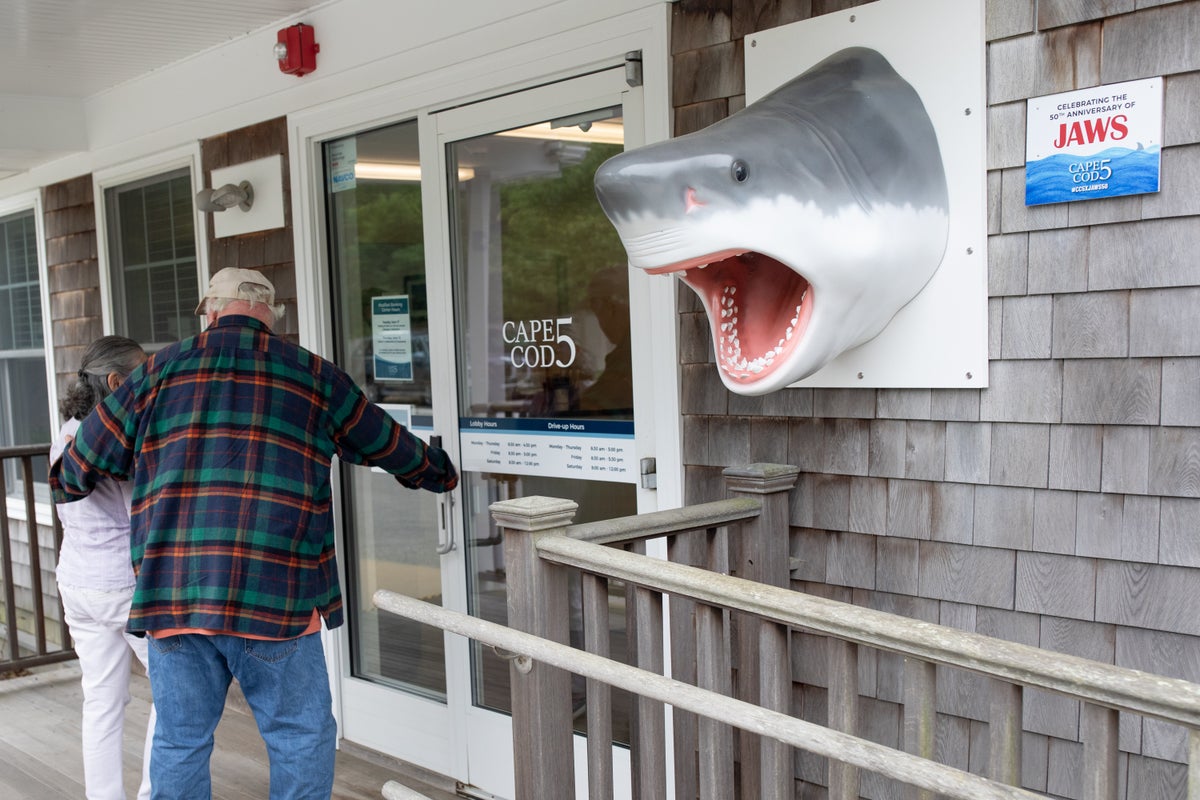
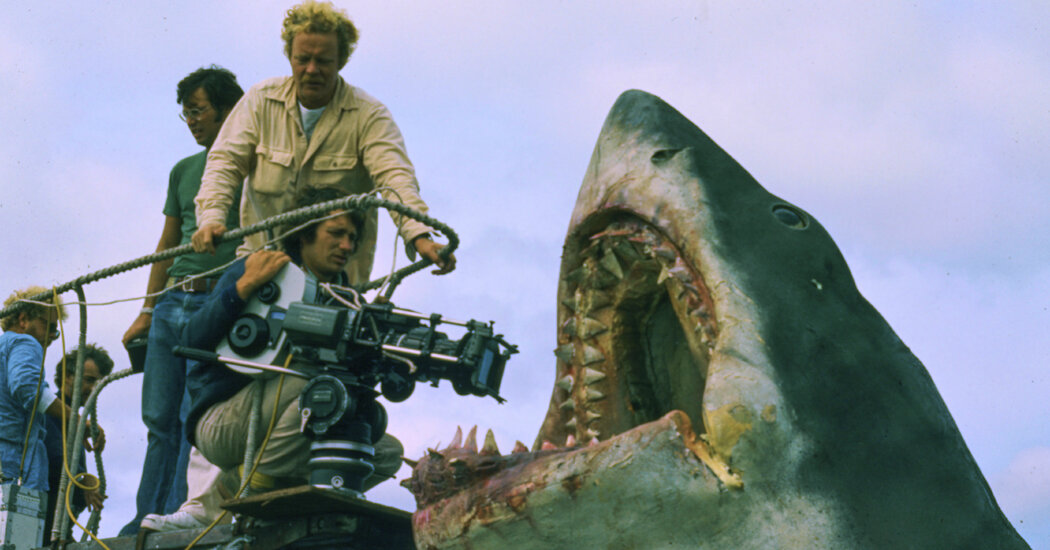
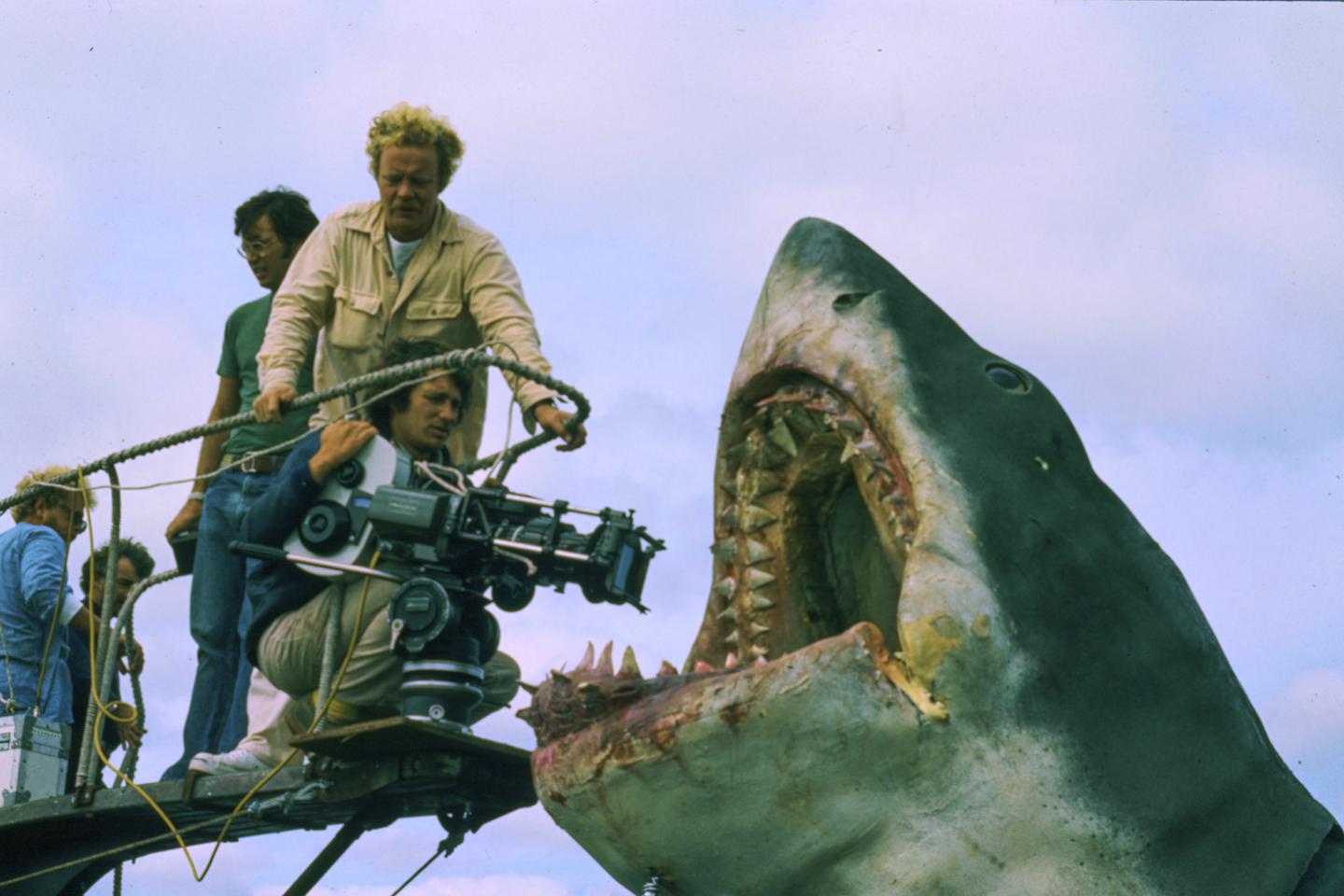
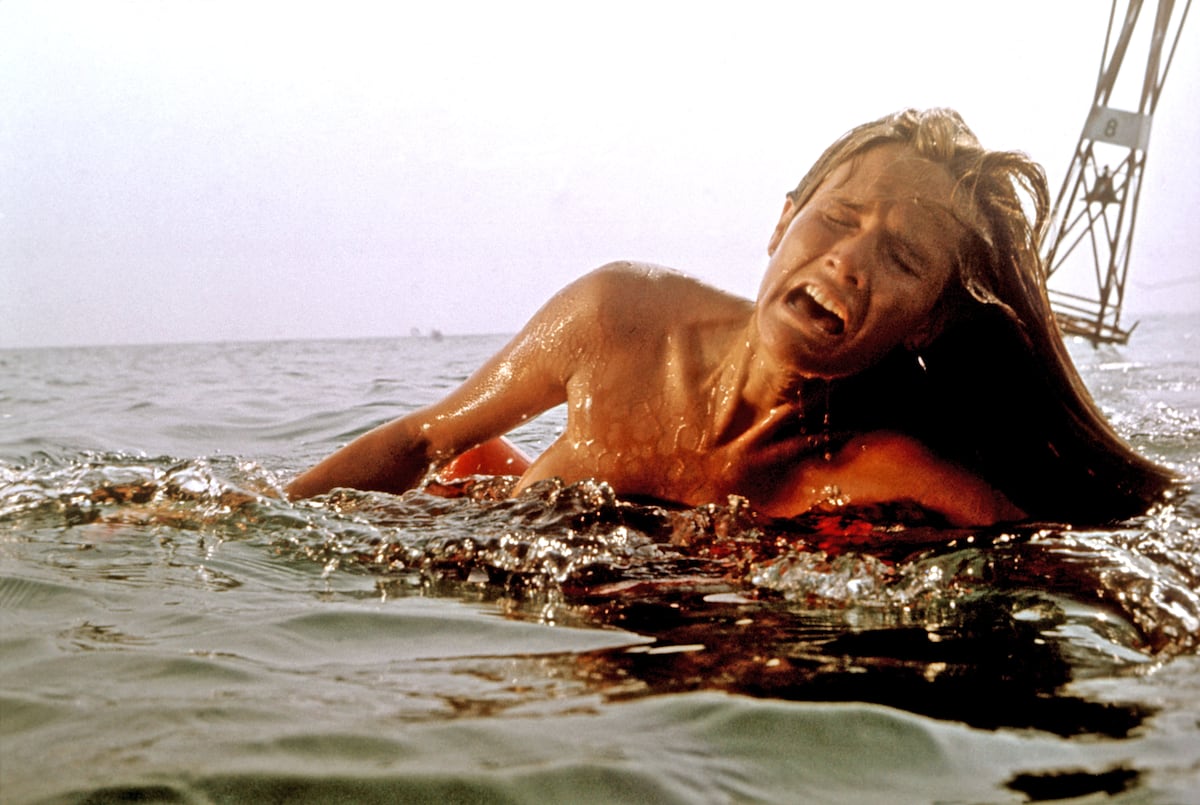
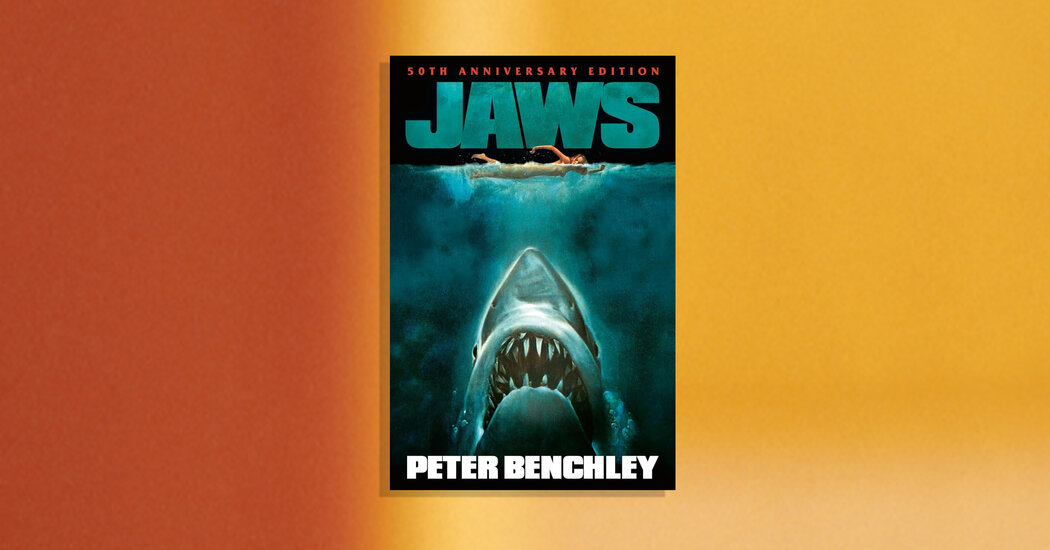
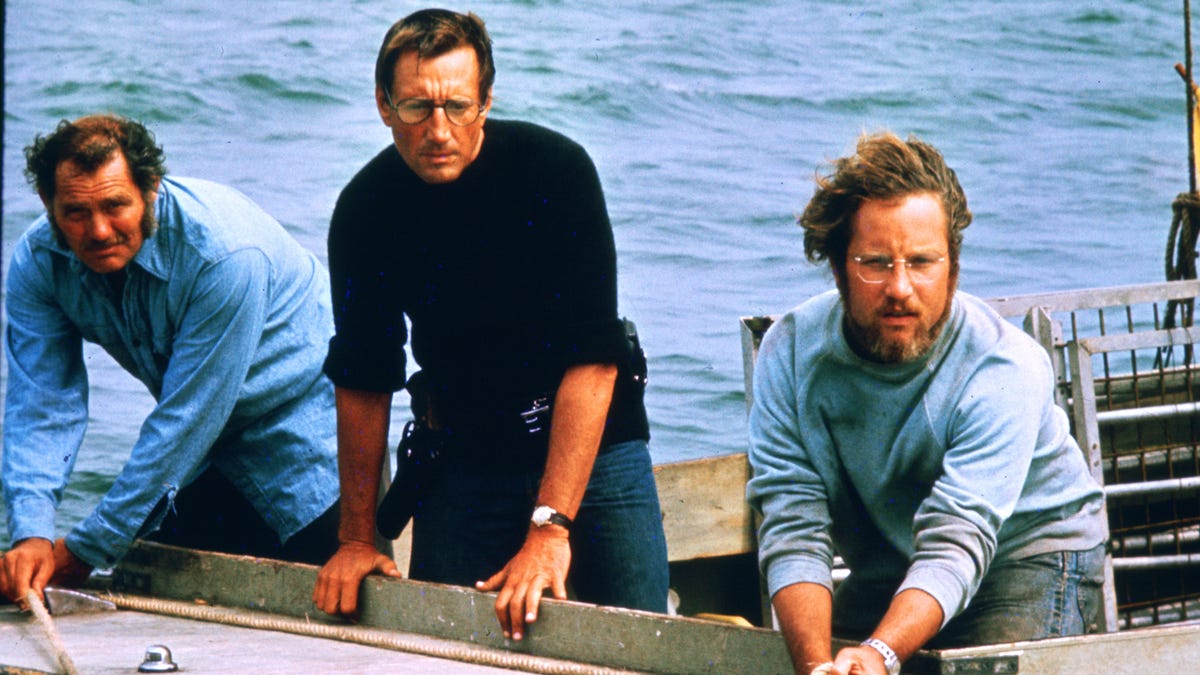
June 20 marks the 50th anniversary of when "Jaws" − the blockbuster film based on Peter’s bestselling novel − first hit the big screen. What began as a fictional thriller about a coastal town became a cultural phenomenon. It thrilled audiences. It scared them, too.
But it also sparked something else: fascination and wonder.
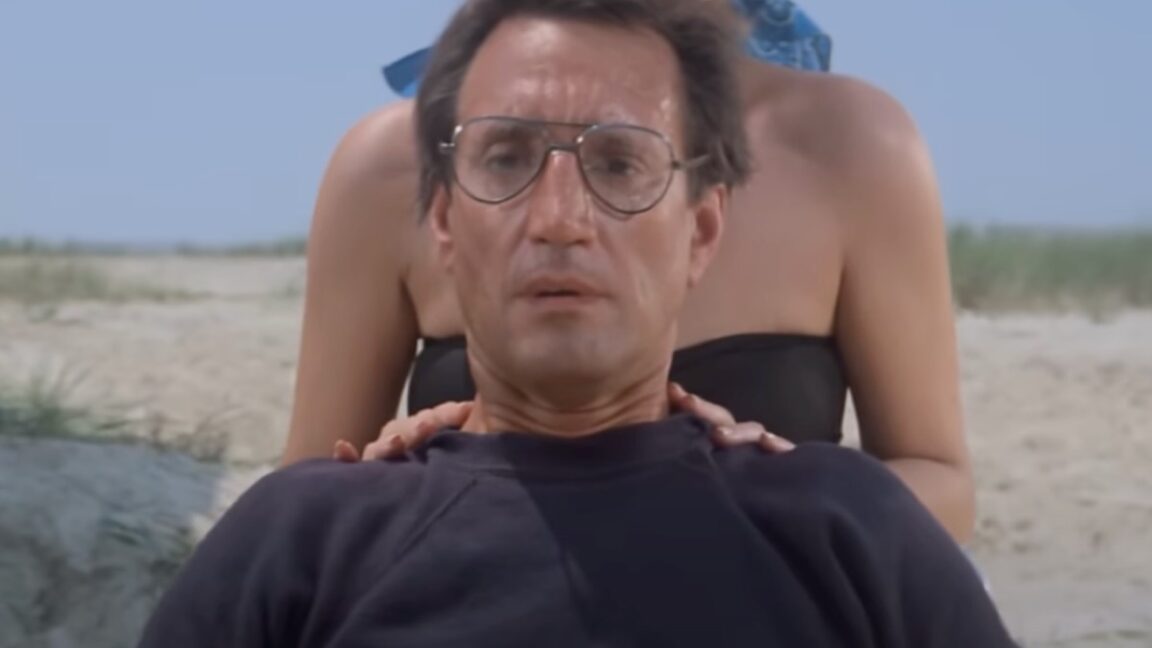
In the years after "Jaws," Peter received thousands of letters from people all over the world. Students, teachers, divers and future marine biologists − they were all curious about sharks and the ocean. Many wanted to be like Matt Hooper, the young ichthyologist played by Richard Dreyfuss in the movie.
This curiosity opened the door for shark and ocean conservation research, which has transformed our understanding of the ocean. We joined scientists on ocean expeditions and saw the damage firsthand: shark finning, plastic pollution, dying reefs.