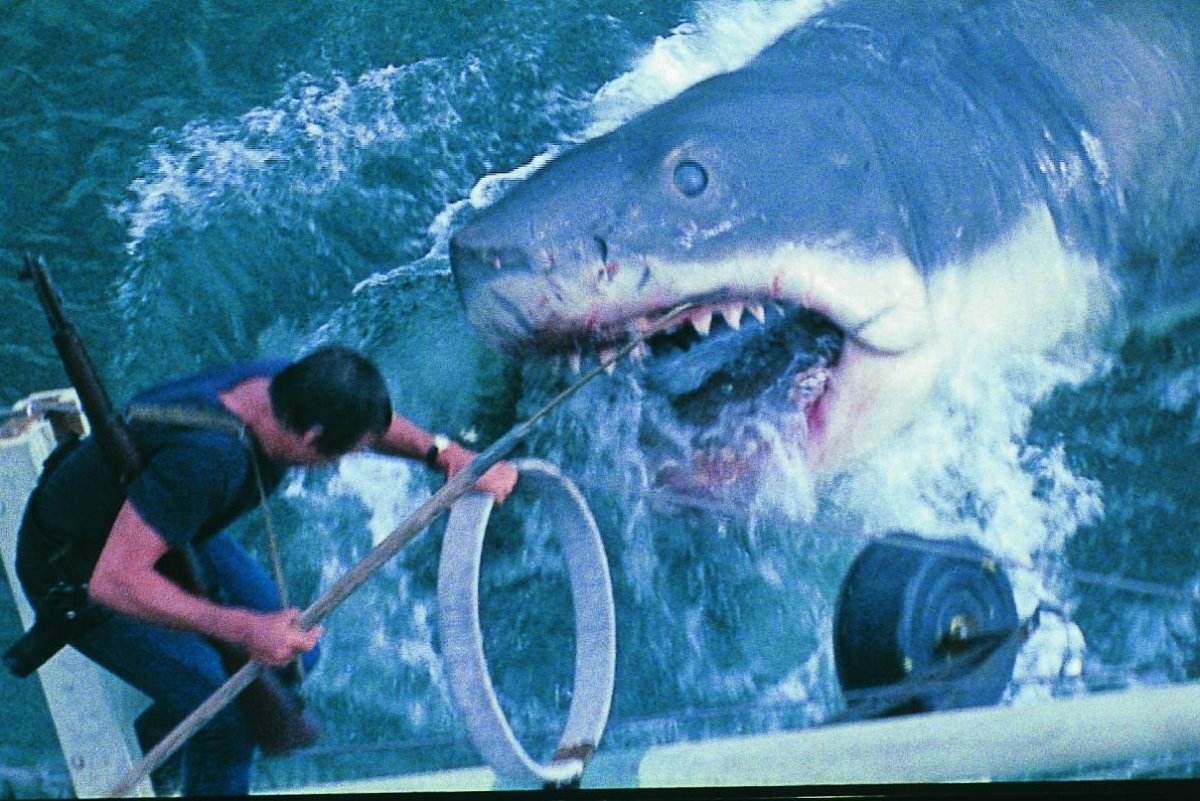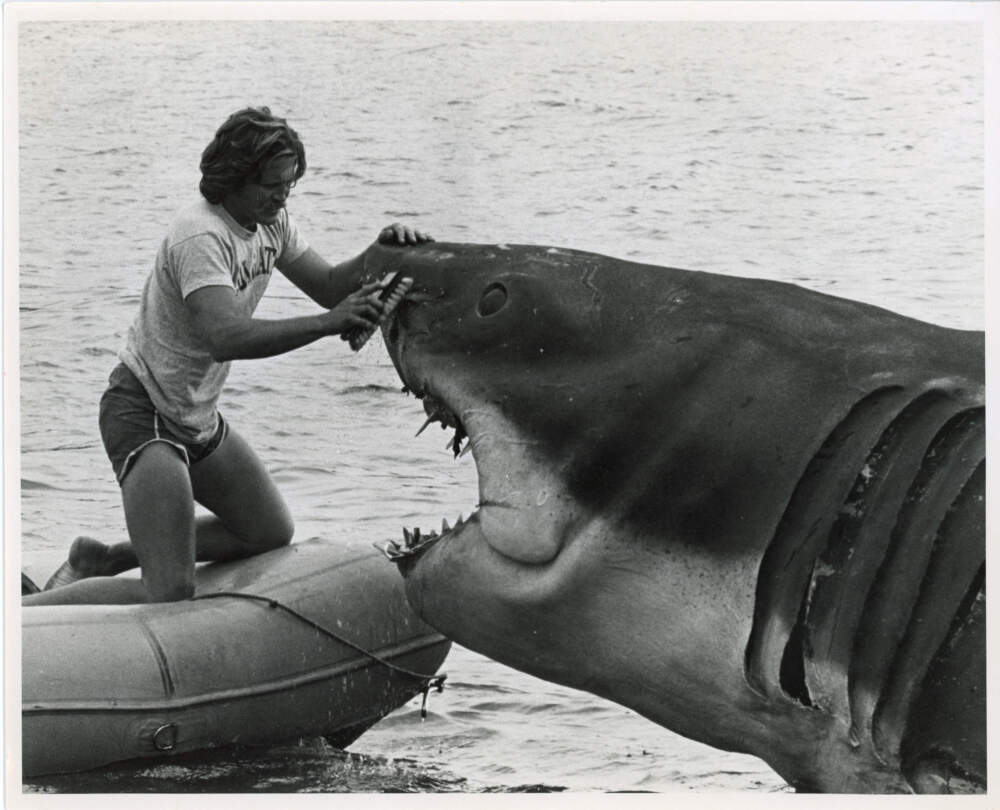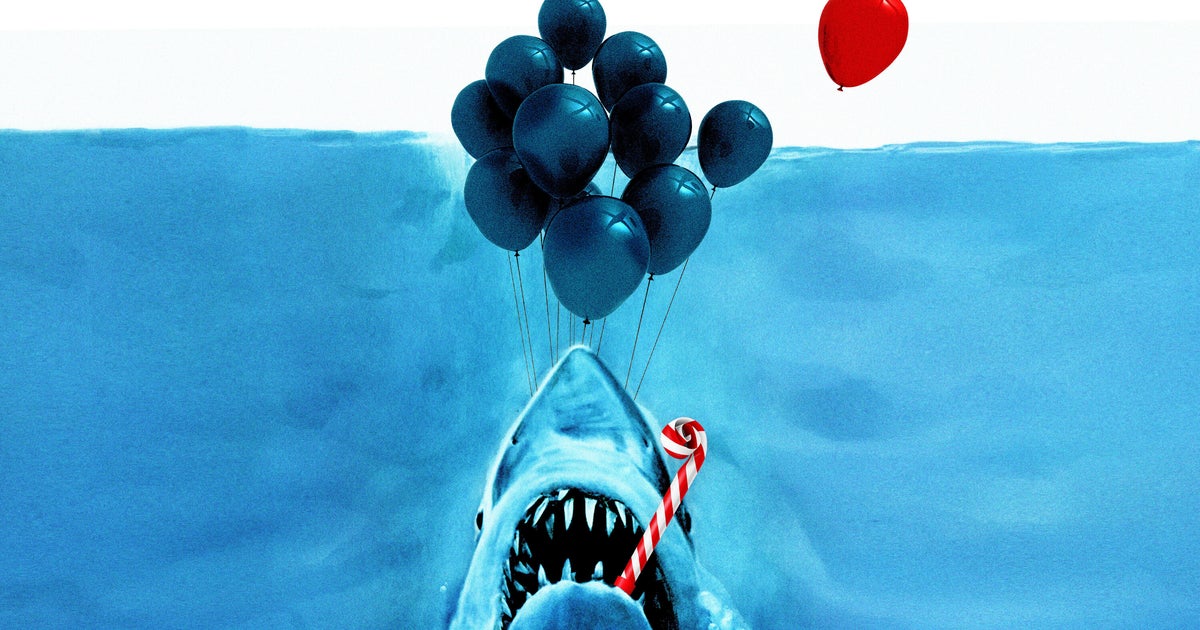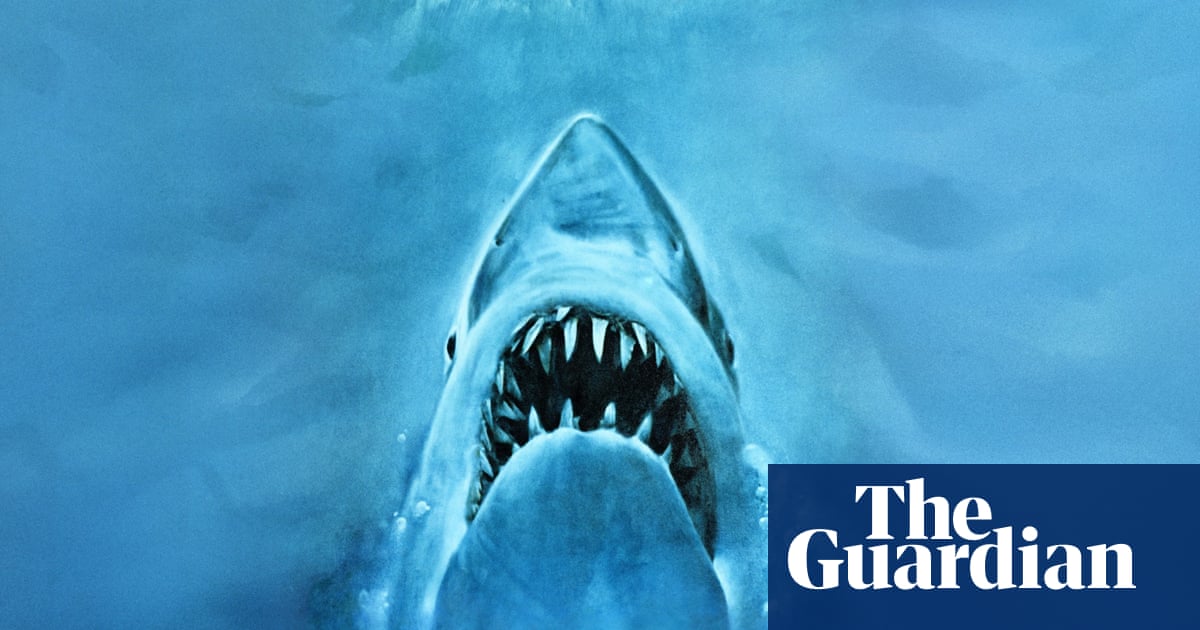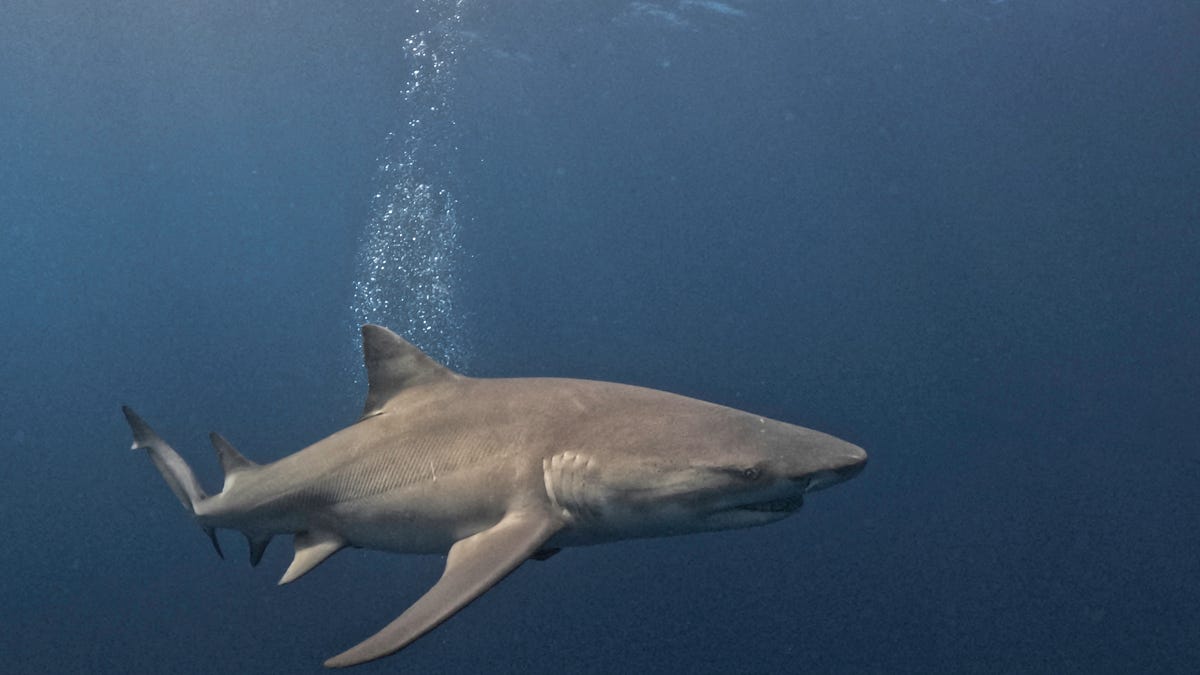
To close out a summer of celebration around the 50th anniversary of the iconic "Jaws," the movie returns to theaters on Labor Day weekend. Its tale of how a great white shark terrorized a beach community led box offices for weeks in the summer of 1975.
The first-ever summer blockbuster, it became a cultural phenomenon. It's also widely credited with inspiring generations of shark scientists who revolutionized what we know about sharks, and they continue to uncover new information about these once mysterious and misunderstood creatures.
"It’s rare that you meet somebody that got involved in shark biology who was not inspired by the movie. It doesn’t matter what age or generation,” said John Mandelman, chief scientist and vice president of the New England Aquarium’s Anderson Cabot Center for Ocean Life.
Even though sometimes maligned for heightening fears about one of the ocean's mightiest predators, "the 'Jaws' phenomenon has been far more positive for the outlook on sharks in the grand scheme,” Mandelman said. “It did elevate their plight and inspire many people, myself included, to get into this field."
While sharks often surface in summer conversations given the hordes who visit the beach and the Discovery Channel's annual Shark Week, they're not just a seasonal phenomenon for shark biologists. They fuel a year-round passion among researchers who are sometimes mystified others don't feel the same way.