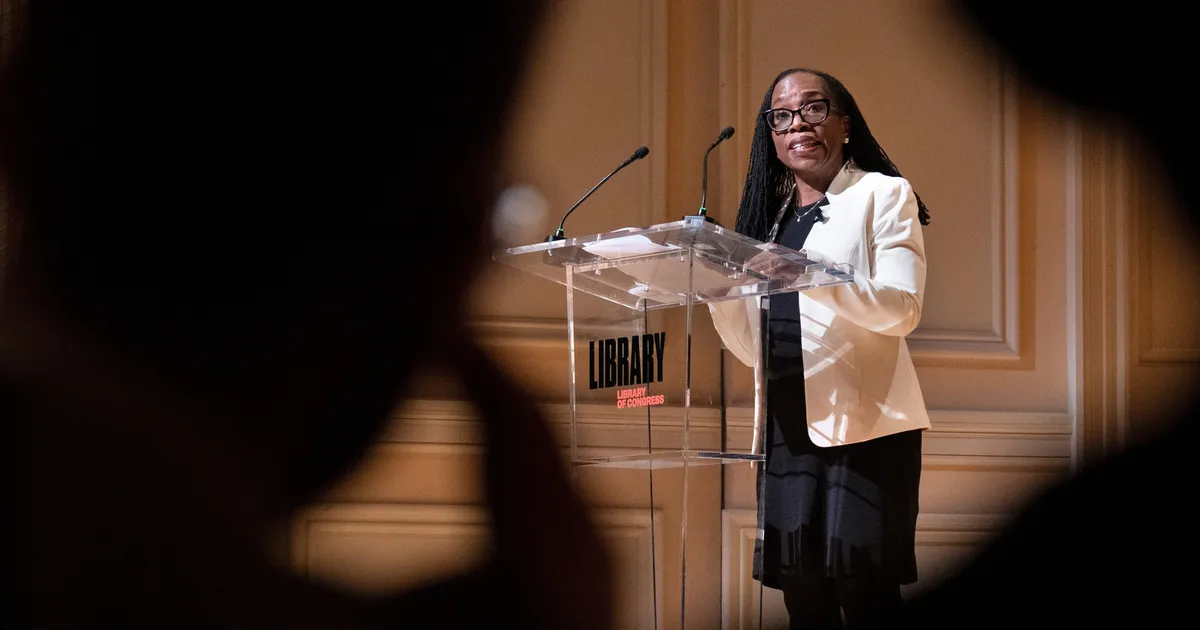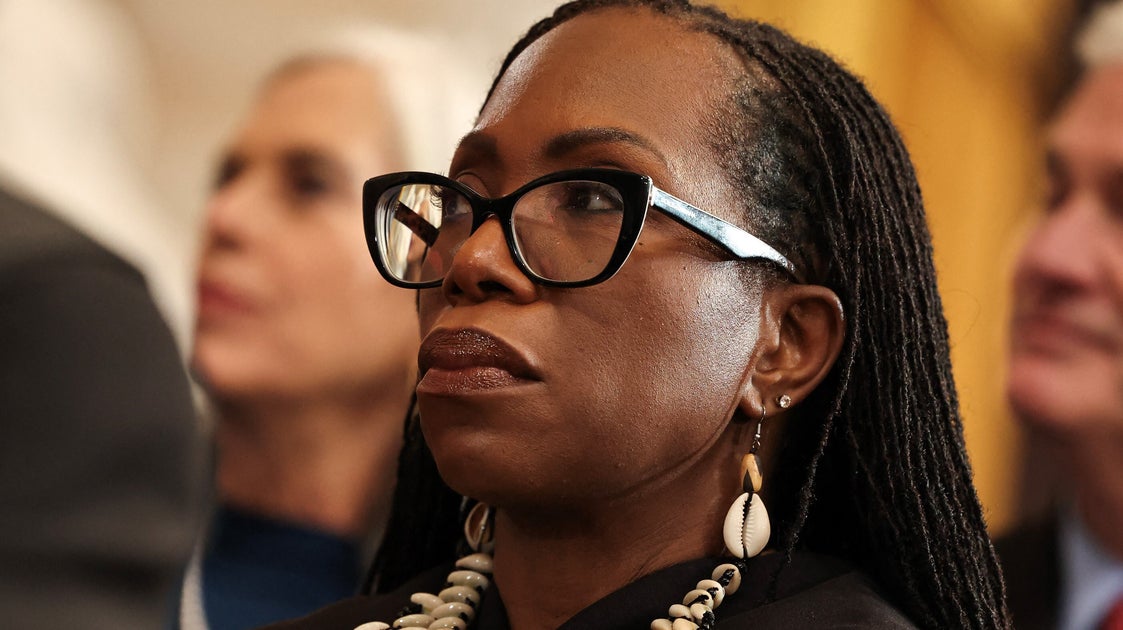
In a searing dissent Friday, Supreme Court Justice Ketanji Brown Jackson took the high court to task for giving the impression it favors “moneyed interests” in how it chooses which cases to take on.The case in question, Diamond Alternative Energy LLC v EPA, was brought by a handful of fuel industry groups that sued after a lower court found they lacked standing to challenge a 2022 EPA rule allowing California to set its own emissions standards.The Trump administration is poised to reverse the EPA rules in question, noted Jackson, which ultimately renders the case moot and “hardly cries out for our involvement.” That reversal means the case shouldn’t have been heard at all, she argued, or it should’ve been sent back to a lower court.But that’s not what happened. Instead, the conservative-leaning court ruled in favor of the fuel producers, 7-2, in a decision that also perplexed fellow dissenter Justice Sonia Sotomayor.The court failed to adequately explain why it took on a case that will “no doubt aid future attempts by the fuel industry to attack the Clean Air Act,” Jackson said.“For some, this silence will only harden their sense that the Court softens its certiorari standards when evaluating petitions from moneyed interests,” she warned, “looking past the jurisdictional defects or other vehicle problems that would typically doom petitions from other parties.”Worse yet, she noted, the court’s seeming bias to hearing arguments from the wealthy and powerful coincides with a “simultaneous aversion to hearing cases involving the potential vindication of the rights of less powerful litigants — workers, criminal defendants, and the condemned, among others,” she wrote.“I worry that the fuel industry’s gain comes at a reputational cost for this Court, which is already viewed by many as being overly sympathetic to corporate interests,” Jackson wrote, though she argued that reputation is unfounded.Conservative Justice Brett Kavanaugh tried to preempt the argument in his majority opinion, pointing to a handful of recent standing cases that “disproves [Jackson’s] suggestion.”Among them was last year’s ruling in FDA v Alliance for Hippocratic Medicine, which found Alliance for Hippocratic Medicine didn’t have standing to bring the case, which would have restricted access to mifepristone, one of the two drugs used in medication abortion.Close
SCOTUS Judge Worries About Court Appearing To Favor ‘Moneyed Interests’ In Scathing Dissent
The court ruled in favor of the fuel industry Friday in a case Ketanji Brown Jackson argued it shouldn't have heard in the first place.
368 words~2 min read