Washable protein-based coating tested across 17 kinds of whole and cut fruits delays rot, can cut carbon emissions and food waste, team says
Chinese scientists have developed an edible, washable protein-based coating that can extend the shelf life of fruits by 2½ times, by reducing moisture loss and microbial growth.
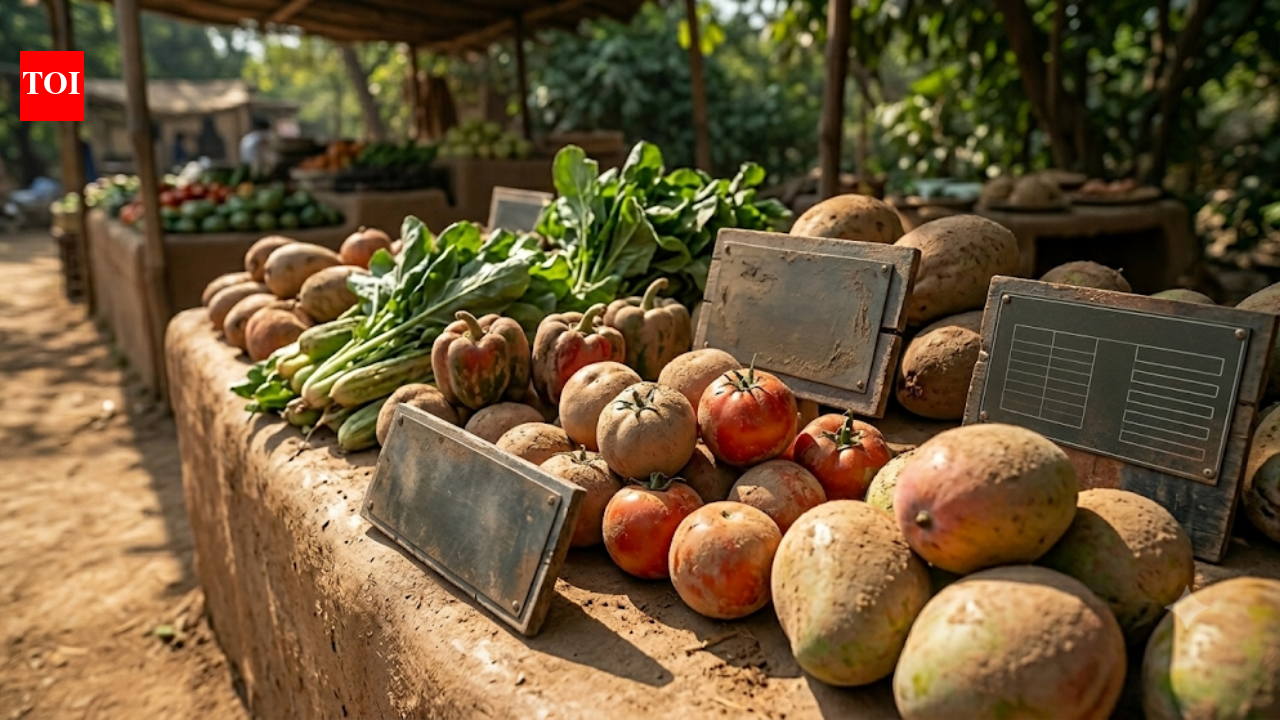
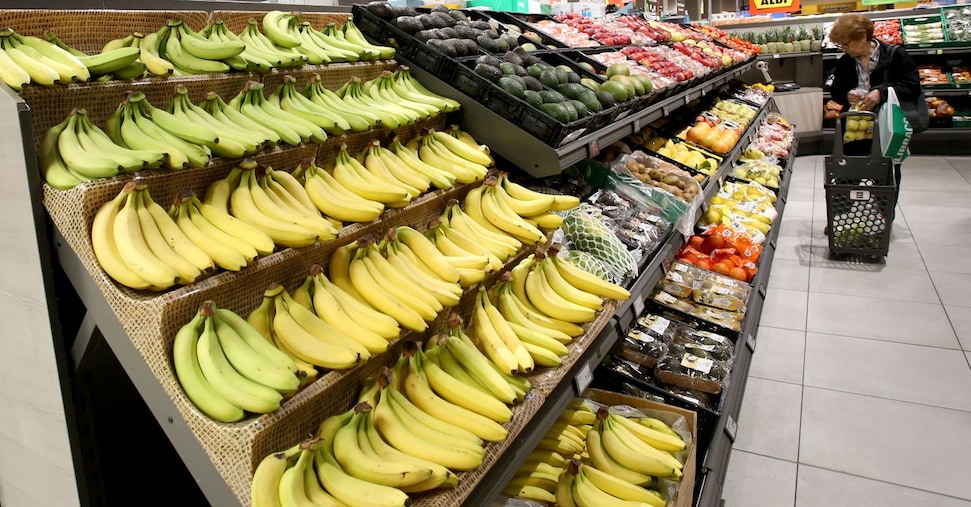
The low-cost coating was tested across 17 varieties of whole and cut fruits, including strawberry, tomato, kiwi and mango. It was shown to effectively delay rot by almost a week or more, at a cost of just 9 US cents per kilogram of fruit, according to a recent paper in the peer-reviewed journal Nature Communications.
“Addressing critical challenges in perishable fruit preservation…we present an eco-friendly amyloid-like protein coating strategy developed through computer-aided molecular simulation,” the team led by researchers at Shaanxi Normal University said in their paper published on May 31.
“With edible properties, easy washability, and low cost, the coating demonstrates universal applicability for post-harvest and fresh-cut fruits.”