https://arab.news/5vdsr
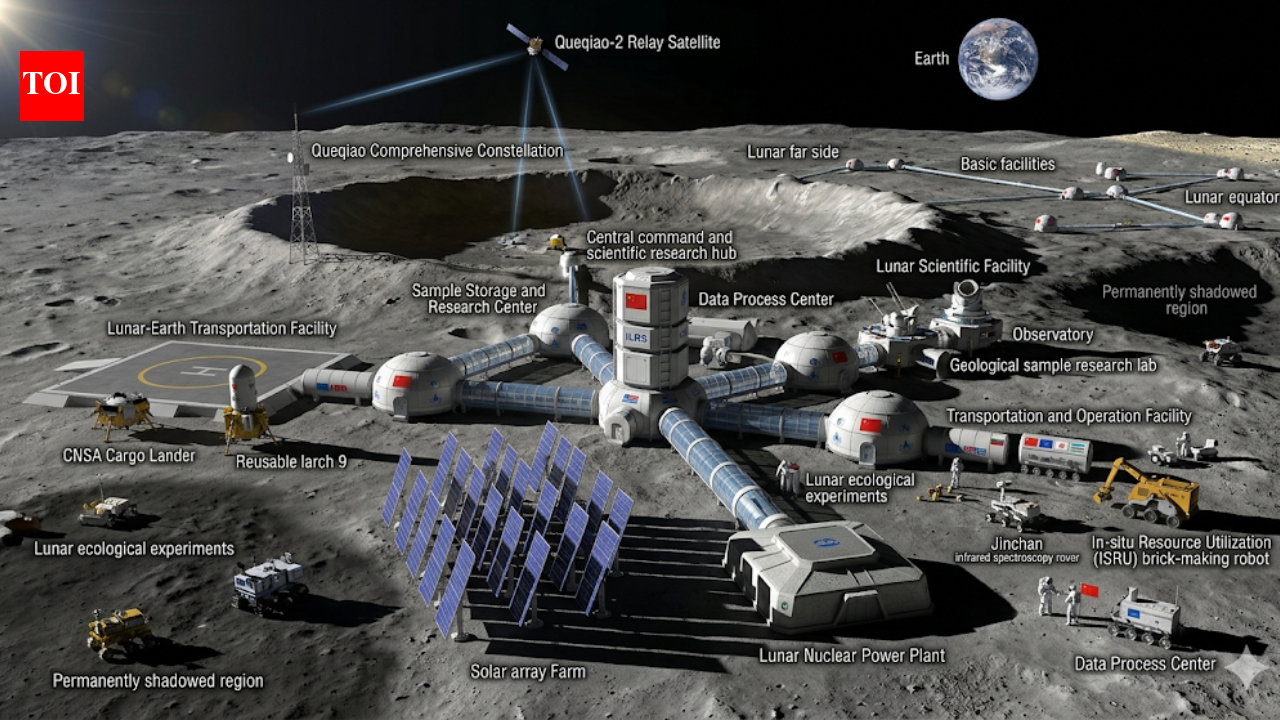
China is making rapid progress with the building of a new space network called the Queqiao constellation. This system is designed to connect Earth and the moon through reliable communications, navigation and observation tools. The goal is to support future lunar missions by placing satellites and spacecraft in key positions around the moon and in space between the Earth and the moon, including areas known as Lagrange points, where gravity allows objects to stay in place more easily. This infrastructure is essential for China’s plans to explore, work and even build settlements on the moon in the coming decades.
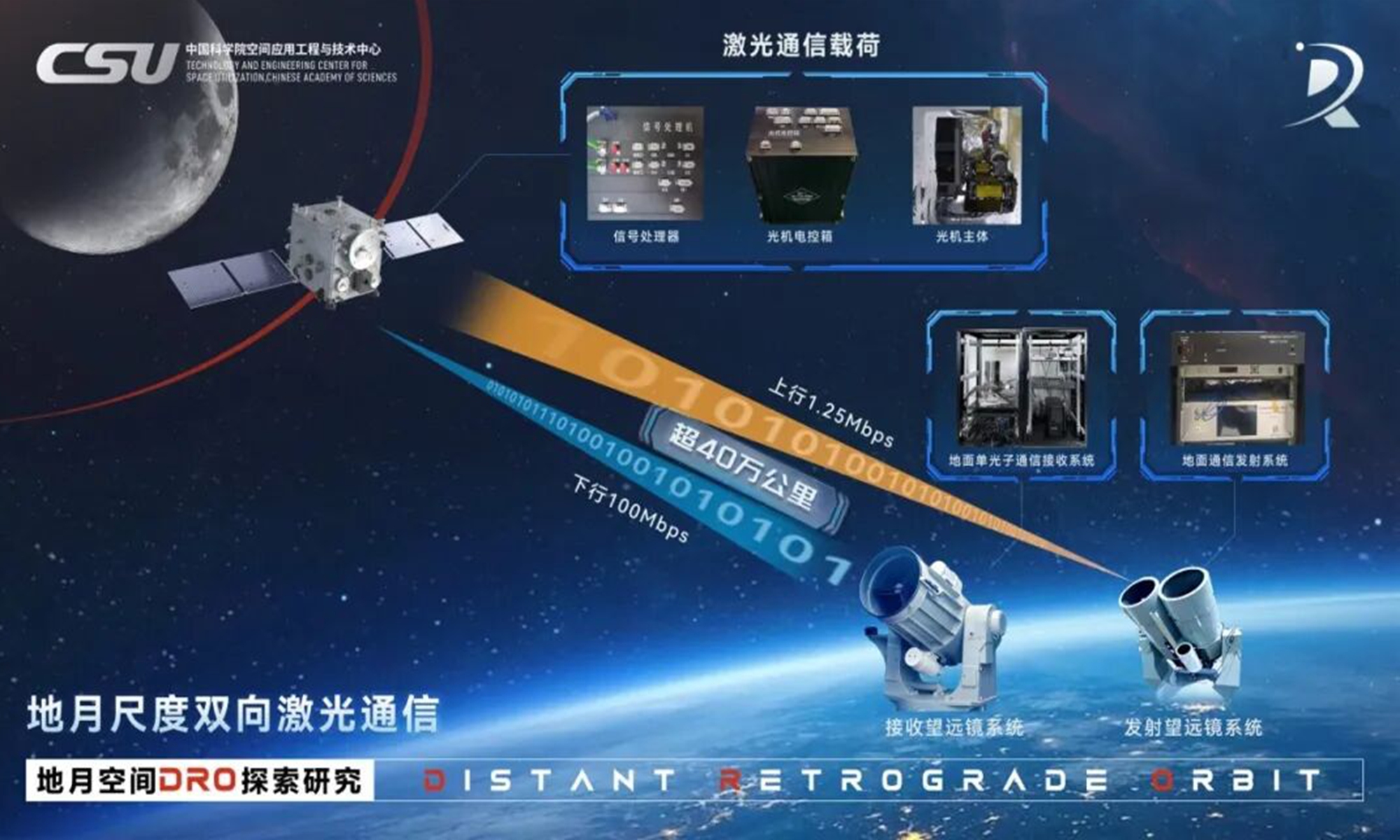
China last month moved a small spacecraft named Tiandu-1 into an orbit that means it loops around Earth once for every three times the moon circles our planet. This special orbit gives it a predictable position relative to the moon over time, which helps in studying the complex pull of the gravity of both Earth and the moon.
Another key satellite, Queqiao-2, was launched last year and it is already helping China prepare for future moon landings. And the satellite DRO-B has entered a different kind of orbit and is now traveling through Lagrange points. These stable zones are where space stations or satellite hubs may one day be located.