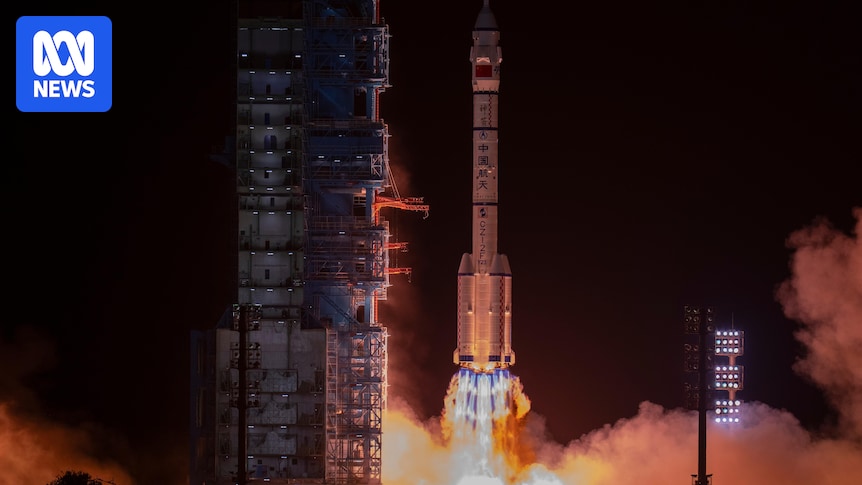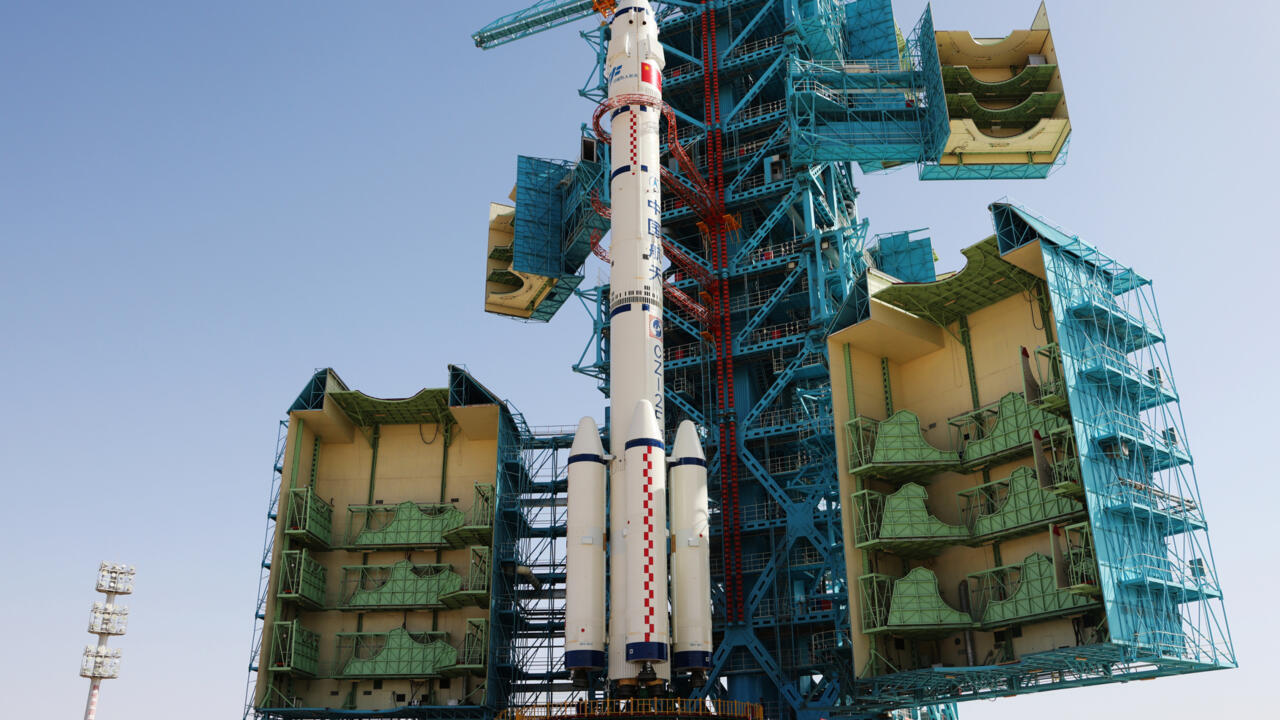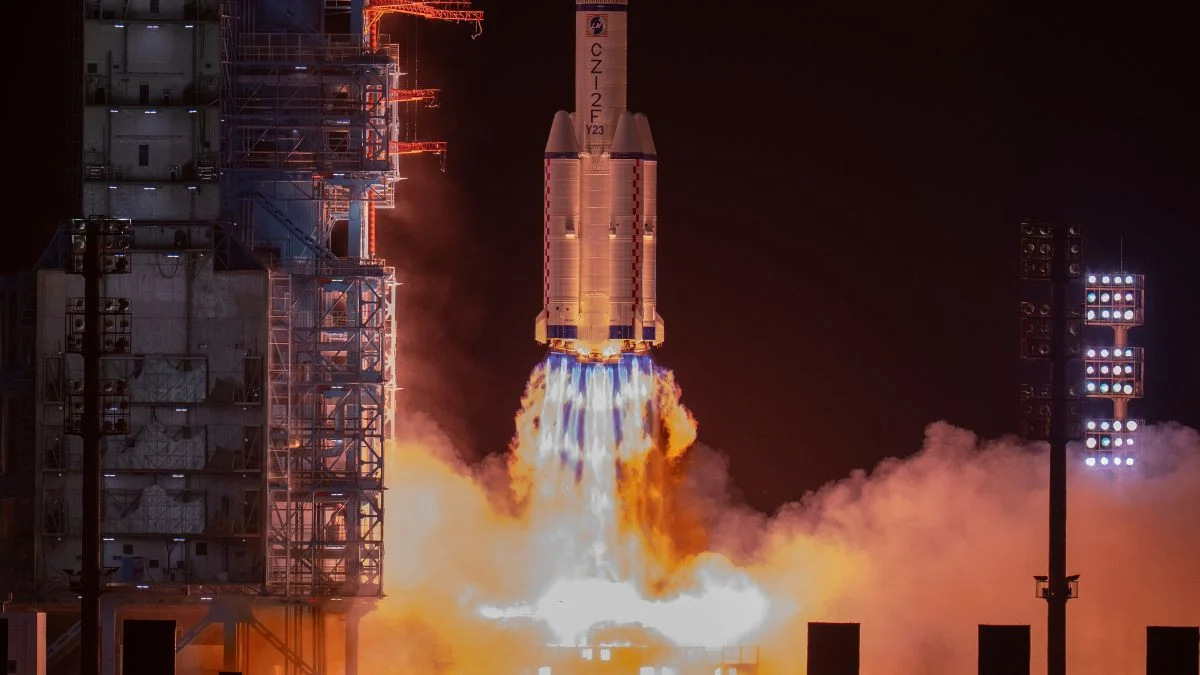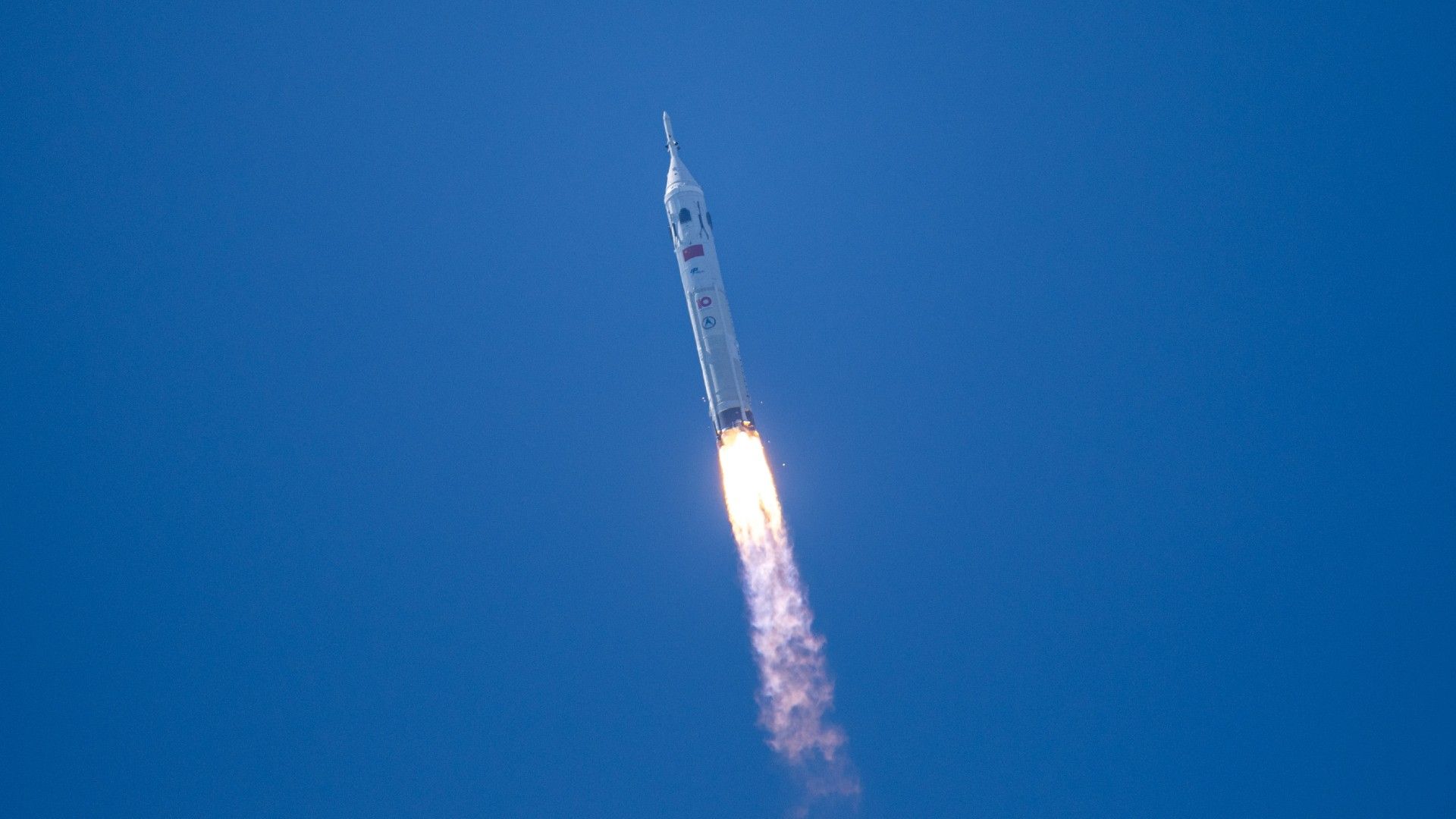
China's Long March 10 carrier rocket carrying a Mengzhou spacecraft system launches from the Wenchang Space Launch Site in Hainan Province, China on Feb. 11, 2026.
(Image credit: CFOTO/Future Publishing via Getty Images)
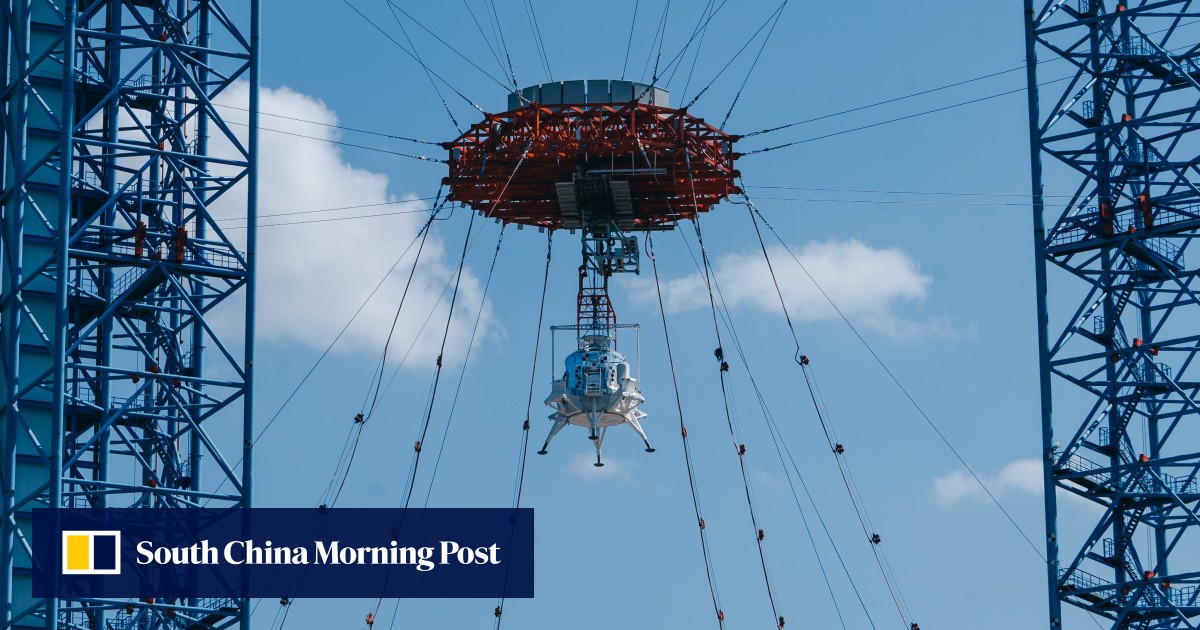
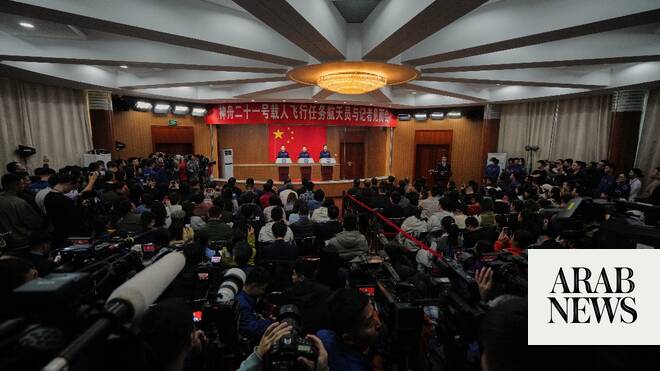
China is establishing an integrated program called the Lunar Exploration Program, melding both its robotic Chang'e lunar probe activities with the country's human spaceflight program. Zhang Jingbo, spokesman for the China Manned Space Agency (CMSA) agency, made the announcement at a May 23 pre-launch event for the Shenzhou-23 crew launch to the nation's Tiangong Space Station.Speaking at the Jiuquan Satellite Launch Center in northwest China, Zhang said that "to fully leverage the technological expertise and practical experience accumulated over decades" via its human spaceflight and Chang'e lunar rover programs, "the existing manned lunar landing and unmanned lunar exploration efforts will be integrated across three areas of missions, resources, and teams.""We will spare no effort to strive for the goal of achieving the first Chinese landing on the moon by 2030," Zhang added.Demonstration testsZhang pointed to past low-altitude demonstration tests of the Long March-10 carrier rocket system and maximum-dynamic-pressure escape/abort tests of their larger Mengzhou crewed spacecraft system.Those tests are paving the way for a reusable crewed transportation system and future crewed moon landings, said Zhang.On the robotic side of moon exploration, in April, China's Chang'e-7 lunar probe was shipped to China's sprawling Wenchang Space Launch Site. Preparations for pre-launch testing are now underway, with the mission slated for launch in the second half of the year, reportedly this August.The Chang'e-7 mission will include orbiting, landing, roving, and a lunar hopper to study the environment and resources of the lunar south pole, while also carrying out international cooperation, said Zhang.