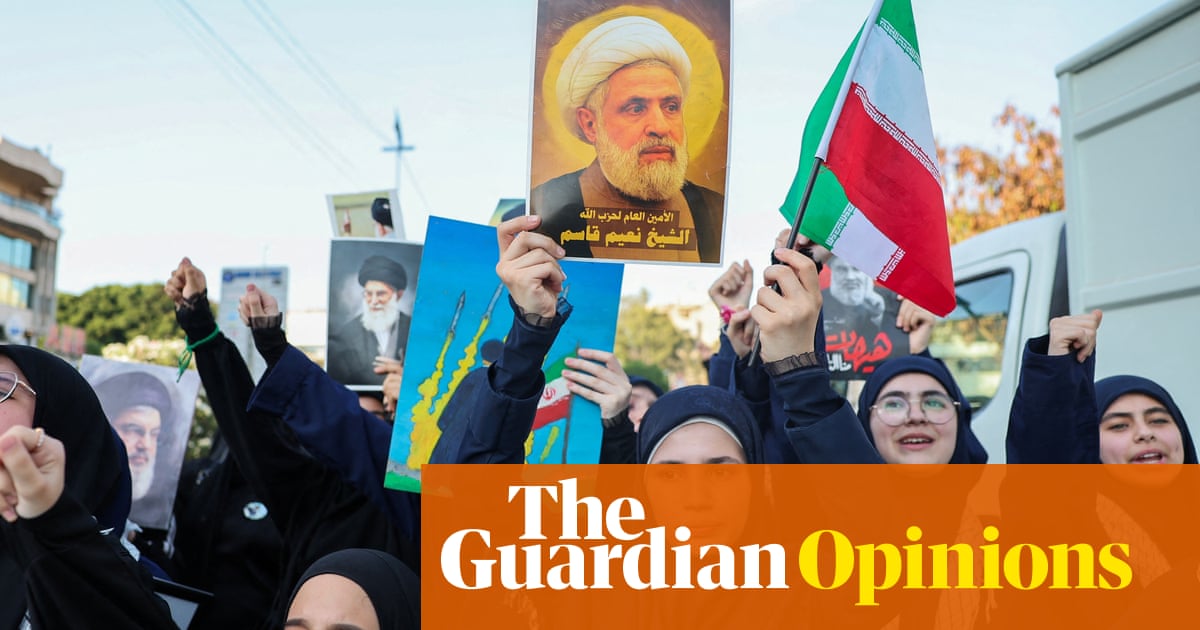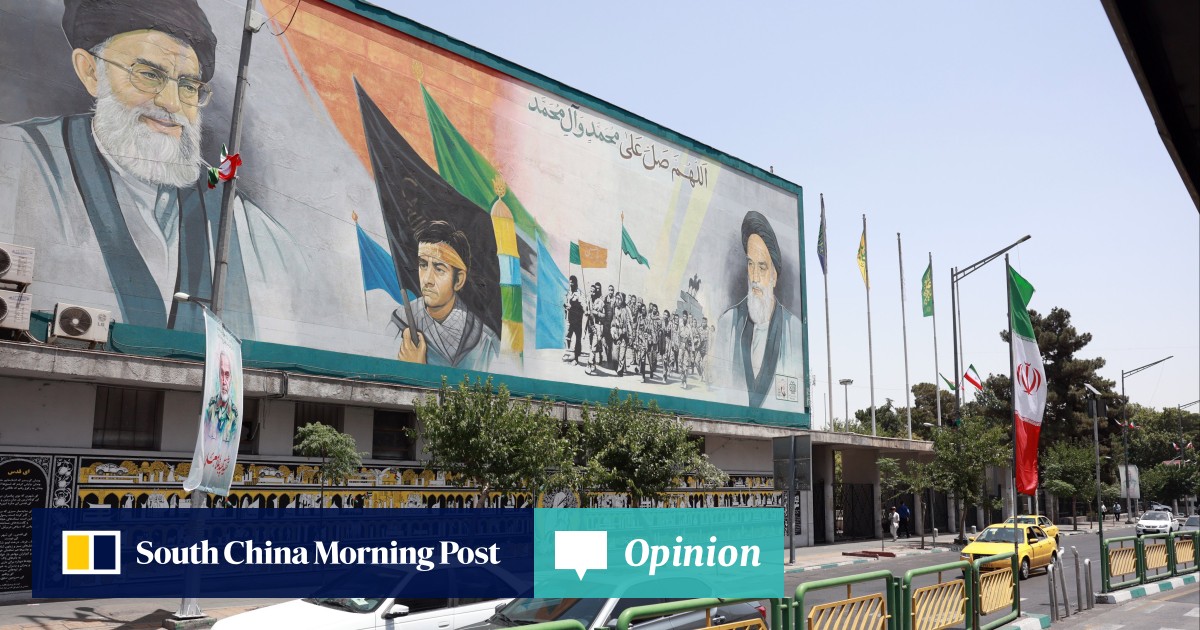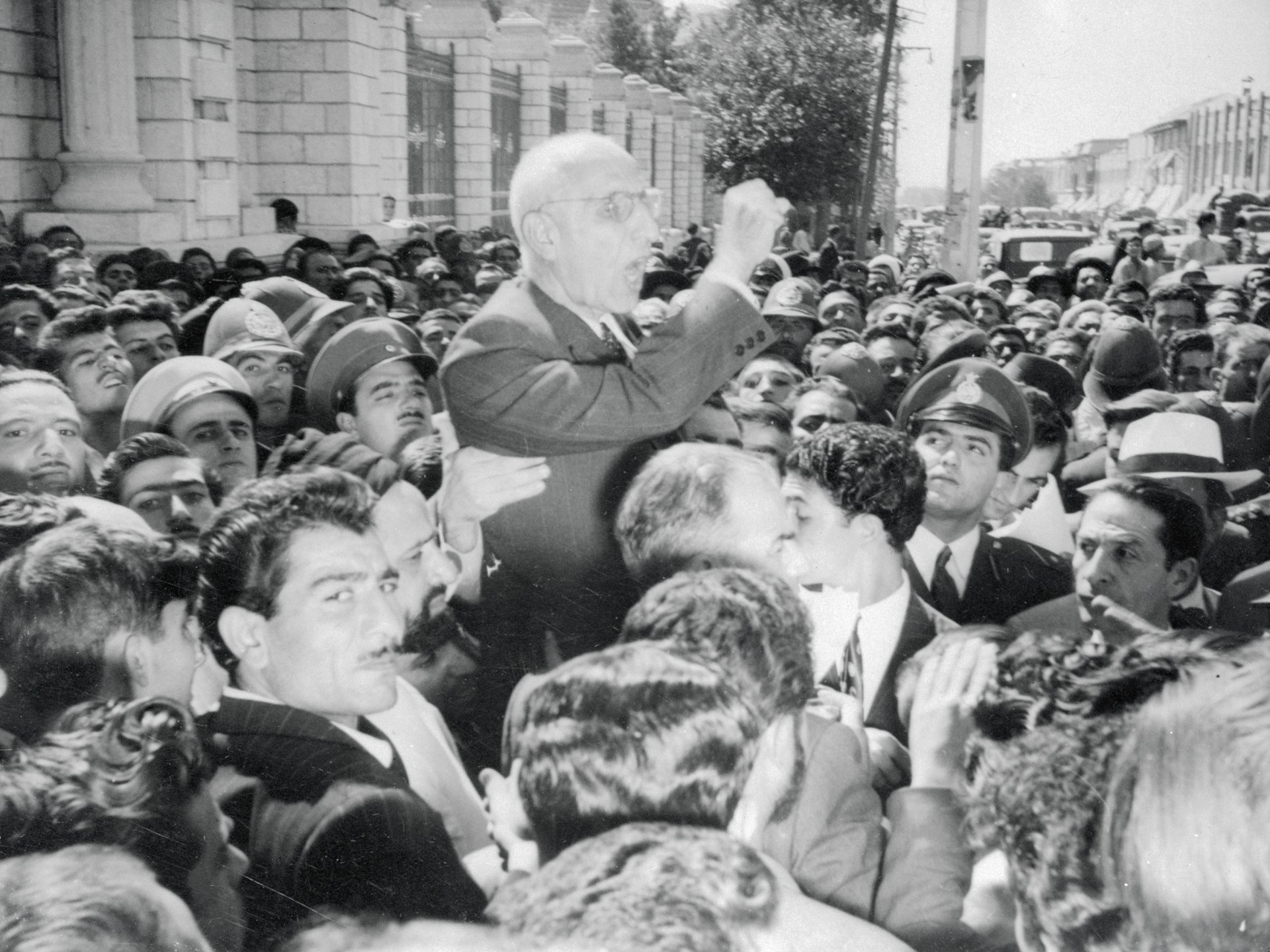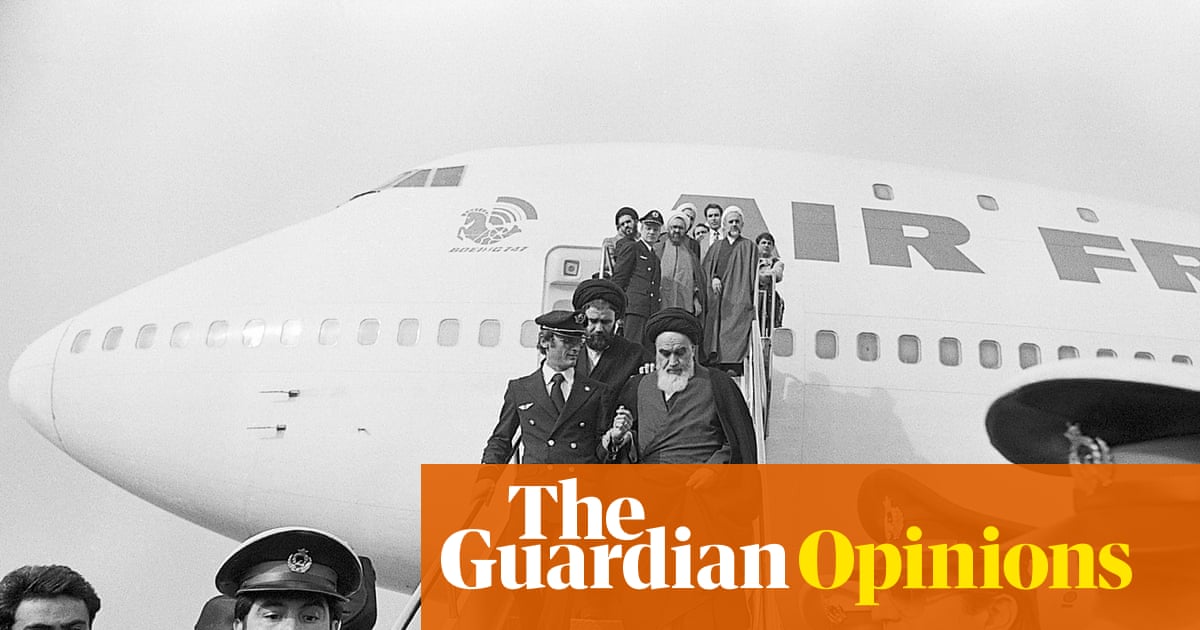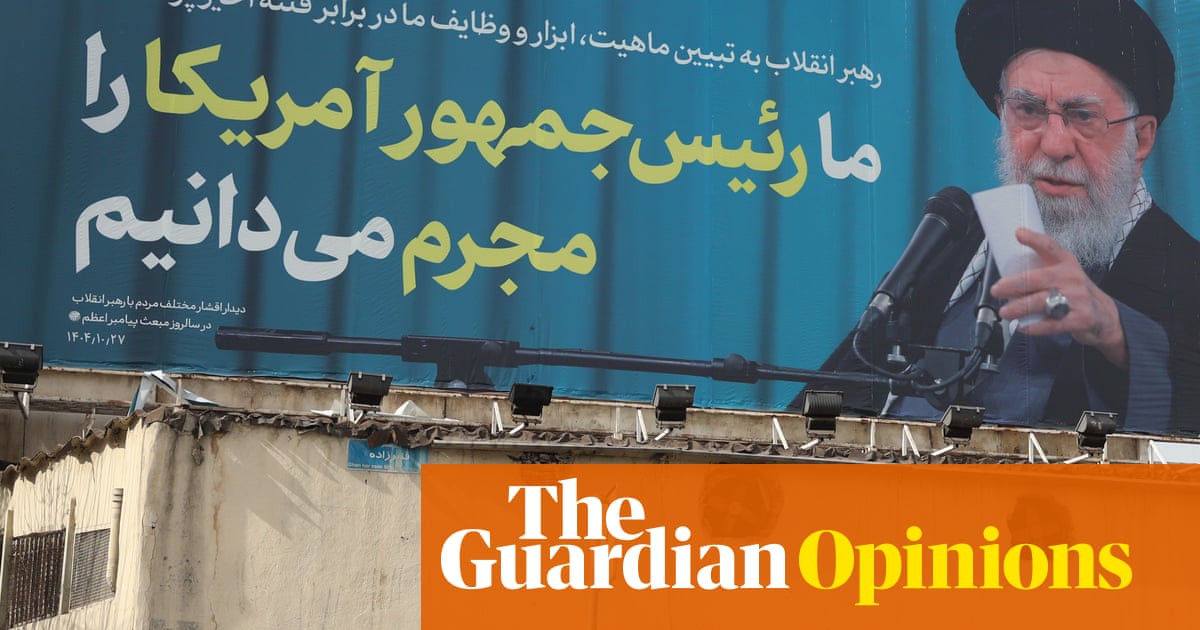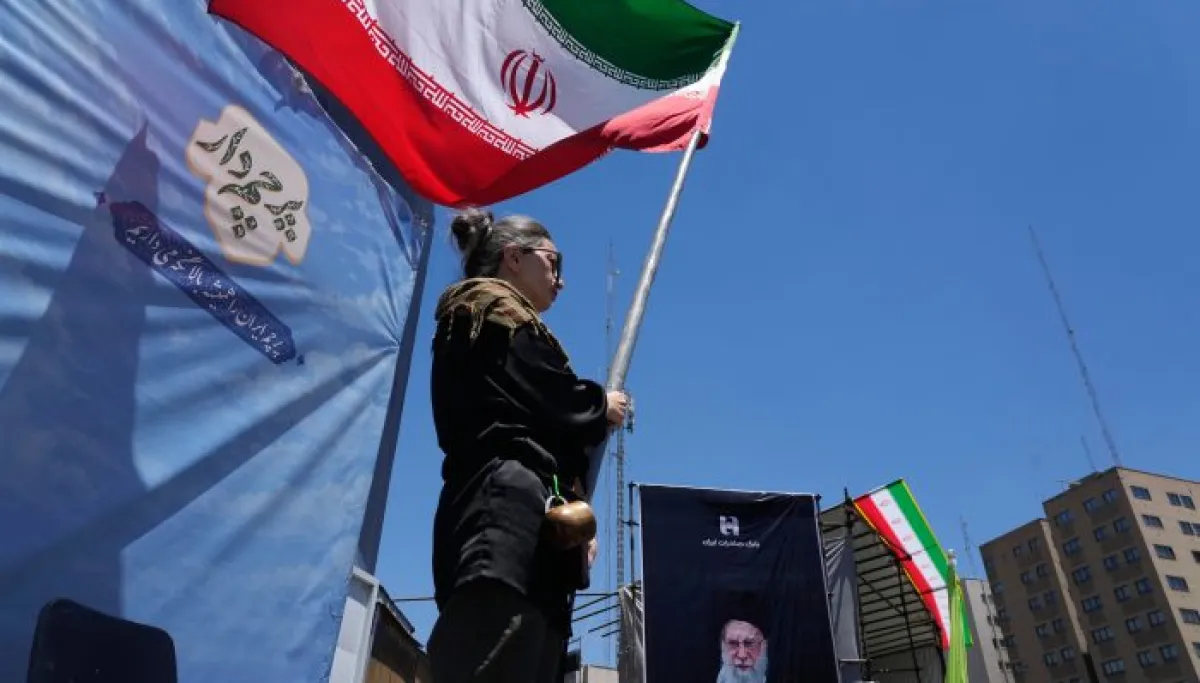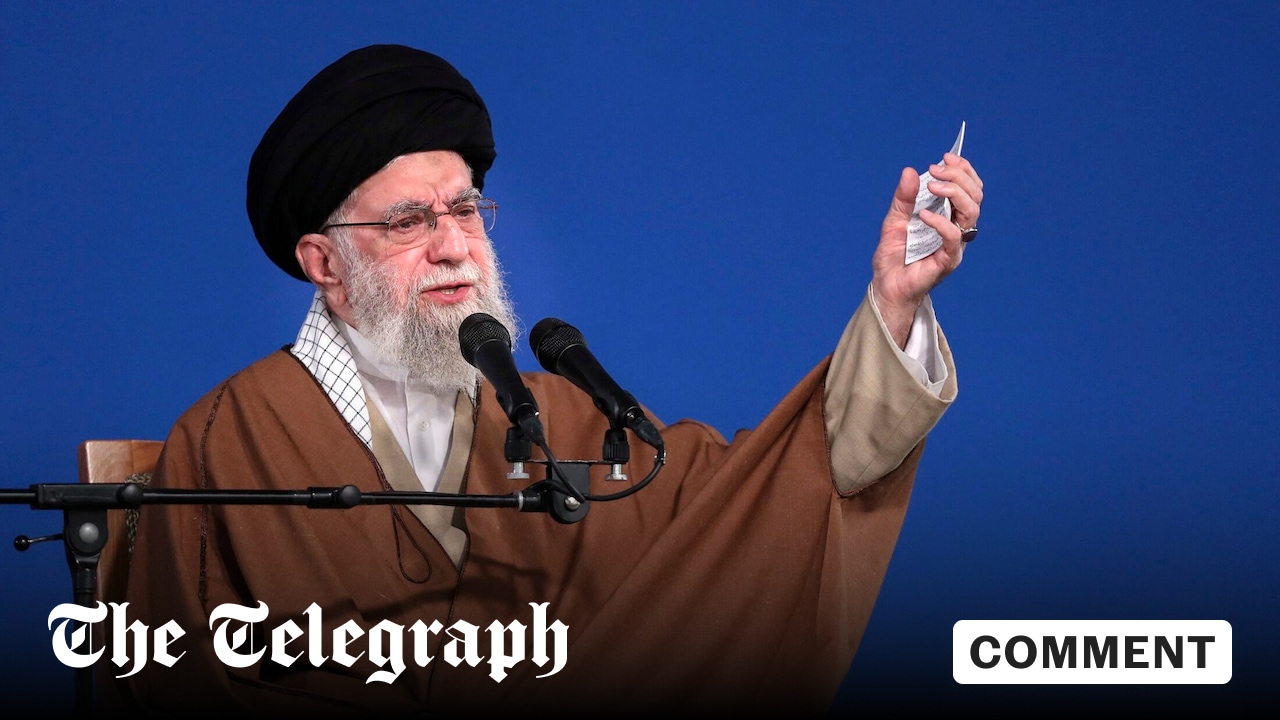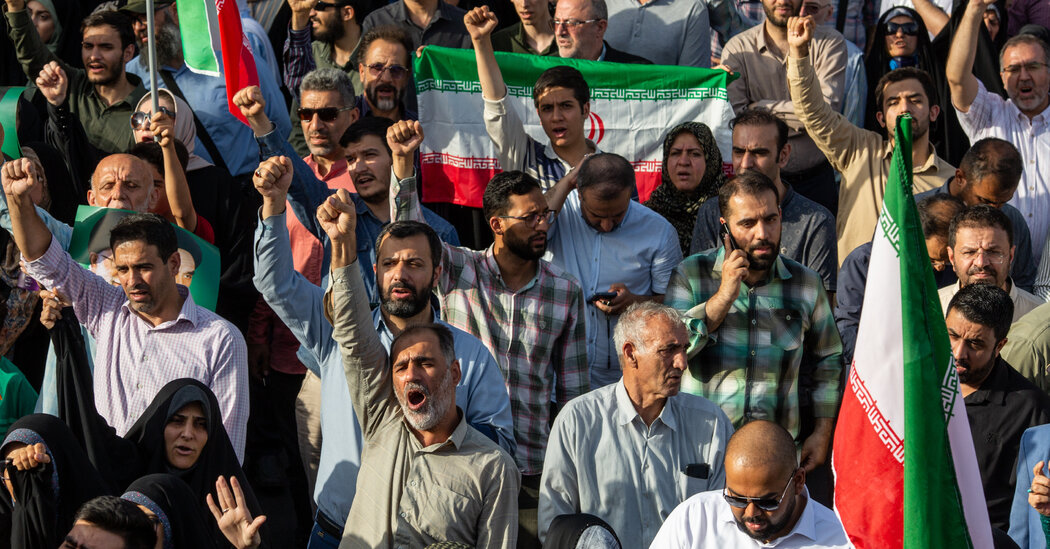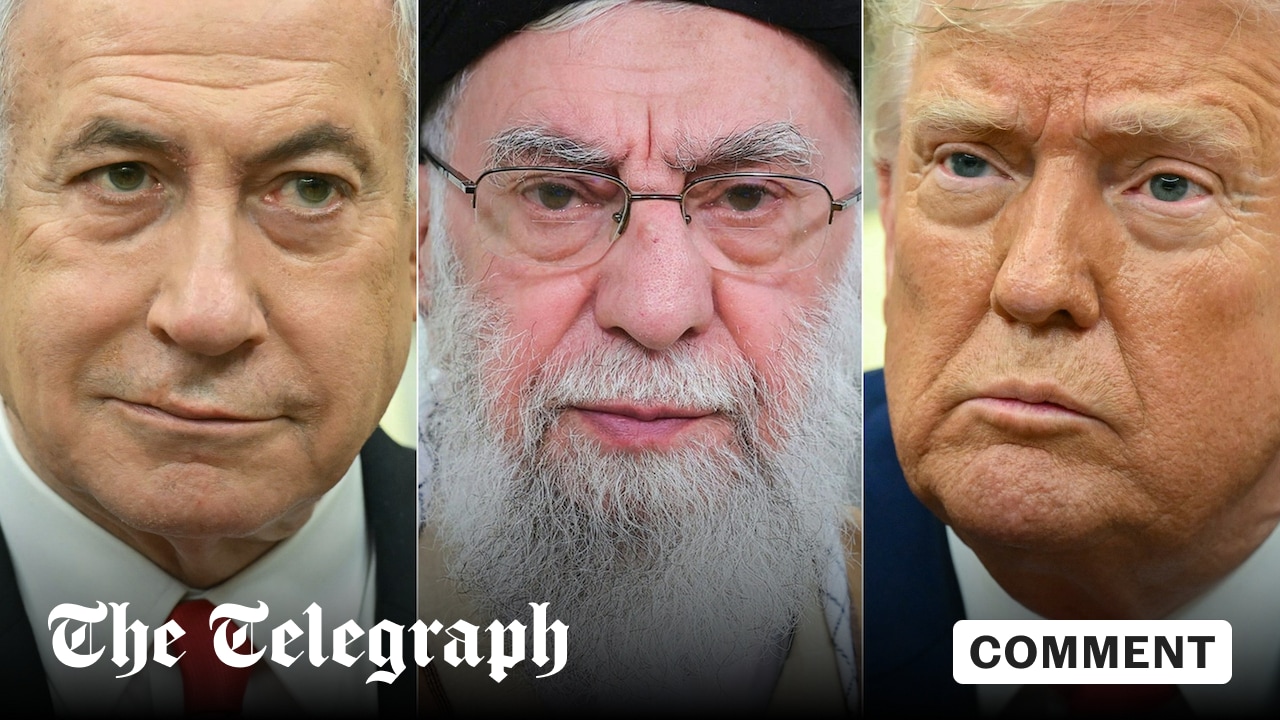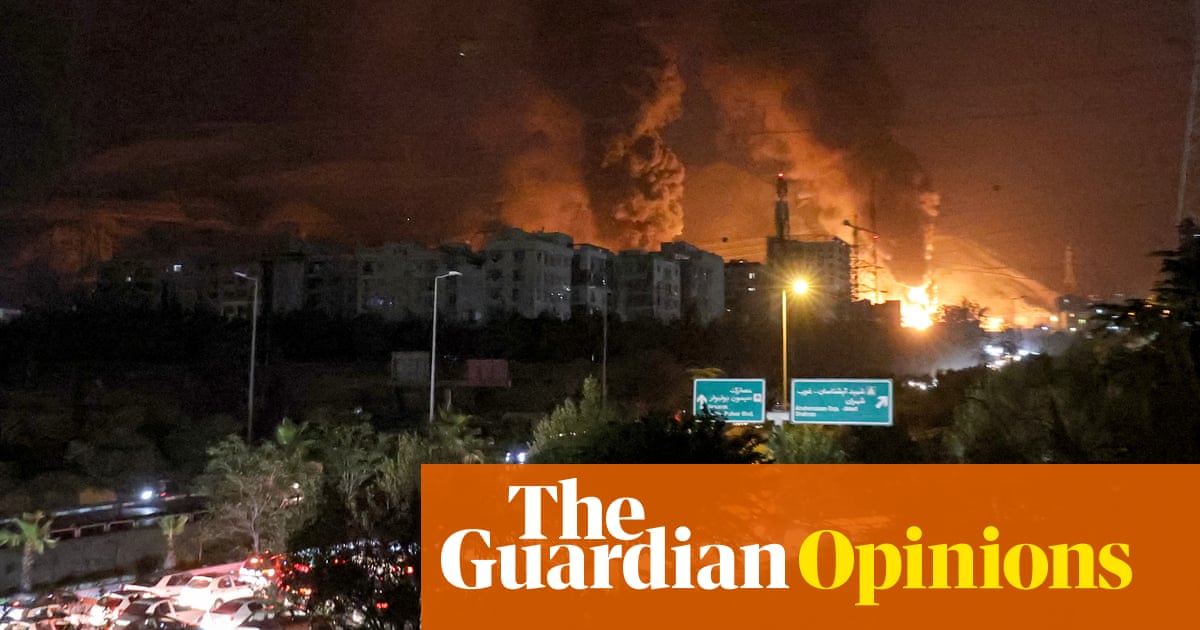
No one doubts the malignity of the Iranian government, but if we forget the tragedies of interventions past, we’ll make the same mistakes
O
n the eve of the 1991 Gulf war, a TV reporter asked the US commander Norman Schwarzkopf if he would topple Iraq’s Saddam Hussein. Stormin’ Norman replied with a memorable succinctness: “Easy say. Hard do.”
Schwarzkopf knew what he was talking about. The general was a lifelong student of the Middle East region – he spent some of his childhood years in Tehran – and of military history. Indeed his successful ground-war strategy for Saddam’s defeat in Kuwait was consciously modelled on the flanking tactics used to such devastating effect by the Carthaginian commander Hannibal to defeat the Romans at Cannae in 216BC.
Regime change, now increasingly mentioned in connection with Iran, is the high stakes embodiment of an “easy say, hard do” policy. The world would obviously be a better place without repressive and aggressive regimes like the one in Tehran. But there is no lever that can be easily pulled, no button that can be pressed, that instantly replaces lasting tyranny with lasting happiness. To destroy is not the same as to rebuild.